
Lochinver: discover remote Scottish ruins, rocks and rapids
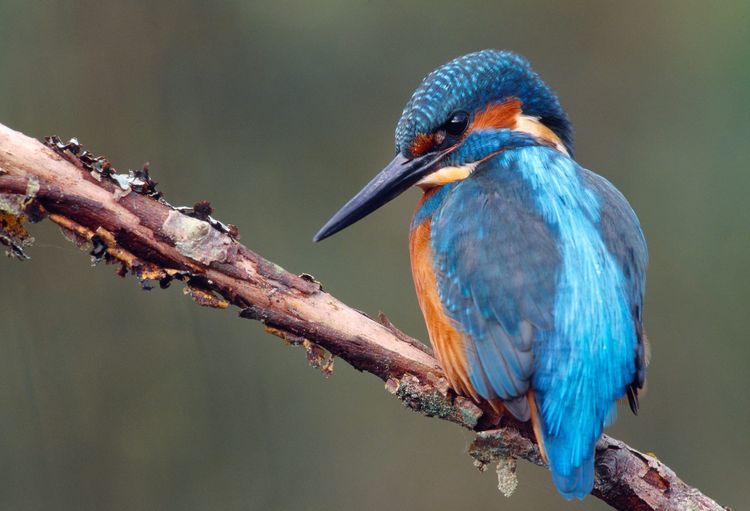
ASSYNT spoils wildlife watchers rotten no matter the season. Its soundtrack includes upturned whistles from curlews and croaks from diamond-tailed ravens.
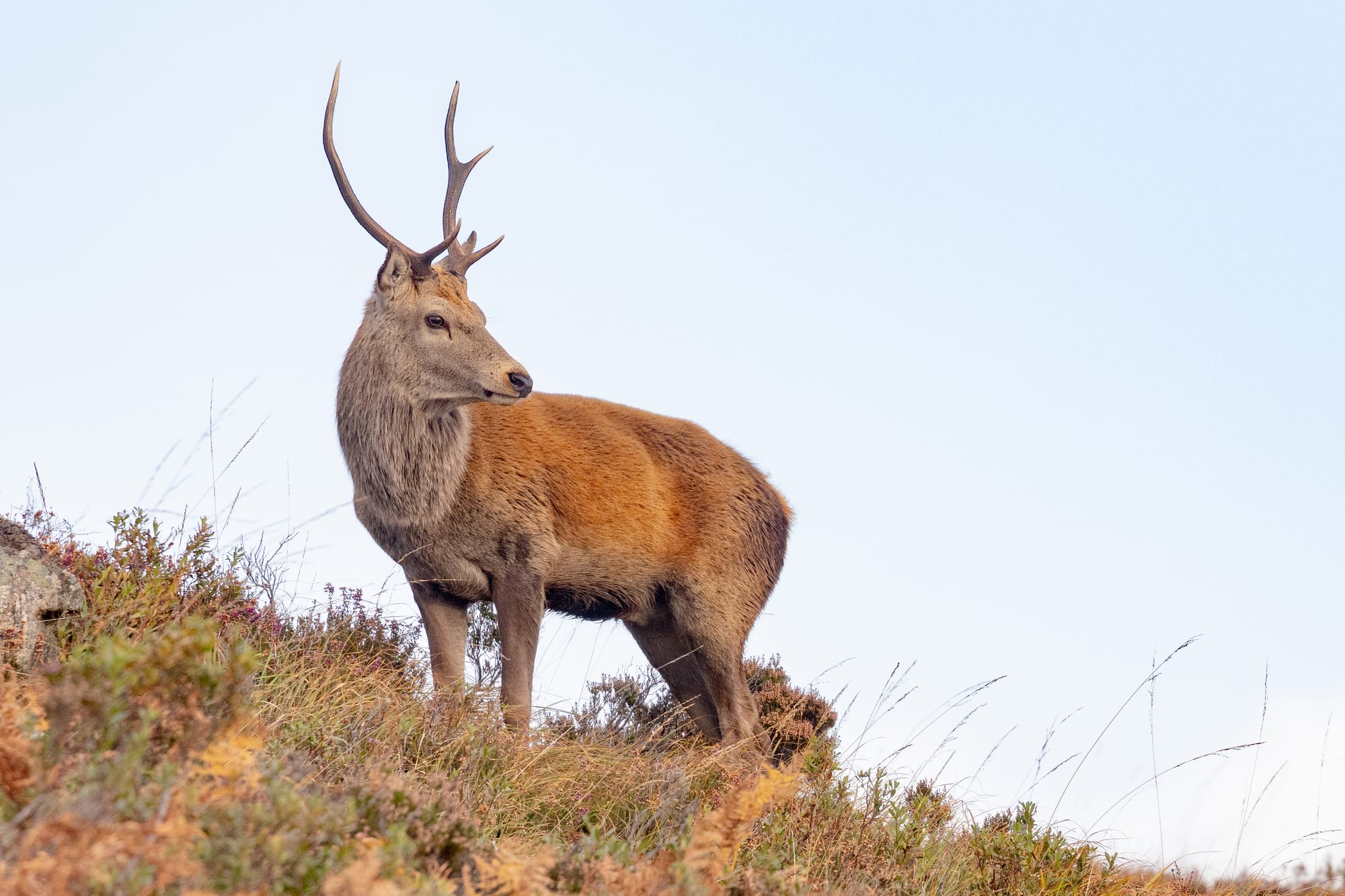
Dippers forage in rocky burns while white-tailed eagles soar overhead. You might think you’re looking at a cluster of bare branches on the horizon when suddenly it moves and a red deer stag appears beneath it.
Otters devour their catches on pebbly beaches and common seals drift into sea lochs to rest. When the light fades, pipistrelle bats swoop and swerve and pine martens, a true jackpot species, begin their nightly patrols.
Top 5 hidden spots in Assynt
But it's not just the wildlife that I love this area for.
From mossy forests to pebbled beaches, Assynt is filled with hidden paths which feel like they're leading you back through time – from medieval remedies to three-billion-years-old stone.
1. Culag Woods
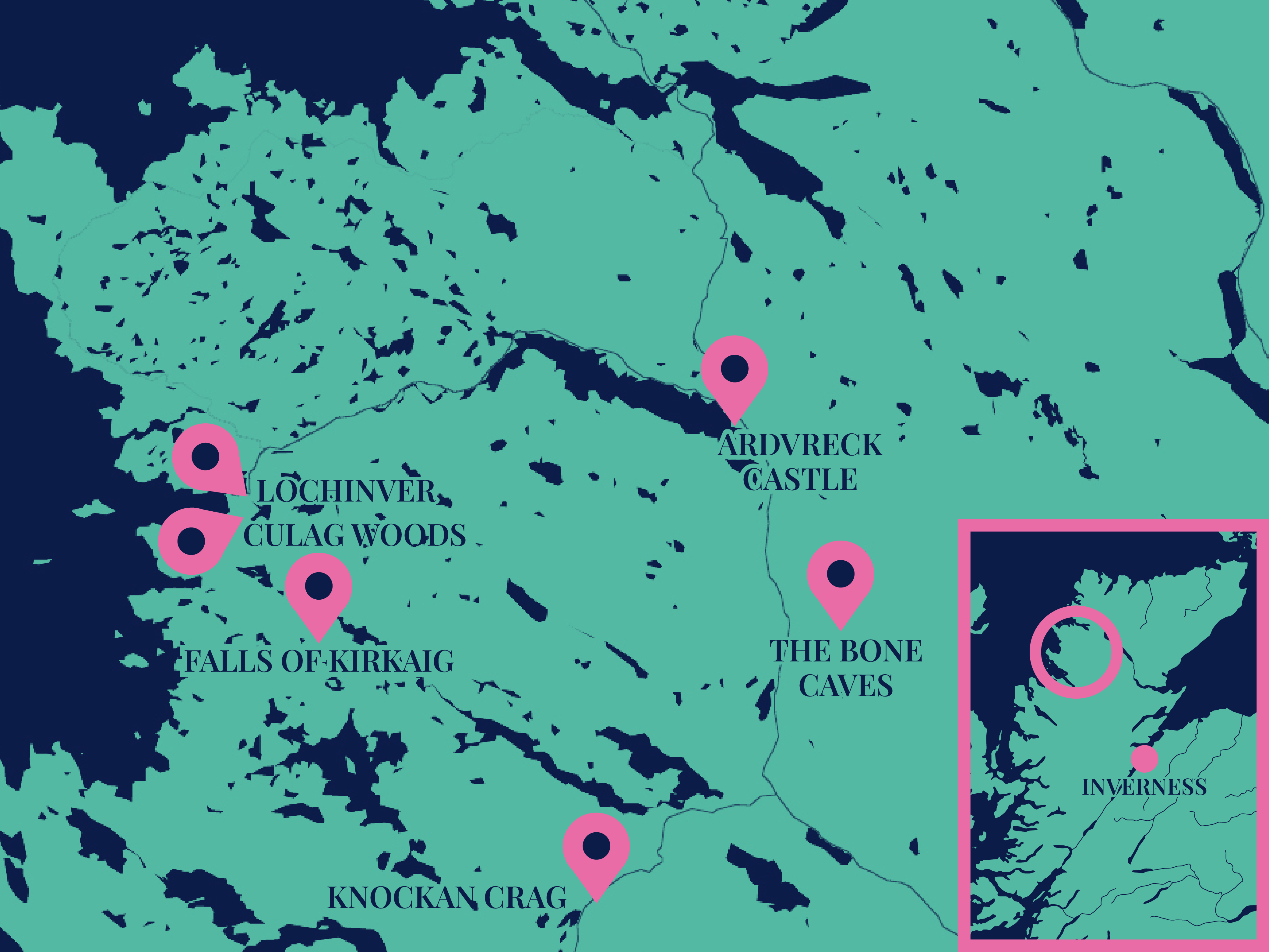
The village of Lochinver lies at the corner of Loch Inver, a sea loch in the sparsely populated Assynt area.
Just south is 99-acre Culag Woods, full of root-crossed paths that wind through wizened birch and hazel trees.
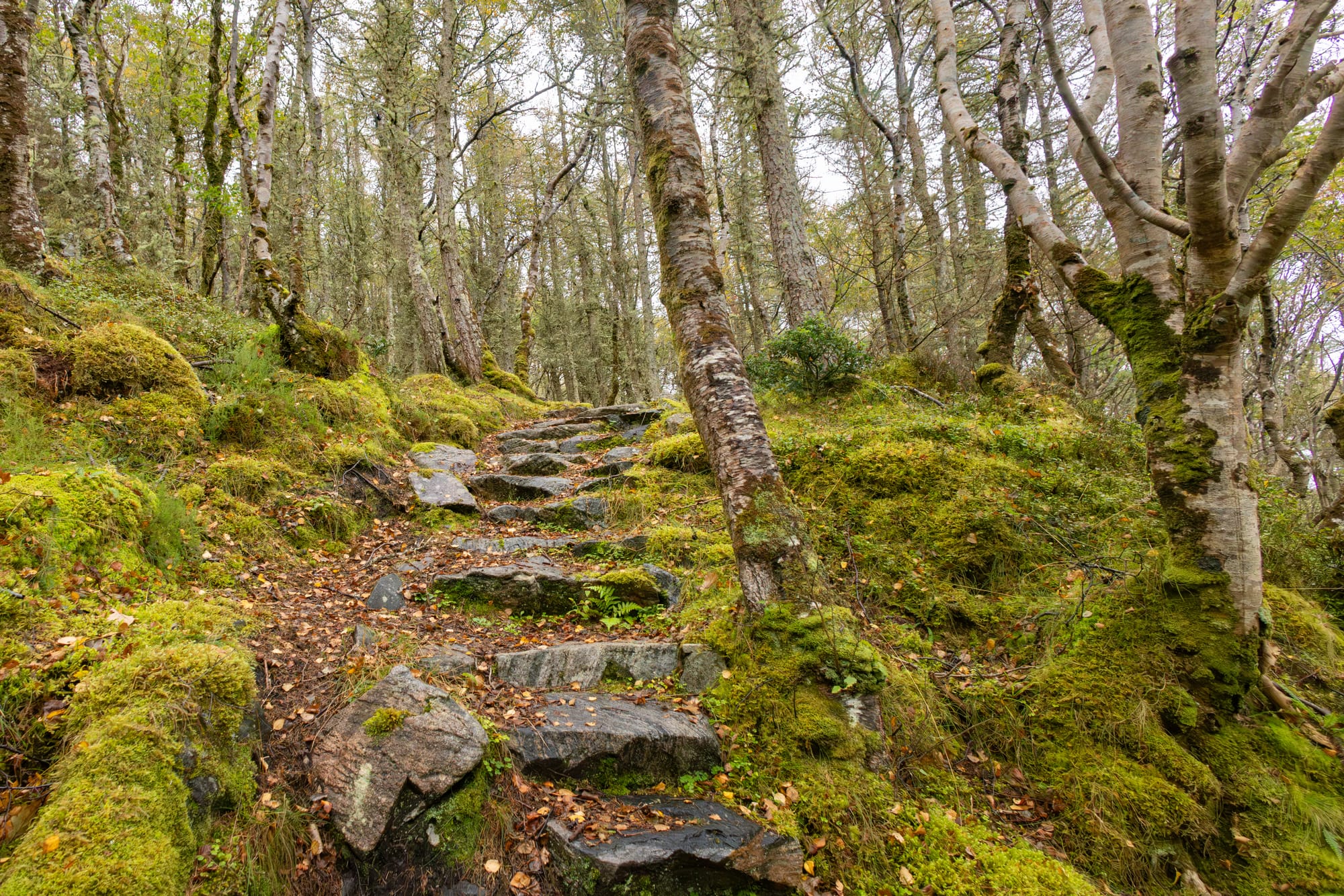
Clean air and regular rainfall have encouraged lichens and mosses to coat the ground like a rug.
Medieval remedies in ancient woodlands
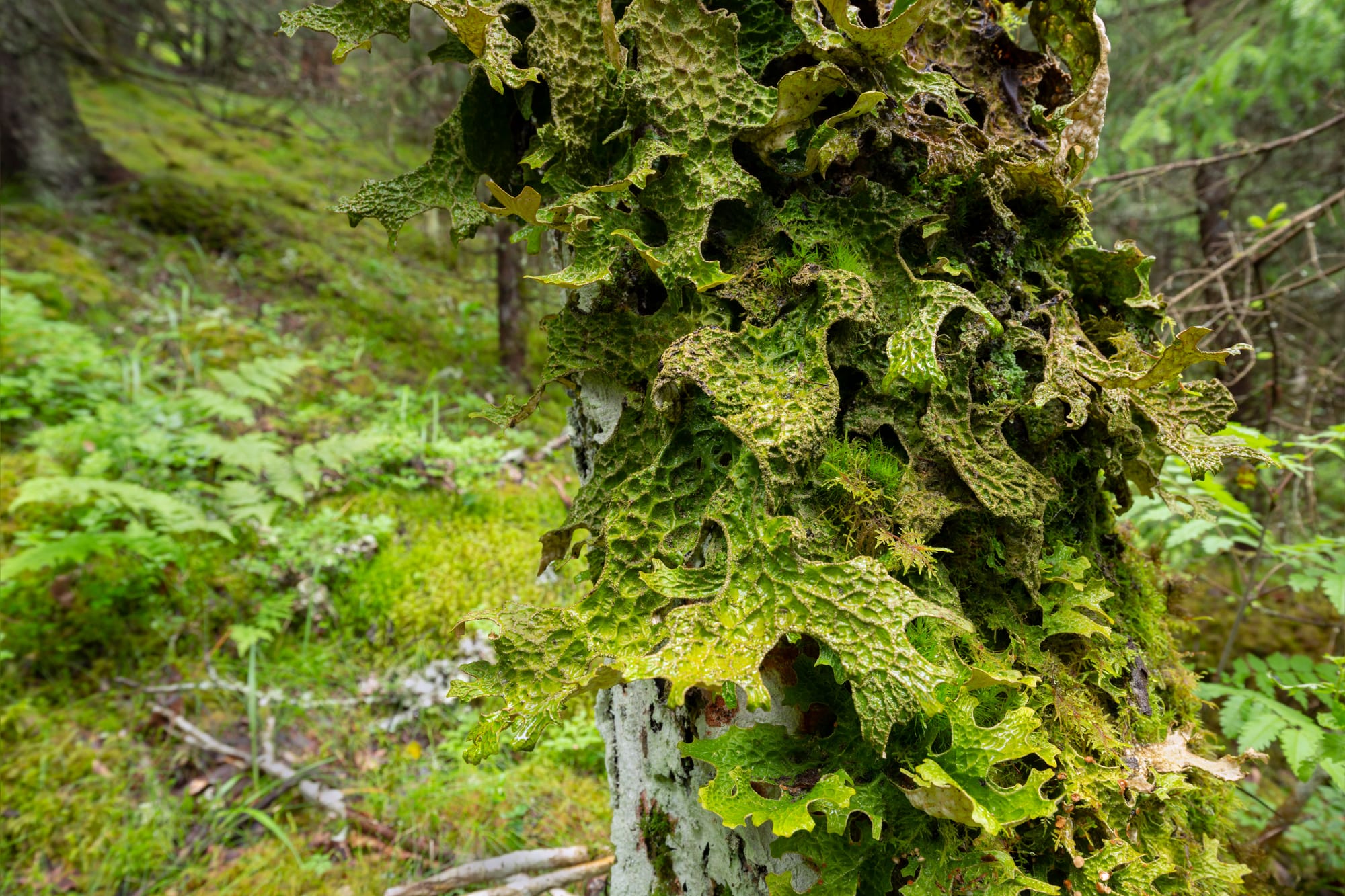
One of these lichens, the endangered tree lungwort, is an indicator of ancient woodland and has lobes that give it a lung-like appearance.
In fact, medieval doctors used it to treat lung disorders, with understandably limited success.
This wood has plenty to explore. Climb to a viewpoint overlooking Lochinver, hunt for chanterelles in autumn and pad across a boardwalk across the bog.
Dragonflies flitter here in summer, but you can hunt for the dragonfly sculptures dotted throughout the wood all year round.
At the western edge is a sheltered bay called White Shore – it’s scattered with intriguing rocks and is a great place to study tactile pebbles of every colour.
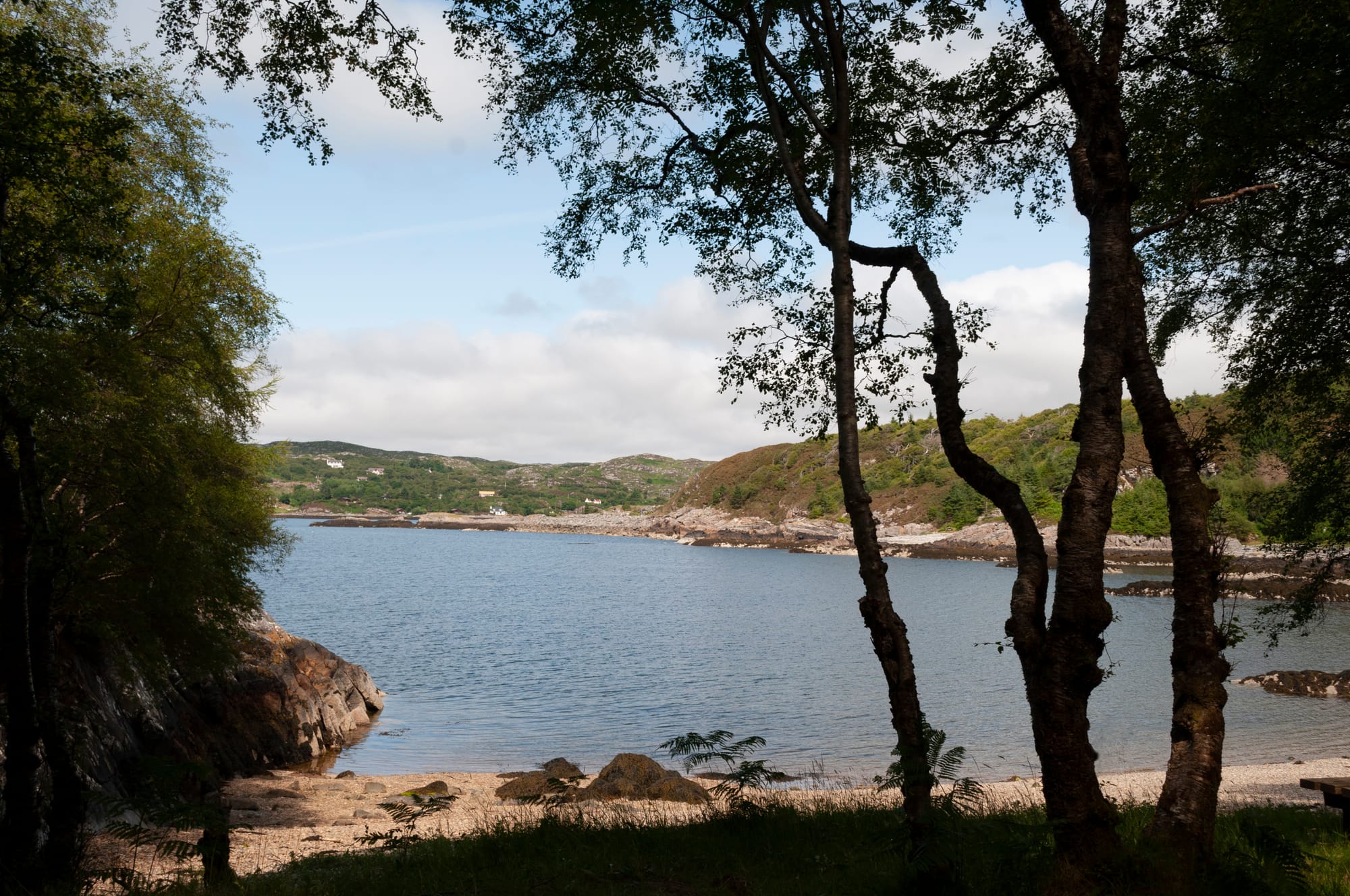
Glance out to sea, too, as there may be eider ducks, oystercatchers or an elusive otter.
Community in nature
Managed by Culag Community Woodland Trust since 1995, Culag Woods has remained a community-led space ever since.
Volunteer presence is evident across the site, with thoughtful additions like a troll bridge and wooden spider sculpture hidden among the trees.
2. Kirkaig Falls
One of Assynt’s most famous features is a domed mountain called Suilven. There are several access points that all demand a hefty walk before the climbing even begins.
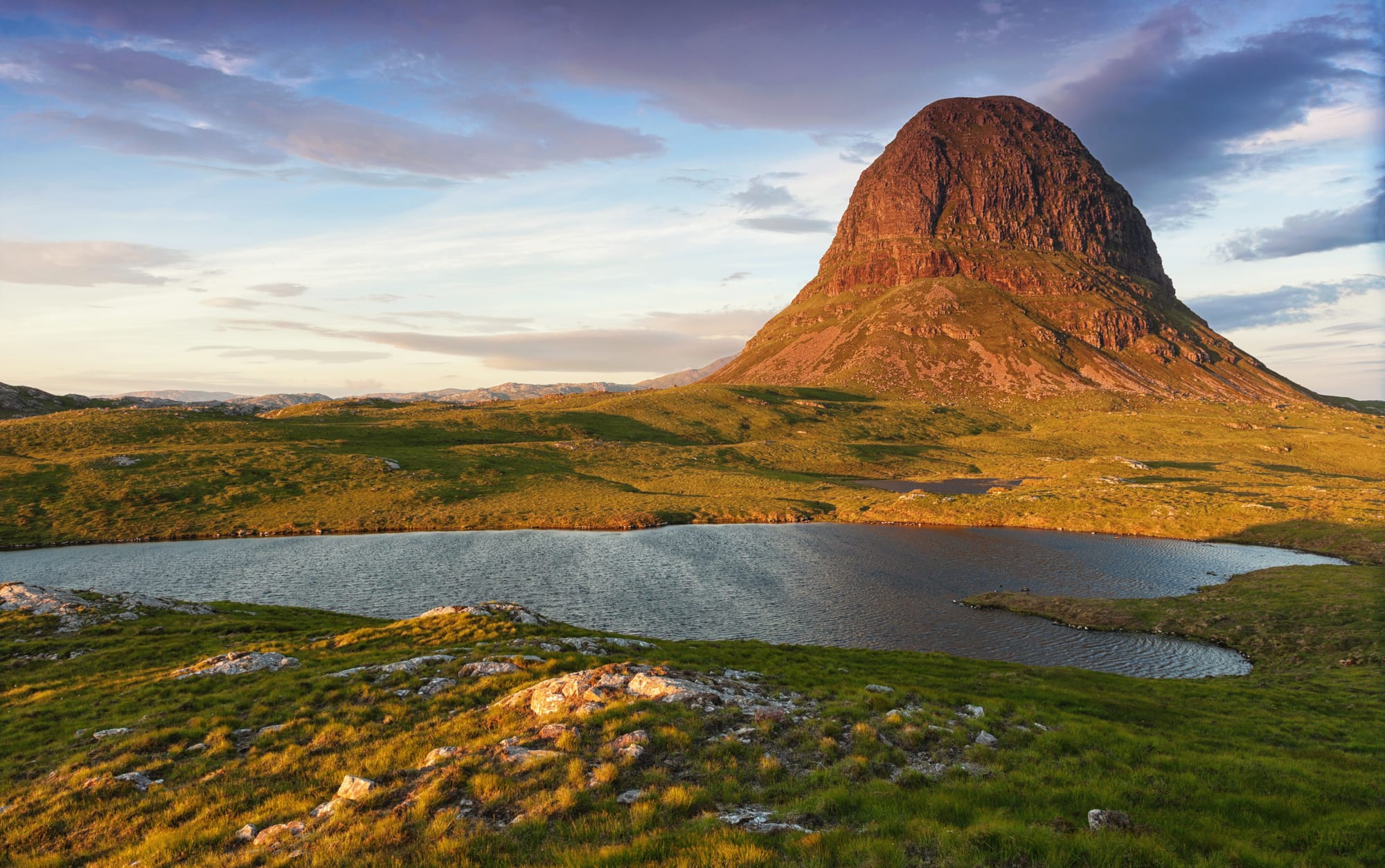
Luckily, the route starting from the small village of Inverkirkaig, 4.8km (3 miles) south of Lochinver, is a stunning walk in its own right and passes the impressive Kirkaig Falls.
Unforgettable landscapes
Before it swells into Loch Kirkaig and joins the sea, the River Kirkaig has a tumultuous journey over rapids and down a 60ft ravine into a churning black pool.
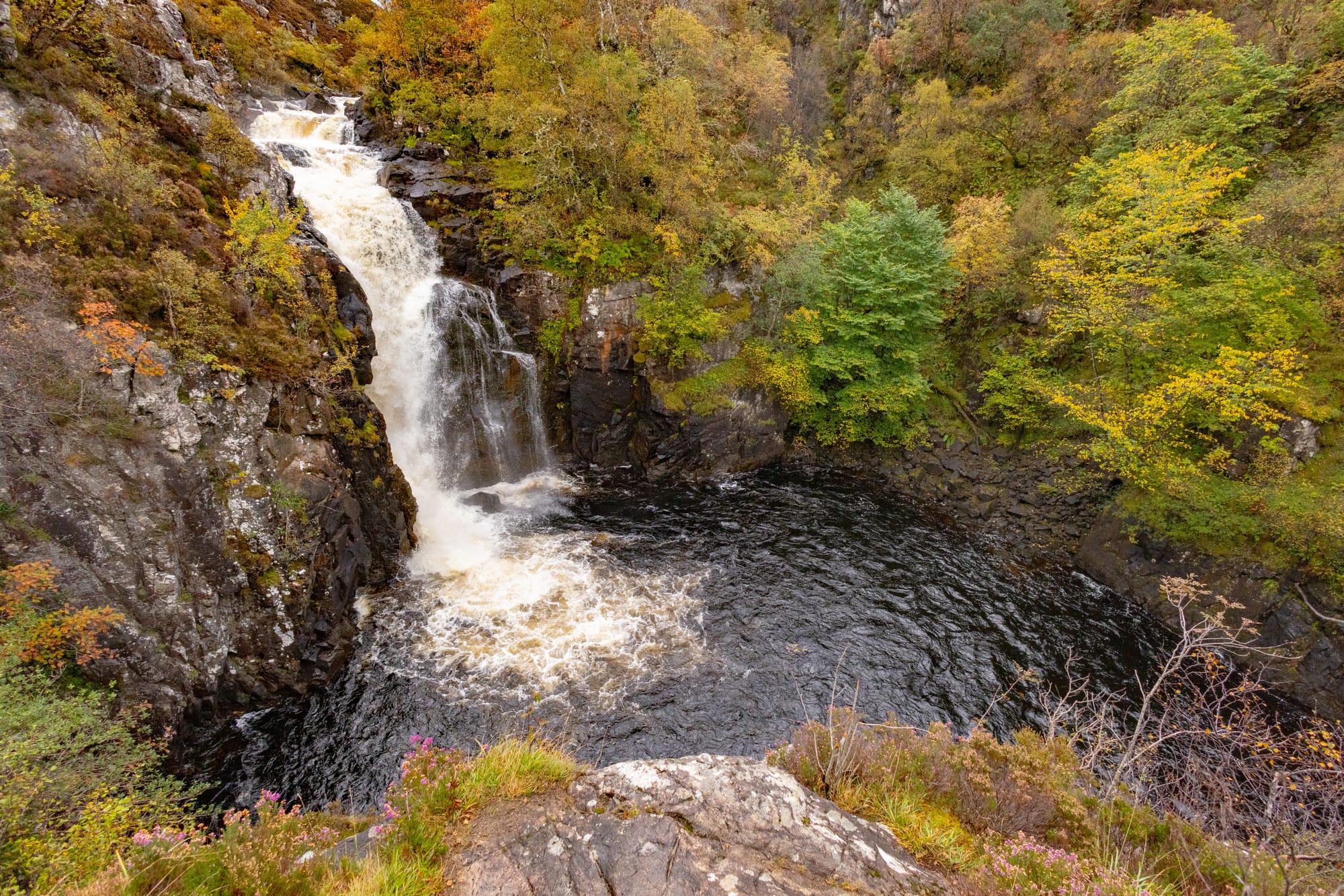
You can see it up close on the established footpath to Suilven through a hushed woodland glen.
The mountains of Cùl Mòr (Big Back), Cùl Beag (Small Back) and Stac Pollaidh (Peak of the Peat Moss) rise above the horizon first, with the inquisitive faces of red deer often popping up on the ridgeline.
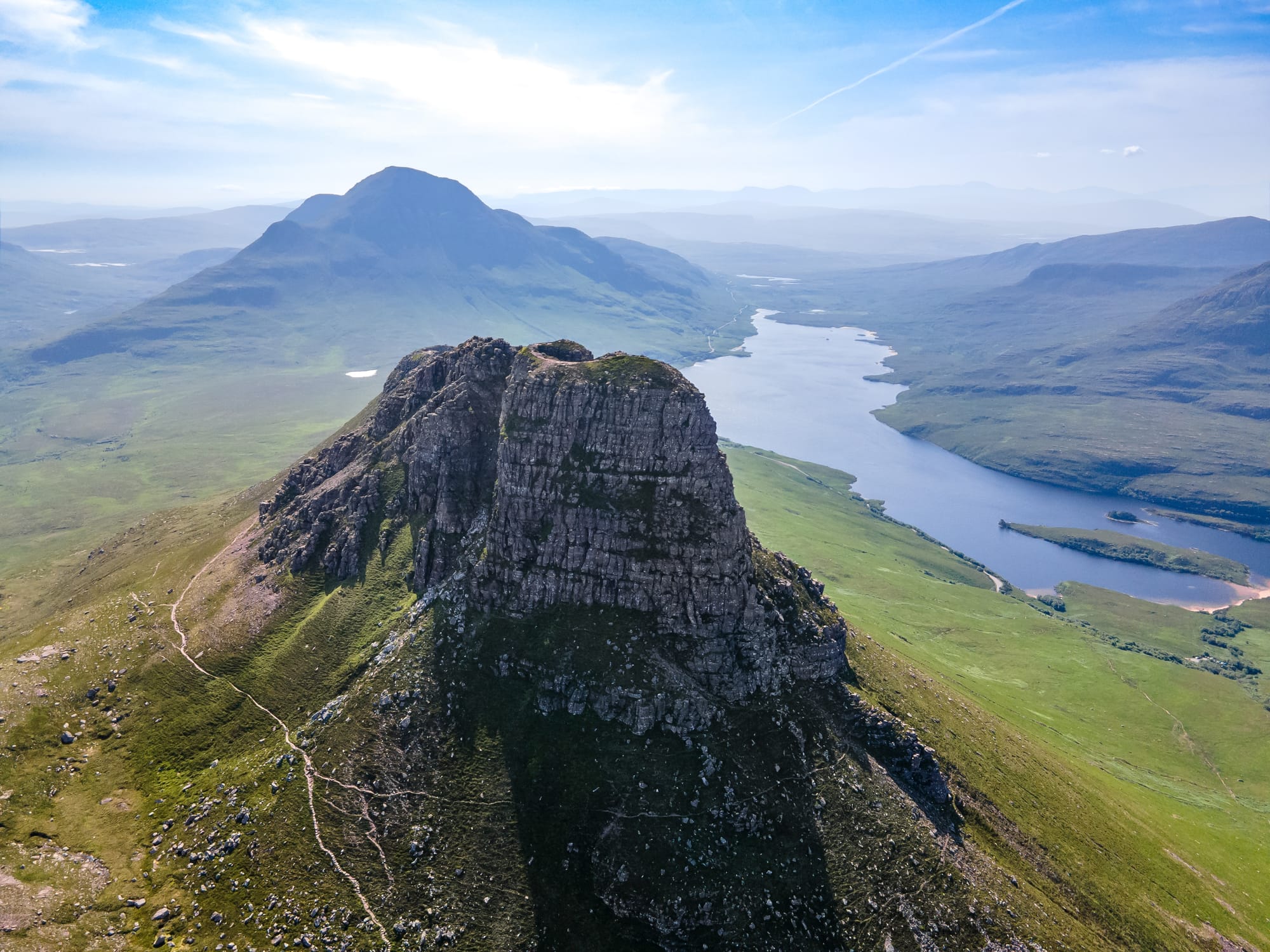
After 3.3km (2 miles), the path forks; bear right and follow the radio static sound of crashing water. There’s a steep stone path down to the falls if you’d like a closer look, but take care here especially if the rocks are wet.
Return to the main path and continue for another 1.6km (1 mile) or so to reach much calmer water at Fionn Loch.
If you’re not continuing to Suilven, a stony bay on the loch’s west edge is a perfect perching place to admire the view before retracing your steps to Inverkirkaig.
3. Ardvreck Castle
The route northeast out of Lochinver follows the A837 beside deer-spotted hills and Loch Assynt, a slim loch stretching 9.6km (6 miles).
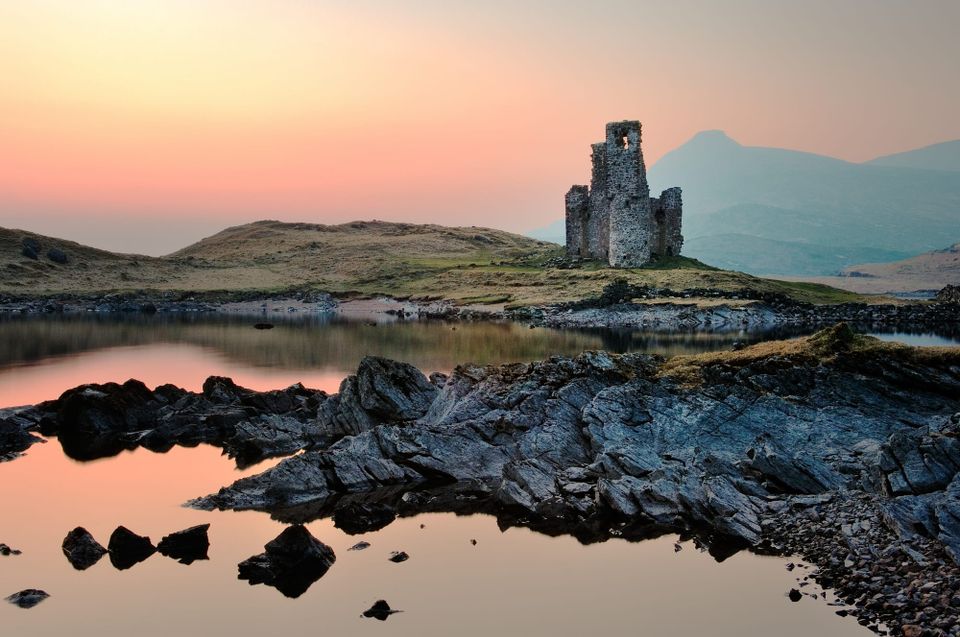
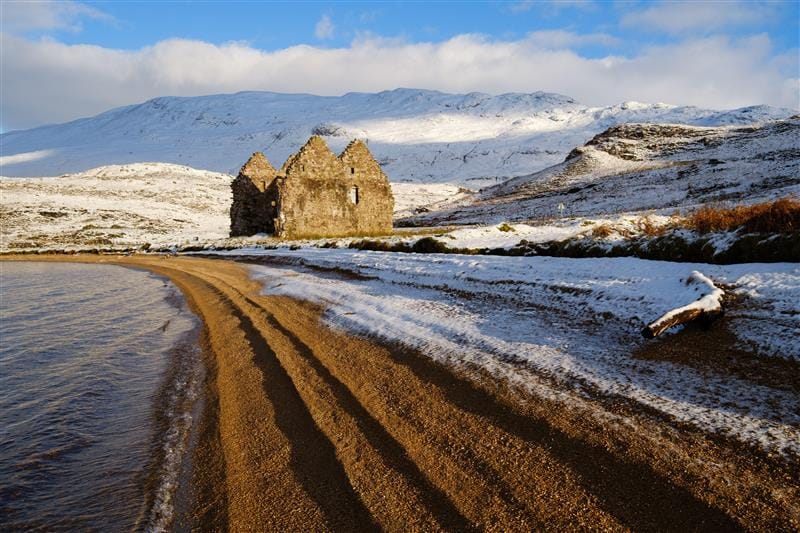
At the loch’s eastern end, a lonely ruin on a promontory draws the eye. This is Ardvreck Castle, which begs to be photographed especially when the sun’s gleaming on the water.
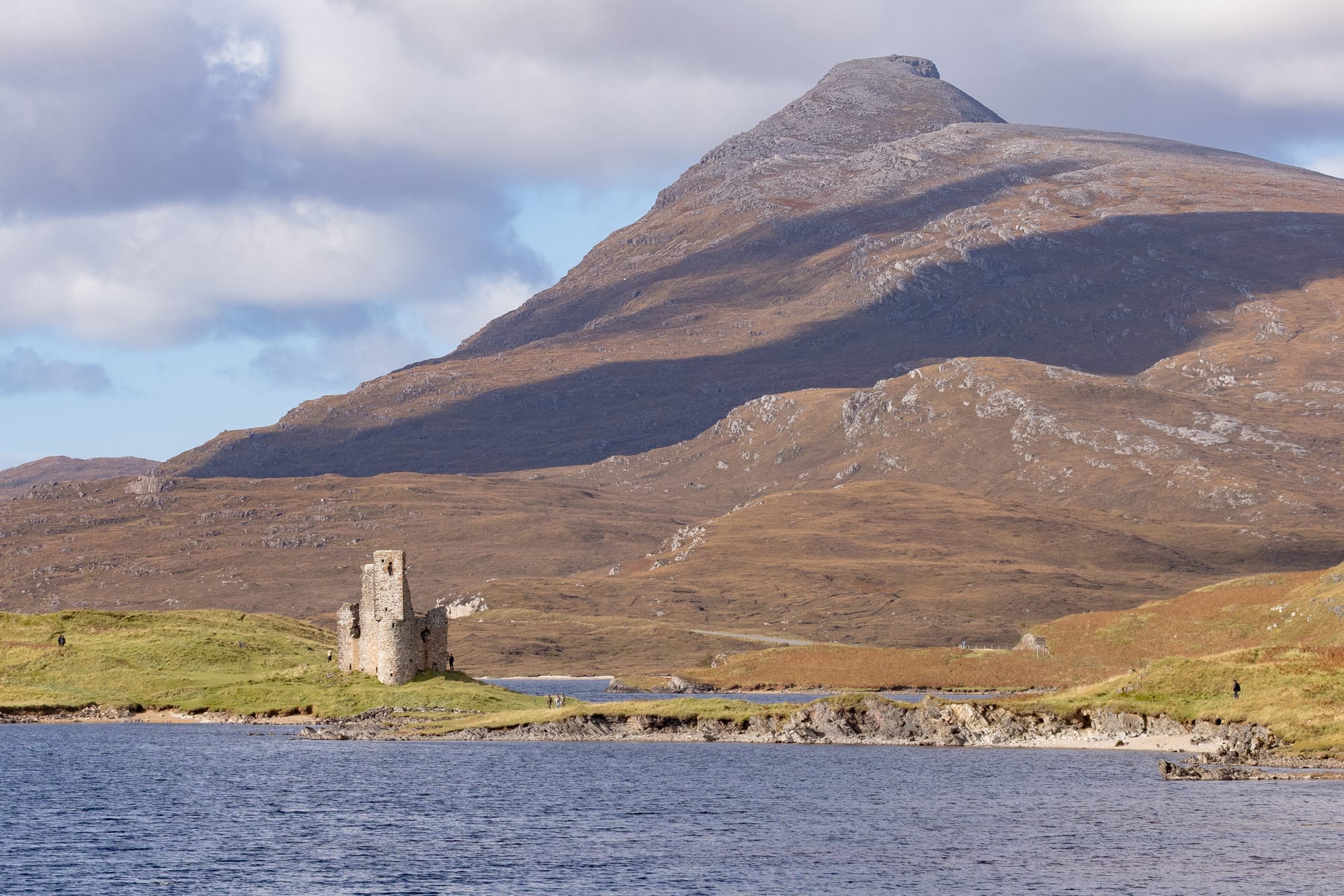
There’s a car park as well as several laybys to stop in, so you can walk the short slope down to the loch’s edge and get a better look.
Dating back to 1490, Ardvreck is now just a column of crumbled stone. Its idyllic setting contrasts with the betrayal of Highland hospitality that occurred here in 1650.
Ghosts of the Highlands
James Graham, the Marquis of Montrose, was defeated in the battle of Carbisdale and fled to Ardvreck Castle to seek sanctuary from Neil Macleod of Assynt.
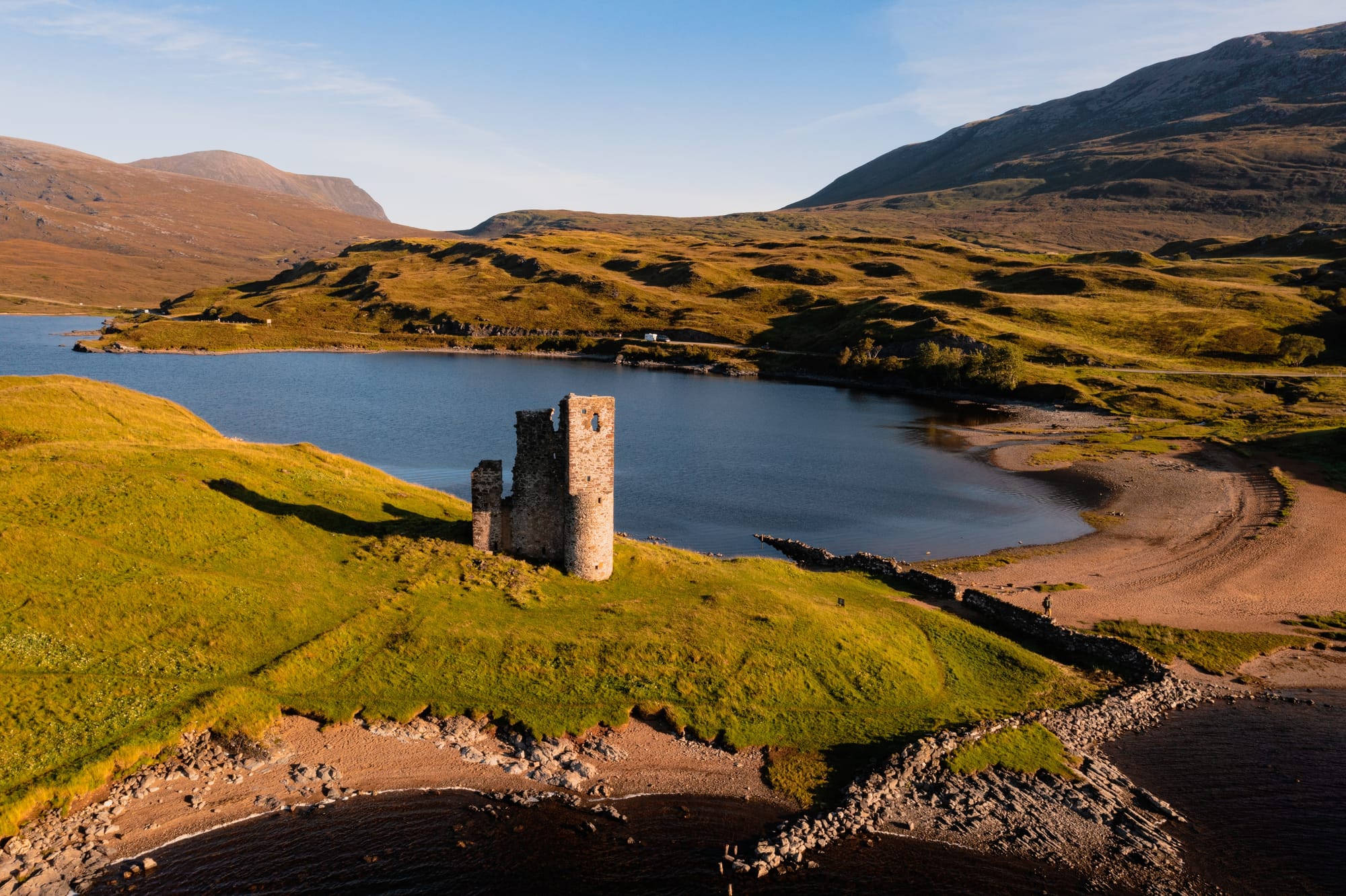
Neil’s wife, Christine, trapped Montrose in the dungeon and ratted on him to government troops. Montrose was executed in Edinburgh a few weeks later.
In 1726, parts of the castle were used to build Calda House. This more modern property burned down in 1737 and has stood in ruins ever since, just 0.8km (half a mile) from the original castle.
4. The Bone Caves
At the southeastern corner of Loch Assynt is the hamlet of Inchnadamph, and around 4.8km (3 miles) further south is the start of a walk to the Ice Age.
Britain’s last ice sheet melted some 15,000 years ago, but Assynt used to be more like the Arctic, with reindeer, wolves, lemmings, wild horses and even bears roaming the region.
The proof lies in a series of caves about 2km (1.2 miles) from the A837.
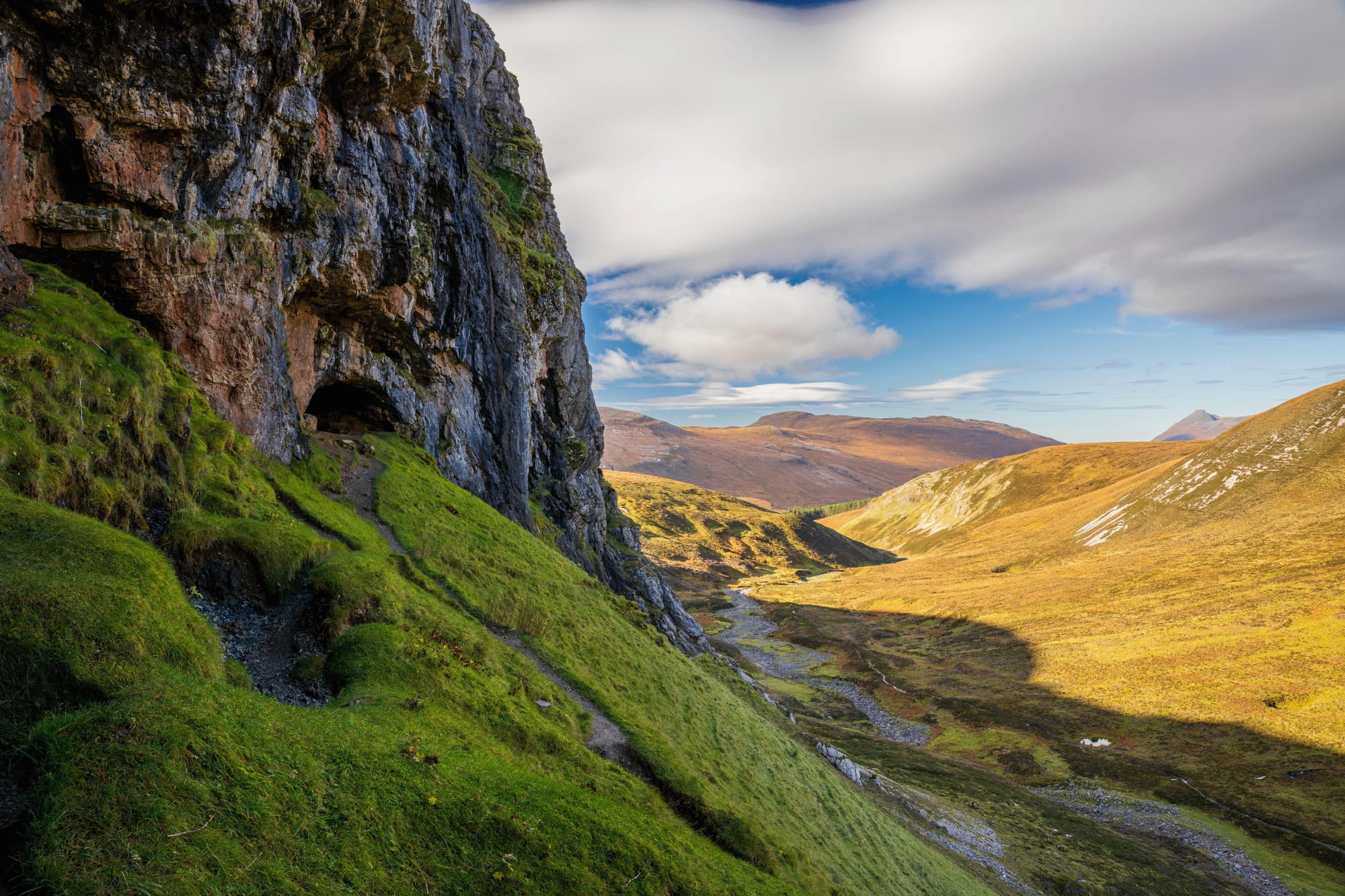
The soft limestone cliffs here began to form caves more than 200,000 years ago, when they were shaped by water.
Seeking prehistoric refuge
Glaciers swept away remains in the valley outside, but luckily those higher up the hillside were preserved inside the caves.
Today, visitors can follow an established walking route to the Bone Caves and share the sheltered space where these long-lost animals, and later prehistoric hunters, took refuge.
While walking here, be mindful of rough terrain including uneven rocks and boggy patches.
5. Knockan Crag
A visit to Lochinver would be wasted if you didn’t stare adoringly at rocks. Considered one of the best areas in Scotland for geology, Assynt has rocks so old it’s hard to even comprehend their age.
For example, a metamorphic rock called Lewisian Gneiss dates back a casual three billion years, making it the oldest rock in Europe.
It was formed under intense pressure and heat and has distinctive banding.
Many of Assynt’s mountains are made from Torridonian Sandstone, a comparative whippersnapper at a mere 1.2 billion years old.
Geology over billions of years
This ancient and geologically significant landscape is the reason the North West Highlands was granted Scotland’s first UNESCO Global Geopark status in 2004.
You can sample all this amazing geology at Knockan Crag, a National Nature Reserve just south of the village of Elphin.
It tells the whistle-stop story of how the land was shaped in a series of displays and artworks dotted along short walking trails.
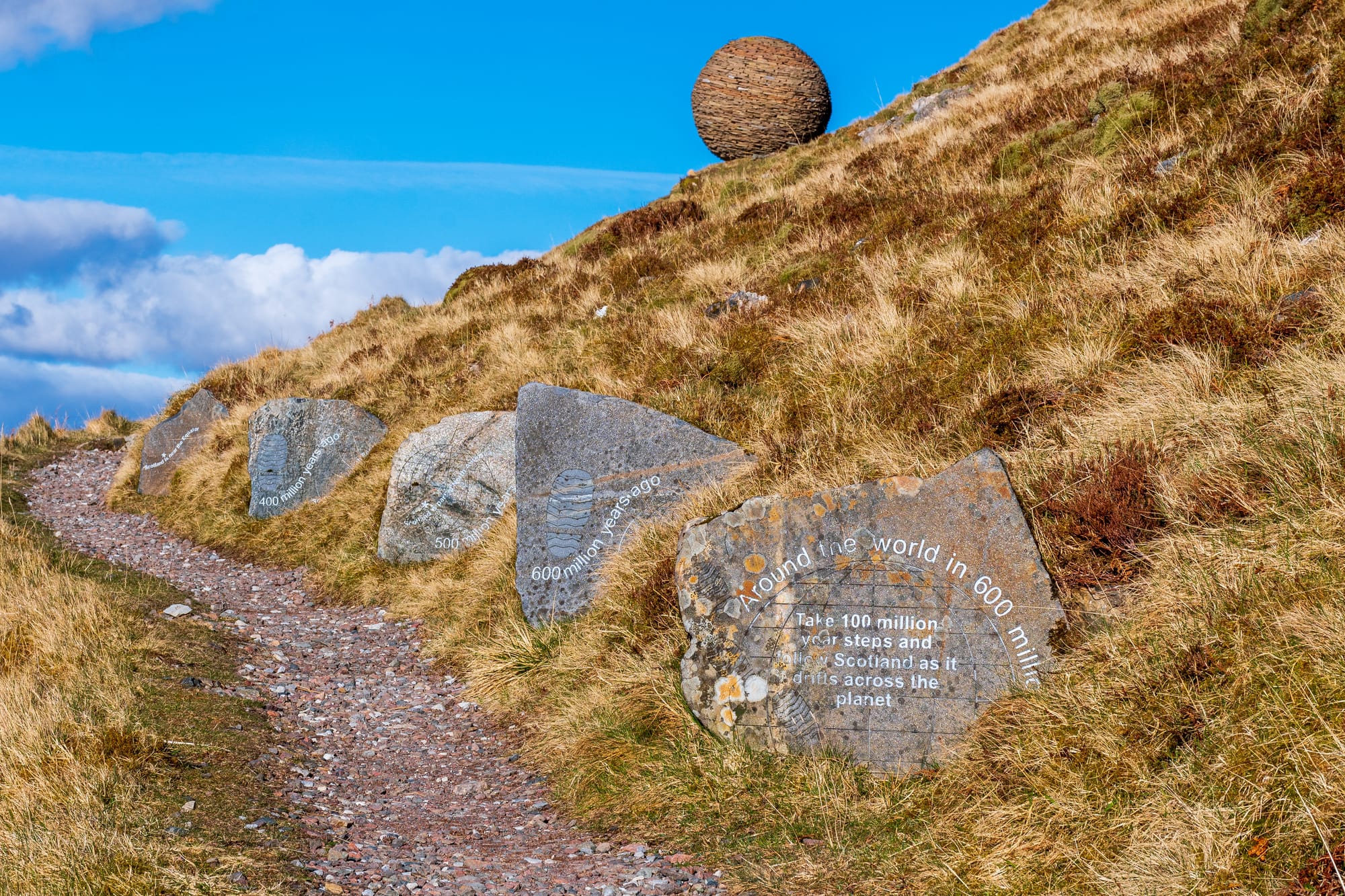
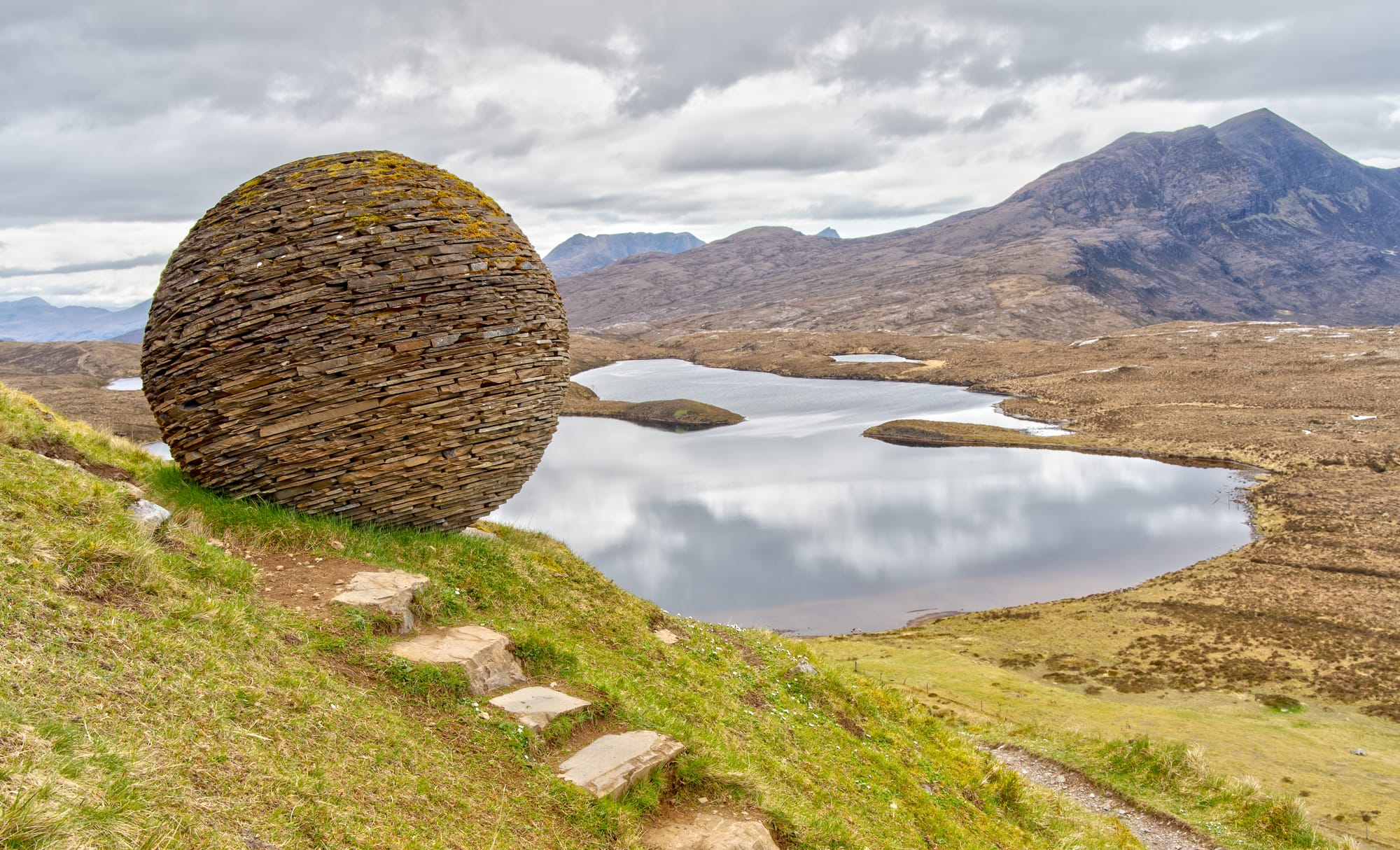
Stand on slabs carved with poetry by Scottish poet Norman MacCaig, who was inspired by the hills and lochs of Assynt. Take the Crag Top Trail to an eagle-eye viewpoint where Lochan an Ais spreads out before you.
Layers of history
The Puzzle Wall shows how rock types are layered at Knockan Crag, with much older Moine rocks bizarrely on top.
This mystery boggled geologists for years but after much debate, John Horne and Ben Peach of the British Geological Survey cracked the case.
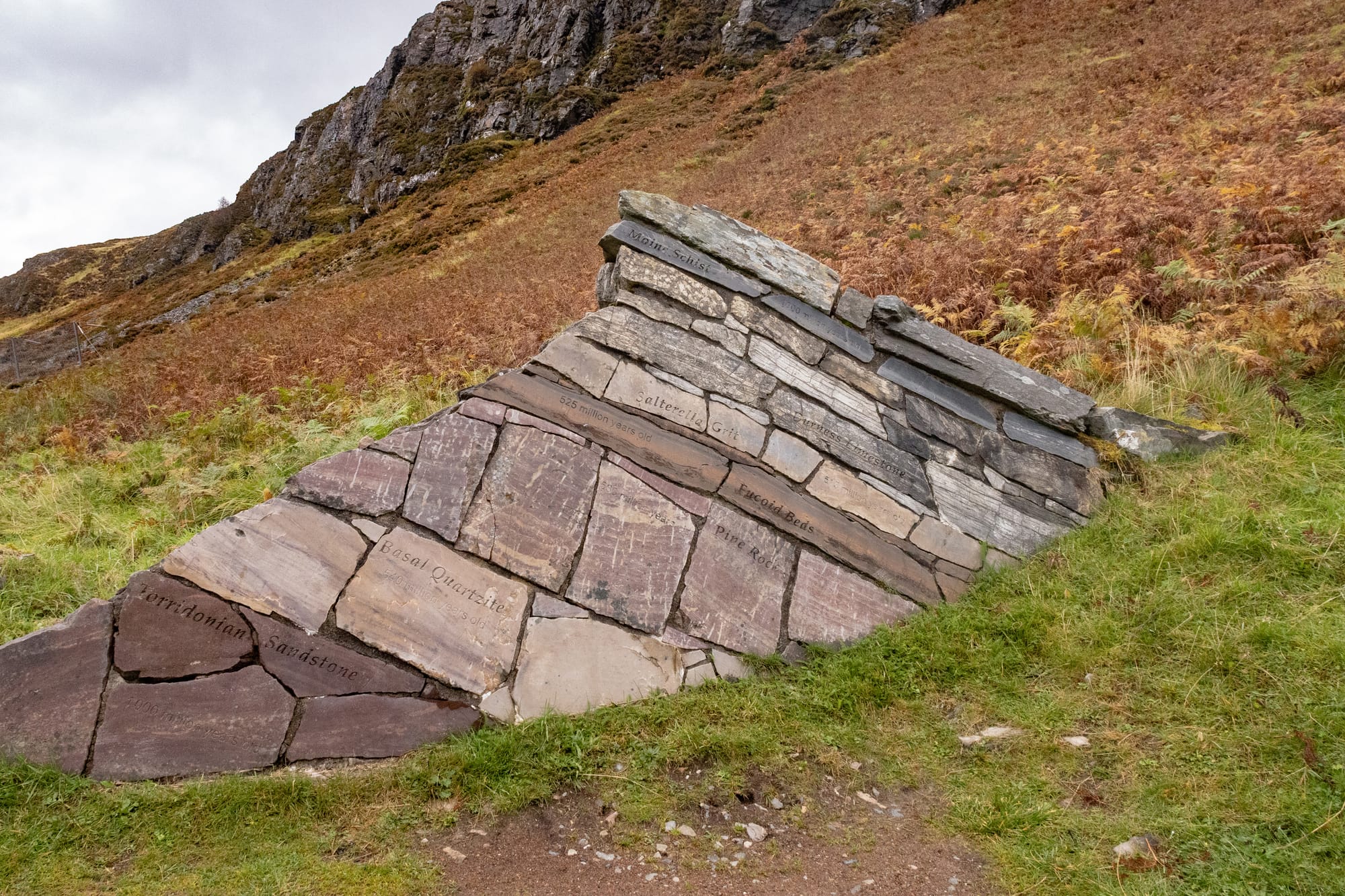
They proved that when two continents collided and formed the present-day landmass of Great Britain, the force thrust older rocks on top of newer ones. The example at Knockan Crag was named the Moine Thrust.
Bonus stop – visit Highland Stoneware Pottery!
Tucked away on Lochinver’s northern side is a factory shop where beautiful pottery is made and painted freehand by a small team of craftspeople.
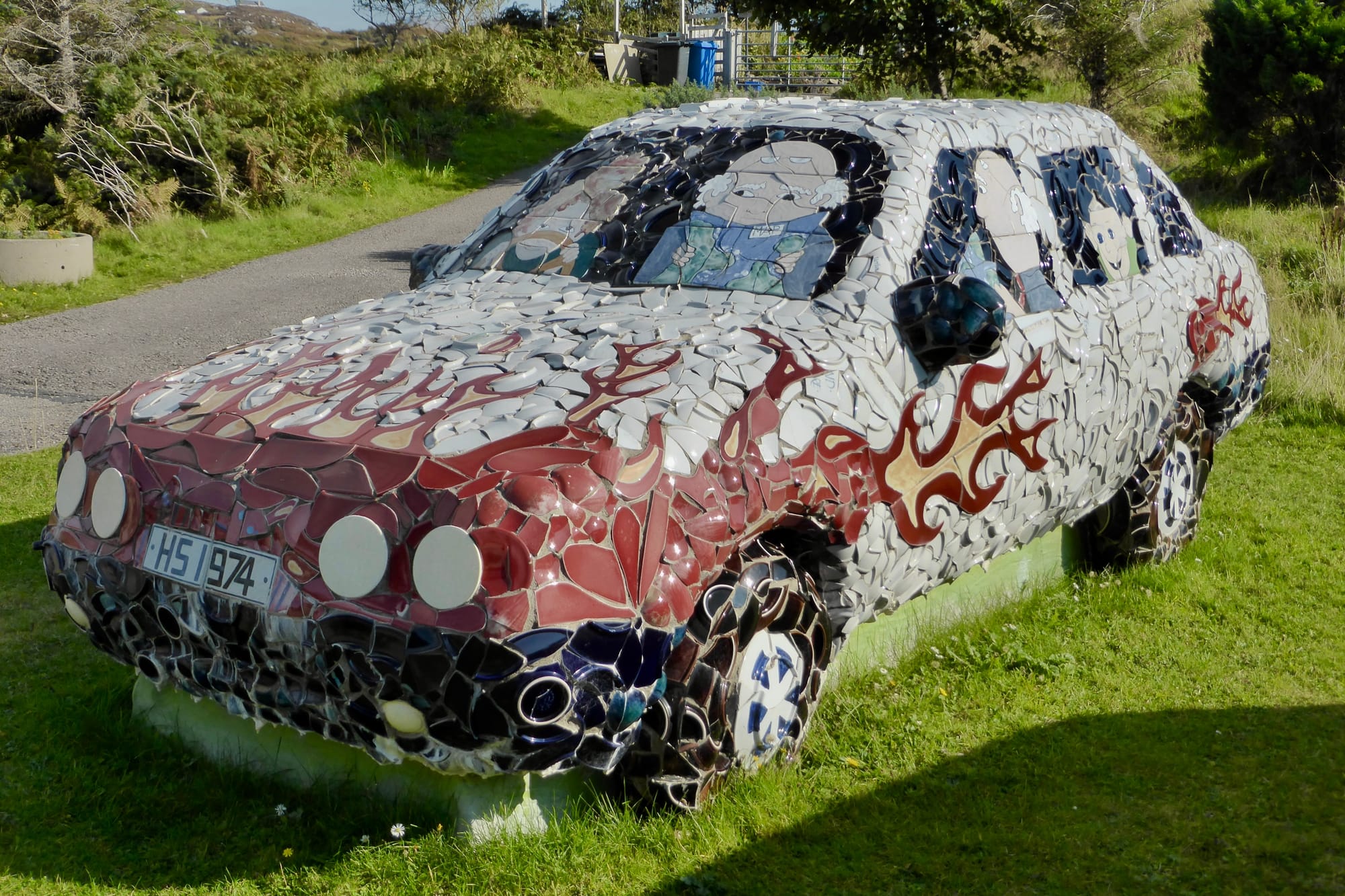
Visitors can walk through the pottery and watch the artists at work, as well as buy unique bowls, mugs, teapots and more. There is a sister shop in Ullapool.
Head to their website for more information.
📸 Rebecca Gibson, Shutterstock, Alamy, Adobe Stock.
Scots Snippet
Word of the Week
"Chuckies"
(n.) - stones.
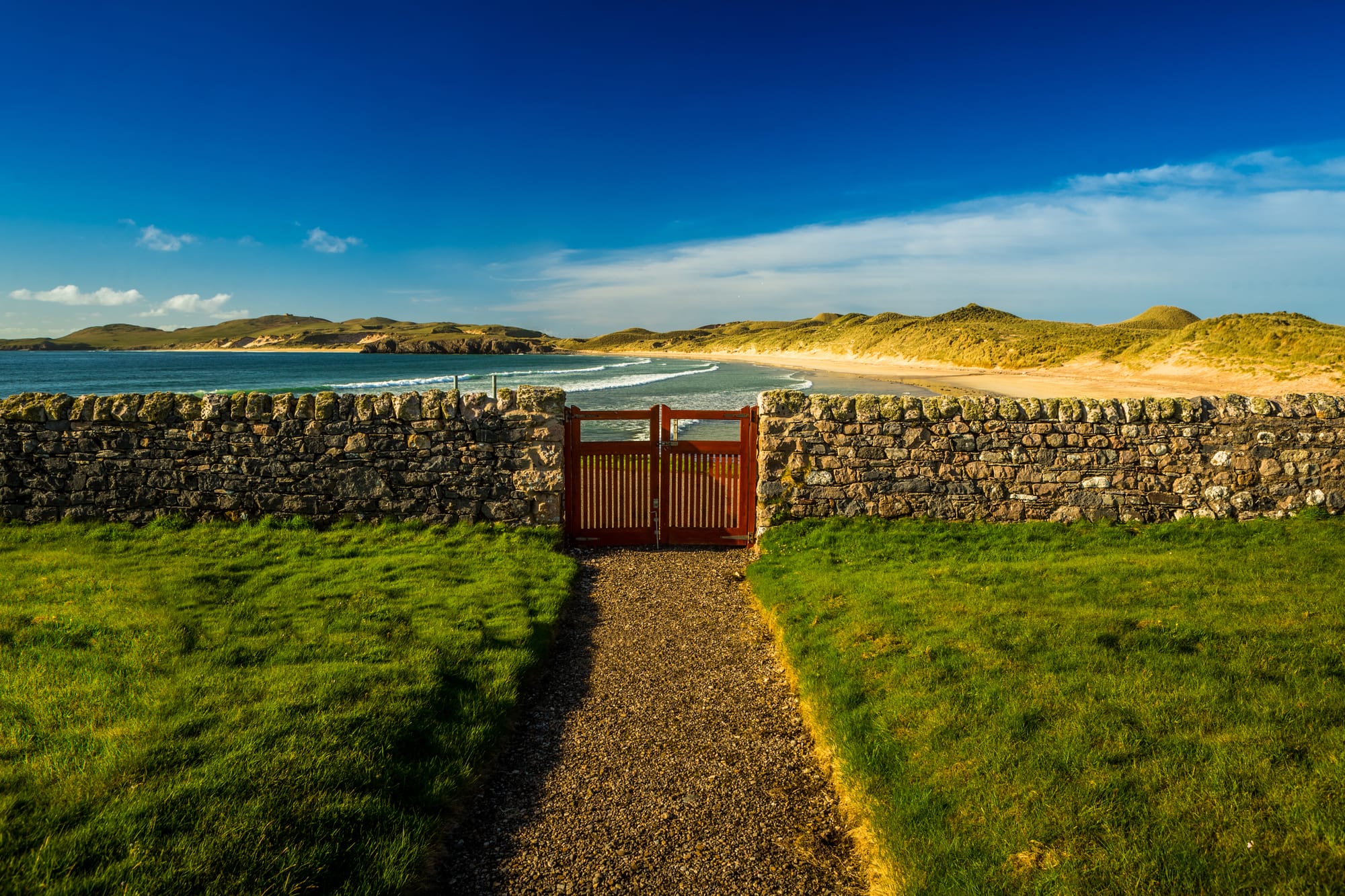
Small stones – such as ones lining a path – are known as chuckies. While not as grand as the ancient stones at Knockan Crag, we love that they have their own name!
Can't get enough of Gallivant? Head to our Instagram to see behind the scenes at our launch night🎉

Member discussion