8 min read

A tour of Edinburgh with Mary, Queen of Scots
Join us as Daniella Theis explores Edinburgh's fascinating streets with historian Rosemary Goring, visiting the sites central to Mary’s life – inspired by the Queen's final letter written hours before her execution.
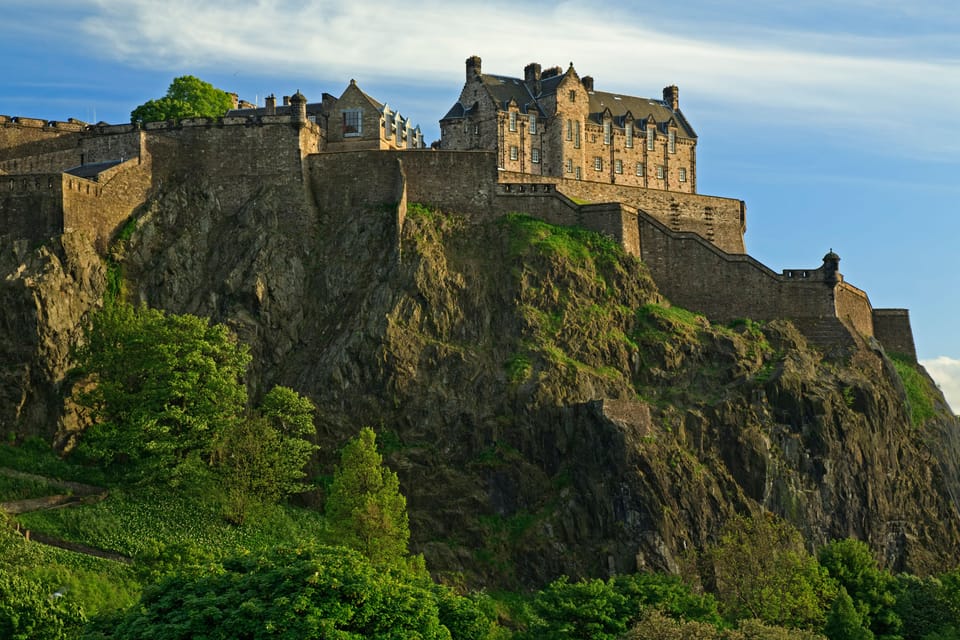
Edinburgh Castle sits atop Castle Rock with greenery growing on the slopes and a park below.
Mary, Queen of Scots spent time at Edinburgh Castle for safety.

LATE one night, at 2am on February 8, from a sparse room that had become her prison cell for months, a woman penned her last words and final will.

“I am to be executed like a criminal”, she wrote to her brother-in-law.

Six hours later, she was dead; executed by her captors at only 44 years old and after 19 years in captivity.

The year was 1587, and the woman was Mary, Queen of Scots, who remains one of Scotland's most beloved but also most controversial figures.
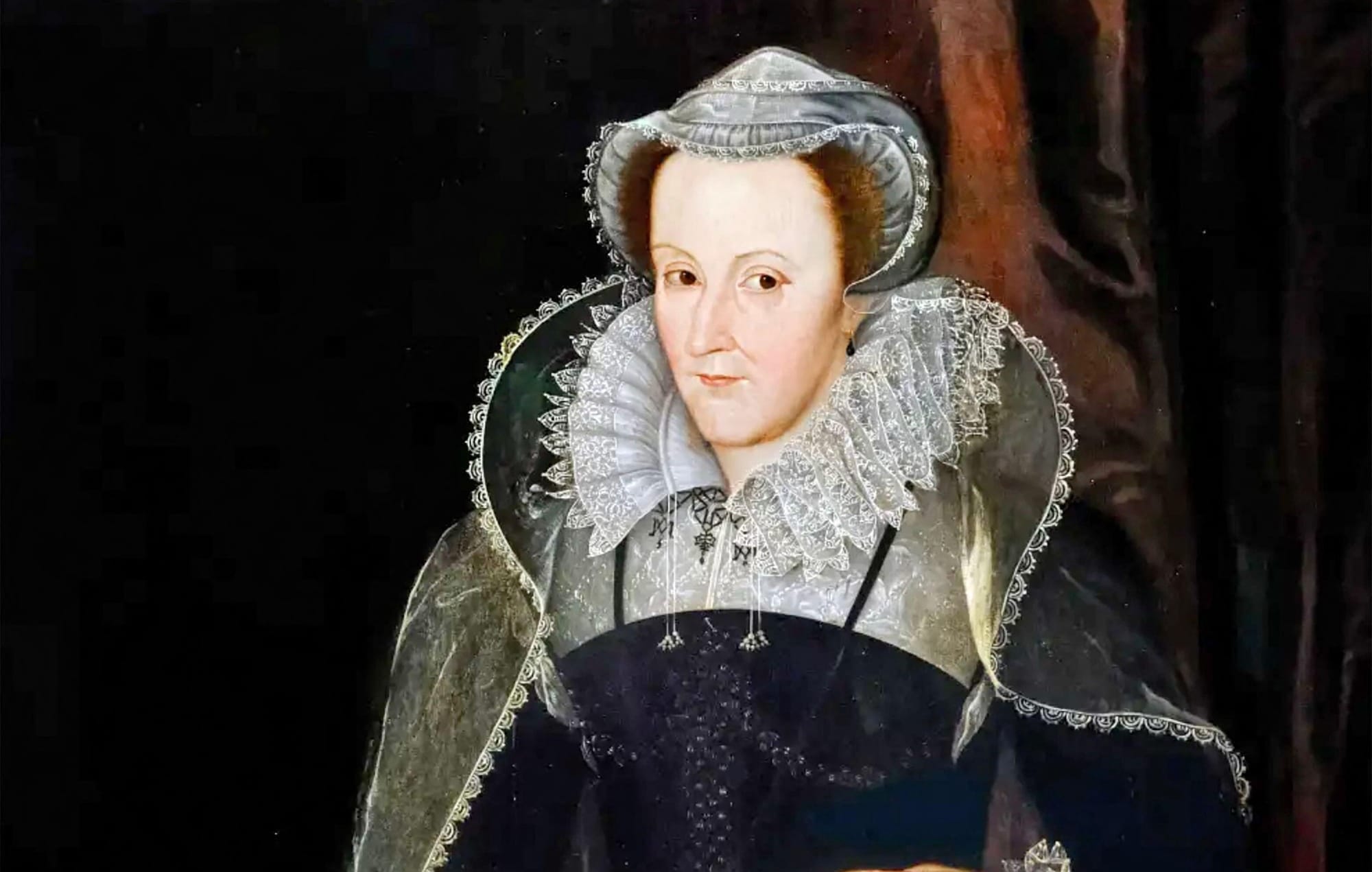
A portrait of Mary showing her trademark auburn hair and in dark robes.
A portrait of Mary showing her trademark auburn hair.

More than four centuries later, traces of her life still exist in the places she moved through – if you know where to look.

Walking through Edinburgh’s cobbled Old Town, it isn’t hard to envision a life from centuries ago or to imagine Mary herself passing through these same streets.
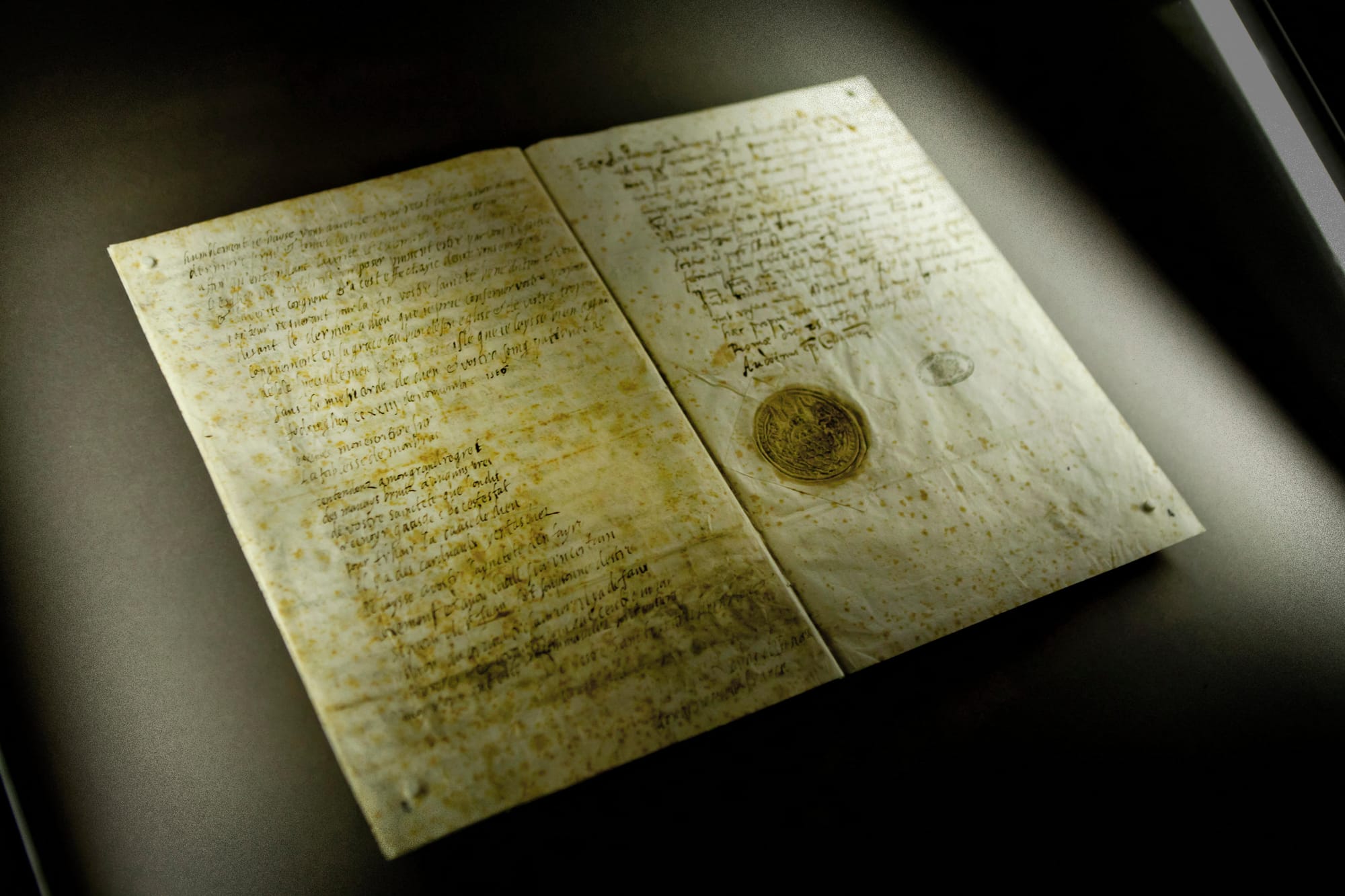
A historic letter sits on a dark background. The pages are yellowed and the handwriting is in brown ink.
The last letter by Mary, Queen of Scots, written 439 years ago, is currently on display outside of Edinburgh for the first time.

This year, to celebrate the 100th anniversary of the National Library of Scotland, Mary's last letter is on display again, now at Perth Museum – the first time it has been shown outside Edinburgh – until April 26.

I have always been fascinated by Mary but, admittedly, had never spent time looking at her life in detail.

When I heard about the letter on display in Perth, it sparked a newfound interest and an opportunity for me to get to know Mary better.
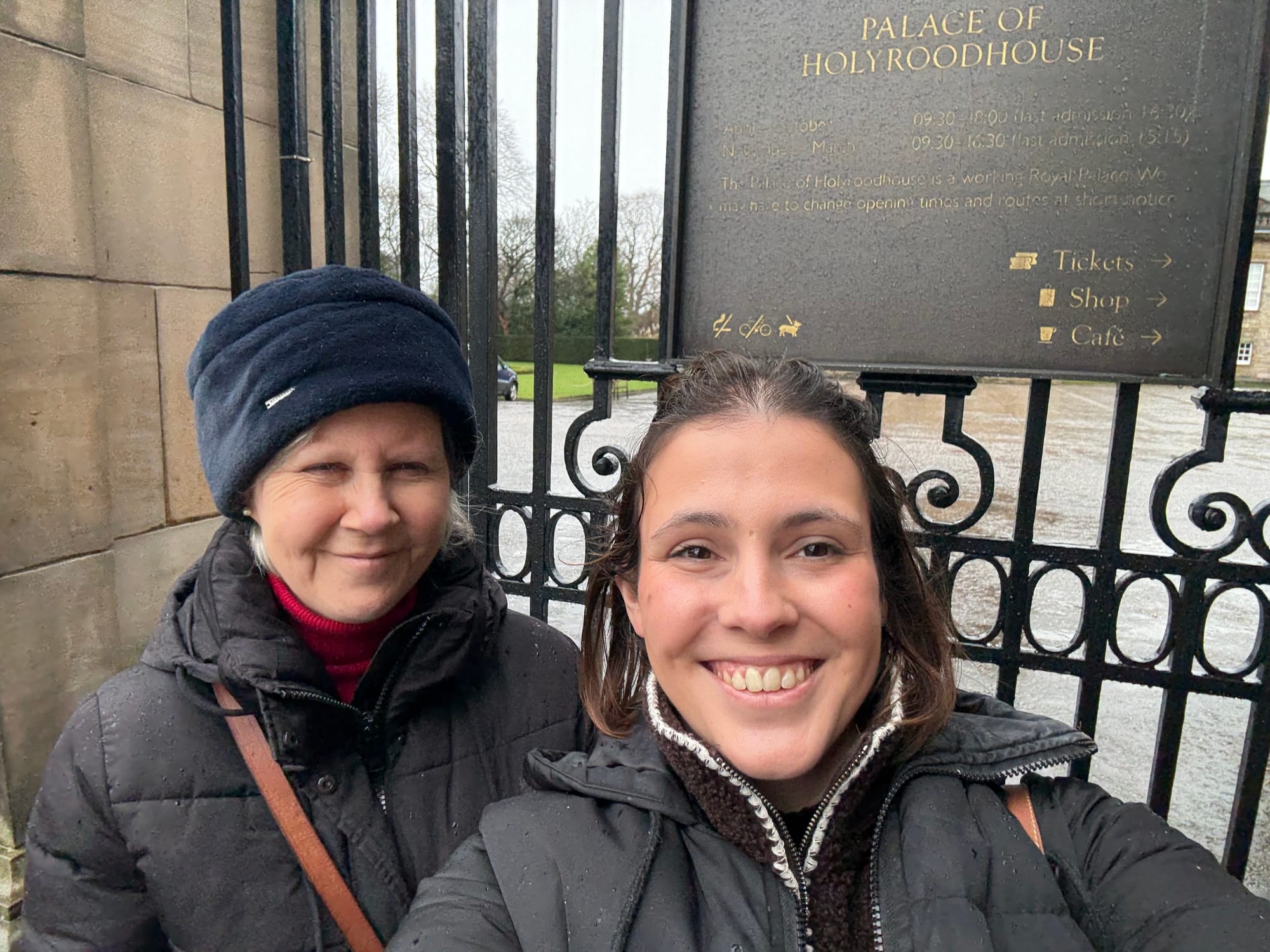
Author Rosemary Goring and journalist Daniella smile for a selfie.
Author Rosemary Goring (L), who has written two books on Mary, and journalist Daniella (R).

Visiting sites with author Rosemary Goring

I met up with author Rosemary Goring in Edinburgh, the city Mary returned to reign after spending her childhood in France.

Before we hit the trail, I asked what is it that makes Mary’s legacy so enduring for so many.
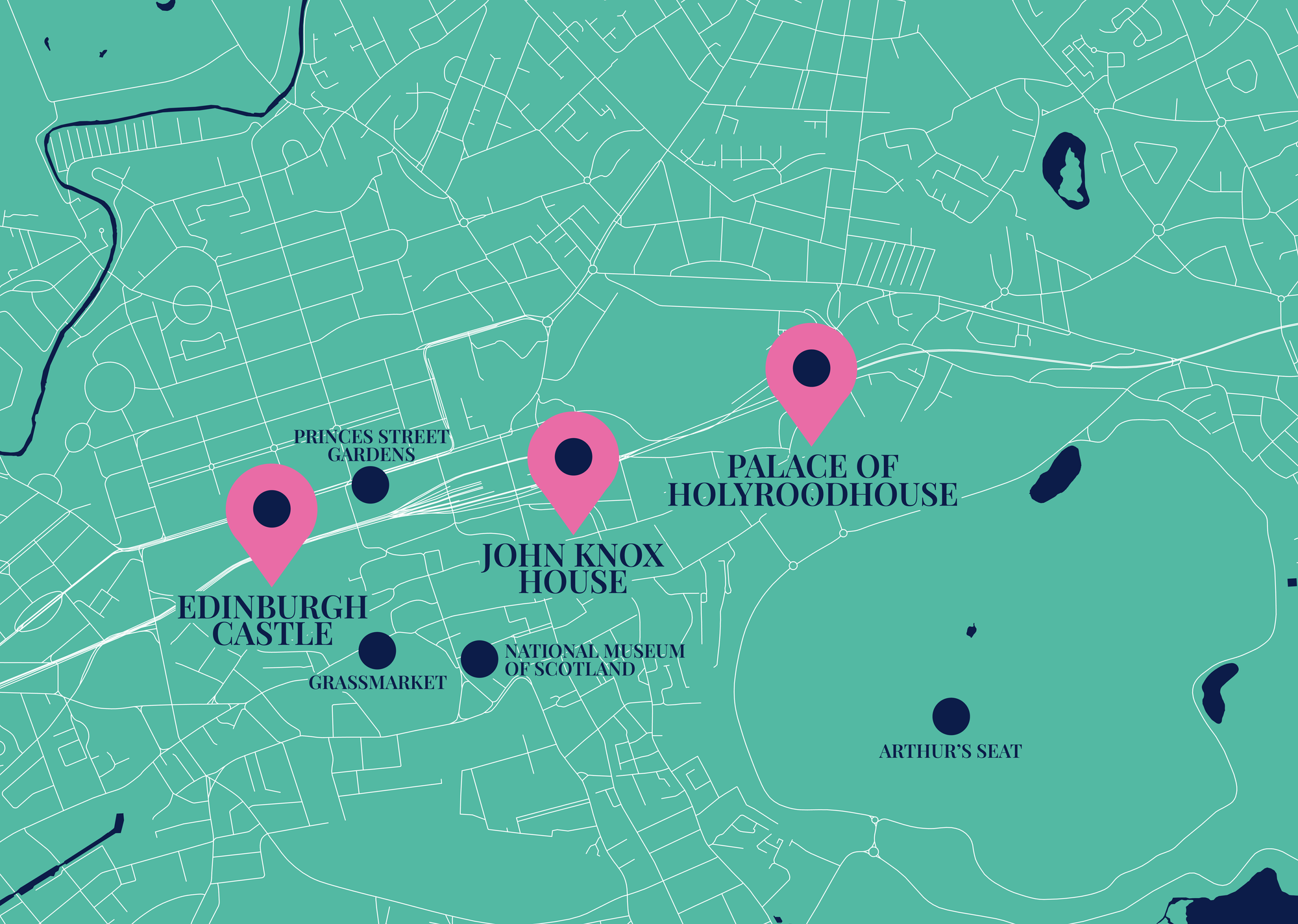
A map of Edinburgh highlighting Edinburgh Castle, John Knox House and the Palace of Holyroodhouse.
A walk through Edinburgh and the sites that shaped Mary, Queen of Scots' legacy.

Why Mary, Queen of Scots matters

Partly, it is her dramatic backstory: only six days old when she became Queen of Scotland after her father’s death, sent to France to grow up in safety.
Widowed there at 18, then returning home to a divided, newly Protestant Scotland hostile to her Catholic faith.

At home, she soon butted heads with people – Protestant reformer John Knox, Lords that did not accept her reign, and some of her subjects.

"You wouldn't want to get on the wrong side of her," Rosemary explains.

"But by and large, she was an extraordinarily generous, kind and very likeable individual. But if you crossed her, that would not be so good."

A sketch of Mary being forced to abdicate at Lochleven Castle after Lords rebelled.

Eventually, however, political intrigue, strained marriages, and rebellion forced her abdication. Fleeing to England, she was imprisoned by Elizabeth I, her cousin, for 19 years due to having a legitimate claim to the English throne.

"Mary's greatest fear was being murdered," Rosemary says.

"Some said Elizabeth should just have had her murdered while she was in prison and people would just have accepted that she'd committed suicide.

Mary's fear of staged suicide

"Of course, the last thing she wanted was to have been accused of suicide because that was against her religion."

Ultimately, she was executed for treason in 1587 for her alleged involvement in trying to kill Elizabeth.

"She wanted to be a Catholic martyr. She kind of began to mould her image towards that in the later years."

An illustration of Mary at her trial in Fotheringhay Castle in February 1587, where she was sentenced to death.
Mary at her trial in Fotheringhay Castle in February 1587, where she was sentenced to death.

"She's a person who so divides opinion that I think people still can't quite decide what kind of woman she was," Rosemary adds. "I think that keeps her story going.

"A lot of people are on either on Mary's side tremendously or completely against her."

The entrance to Edinburgh Castle from the Royal Mile and the castle in the background.
Edinburgh Castle became Mary's home after she left Holyrood Palace in 1567.

Rosemary’s books, Homecoming – which looked at Mary's time in Scotland – and Exile – which covers her imprisonment – take readers through Mary's story through the locations she spent time in, all of which Rosemary visited herself.

“I wanted to look at the locations because I think when you're actually in the places you just see history differently,” Rosemary says.

“Something chemical happens to you when you see them. There is a difference to knowing about Edinburgh Castle and walking through the portcullis or seeing the room she gave birth in.”

Following in Mary's footsteps

Holyrood Palace in Edinburgh.
Holyrood Palace is still used by King Charles during visits to Scotland today.

To understand why her story still grips us, I needed to see Scotland the way Mary once did – one place at a time – with Edinburgh being a great place to start.

Holyrood Palace

Just across from the Scottish Parliament building and with Holyrood Park and Arthur’s Seat as its backdrop, Holyrood Palace was Mary’s main residence from when she first docked in Leith after returning from France in 1561 until 1567.

Rosemary Goring outside Holyrood Palace.
Rosemary Goring has visited multiple locations for her books, including Holyrood Palace.

Yet, it was not always one that held good memories.

“She never liked being in Holyrood Palace,” Rosemary says.

“The town would have been really smoky and even though they put slaughterhouses to the outside of the town near the river, it would have still been a very smelly, stenchy place.”

A side view of Holyrood Palace through the gates, showing the turret in which Mary's chambers would have been.
David Rizzio was taken from Mary's chambers (second window in the the turret on the right).

One vital turning point that would mark the end of Mary’s time here was the murder of her secretary David Rizzio in her chambers by her second husband, Lord Darnley.

Mary, who was heavily pregnant at the time, then fled to stay at Edinburgh Castle.

John Knox House

Only a few hundred yards away from Holyrood Palace, stands the 15th-century building that was once the home of Scottish Protestant Reformer John Knox.

Exterior view of John Knox House in Edinburgh, which today houses the Scottish Storytelling centre.
Today John Knox House is both a museum and the Scottish Storytelling Centre.

Knox was a large part of the Scottish reformation, but he was also a staunch adversary to Catholic Mary, and often held sermons against her.

"The first time he met Mary at Holyrood, it was not a successful meeting," Rosemary says. "He basically told her that if a ruler did not rule well, the people had every right to get rid of them – and he did not mean push them to one side.

An illustration of John Knox.
John Knox.

"It is interesting that, although Mary was absolutely astounded by someone talking to her like this, she did have some respect for him, and they met again at a later occasion.

"But Knox really, essentially, was an uncrackable enemy. They would never see eye to eye on anything about religion."

Edinburgh Castle

Rosemary Goring outside of the entrance to Edinburgh Castle on The Royal Mile.
Mary gave birth in one of the top rooms on the left.

"This is where Mary came for safety some weeks before she gave birth to her son James VI,” Rosemary says.

"Mary was in labour, and it was a very difficult labour, they cast a spell so that her labour pains would be taken over by one of her lady in waiting," she says.

"It didn’t work actually, but there was nothing thought terrible about doing something superstitious or, if you like, witchy about it.

The decoration of the Witches' Well, a monument to Scotland's murdered witches outside Edinburgh Castle, with flowers in the foreground.
The Witches' Well, a monument to Scotland's murdered witches outside Edinburgh Castle.

"The irony is that James VI became the great hammer of the witches and was obsessed with them. Where we’ve just gone past is where they would burn witches. It’s a shameful part of our history."

Mary's life beyond Edinburgh

There are other Scottish locations with connections to Mary. Linlithgow Palace where she was born, Lochleven Castle where she abdicated, and Hermitage Castle in the Borders, where she would visit Lord Bothwell, her third husband, for example.

However, there are also many important locations during Mary's 19 years in captivity in England, places Rosemary covers in her book Exile.

A plaque to Mary outside what once was Fotheringhay Castle, of which only rubble remains, reading "In memory of Mary Stuart, Queen of Scots, beheaded in the great hall of Fotheringhay Castle February 8, 1586/7.
A plaque to Mary outside what once was Fotheringhay Castle, of which only rubble remains.

"We all know the end and we don't think much about those years, which is half of her life almost," she describes.

"The second part of her life is much more like Tinker Tailor Soldier Spy. It's a story of treachery and deceit, plots that go wrong and lying to the back of the teeth, whether you're Elizabeth or Mary."

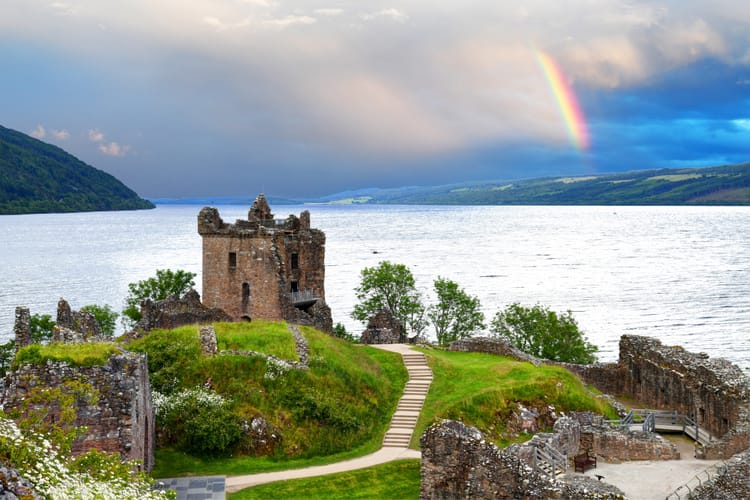
A castle on a small island with a boat jetty in the middle of a blue loch.
Lochleven Castle.

Rosemary believes fascination with Mary will last.

"I think for a lot of women, she stands as somebody who stood her ground.

"She refused to become a victim. I think people take a lot of hope and inspiration from that."

"I admire her tremendously now, having seen exactly what she went through."


Learn more...

Homecoming and Exile by Rosemary Goring are both available now.

The Perth Museum exhibition is free to enter and will run until April 26, with some additional events taking place until then, too.

📸 Adobe Stock, Alamy, Shutterstock


Read on into The Scots Magazine's archives!

From the Vault: Valentine’s Day
Beth McHugh discovers a song of young love from 1756 in The Scots Magazine’s archives.

Scots Snippet

Word of the Week
A couple stand with their arms around each other with grassy hills in the background.

"Jo"

(n.) - a sweetheart.

We hope you're planning to spoil your jo this Valentine's Day!


Share your Scottish love story with us on Instagram