
Following Scotland's footsteps to Nova Scotia
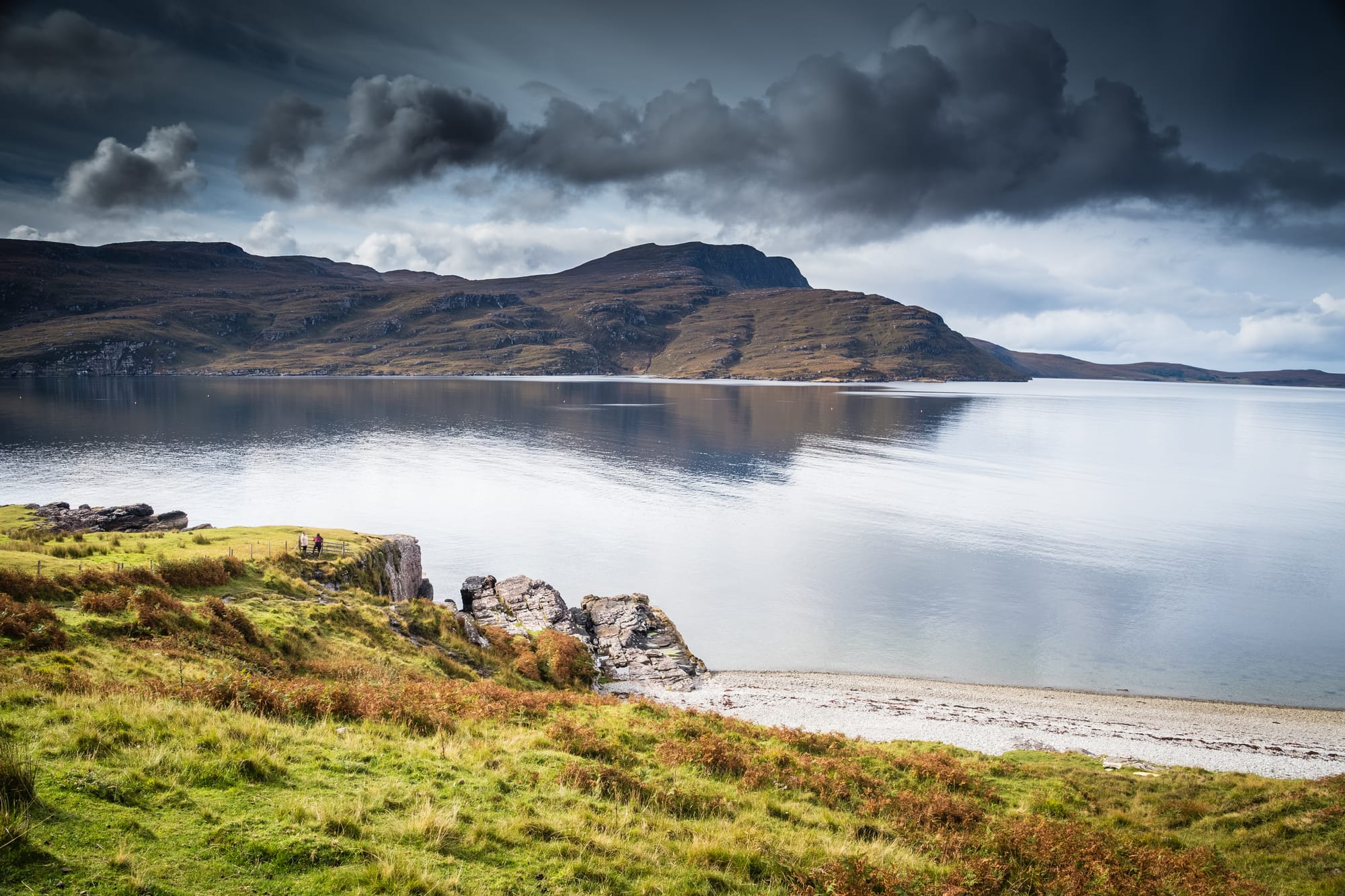
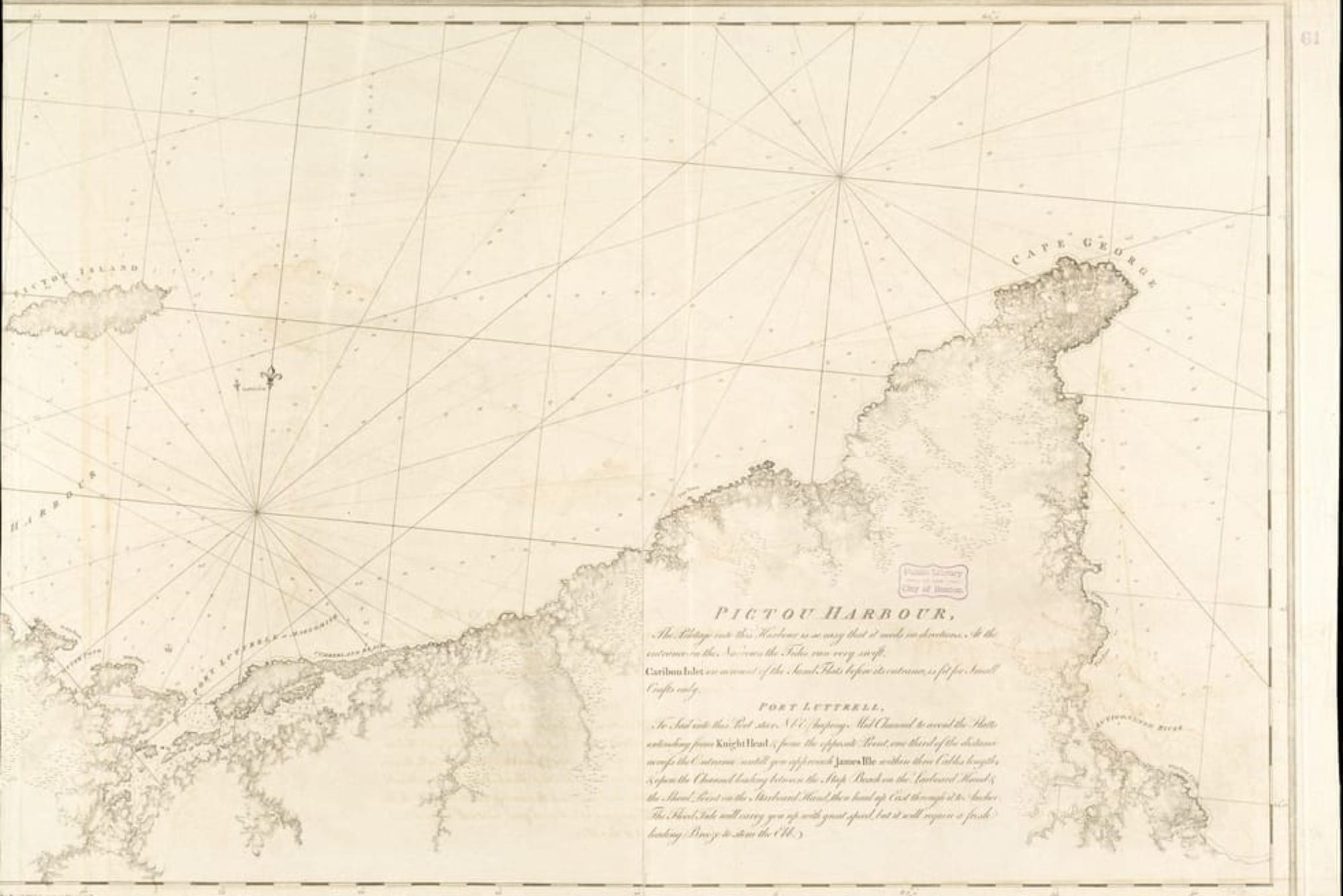
IT was late September 1773, 11 weeks after setting off from Ullapool in Scotland's north-west – leaving behind the only home they’d ever known – that 171 passengers aboard the ship Hector finally made it to dry land.
They sailed from Loch Broom on July 1, heading for Nova Scotia, one of modern day Canada's east coast provinces.
In search of New Scotland
Poverty, rising rents after the 1746 Jacobite rebellion, and the Clearances had forced the 34 Highland families from their homeland.
What lay before them was a treacherous voyage into the unknown. A desperate people hoping to build a new, better life.
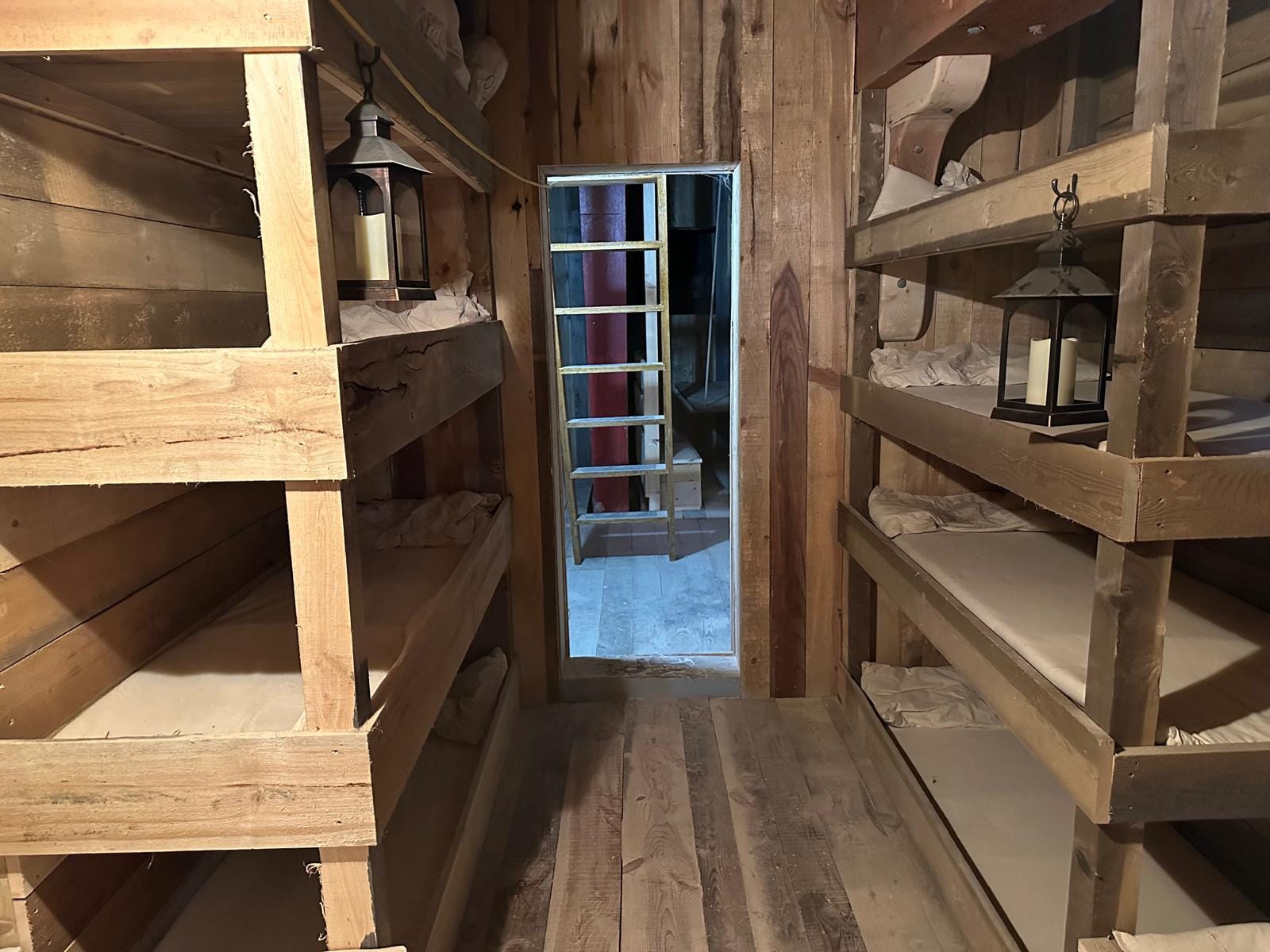
The passage was plagued by storms, forcing those on board into tiny cargo holds for long periods – the Hector was a cargo vessel, not a passenger ship. The journey would take its toll.
Eighteen people, mostly children, died from illnesses including smallpox and dysentery.
Even on arrival, their ordeal was far from over. The land was wild, unforgiving and largely unsuitable for the crofting practices they knew.
They had to start afresh; build shelter, grow new crops and live side-by-side with the indigenous Mi’kmaq. They're said to have become allies, instrumental in ensuring the Scottish newcomers survived.
The perseverance paid off. The 171 people that arrived that September would go on to form a successful settlement that would mark the beginning of mass emigration from Scotland to Canada – and build the Nova Scotia we know today.
A different kind of journey
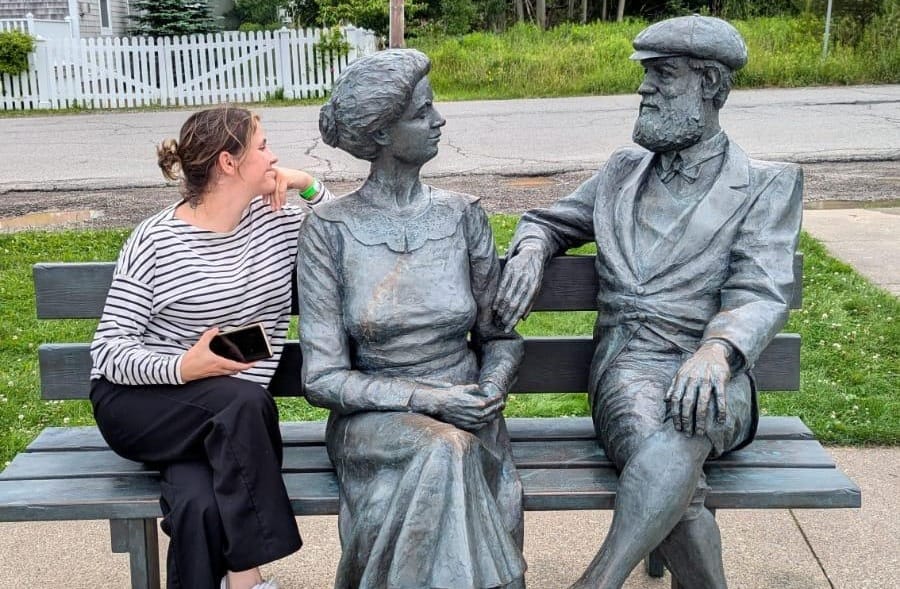
I had always wanted to go to Canada, Nova Scotia in particular, having been fascinated by Scotland's shared culture with the Canadian province.
Last July, I embarked on a five-day trip to explore these connections.
I flew from Edinburgh to Halifax, capital of Nova Scotia. My journey across the Atlantic took just six hours – a far cry from that undertaken by those that set off over 250 years ago.
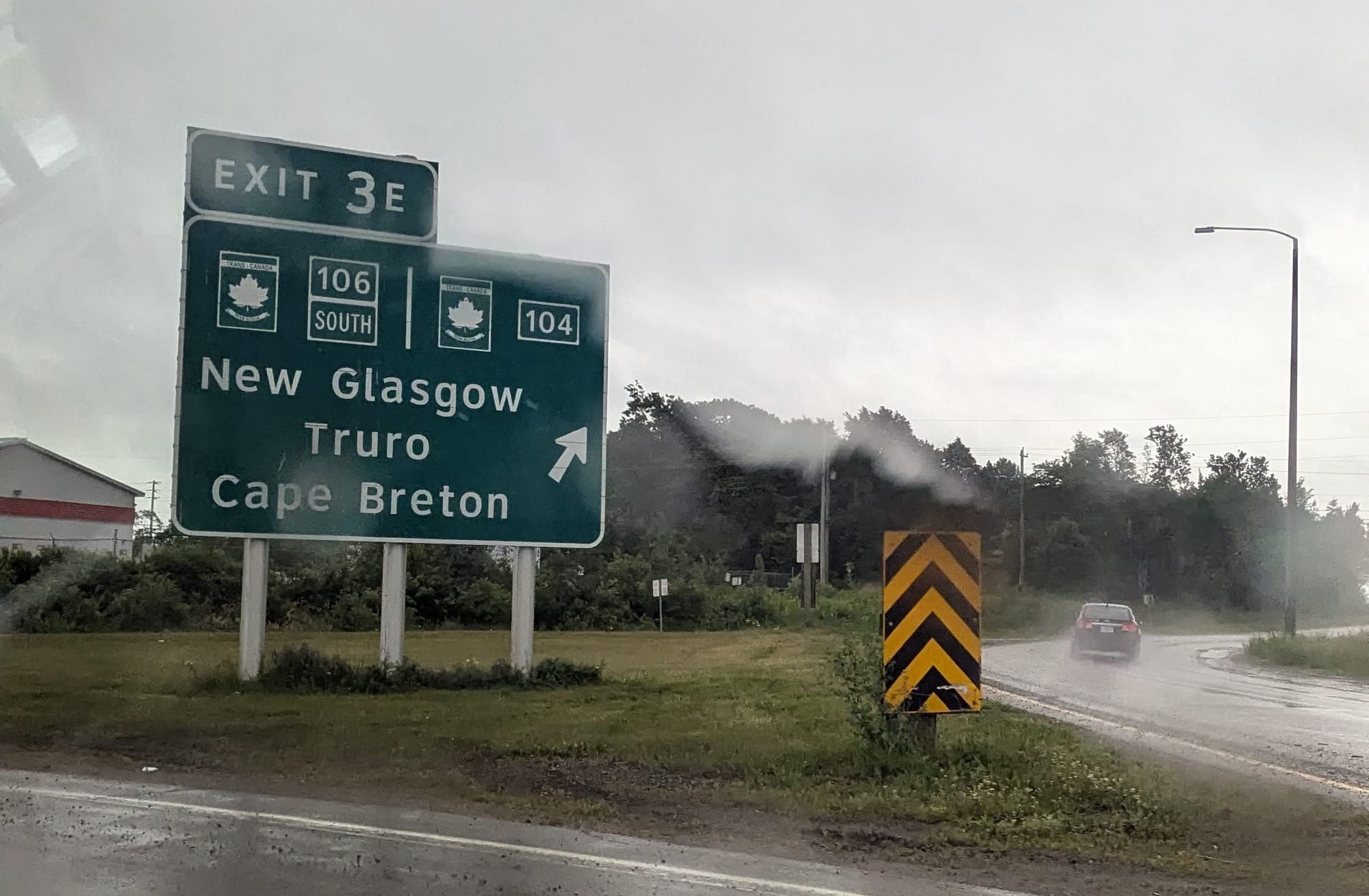
Nova Scotia is the Latin term for "New Scotland". It was coined by Scottish explorer and poet Sir William Alexander who, in 1621, was granted a royal charter by King James VI of Scotland to establish a colony in North America.
The name gained even deeper meaning as an estimated 15,000 Scots emigrated there between 1770 and 1815 alone, bringing their heritage with them.
Dotted on local maps, you today find familiar sounding towns and cities: New Glasgow, Aberdeen, Stirling, Inverness, and more.
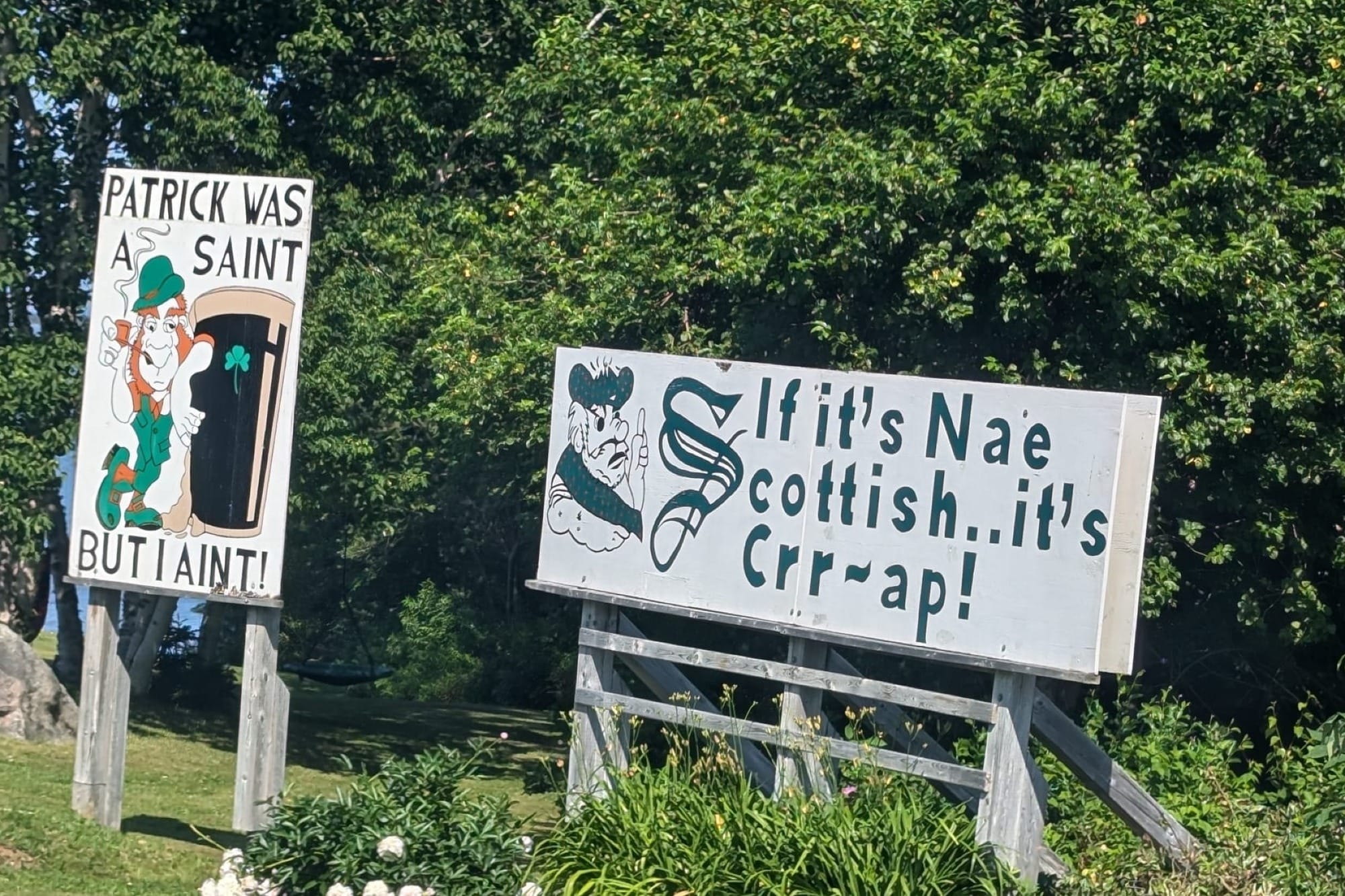
And as I was to discover, the connections between our nation and Nova Scotia extend much deeper than simple place names.
Where the story began
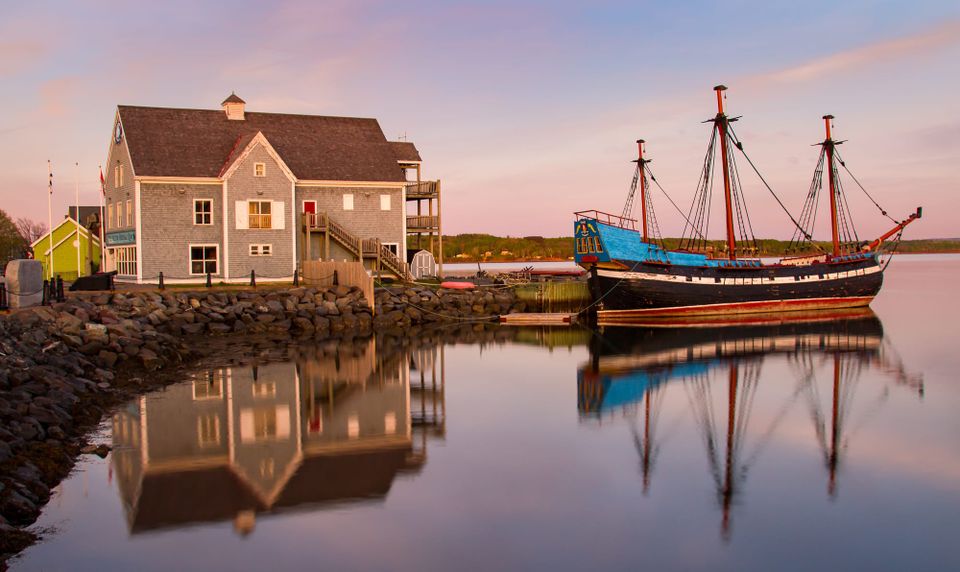
Pictou, where the initial settlers landed, was our first stop. We headed for The Hector Heritage Quay, a visitor centre that's home to a life-sized replica of the Hector at Pictou Harbour.
Restoration work on the vessel continues and it is now possible to step aboard and see what it was like for the passengers on the 1773 voyage.
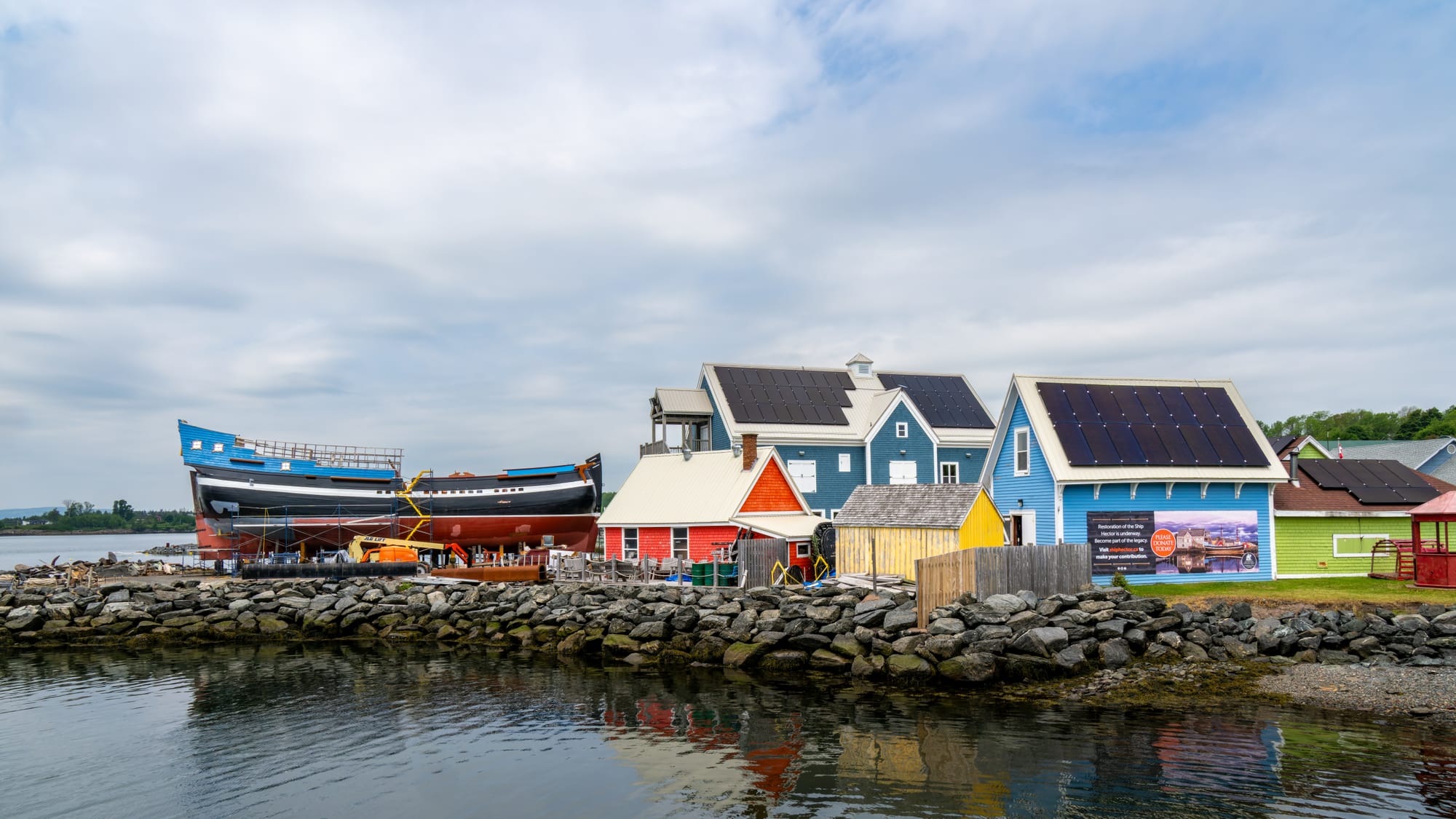
Beside it, among colourful buildings, the visitor centre houses interactive exhibits detailing the Scots’ journey and stories.
On entering, we were greeted by a wave of tartan – one for each of the 34 families that left Scotland, as well as one called "Ship Hector", designed by a local artist.
Below, plaques share names I know all too well: MacDonald, MacLeod, Mackenzie, Cameron, Douglas.
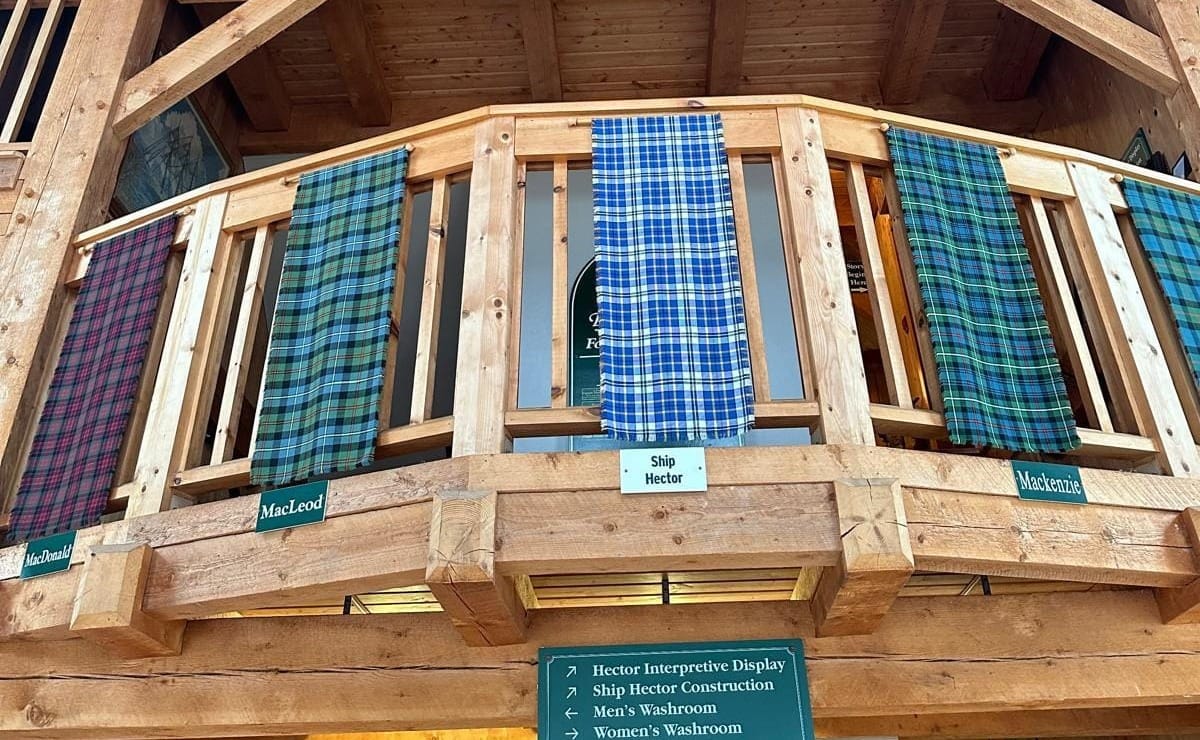
“These are all still names you find in the area today,” Rebecca Whiffen, one of the volunteers taking us round that day, said.
Aside from the centre, there is also the nearby McCulloch Genealogy Centre and museum for those wanting to take an extra deep dive into their ancestry.
Plus, the area is home to Antigonish Highland Games, the oldest annual Highland Games held outside of Scotland.
Scotland's legacy, Nova Scotia's identity
Over the next couple of days, our journey took us to Cape Breton Island. There, I learned not just how Scots shaped Nova Scotian culture, but also how the area has developed its own identity .
Even our base there, the North Star hotel, has a Scottish link. Its owners are Scots TV personalities Colin and Justin, known for shows like The Million Pound Property Experiment, How Not To Decorate and Colin & Justin’s Wedding Belles.

Justin explained to us how Nova Scotia has become his home. No stranger to entertaining, Justin even sang a song by late Nova Scotian singer Rita McNeil to guests during dinner – something that happens regularly, apparently!
A short drive from North Star, we explored the Fortress of Louisbourg, where live re-enactments depict the colonial struggles between the French and British, which ended in 1763, when French territories were ceded to the British Empire through the Treaty of Paris.
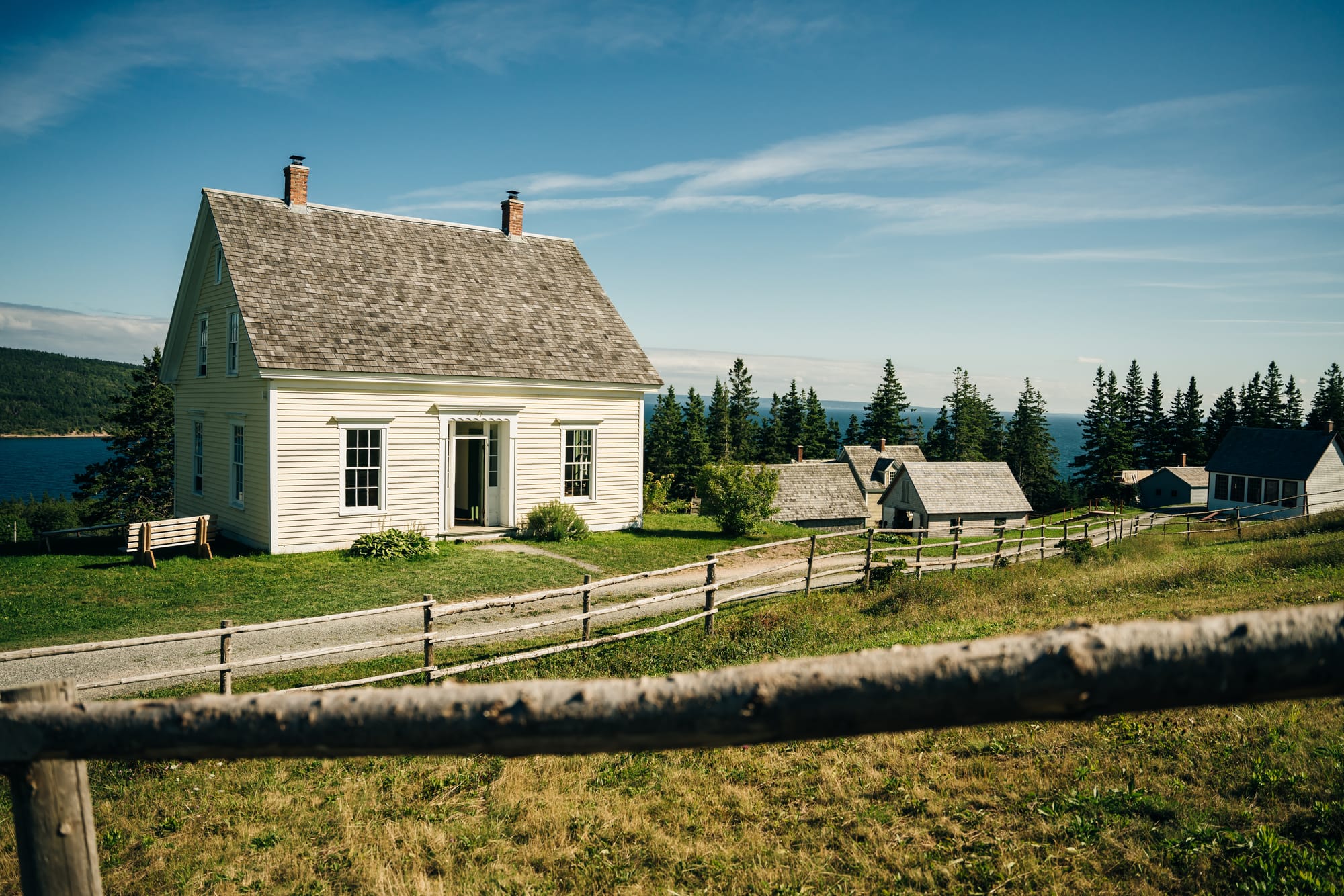
The Highland Village in Iona – another live history museum with actors and reconstructed huts – is a must-see. It showcases the story and culture of Nova Scotian Gaels, past and present.
In 1900, up to 100,000 Nova Scotians spoke Gaelic as their first language. Today numbers are lower, but estimates suggest that between 1,000 and 2,000 people in the province speak or are learning Gaelic still.
This shared, but also distinct culture, was echoed when we visited the Celtic Music Interpretive Centre.
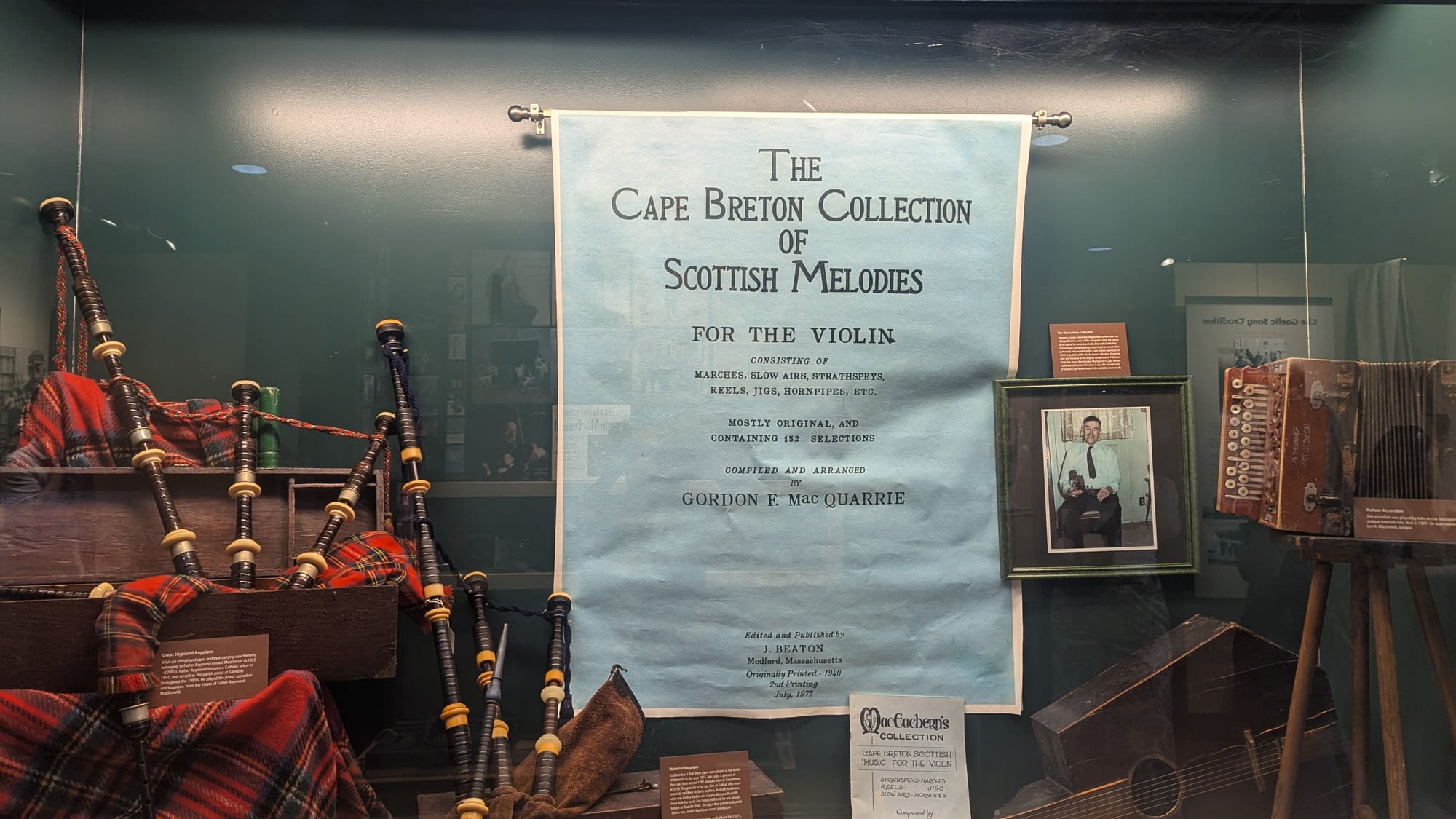
The exhibition showcases artists and music influenced by Scottish roots (including the late Runrig frontman and singer Bruce Guthro, who was born in Cape Breton Island), and the centre runs regular Sunday Ceilidhs for locals and visitors to join.
One of our final stops that day before heading back to Halifax, and our eventual return home, was in Baddeck.
There, a dedicated museum shares the life and legacy of famous Scots inventor Alexander Graham Bell. He and wife Mabel made Nova Scotia their permanent home after falling in love with the scenery. It's said to have reminded him of his native Scotland.

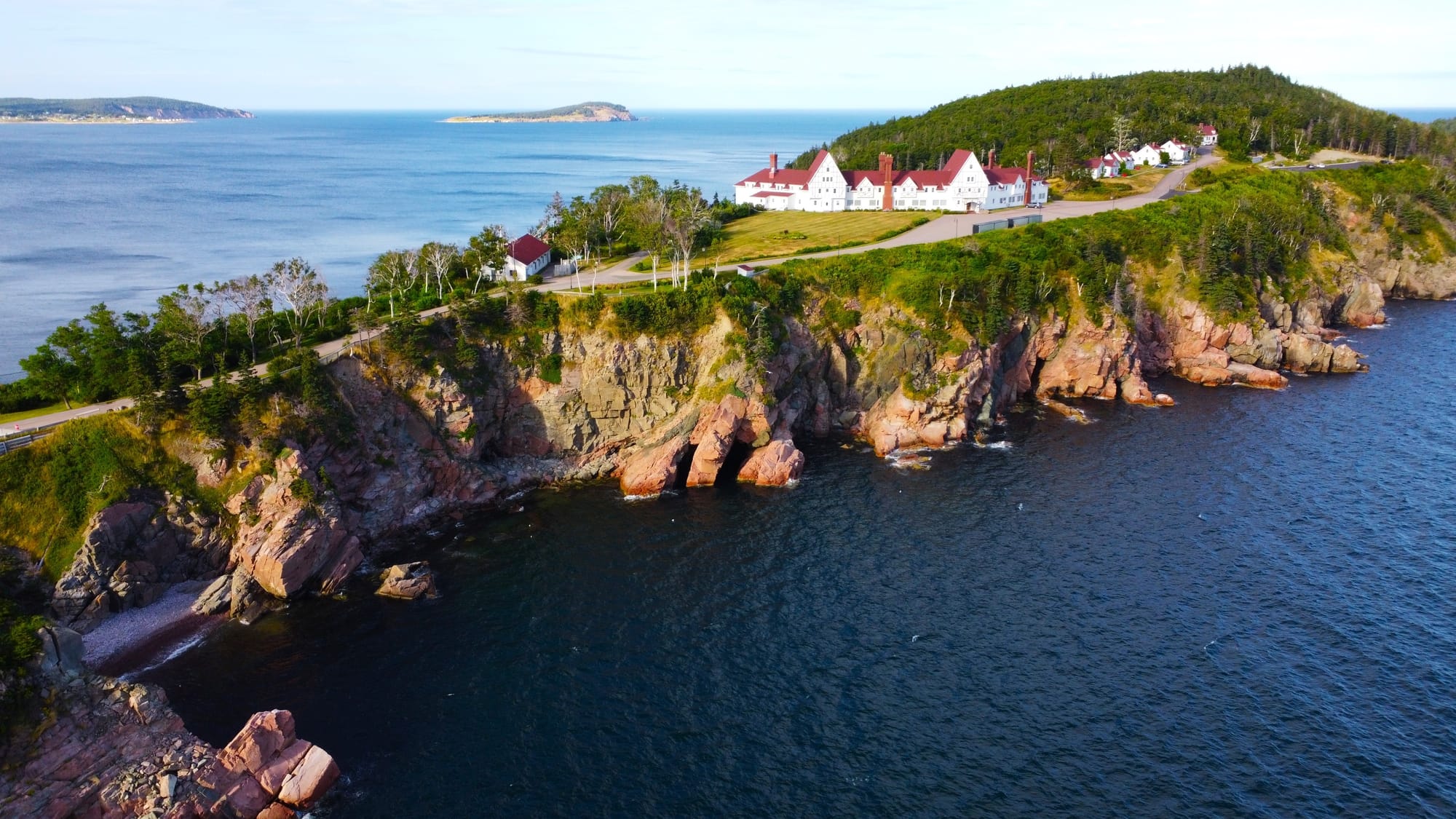
On the way back to the capital, I waved goodbye to some of the incredible Cape Breton scenery. Even from the car, I marvelled at the blue waters and mountains along The Cabot Trail, a dedicated 298 km (186 mi) driving route.
But there were two more pitstops we were determined to make to get our final flavour of Nova Scotia.
Another unexpected link I discovered was a very delicious one – Nova Scotia's seafood is just as renowned as Scotland's!
I had my first-ever oyster, which was delightful, but it's lobster that really holds a special place in Nova Scotians’ hearts (and bellies).
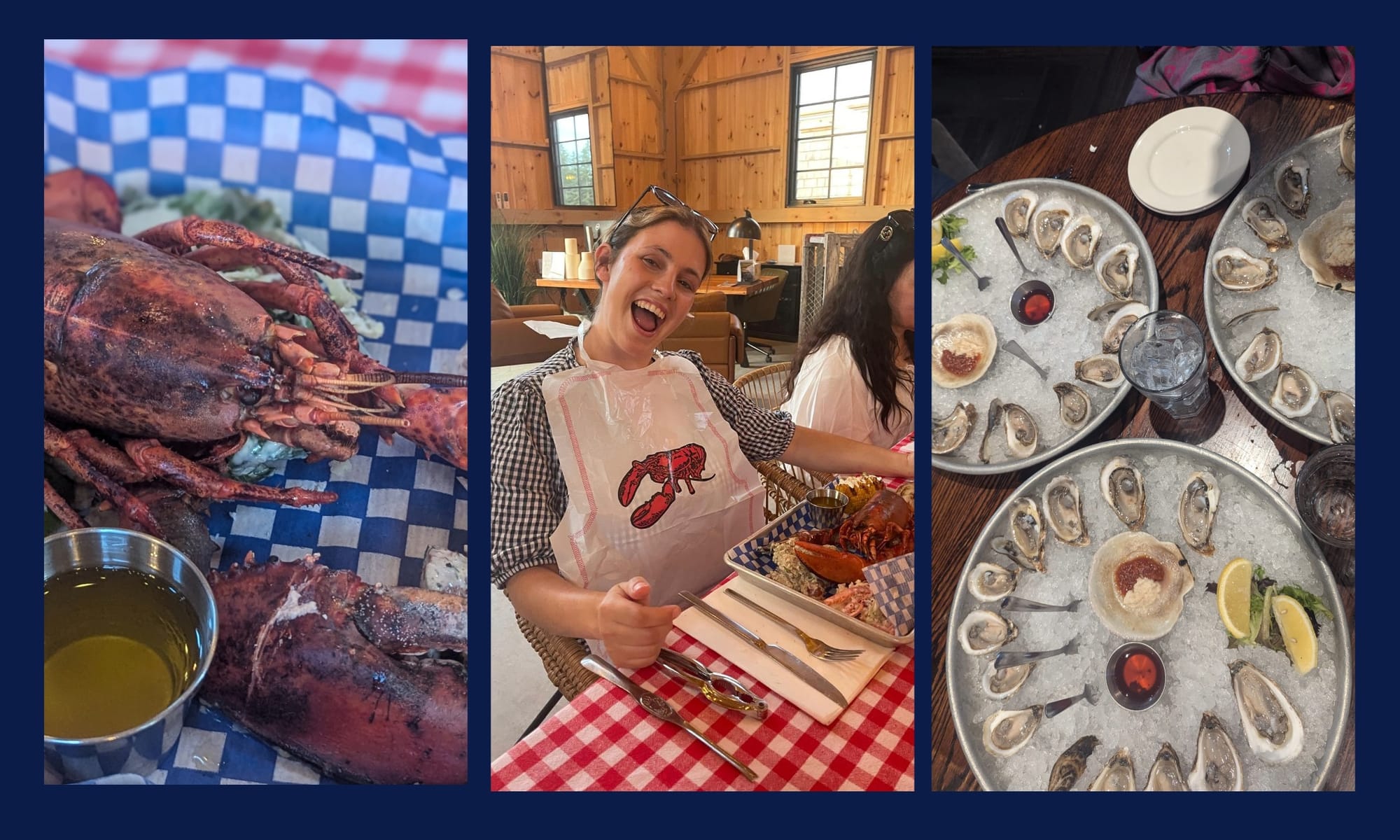
The province is home to some of the world’s richest lobster fishing grounds. The largest ever recorded, weighing 20.14kg, was caught here.
Safe to say, I had lobster pretty much every day of my trip in probably all of its forms (my personal favourite being the full thing, covered in a big dose of melted butter).
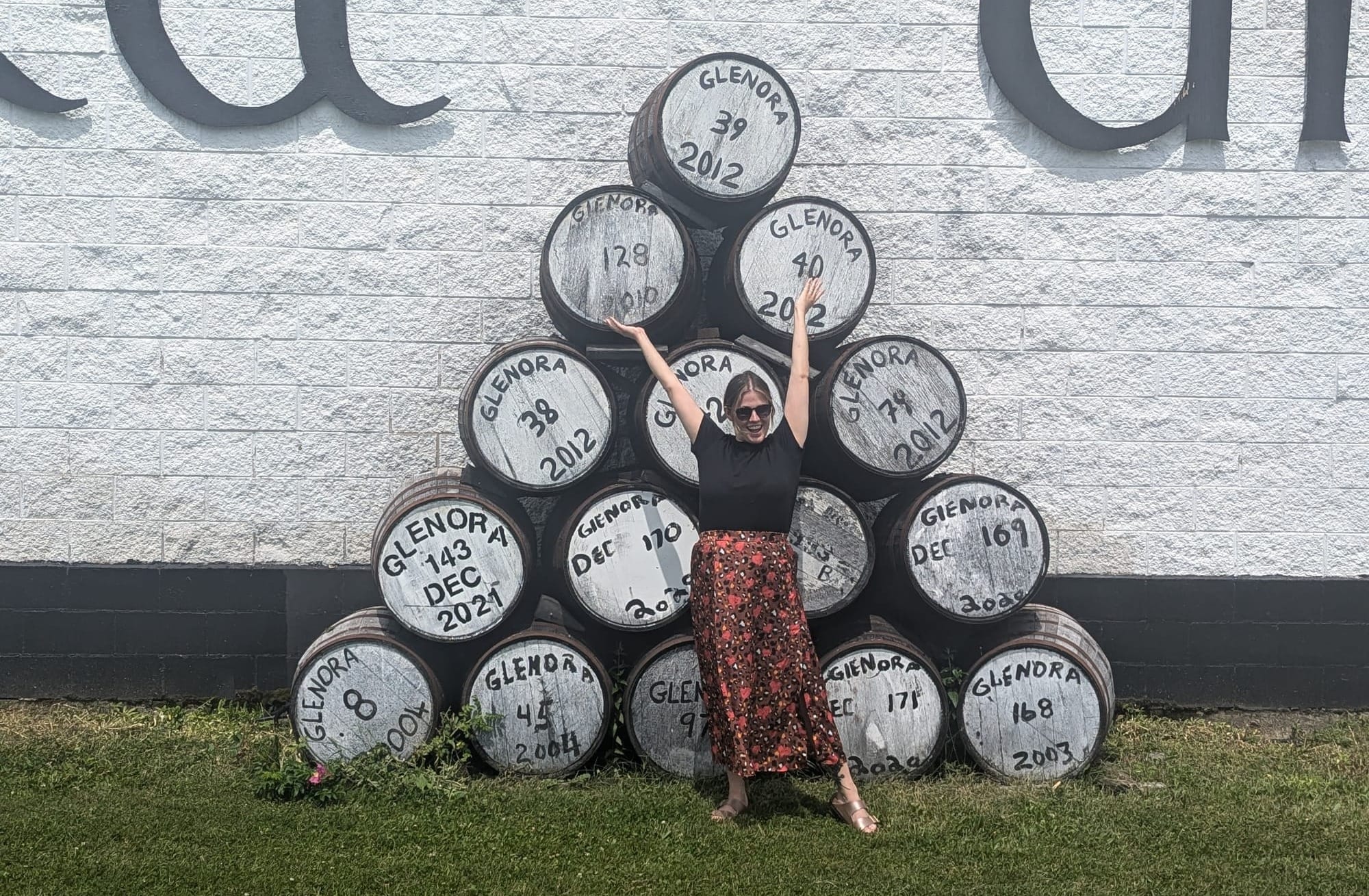
The other stop was tasting a dram from Glenora Distillery, Canada’s first single malt whisky distillery, established in 1989.
We had a few final hours in Halifax, strolling along the waterfront and long boardwalk. It's full of places to eat, spaces for outdoor recreation, shops, and museums.
And then, it was time to say a reluctant goodbye.
For a small nation, Scotland has really left its mark in Canada. Yet as I made my way back across the Atlantic – despite all the similarities and shared connections – I couldn't help but feel there's no place like home.
📷 Alamy, DC Thomson, Shutterstock, Adobe Stock



Member discussion