
From the Vault: Valentine's Day
VALENTINE'S DAY has long been a source of inspiration for budding poets and lyricists.
In the 18th century, The Scots Magazine had a regular section entitled “Poetical Essays”. Here, all manner of poems and songs were published, from Robert Burns’s early works to folk songs by unnamed authors.
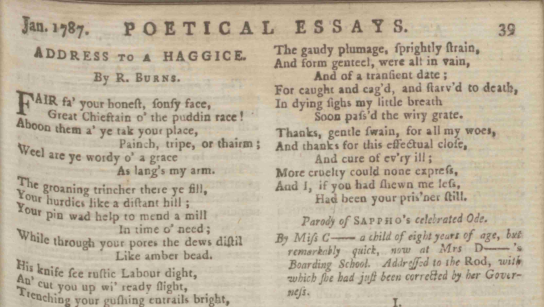
“A new song” was published in 1756, called Damon And Chloe, which tells of a young couple.
While its warnings about the need to embrace marriage might be a little more extreme in tone than we would expect today – lest we should “die old maids” – it is a rather humorous insight into the romantic practices of yesteryear.
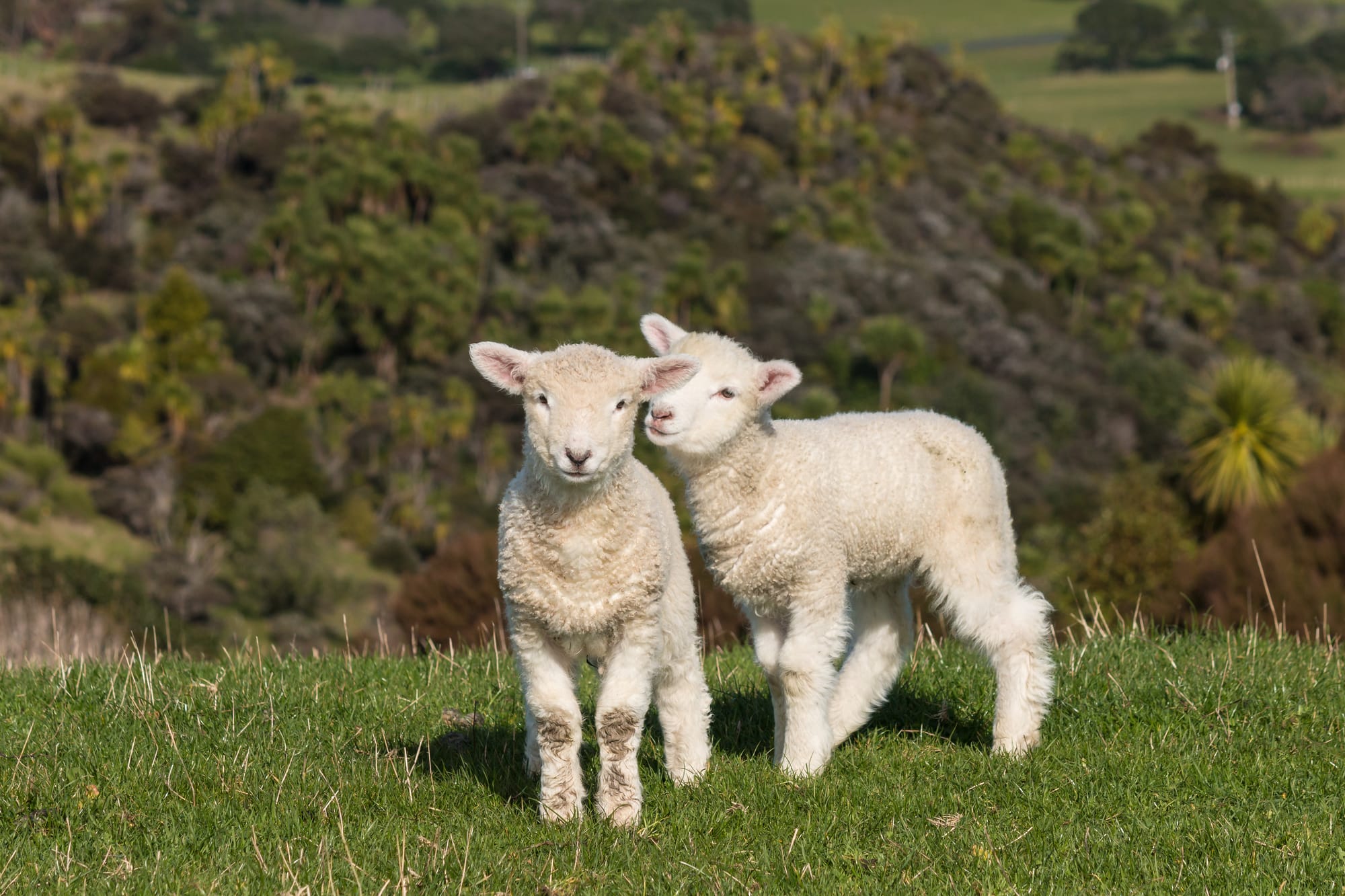
And if you are trying to win your sweetheart over this Valentine’s Day, why not try Damon’s technique of showing up to their cottage with “two lambkins”? If it worked for Damon, it just might work for you, too.
Damon And Chloe
Gay Damon long study’d my heart to obtain,
The prettiest young shepherd that pipes on the plain;
I’d hear his soft tale, then declare ‘twas amiss,
And I’d often say No – often say No – when I long’d to say Yes;
And I’d often say No – often say No – when I long’d to say Yes.
Last Valentine’s day to our cottage he came,
And brought me two lambkins to witness his flame:
Oh take these, he cry’d, thou more fair than their fleece;
I could hardly say No, tho’ asham’d to say Yes.
Soon after, one morning we sat in the grove,
He press’d my hand hard, and in sighs breath’d his love;
Then tenderly ask’d, if I’d grant him a kiss?
I design’d to’ve said No, but mistook, and said Yes.
At this with delight his heart danc’d in his breast;
Ye gods, he cry’d, Chloe will now make me blest;
Come, let’s to the church, and share conjugal bliss:
To prevent being teiz’d, I was forc’d to say Yes.
I ne’er was so pleas’d with a word in my life;
I ne’er was so happy as since I’m a wife;
Then take, ye young damsels, my counsel in this,
You must all die old maids, if you will not say Yes.
📸 DC Thomson, Adobe Stock



Member discussion