
A summer of Highland Games: Join us for a gallivant around Scotland's greatest Gatherings
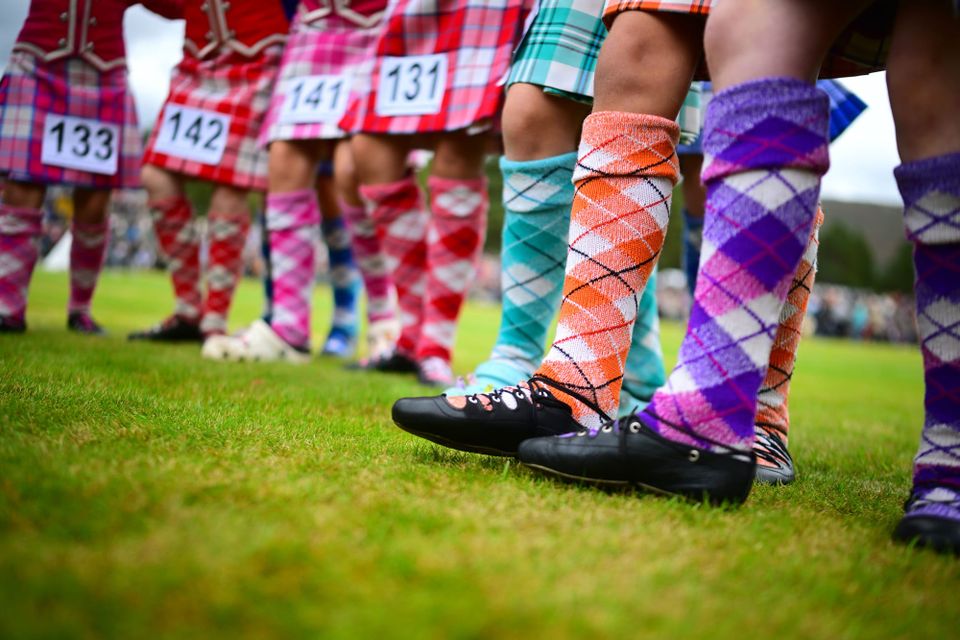
AROUND this time last year, The Scots Magazine suggested that I write a feature about Highland Games and how this most traditional of entertainments is faring in the 21st century.
I said yes, of course. The only snag was that I hadn’t been to a Highland Games since the 1980s.
As a trainee reporter in Aberdeen, I was sent to the Braemar Gathering to gawp at Princess Di, and I ended up being thrown over celebrity strongman Geoff Capes’s shoulder like a squealing sack of tatties.
It was quite the introduction, but I never returned.
"Like Christmas in July"
Highland Games season runs from early May, with the first being Gourock's gathering, ending with Bowhill's event on September 13.
The Royal Scottish Highland Games Association (RSHGA) calendar lists more than 60 events this year, from Thurso to Kilmarnock and Stonehaven to Mull.
Last year, to get a better idea of the tradition after my long hiatus as a visitor, I picked the brains of Craig Dunbar, secretary of RSHGA and passionate advocate for all things Highland Games.
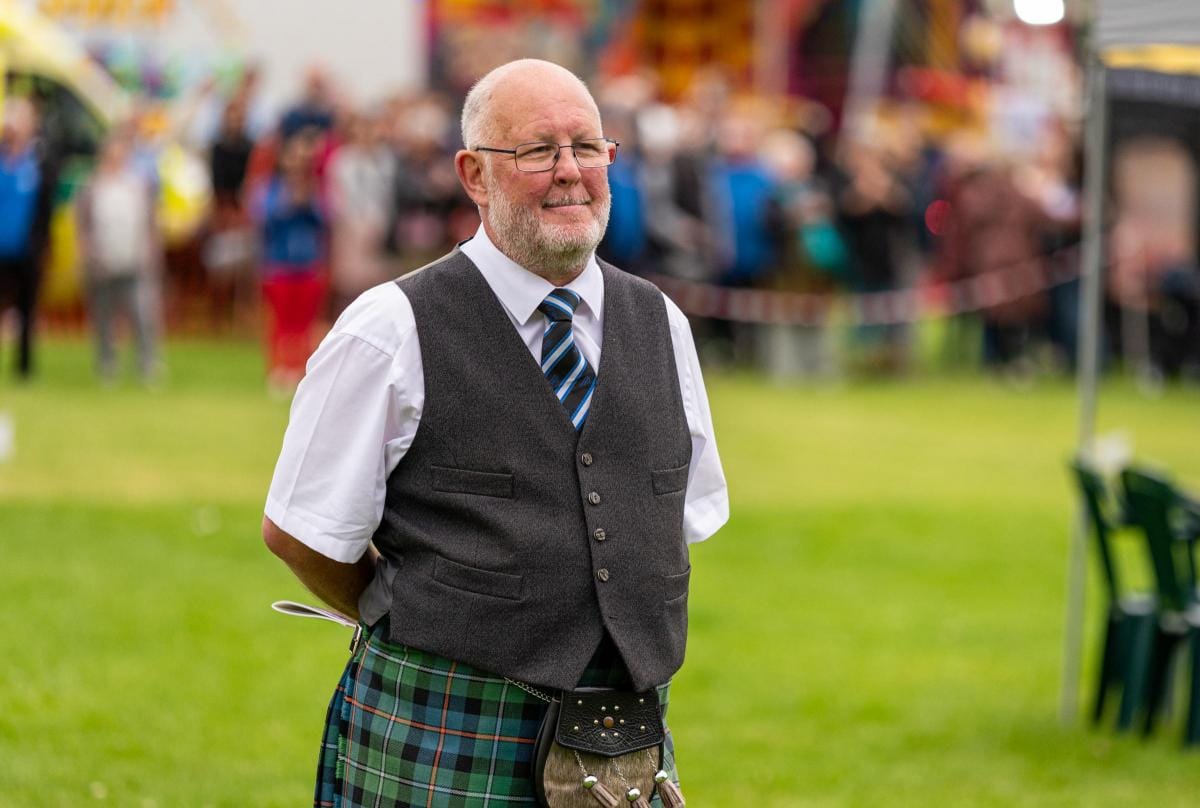
Craig’s local Games are at Alva, and he likens the event to “Christmas in July” – that one weekend when far-flung friends and family return to town for a right good randan.
There's nothing to match the atmosphere of any Highland Games, he tells me, and every one is different.
And so, buoyed by Craig’s zeal, I decided it was time to test that theory for myself and visit four events last summer to see who does it best.
Stop one – the big hitter
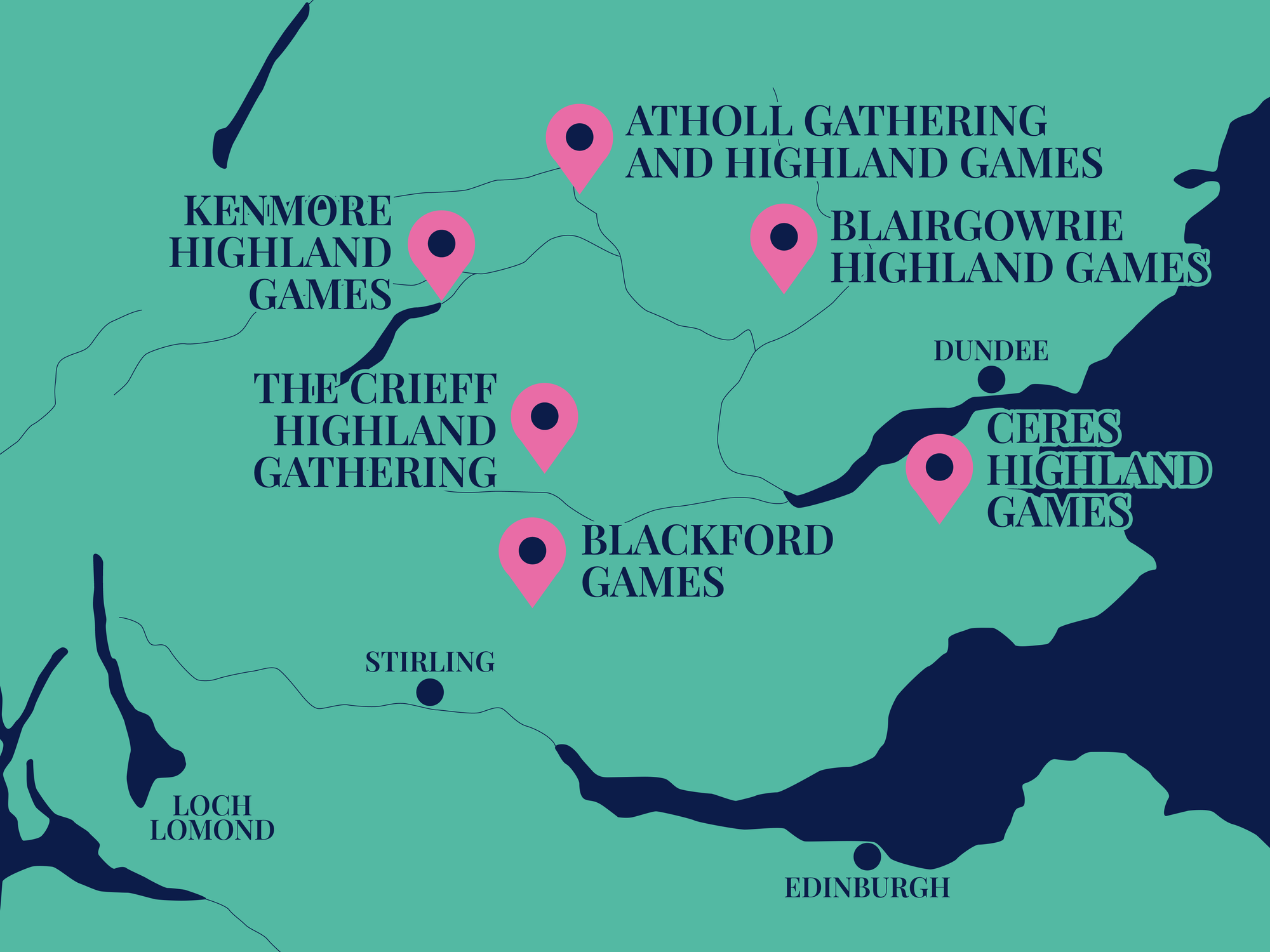
The Atholl Gathering and Highland Games are a biggie, with a reputation as one of Scotland's most iconic. They even have a private army legally sanctioned by the monarch, called the Atholl Highlanders.
The whole spectacle unfolds against Blair Castle, north of Pitlochry, making it a magnet for tourists as well as locals, with the ticket price including entry to the castle gardens.
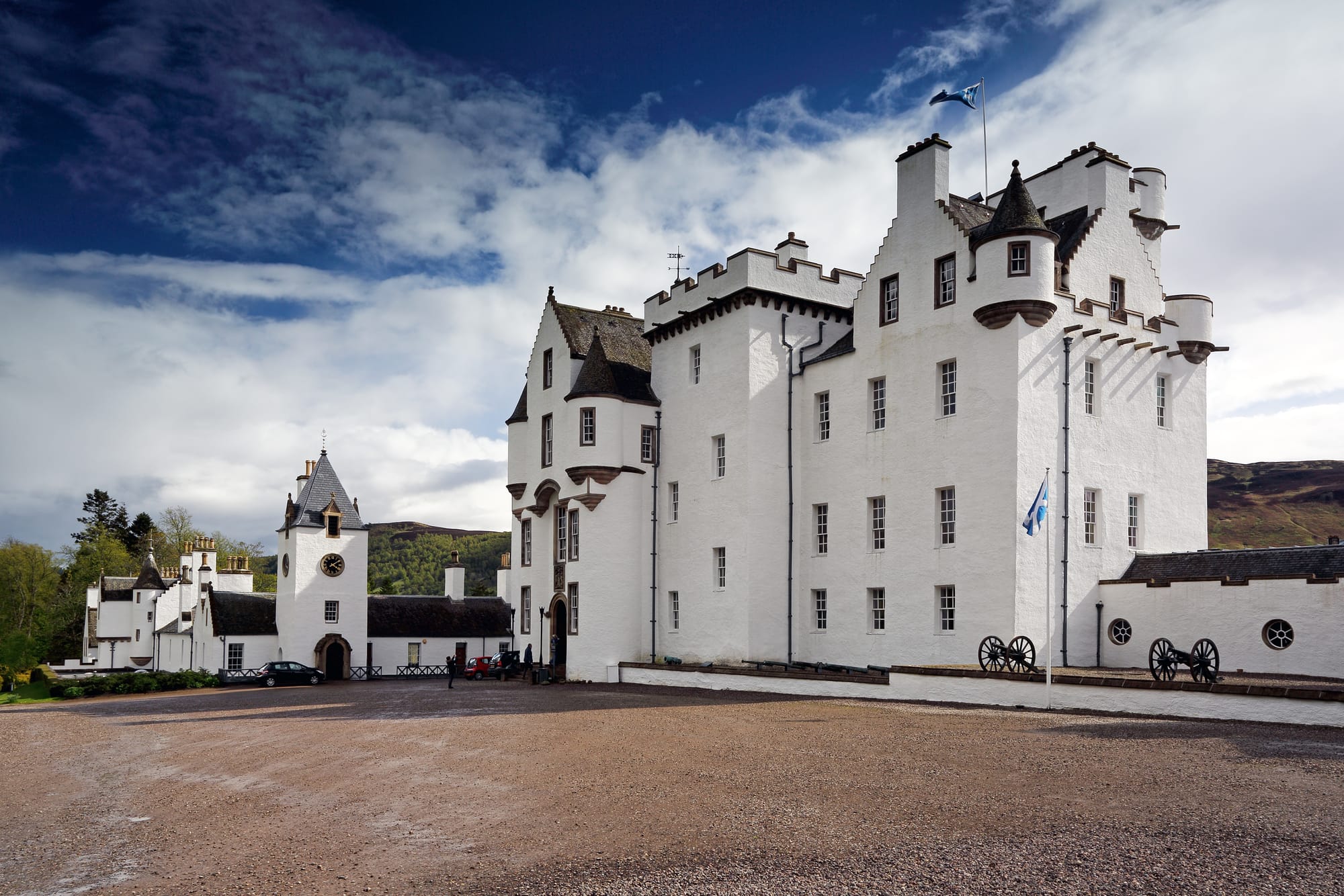
On the cool May day I go, the weather can’t quite make up its mind, but that hasn’t deterred the numbers flocking to the Games.
Around me, visitors pour out of cars in wellies and waterproofs, and dogs abound.
I meet up with a friend, her hubby and toddler, and we wander round the trade stands, kids’ rides and food stalls before planting ourselves on the slope overlooking the arena.
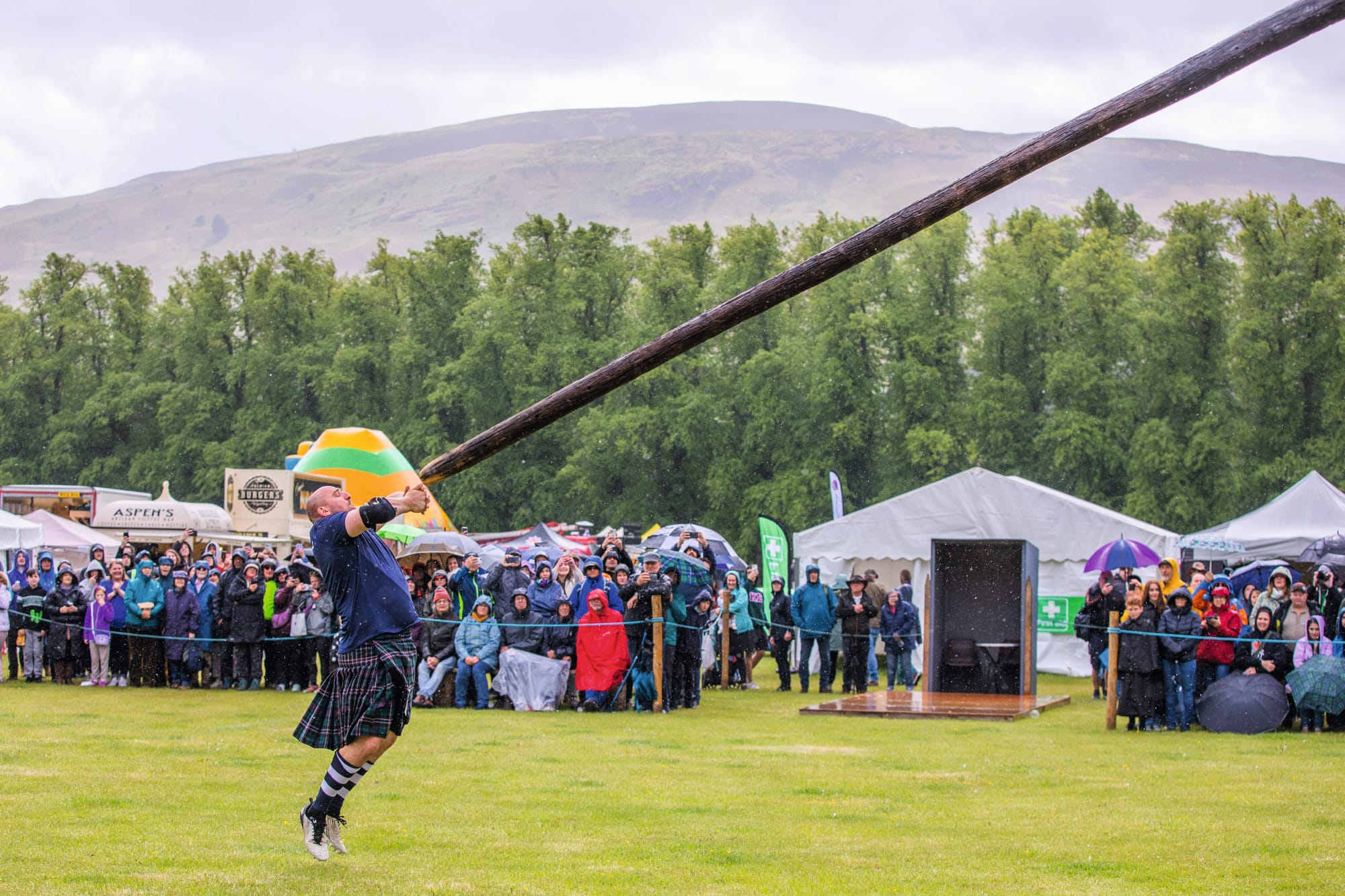
It is a brilliant vantage point, though the crowd is several bodies deep around the Games field, where there appears to be something different happening on every inch of grass.
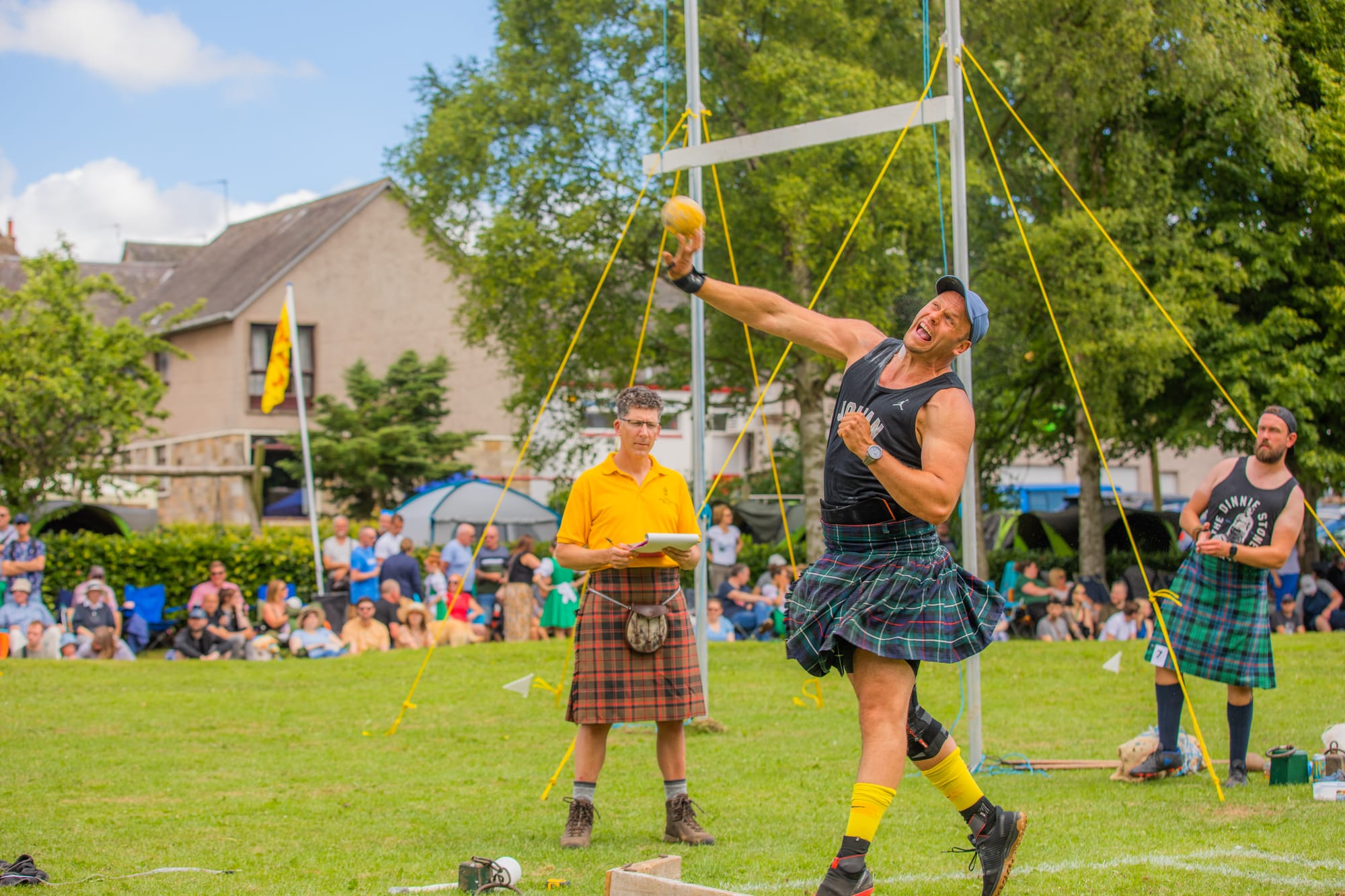
Muscled men hurl weights over high bars, lanky youths limber up for races, participants in Highland dress roll out cannons, pipe for the judges and perform impossible dance steps.
It is a people-watcher’s paradise, and we pass a glorious afternoon chomping on churros and cheering on the contestants in the tug-of-war and cycle races.
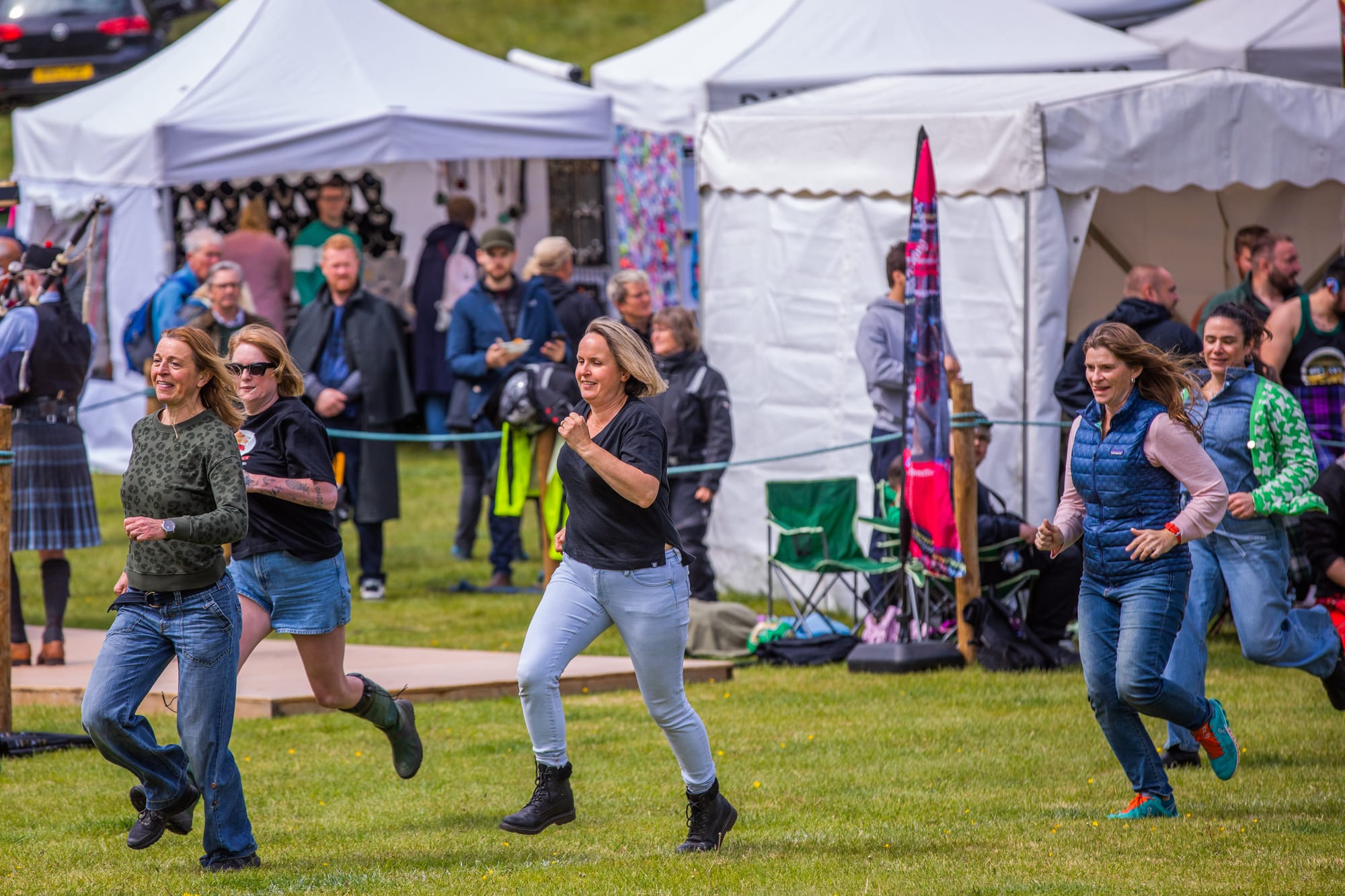
At one point, we hear the announcer call for entrants in the open running, and the enthusiasm of the day gets the better of my chum; suddenly she’s clambering under the rope and lining up alongside the dozens of all-comers in the women’s race.
Victory eludes her – those tiny Highland dancers are FAST – but I suspect we’ll be back to fight another day.
Keep reading! Sign up to Gallivant free below to unlock the rest of the article.
Stop two – the home favourite

The next Saturday finds me in another field. My local Highland Games are just along the road at Blackford.
This time, my dad and the dogs are my companions, and I am regaled with tales of wild days out at Blackford Games before I was born.
While it’s a more compact event, that’s part of its charm. You can park yourself on a bench and watch all the action as you take in every grunt and straining sinew.
Even before the actual event, the chieftain and committee march to the Games field through the village accompanied by the Blairgowrie, Rattray & District Pipe Band.

It is a different event. If the Atholl Gathering was big on pomp, Blackford is all about community.
We bump into plenty of folk we know, but there’s a good contingent of overseas visitors, too. Craig Dunbar underlined this contribution to Scotland’s tourism industry when I spoke to him, and I see it for myself at Blackford.
We chat to holidaymakers from France, the Netherlands and the USA who can’t believe they’re here to witness something so special. Sometimes it does you good to see your world through other people’s eyes.
Stop three – the original classic
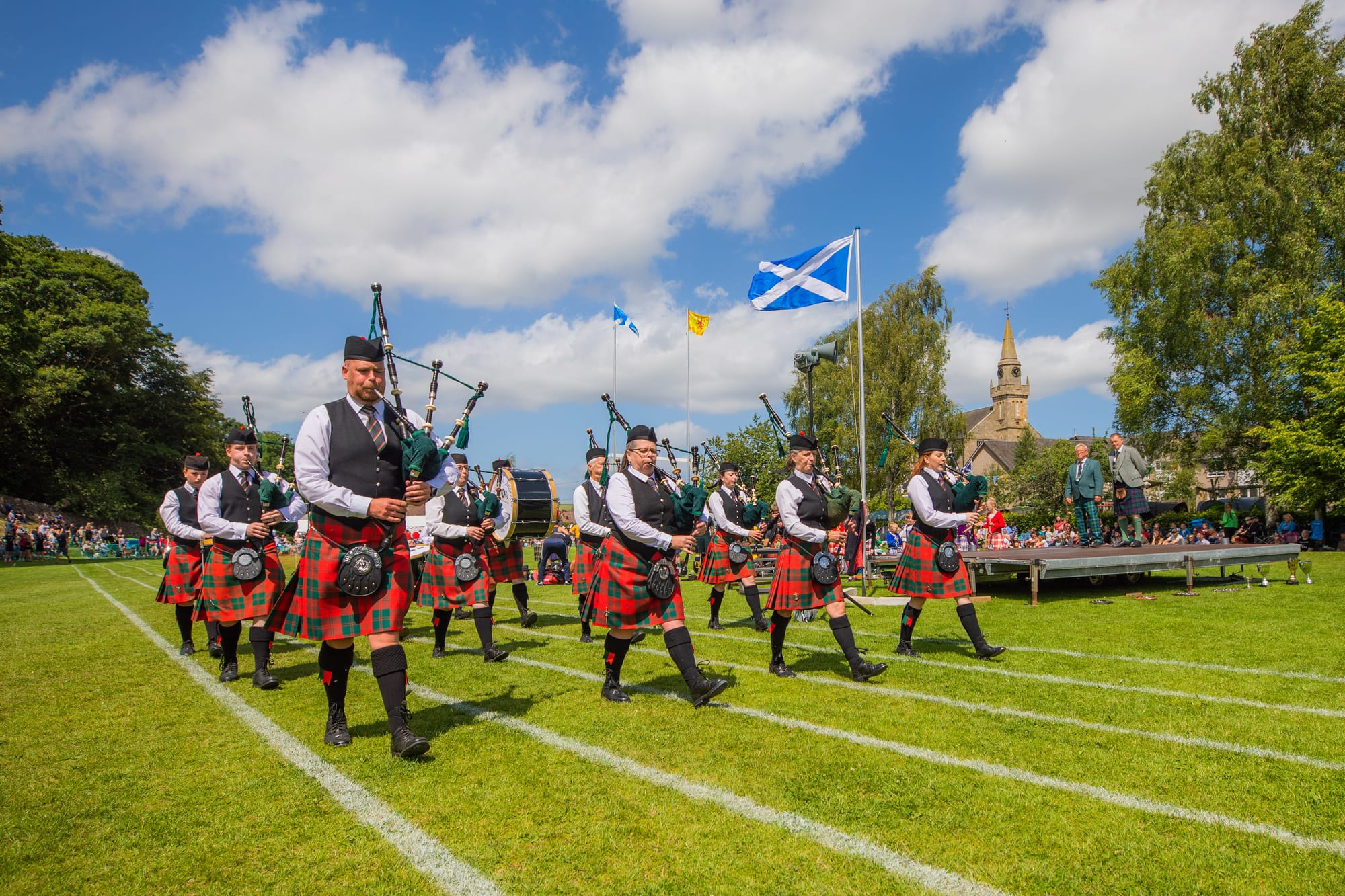
Ceres, a village near Cupar in Fife, is proud to host Scotland’s oldest free Games.
It is said they date back to 1314, when they were founded in honour of the local men who fought at Bannockburn.
They are held on the postage-stamp-sized village green on the last Saturday in June, when the population of Ceres – normally around 1,000 – expands to more than 4,000.
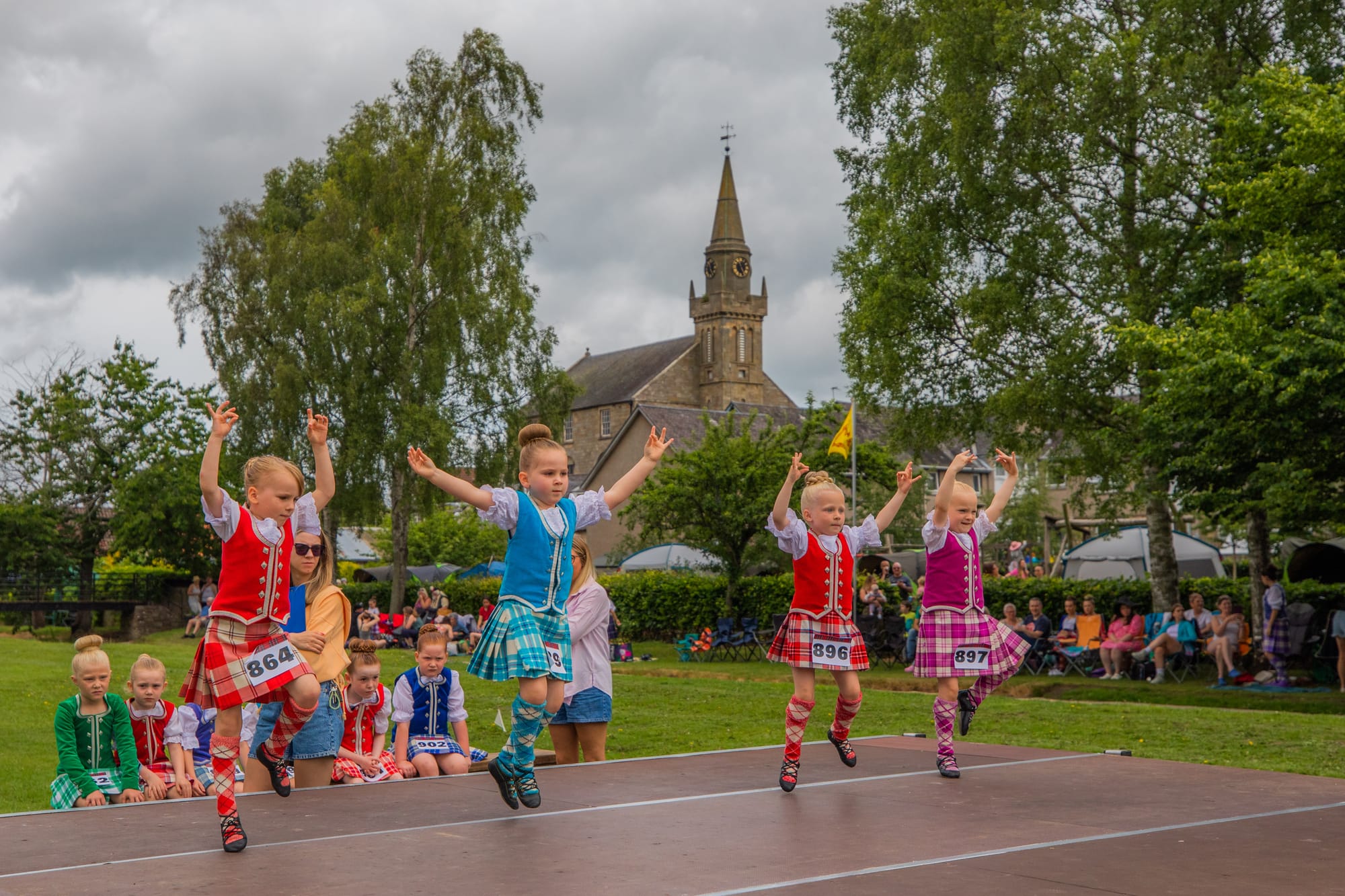
Until you’ve seen it for yourself, you wouldn’t believe this space could accommodate a whole Highland Games, but somehow Ceres packs it all in.
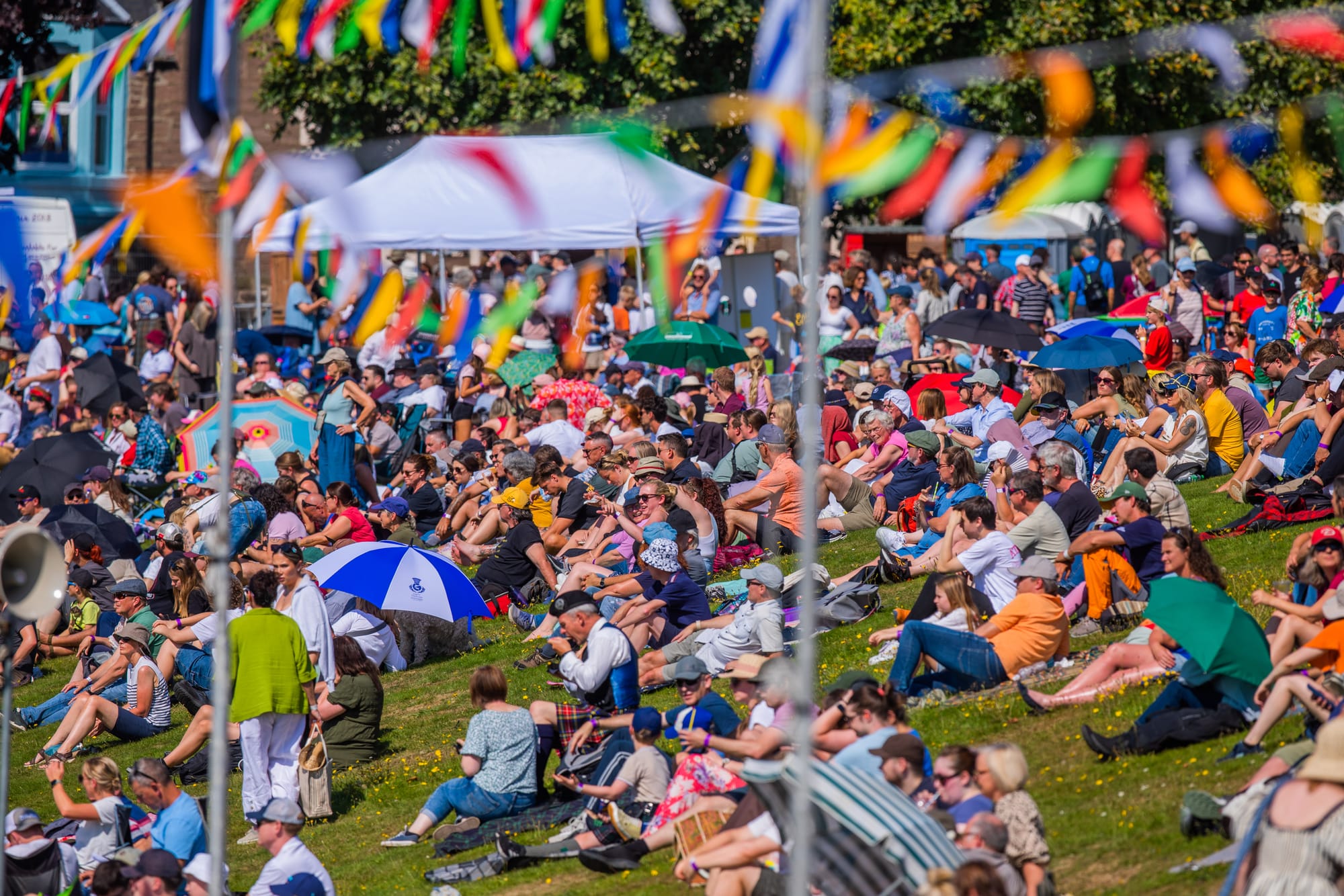
While there, we shop for seaglass jewellery and home-made jams, then guzzle loaded fries on the grassy bank overlooking the green. Others sink beer-garden pints along the burn.
The sun shines and we marvel at all the centuries of others who sat here and enjoyed summer days before us.
By now, I’m recognising faces. We cheer for the ginger-bearded cyclist from Perth and speculate on which of the brawny heavies could pass for Outlander pin-ups.
It's certainly a great atmosphere.
Stop four – the showstopper
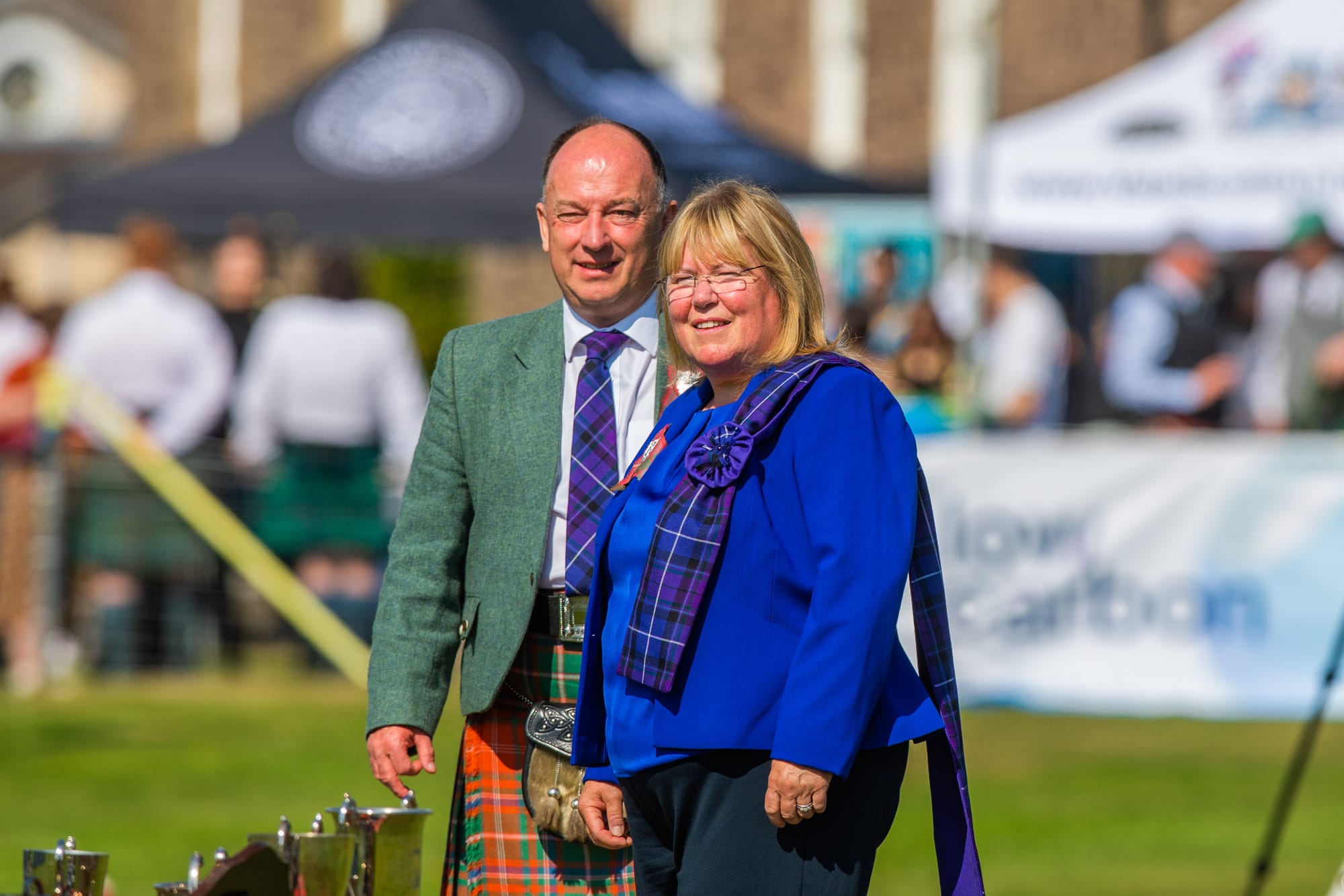
The Crieff Highland Gathering bills itself as “Scotland’s premier Highland Games”. It is a bold boast, but this is a polished affair.
A hometown hero, actor Ewan McGregor, is a past chieftain, and the production values are stellar: from the shuttle buses ferrying Games-goers to Market Park, to the Edinburgh Military Tattoo performers and the spine-tingling closing parade of massed pipe bands.
We’re late in the season now; the middle of August. Dad is back – it turns out there were wild times at Crieff Highland Gathering before I was born, too.
The competitions are more thrilling now I understand what’s going on. And as the Games field empties and the clear-up begins, the first riotous chords of Peat and Diesel ring out from the music stage.
We swelter in the sun and feast on venison burgers and cider. The arena is mobbed.
Overall, it’s a perfect way to close my own Highland Games season.
Ones to watch
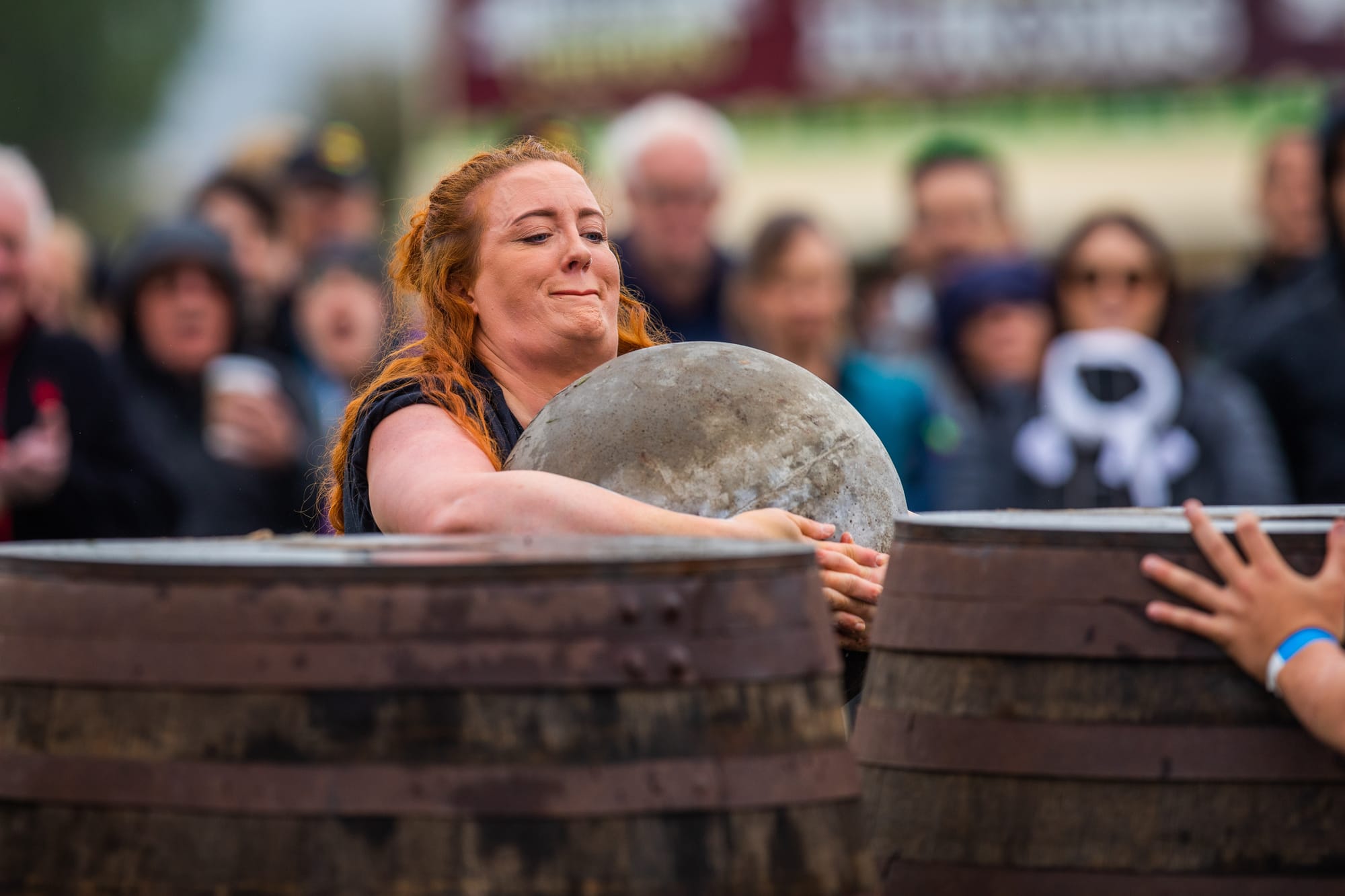
While I didn't make them last year, two Games that have always intrigued me for their special events are those in Blairgowrie and Kenmore.
The Ardblair Stones at Blairgowrie’s Highland Games are nine reinforced concrete spheres ranging in weight from 18 to 152kg (40 to 335lbs). Contestants have to load them – in order from the lightest to the heaviest – on to whisky butts against the clock.
At Kenmore Highland Games, the heavies compete to see who can throw the Tirinie Stone – an almost spherical 46kg (101lb) stone found on a nearby farm – the furthest. The record is 464cm (183 inches).
The verdict
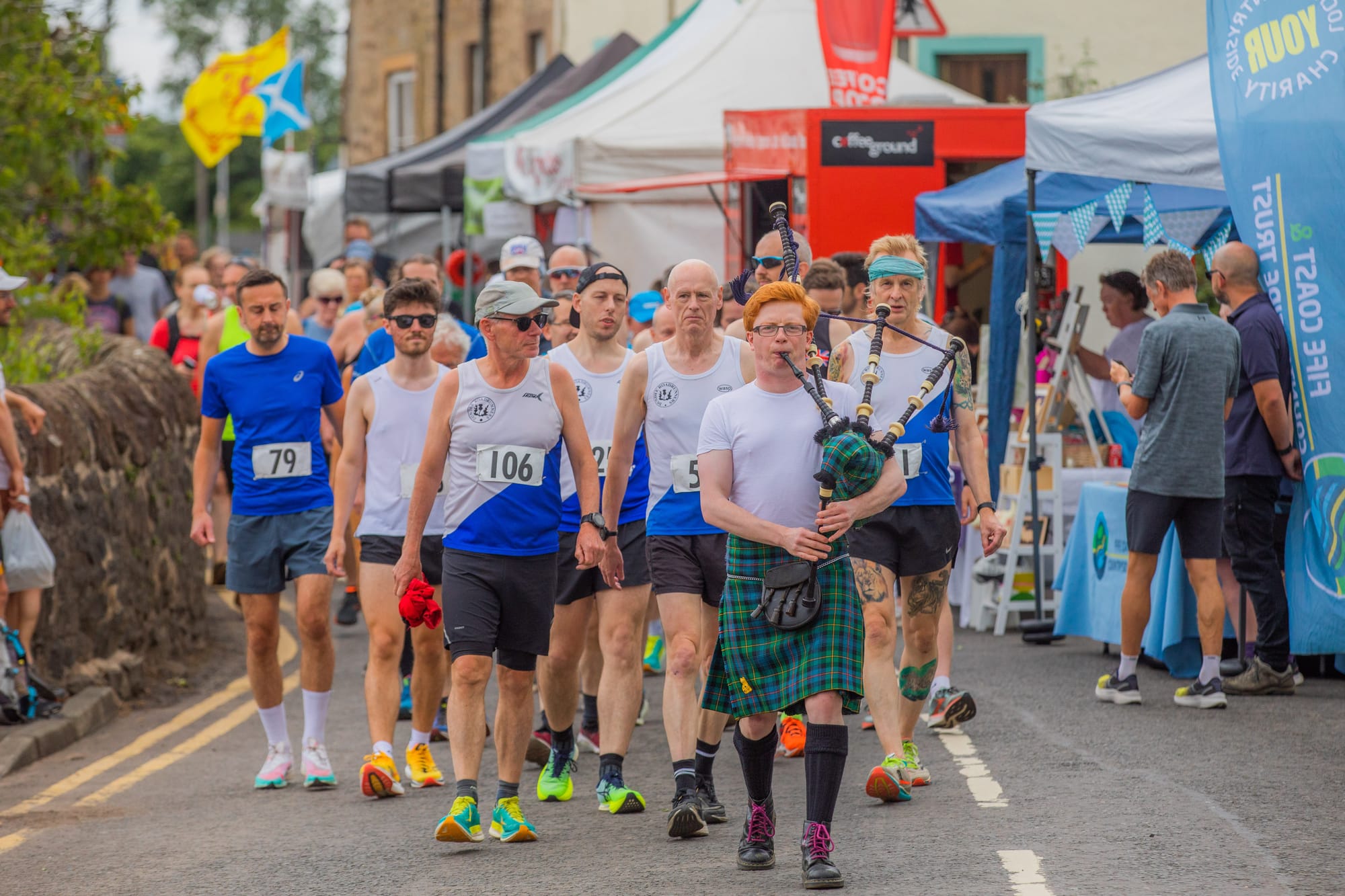
I see now what Craig meant when he told me every Games is unique.
But I also understand more clearly now what Ceres organiser Richard Cleary was getting at when talking to me.
“We do it for that sense of community, as much as for the history," he explained.
All Games were steeped in Scottish tradition, but not in a stale, shortbread-tin way. There’s joy in surrounding yourself with people who care deeply about their thing.
That goes for the dancers, the athletes, the heavies, the musicians and for all the unsung heroes who toil away in committee meetings in deepest winter in order to preserve this slice of Scottish summer life.
Where will I be heading this summer?
Over 60 Highland Games events are listed on the RSHGA calendar this year, so there's plenty to choose from.
Ceres is in the diary for this year, Kenmore is on my list and Crieff is a must. Blairgowrie and its famous Ardblair Stones is calling me, too.
Maybe I’ll see you there!
📸 DC Thomson, Sharon Beveridge, Shutterstock, Adobe Stock
Read on:
- "Caber tossing isn't just for men" – meet the ladies who launch
- Tossing cabers and chasing kilts at Perthshire's Atholl Gathering
- From the Vault: the historic controversy about female competitors
Scots Snippet
Word of the Week
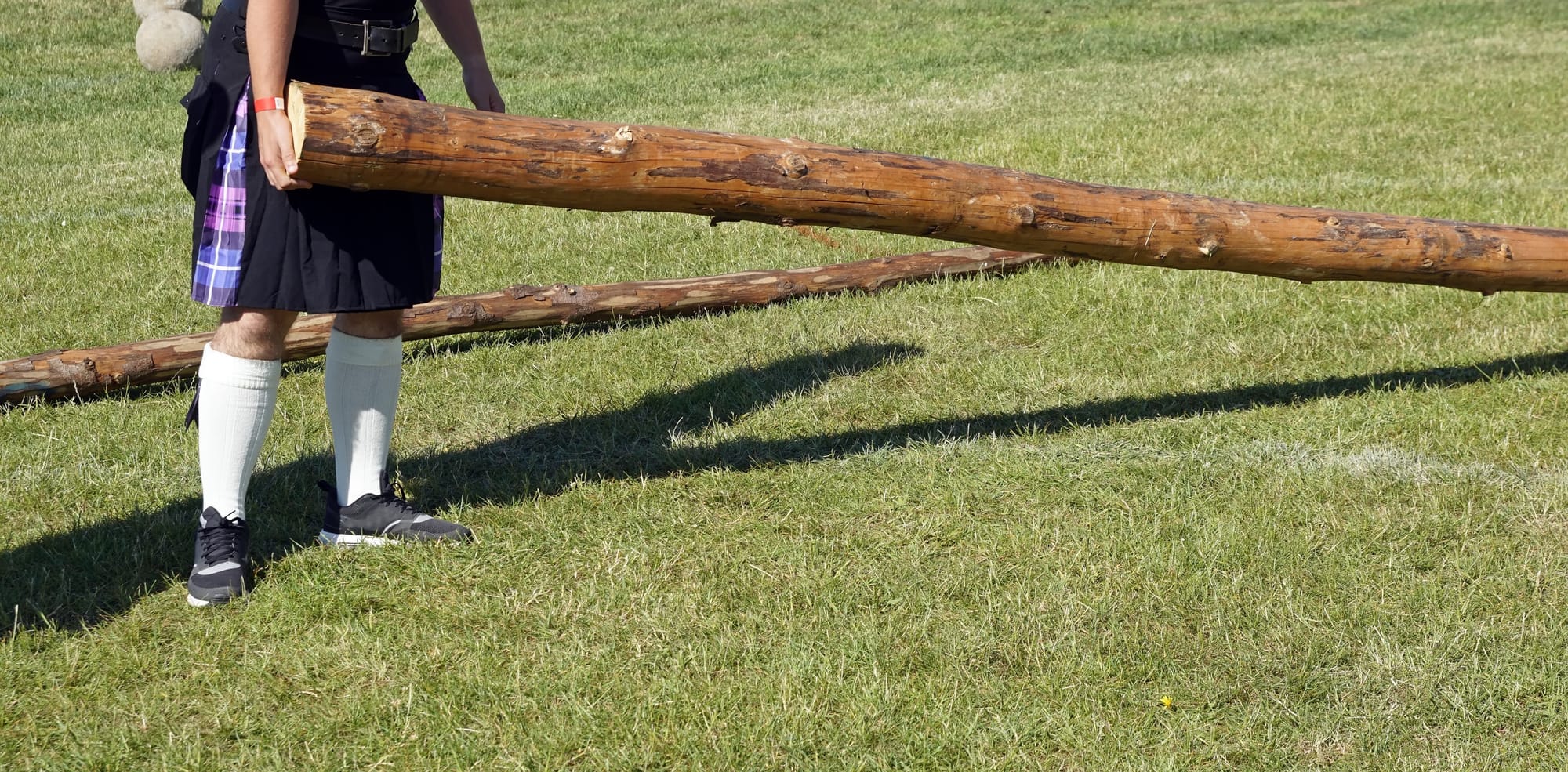
"Caber"
(n.) - a long pole, usually made from a young tree trunk.
Did you know that caber was actually a Scottish word? It comes from the Gaelic word "cabar", meaning a pole or a roof rafter.
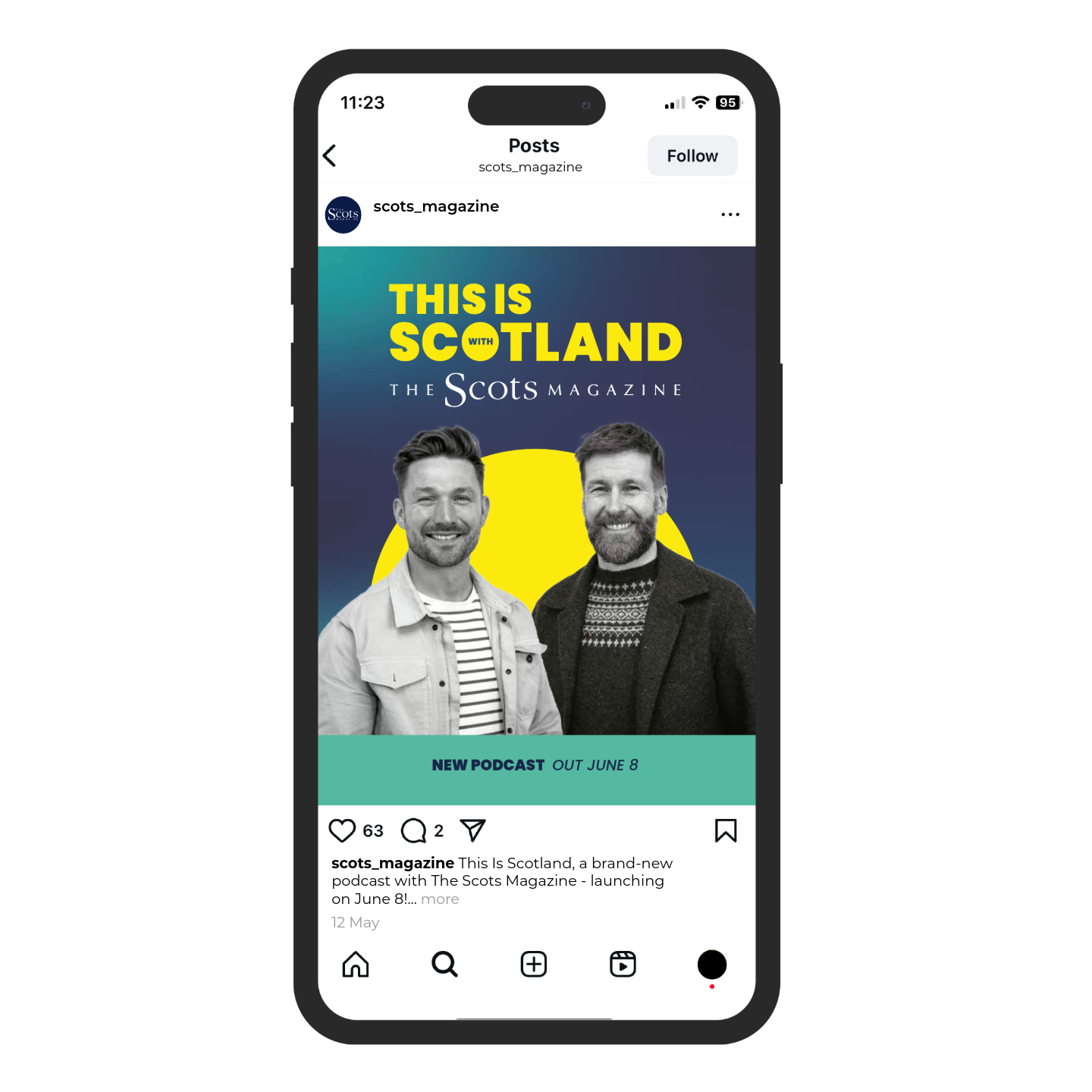
Psst... did you know we're launching a podcast? More on Instagram!

Member discussion