
Shetland: the land of legends
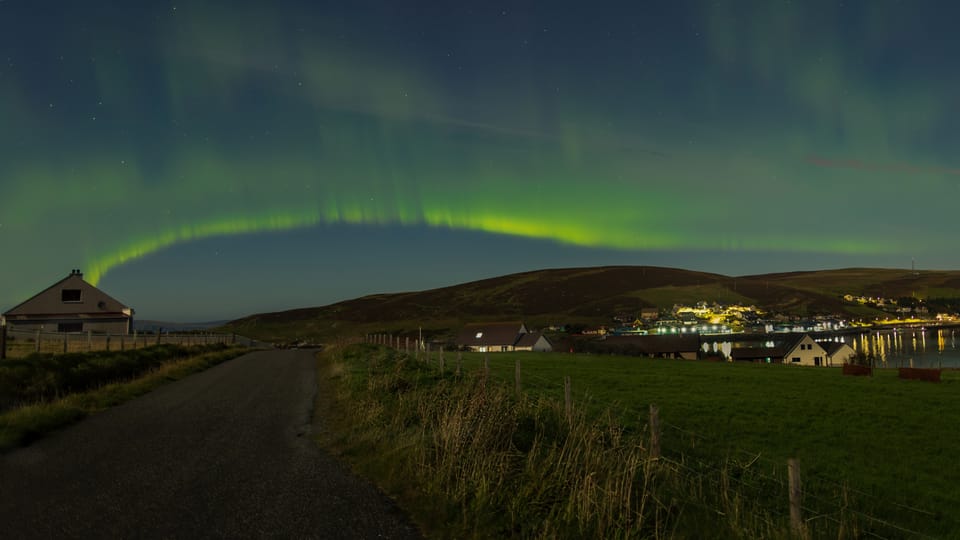
SHETLAND is home to a rich and distinctive body of folklore, shaped by wild seas and shifting skies. Tales of trolls, spirits and gentle wolf-men have flourished across 6,000 years of human occupation.
The Picts once ruled these treeless lands. Then came the Vikings in the 8th and 9th centuries, sweeping across northern Europe with ruthless efficiency.
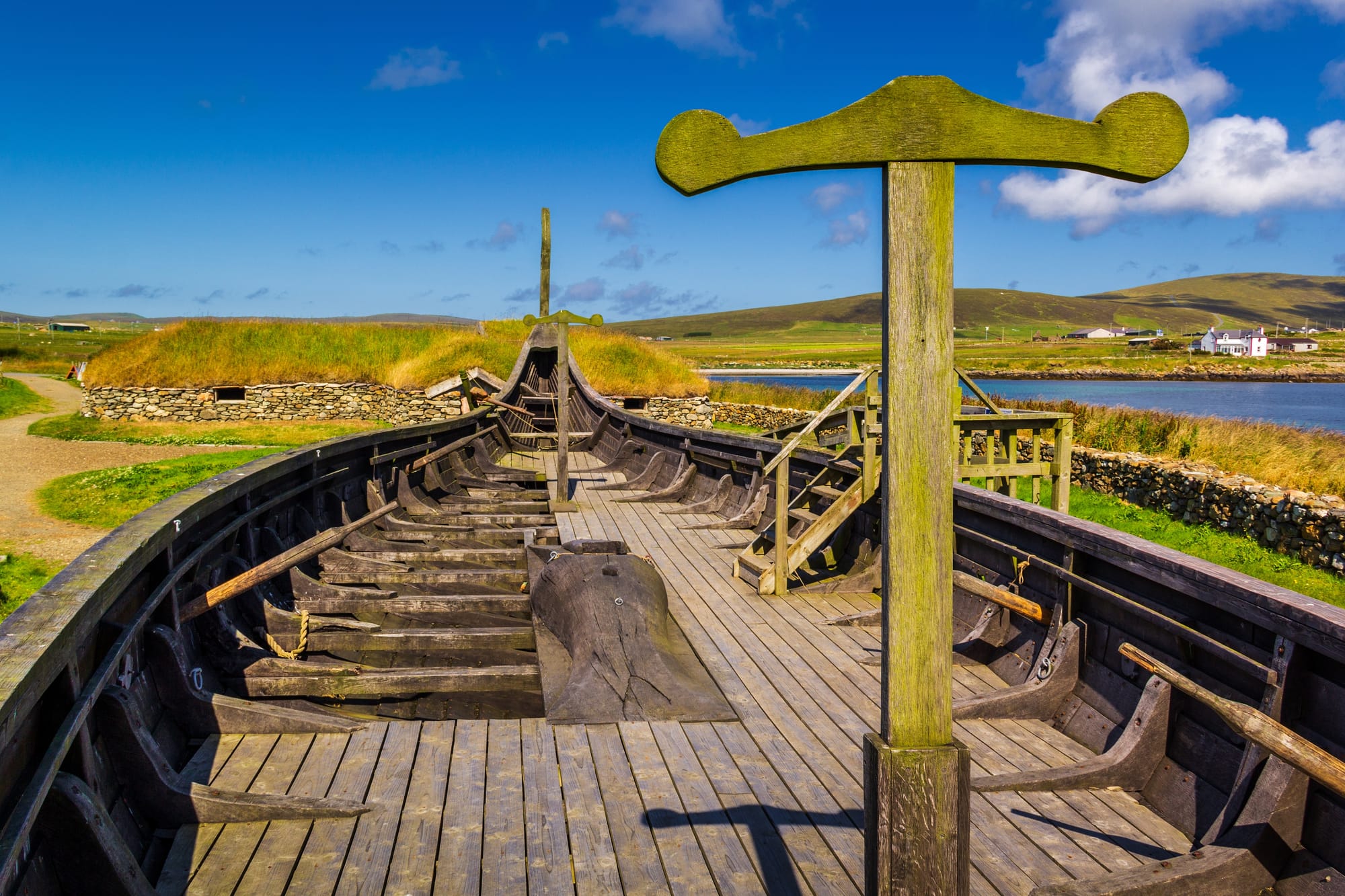
In 1472, Shetland was pledged as security for the dowry of Norway’s Princess Margaret, who married King James III of Scotland. The islands became Scottish, though Norse roots remained.
For centuries, wool and fishing fuelled thriving trade with Europe, yet isolation encouraged stories of darker forces.
Neighbours gathered by firelight to whisper tales of creatures not found in mainland Scottish myth, woven from Norse, Gaelic and Faroese threads. Ready to meet them?
The Wulver
At first glance, the Wulver sounds like a creature of nightmares: a man with the head of a wolf, wandering the hills alone.
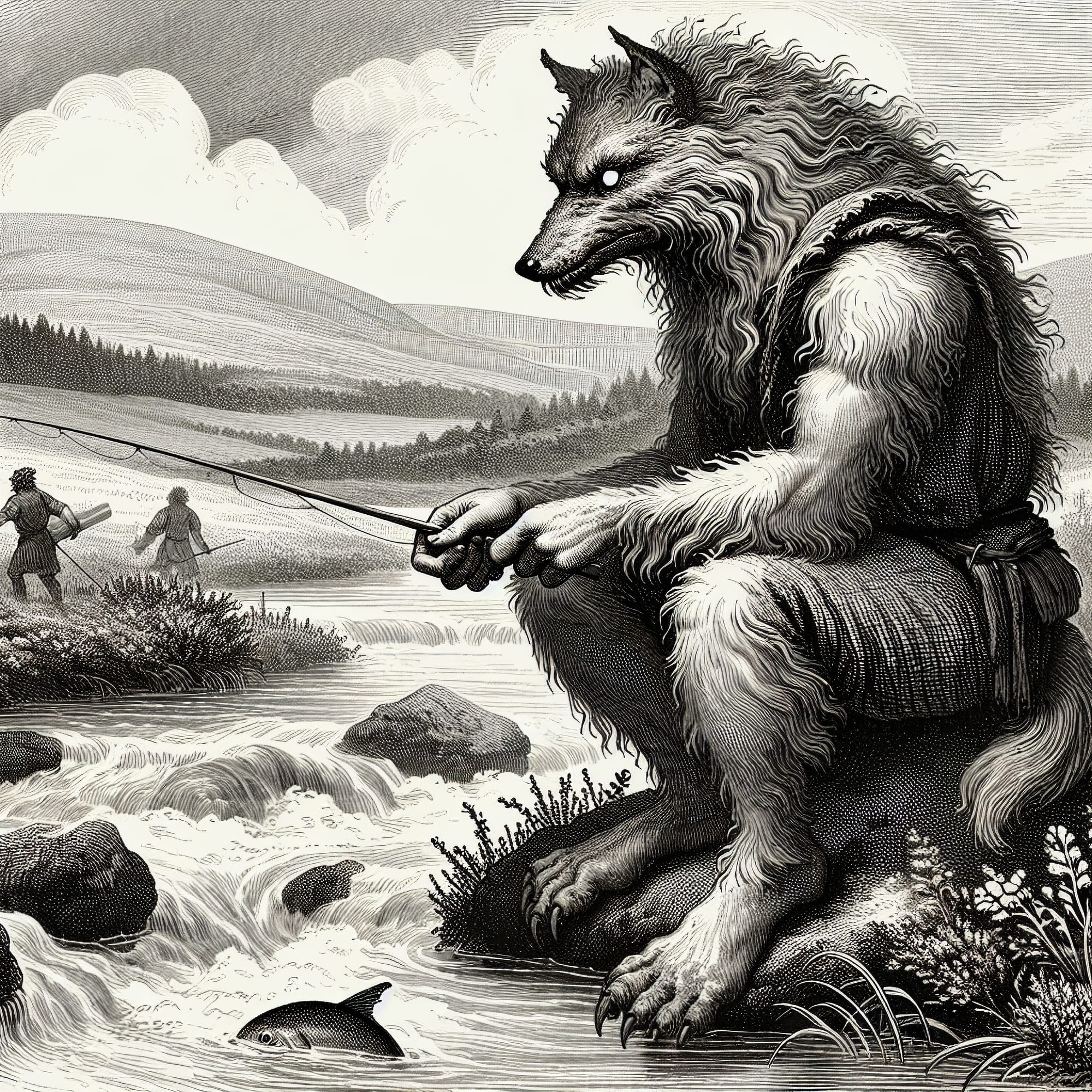
Yet legend paints him not as a killer, but a kindly recluse. A skilled fisherman, he would leave surplus catch on the window-sills of the poor – an unexpected helper from the shadows.
The Wulver’s origins are tangled in linguistic confusion with a mix of Norse, Faroese and Gaelic to unravel for clues. Place names that appear to reference wolves might instead trace back to the Norse “alf”, meaning fairy.
The creature itself is likely a creation of local folklorist Jessie Saxby, who introduced the Wulver in her 1933 book Shetland Traditional Lore. No earlier written record of him exists.
The Finnman Of Fetlar
Shetland fishermen once feared crossing paths with a Finnman – a male siren of the northern seas.
One famous tale tells of Ertie, from the island of Fetlar, who rashly wagered with a tall, dark Finnman that he could catch a fish. The sea turned violent and freak waves battered Ertie’s boat.
Desperate, he hurled his flask at a towering swell, which vanished instantly. Later, the Finnman reappeared – black-eyed and missing teeth – declaring the bet void because Ertie had thrown the flask at him.
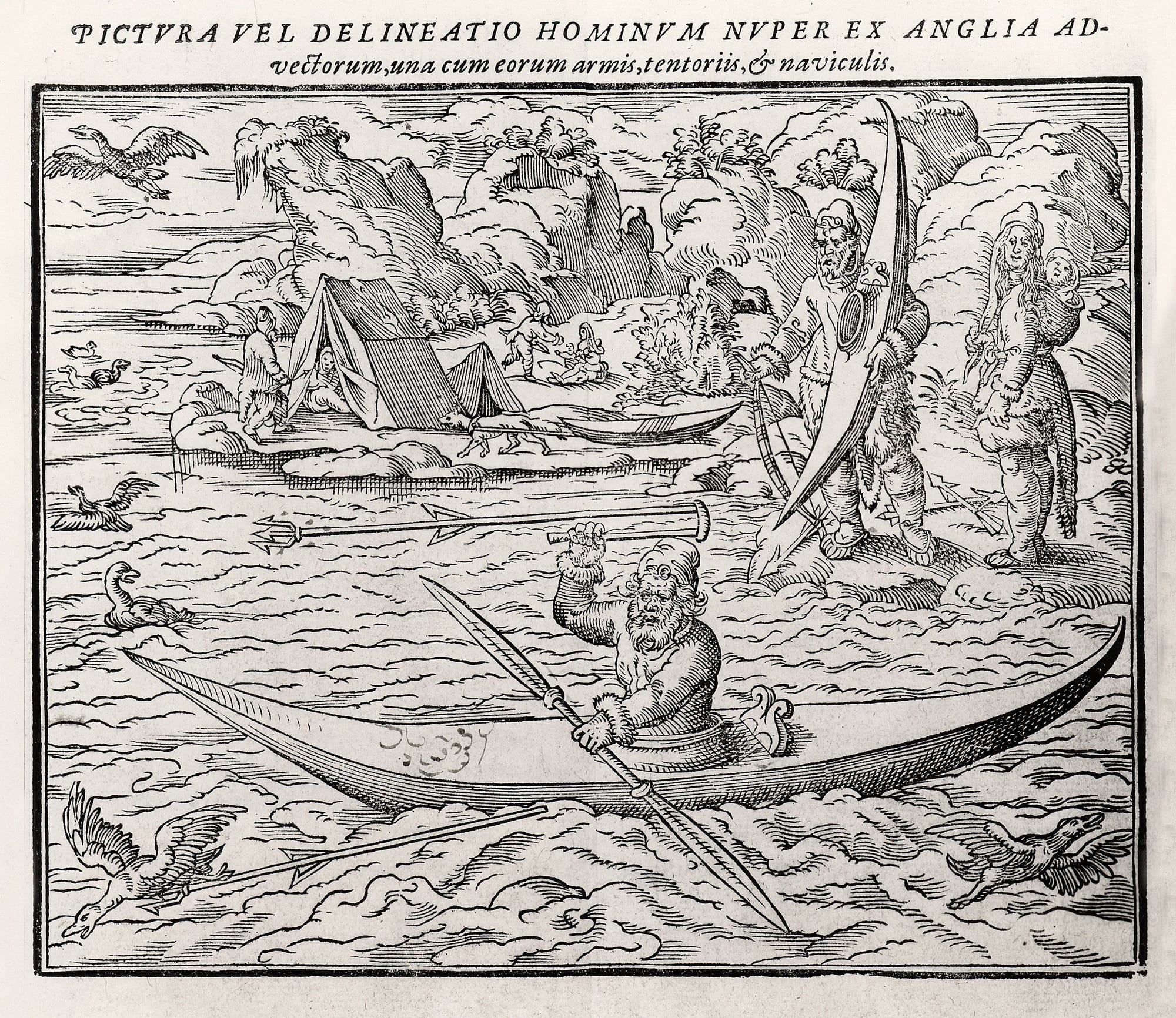
Stories like this long puzzled historians. Sightings were described as men in strange canoes, so swift that no one could catch them.
Some scholars believe that these “finnmen” might have been Inuit, blown far away from home. Wherever they travelled, the fish were said to vanish with them, leaving empty nets in their wake.
Trows
Scattered across Shetland’s moors, standing stones are said to be trows – trolls – caught outdoors at sunrise and turned to rock.
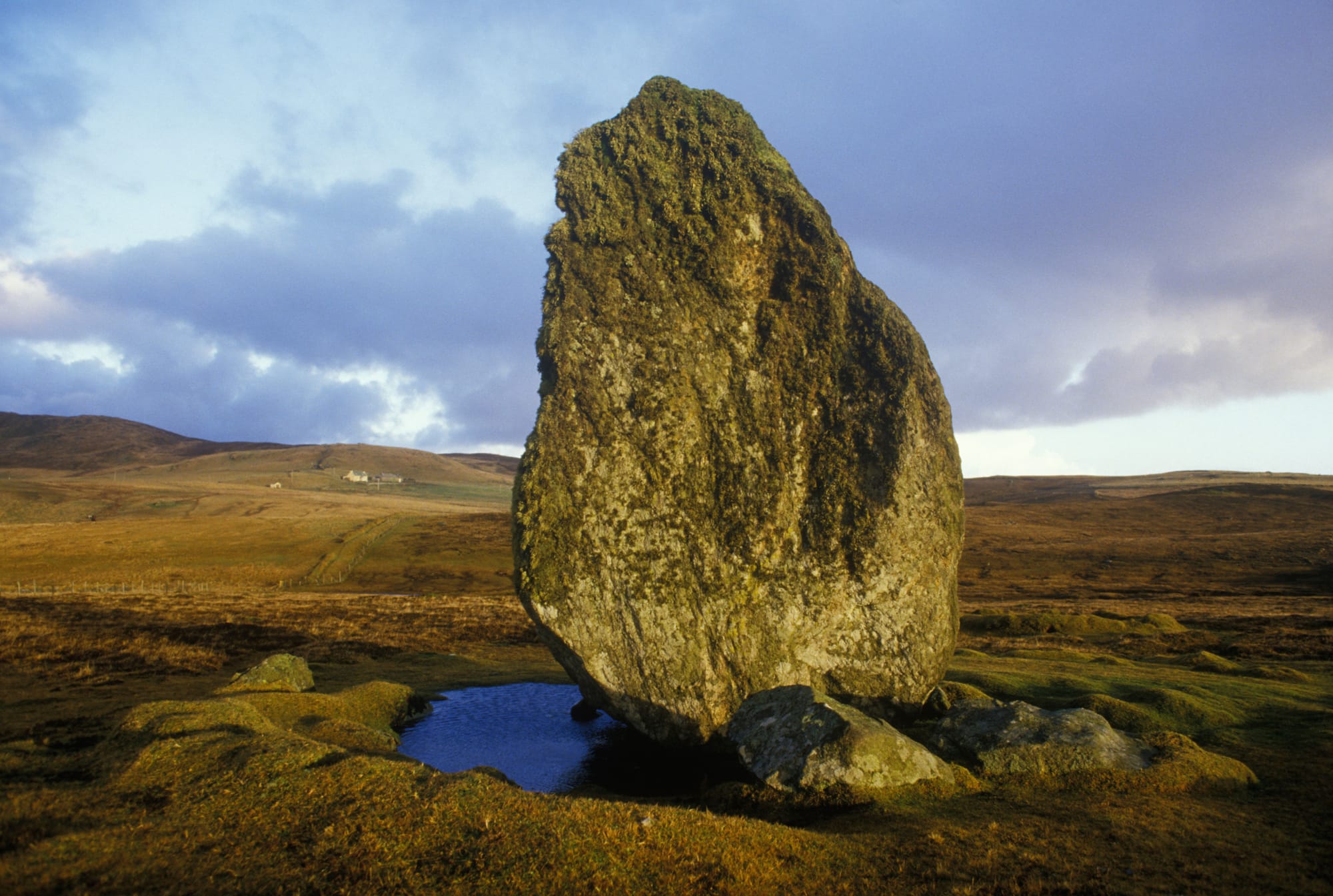
Smaller and more mischievous than their Nordic cousins, trows dwell in mossy hills and treacherous peat bogs. They delight in tormenting humans, though not every encounter is sinister.
Some say Shetland’s rich musical traditions owe a debt to night-time melodies drifting from trow-haunted hills. Their legacy persists in local language: the prefix troll or trow crops up in place names and plant names throughout the islands.
Sea Midder & Teran
Every year, the Sea Midder – mother – and her rival, Teran, wage two epic battles for control of the seasons.
In September, Teran rises, shaking the islands with gales and claiming winter’s reign.
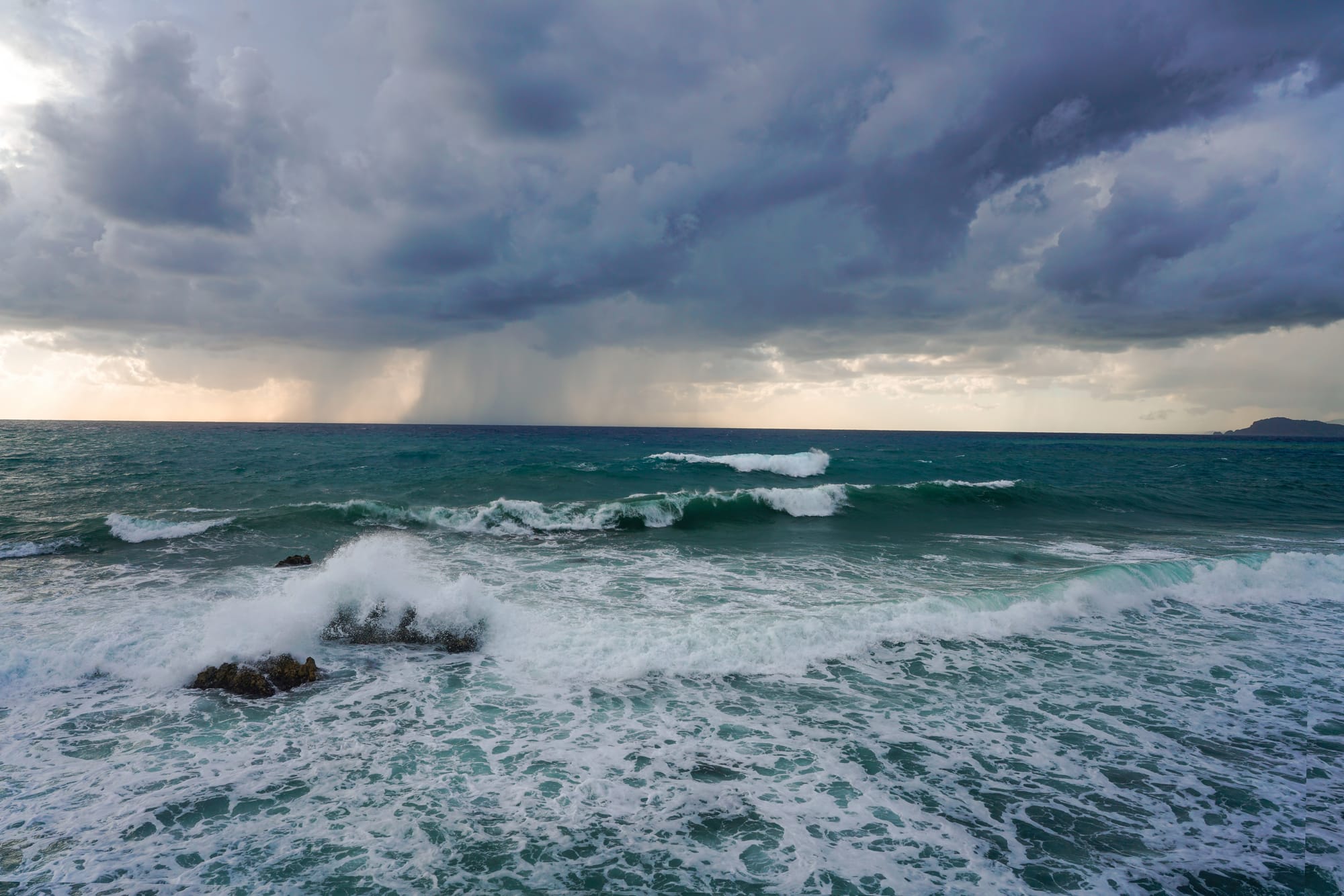
Only in March does Sea Midder gather her strength and drag him beneath the waves once more, unleashing high seas and roaring winds as they clash in the deep.
For months at a time, each holds sway. Any out-of-season storm is said to be the other struggling to break free.
The White Wife Of Unst
Among Shetland’s few still-active spirits is the White Wife of Unst. Said to be the ghost of a woman wronged – either murdered or driven to suicide while pregnant – she appears near the Watlee Burn.
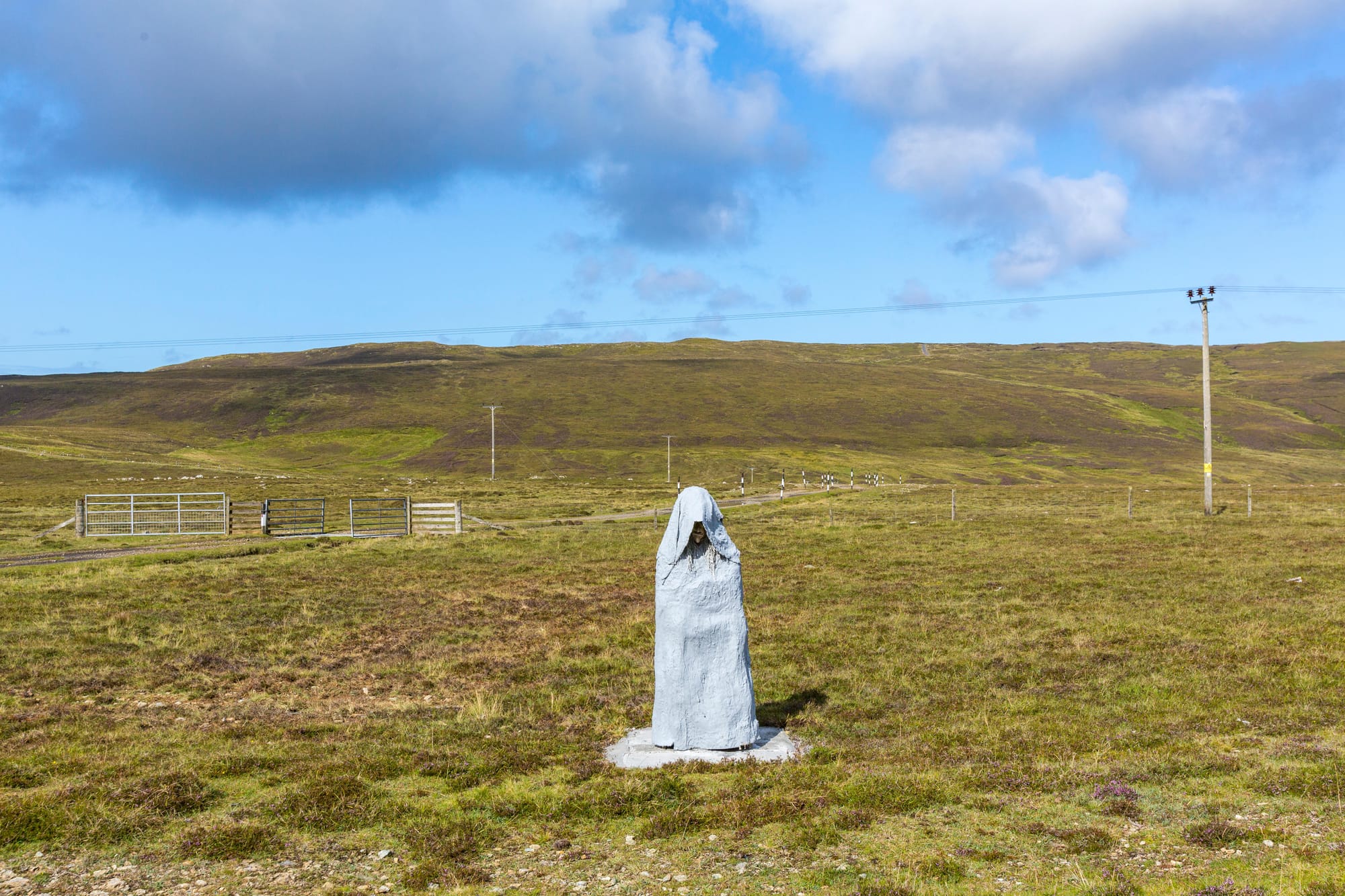
Drivers on the A968 tell of suddenly finding her in the passenger seat, pale and silent beside them as they wind along the lonely road.
She never harms; some say she seeks only her unborn child. A statue now marks her presence at the Brig of Watlee, a quiet guardian of the night.
📸 Alamy, Shutterstock, Adobe Stock.
Member discussion