
The Scottish art of coorie: cold seas, candlelight and custard

COORIE is often described as “a hug of a word”. If a Scot tells you to “coorie in”, you’re being invited to snuggle up, perhaps by a crackling fire. While cosiness is central, coorie is also about contrast: being active and creative outdoors, then returning indoors to rest.
It is a sensory experience shaped by firelight, familiar scents and well-worn comforts, but it also celebrates Scottish heritage and connection to place.

Finding coorie in nature and home
Unlike the Danish concept of hygge, coorie places greater emphasis on landscape, weather and movement, aligning closely with slow living and a focus on presence over productivity.

Wild swimming
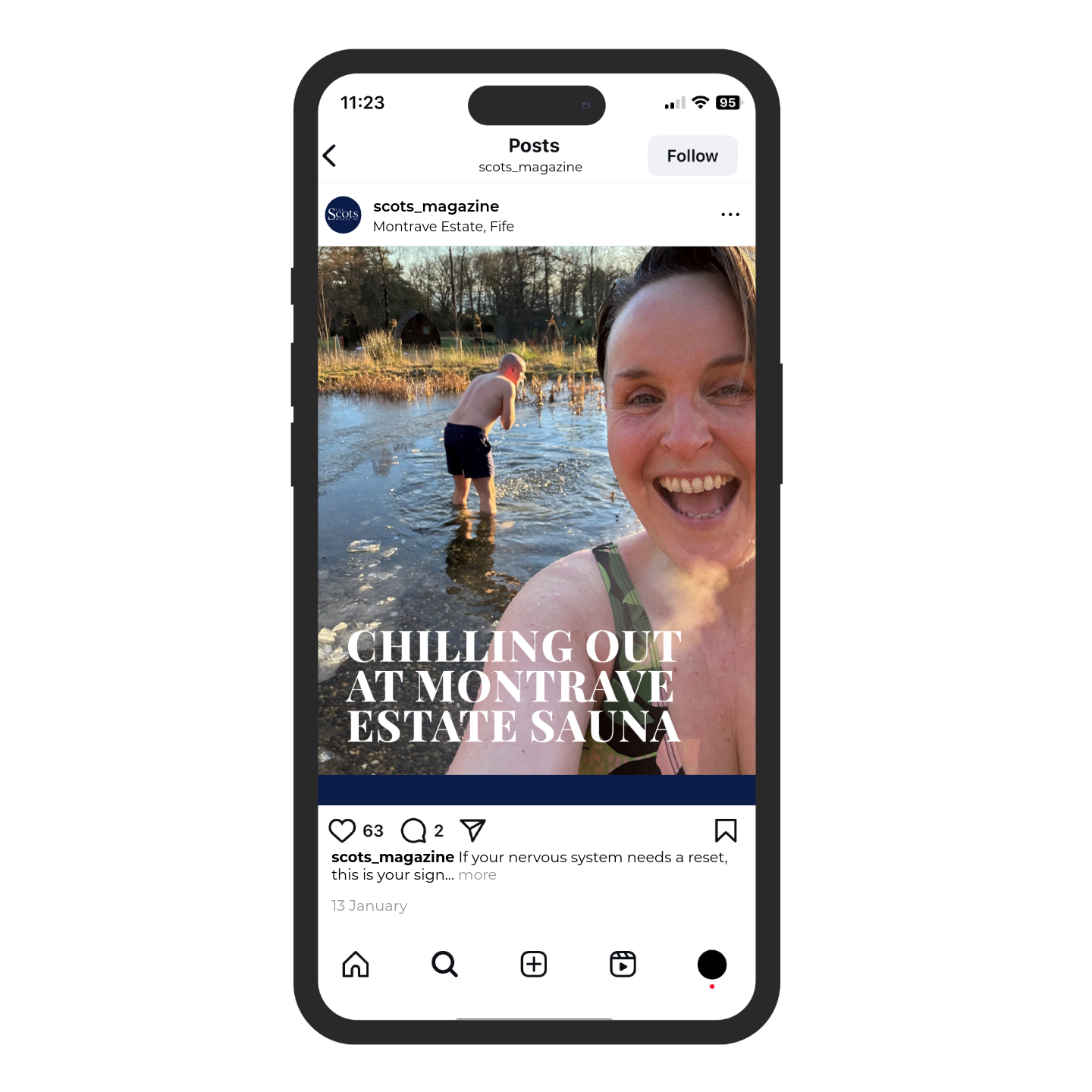
Swimming in the sea or a loch is classic coorie. It’s a Marmite activity: some people stare in horror, while fellow wild swimmers exchange a knowing smile. The initial plunge is always cheeky, no matter how thick-skinned you think you are.
There’s shoulder hunching, sharp breaths, teeth gritting – and then, almost suddenly, a kind of calm that’s hard to put into words.
Wild swimming connects you to nature in a way that walking alone can’t quite achieve. It carves a wedge of screen-free time into your day, leaving no room for distraction.
The cold water sharpens focus
There’s no option but to be present: to listen to the watery feedback bubbling in your ears, taste salt on your lips, and watch waves ripple at eye level, merging seamlessly with the sky. It’s like a gigantic infinity pool – and it’s completely free.
Once the cold seeps in a fraction too far, it’s coorie tradition to warm up with a flask of tea and gobble a “shivery piece” – the Scots term for a post-swim snack.
Of course, care is essential. Always swim with others or ask someone to spot you from shore, check tide and weather conditions beforehand, and bring warm layers and a hot drink for afterwards.
Winter wildlife
In winter, vitamin D is scarce and daylight feels precious. But as the saying goes, there’s no such thing as bad weather – only bad clothes.
Bundle up in cosy knitwear (the height of coorie fashion, after all), step outside, and breathe in crisp winter air for an instant lift.
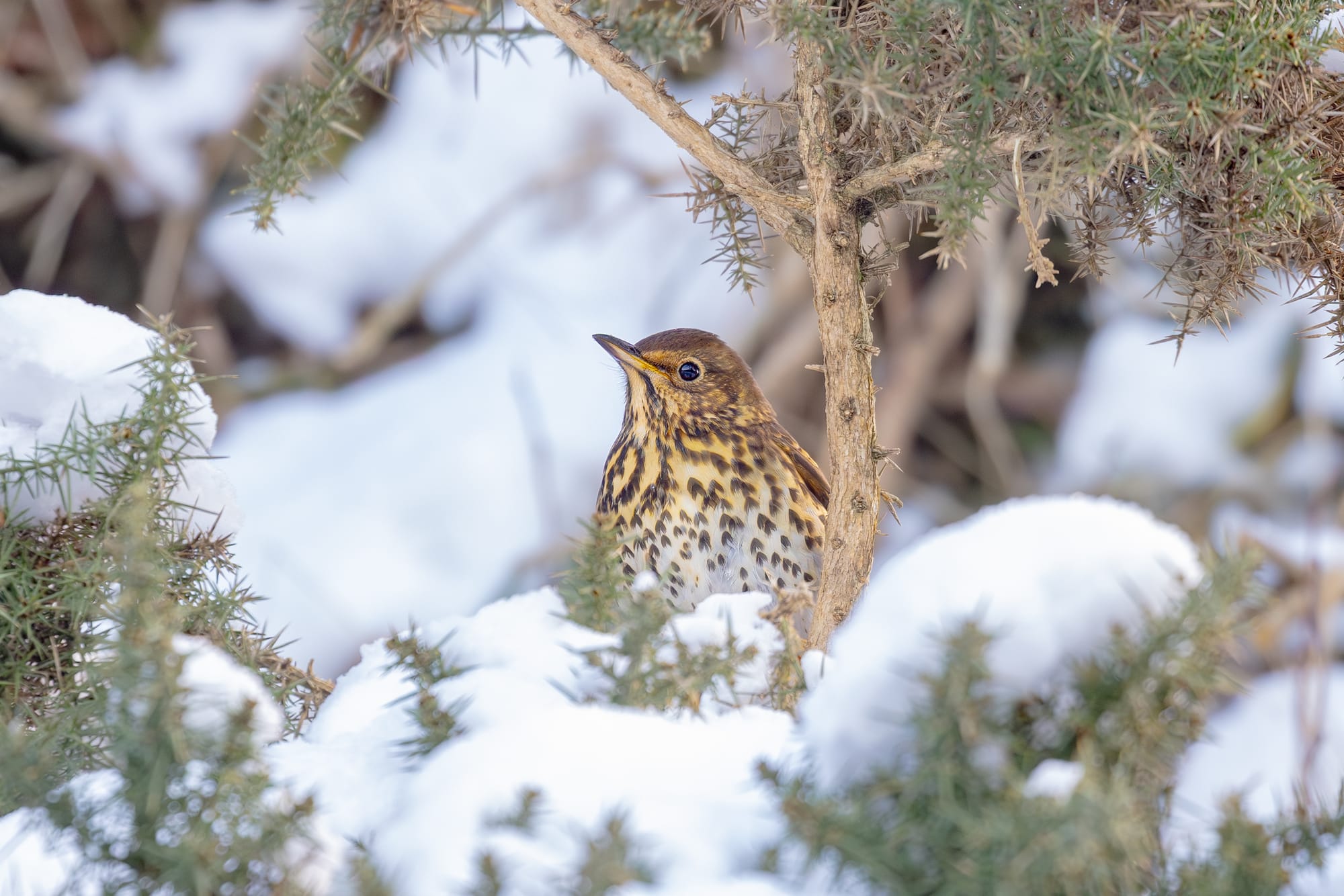
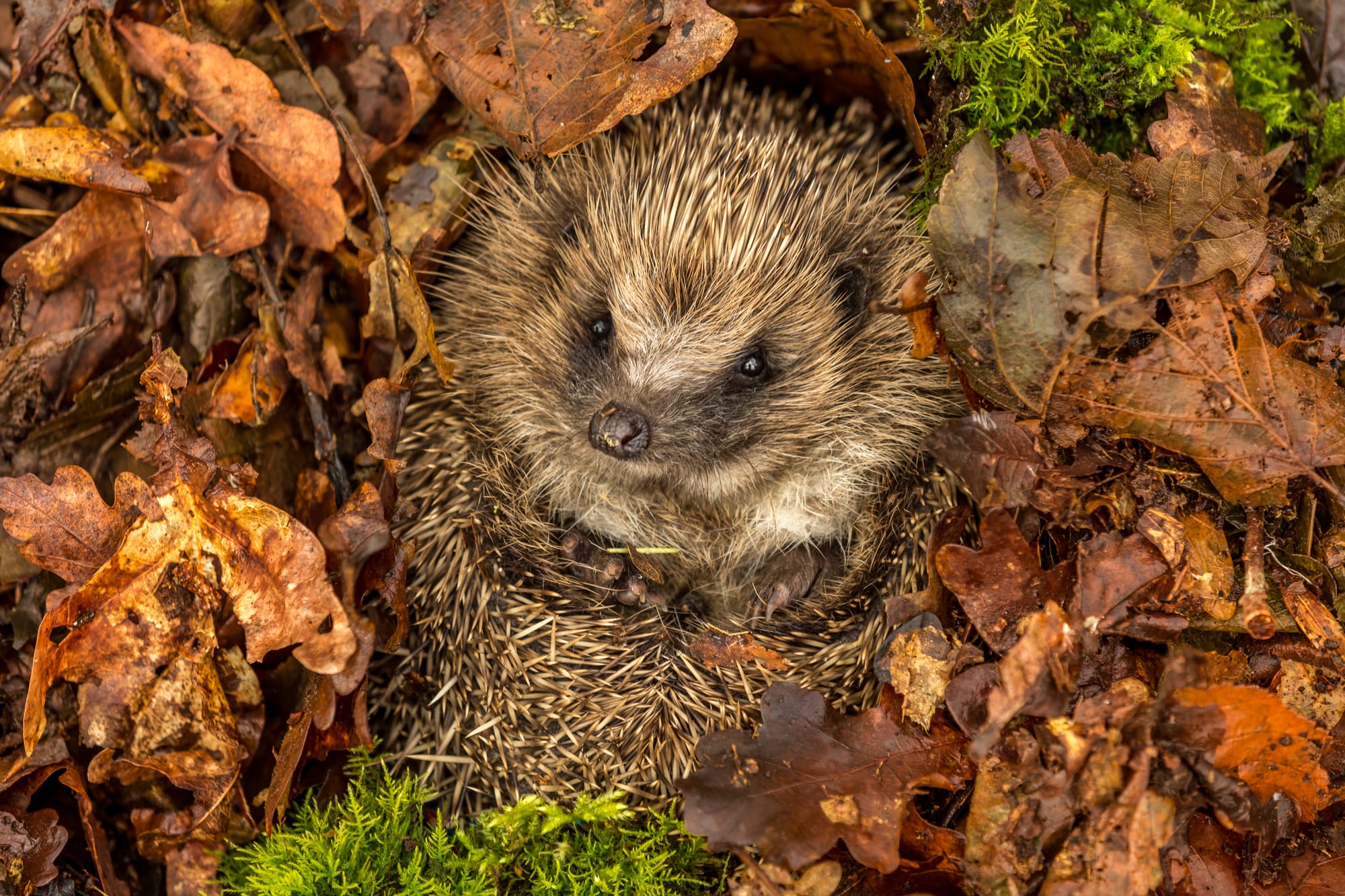
While some wildlife quietens down – hedgehogs, for example, are usually hibernating – many birds remain active.
With trees stripped bare, winter offers clear, unobstructed views of hardy robins, goldcrests and blue tits foraging for food.
Frost reveals its own artistry, too: tiny crystalline cubes on leaves, feather-like curls on windowpanes.
If snow falls, turn detective. Look for tracks pressed into the ground by roe deer, squirrels or even badgers, quietly telling the story of who passed through before you.

Winter also brings visitors from further north. Migrant waders, ducks and geese can transform a quiet estuary into a hub of life from dawn to dusk.
Along the coast, keep watch for grey seals giving birth – fluffy white pups resting on beaches while storms rage offshore. If you’re lucky enough to spot them, admire from a distance and keep dogs close to avoid disturbance.
Reading about the landscape indoors
On dreich days when all you want to do is coorie in under a blanket, the outdoors can still be explored through Scottish nature writing.
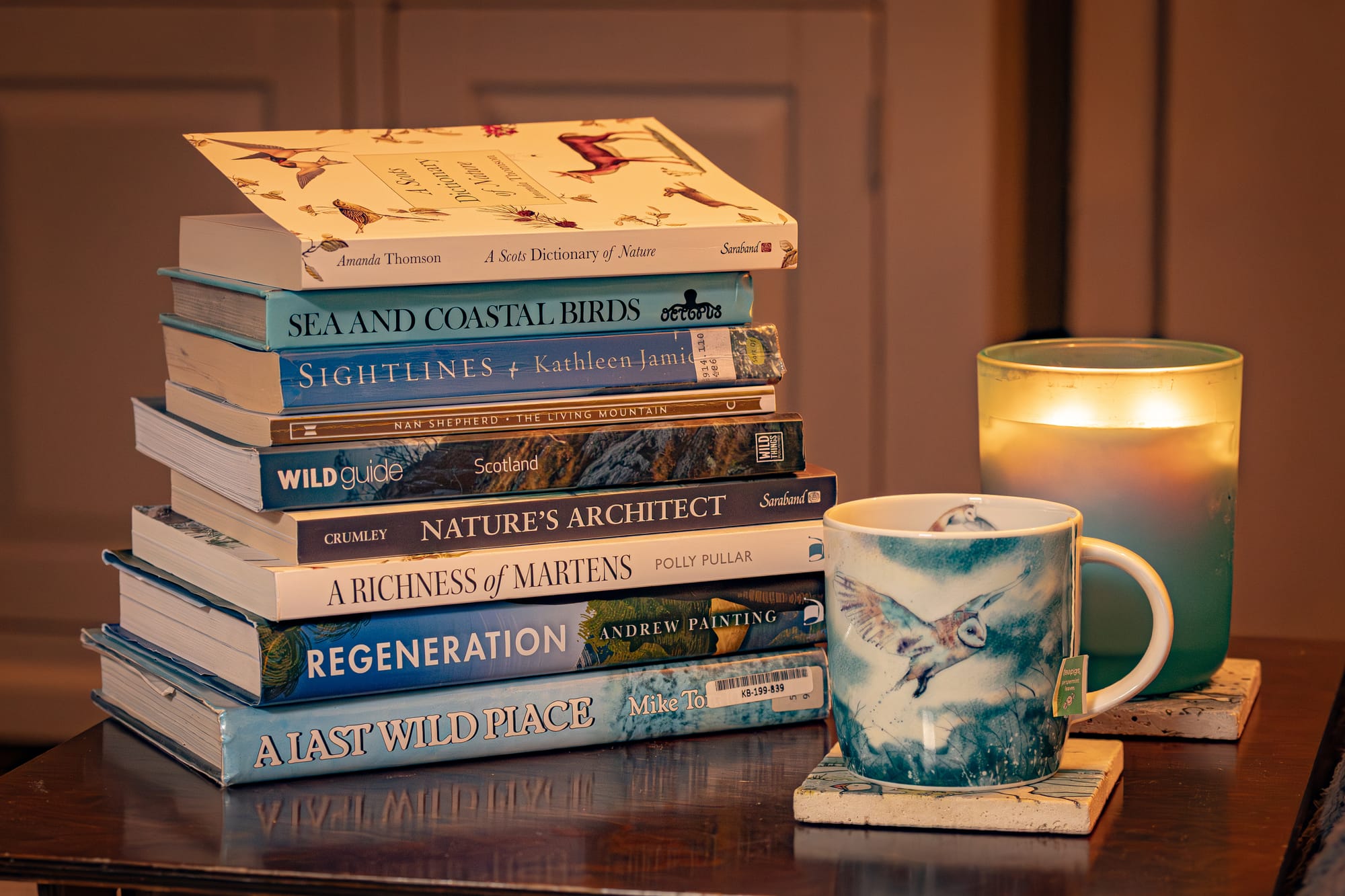
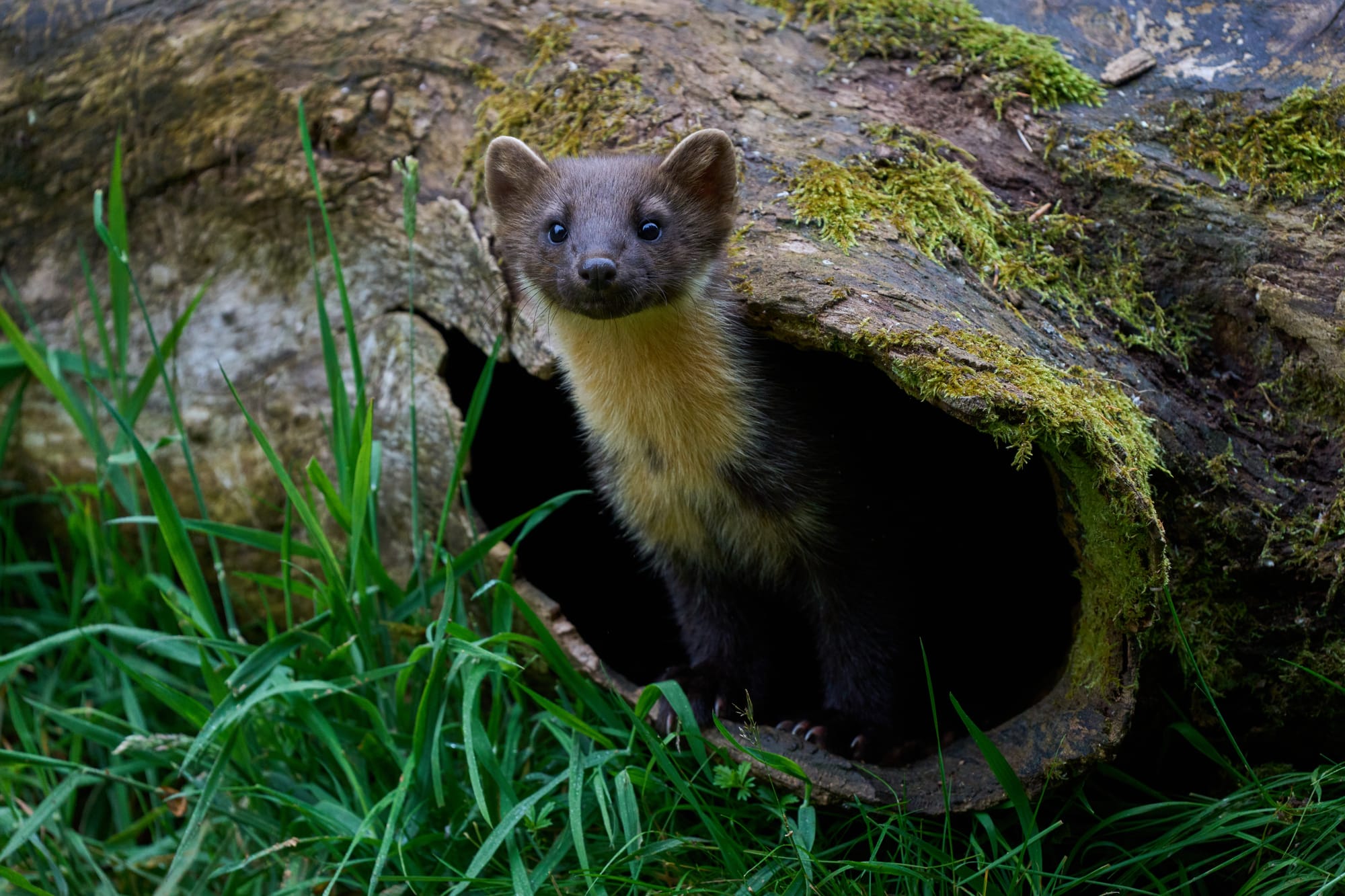
Kathleen Jamie’s Sightlines invites readers to pay attention to both the vast and the minute – from sweeping landscapes to the delicate pores of whalebones. In A Richness of Martens, Polly Pullar chronicles encounters with snipe, cuckoos and pine martens.
While Mike Tomkies’s A Last Wild Place recounts life in a lochside cottage in the Western Highlands, including close – and sometimes bizarre – wildlife encounters.
If myth and magic call, Scottish folklore offers selkies, kelpies and the Big Grey Man of Ben Macdui – stories shaped by land, weather and water. For bonus coorie points, read by candlelight with a steaming mug of tea close to hand.
Foraged decor
Coorie encourages us to make the most of what’s around us. Winter walks can yield more than fresh air: fallen leaves, pinecones, shells, sea glass, antlers or feathers can be gathered (ethically and sparingly) and turned into tactile decorations at home.

The act of searching slows us down, sharpening our awareness of place. Creating something by hand deepens that connection further.
These simple craft projects cost little, offer meaning, and are especially satisfying to share with restless kids on long winter afternoons.
Comfort on a plate: clootie dumpling
After cold days outdoors, comfort food matters. Celebrating Scottish dishes is a key part of coorie, particularly those that nourish and warm.
The clootie dumpling is a prime example: a gently spiced steamed pudding studded with dried fruit.
Traditionally associated with Christmas, it’s lighter than a Christmas pudding and famously moist.
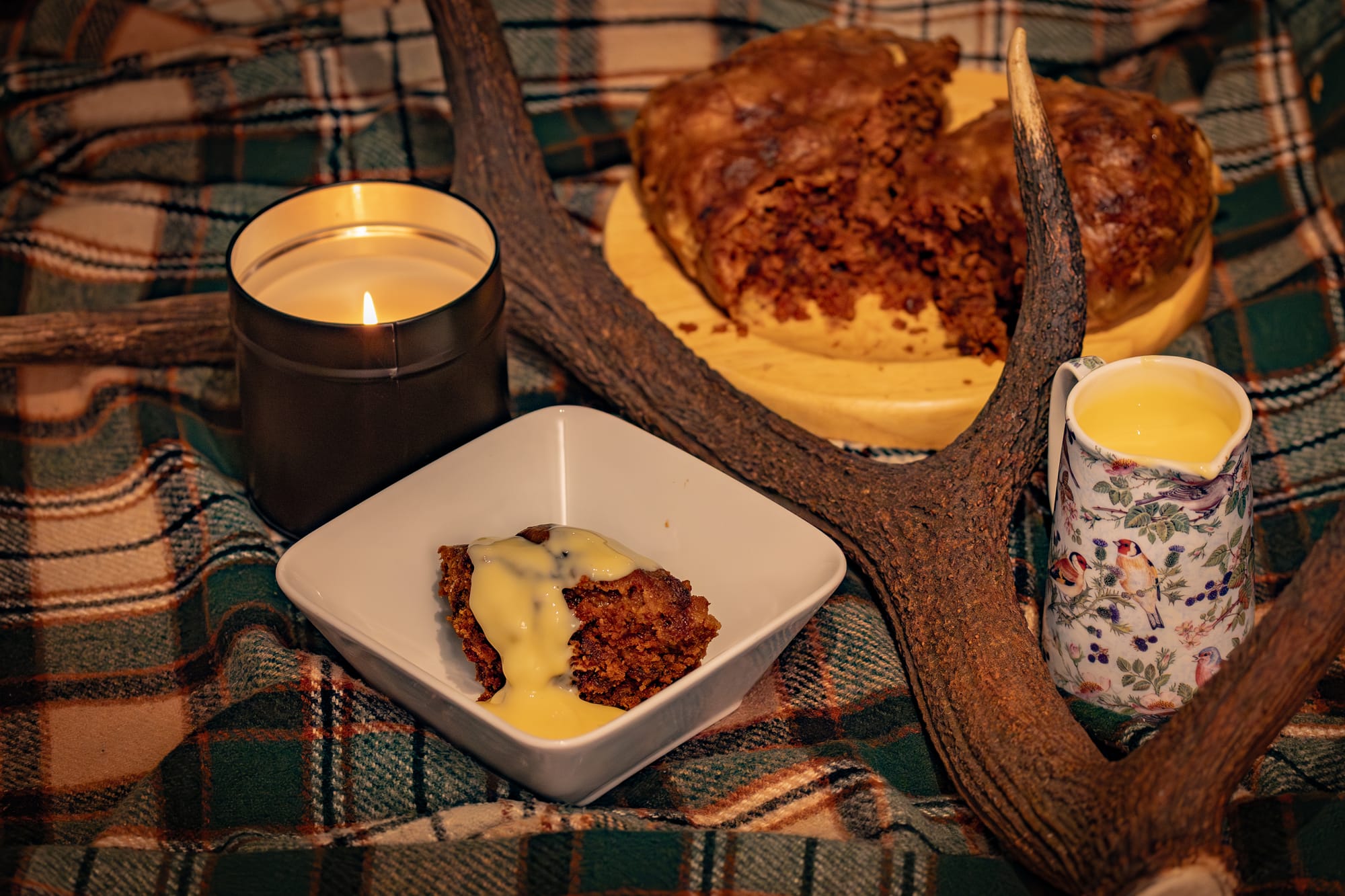
The mixture is wrapped in a “clootie” – Scots for a cloth – and boiled for hours before being dried by the fire (or briefly in the oven) to form its signature crust.
Served warm and slathered in custard, it fills the kitchen with notes of cinnamon and ginger – the scent of winter comfort itself.
Wintering practices for modern life
The darkness of winter is a time of stillness – the Earth pausing before the light returns. Here are four simple rituals to honour the season:
Light a single candle at dawn or dusk, symbolising the sun’s rebirth. Whisper intentions for what you wish to grow as the light strengthens.
Decorate with nature, gathering evergreen pine, fir, cones, rosemary or dried oranges. Green represents life force; pinecones hold potential; citrus carries solar energy.
Welcome the darkness by turning off lights and screens for one evening. Sit by candlelight, journal, meditate or sip herbal tea – mugwort, cinnamon or cacao – reflecting on what has passed and what is ready to be reborn.
Share a cosy meal of warming foods – root vegetables, nuts, grains, and cosy mulled wine or cider. Bless your food before eating to acknowledge how the Earth sustains us.
📸 Rebecca Gibson, Shutterstock, Adobe Stock.
Gallivant Survey
Please take some time to read these five articles.
- Lochinver: https://www.gallivant.scot/discover-lochinver-scottish-ruins-rocks-rapids/
- Porridge Championships: https://www.gallivant.scot/world-porridge-championships/
- Knoydart: https://www.gallivant.scot/knoydart-scotlands-last-wilderness/
- Edinburgh's Green Spaces: https://www.gallivant.scot/edinburghs-green-spaces/
- Ghostbusters: https://www.gallivant.scot/highland-ghostbusters-castle-menzies/
The survey link can only be clicked on once – if you click before reading the articles you can’t retake the survey (or enter the prize draw at the end).
As a thank you for your help, you’ll have the opportunity to enter a prize draw for your chance to win £50!
Complete the survey here.
Time to coorie down and read on...
 Daniella Theis
Scots Snippet
Word of the Week

"Piece”
(n.) - a sandwich, or a snack between bigger meals.
A piece typically means a sandwich, but it can also be used to refer to a smaller snack – a "playpiece" is what children take to school for break times.
Have you heard this word? And would you use it for a sandwich, a snack or both? Let us know in the comments!
Find more ways to connect with nature on Instagram




Member discussion