
Across the sea to Barra: Discover history, rebellion and stories that shaped the island
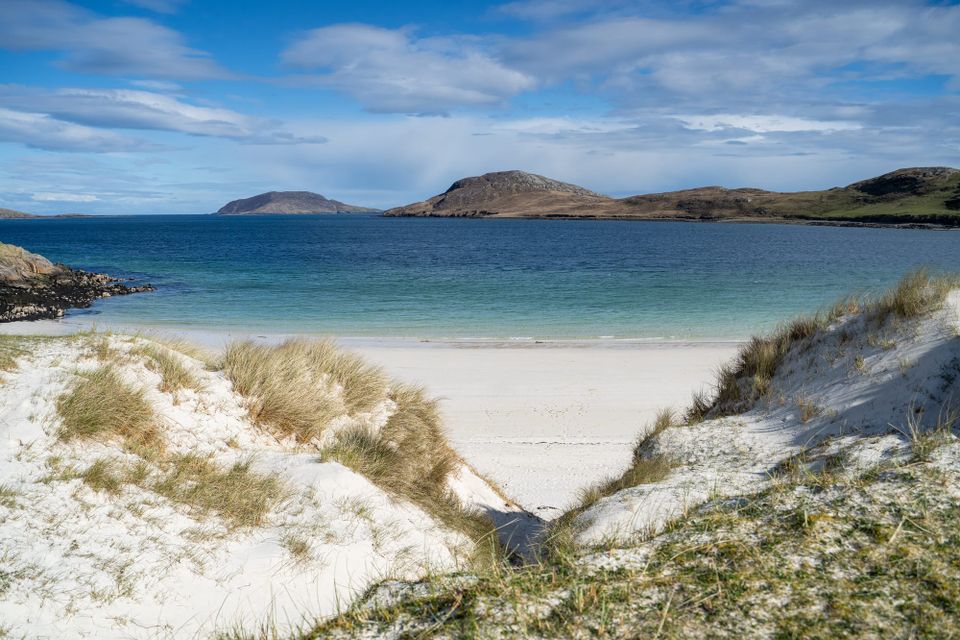
"THIS ferry is great, and it is much bigger than I thought it would be,” I said to a fellow passenger as we sailed out of Oban for Barra.
“This isnae our ferry. It’s much smaller than the usual one. It’s a nightmare getting space for a car on here,” they replied.
It was a reminder that, for islanders, getting to Barra isn't always straightforward. Winter ferry disruption has become an unfortunate fact of life.
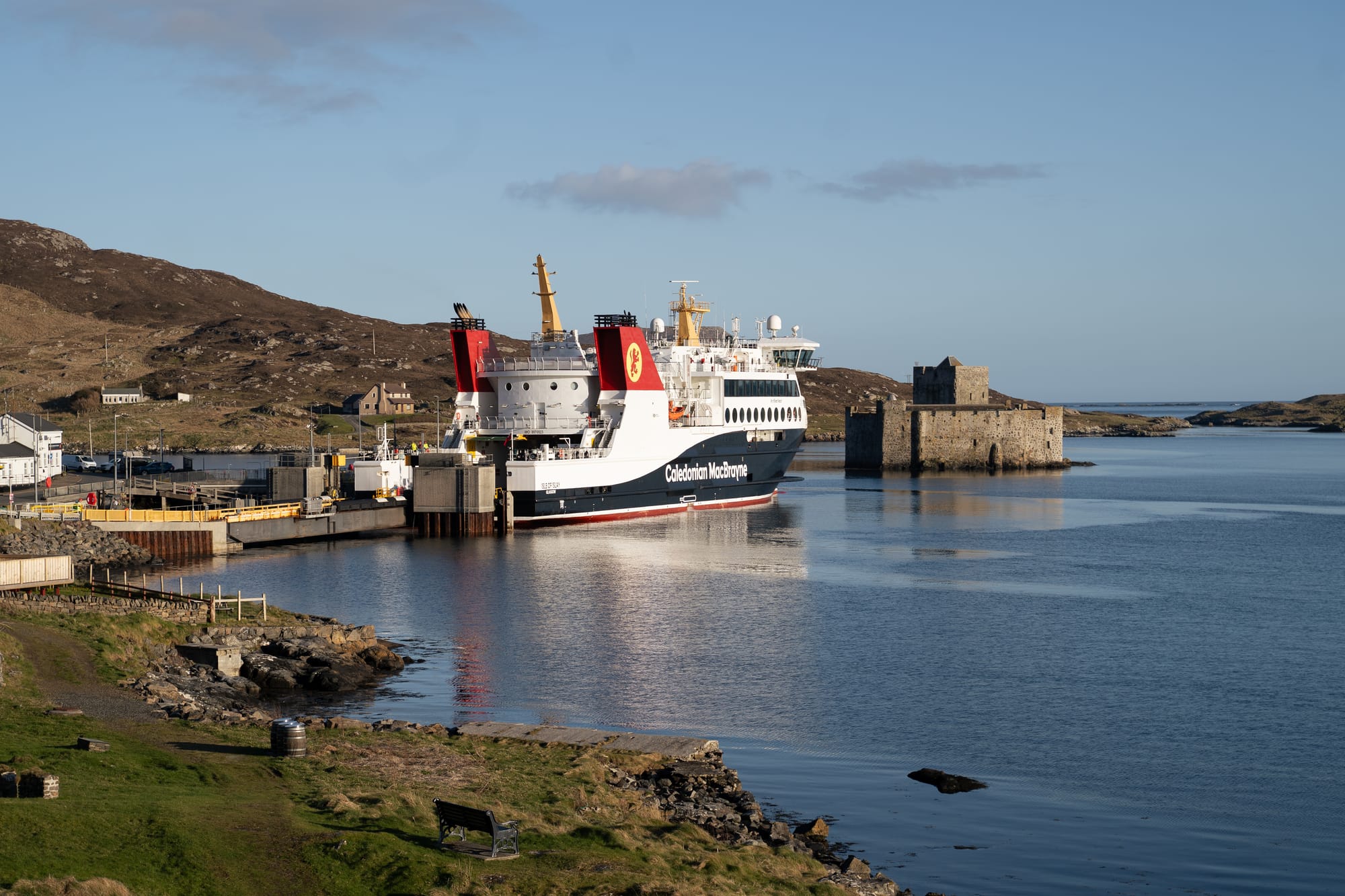
For visitors, though, the crossing remains one of Scotland's great journeys, carrying you into an island world of white beaches, ancient stories and remarkable resilience.
Getting to Barra: Ferry and beach airport
Visitors can also fly into Barra, the world's only airport where scheduled flights land on a tidal beach. This year marks 90 years since the first commercial service touched down on Traigh Mhòr.
For many people, Barra is a once-in-a-lifetime trip. Home to just over 1,200 people at the southern tip of the Outer Hebrides, it feels gloriously removed from the rush of mainland Scotland.
Exploring Barra: History, Castlebay and Heaval
I came to Barra expecting beautiful beaches. I left thinking about rebellion. There is the beach where Bonnie Prince Charlie landed to start the Jacobite risings, the stone fortress guarding Castlebay, and the land reclaimed by the Vatersay raiders.
Castlebay village arrived on the horizon like a mirage. After hours of ocean punctuated by snarling skerries and long moments gazing on the huge anvil of cliff that dominates the island of Rum, the houses cosy in their sheltered cove seemed out of place there; a couthy bield in a harsh land.
By the time we reached Castlebay, the afternoon sun had turned amber over the harbour. I wanted to get my bearings, so parked up pronto and set off climbing the highest hill on the island: Heaval.
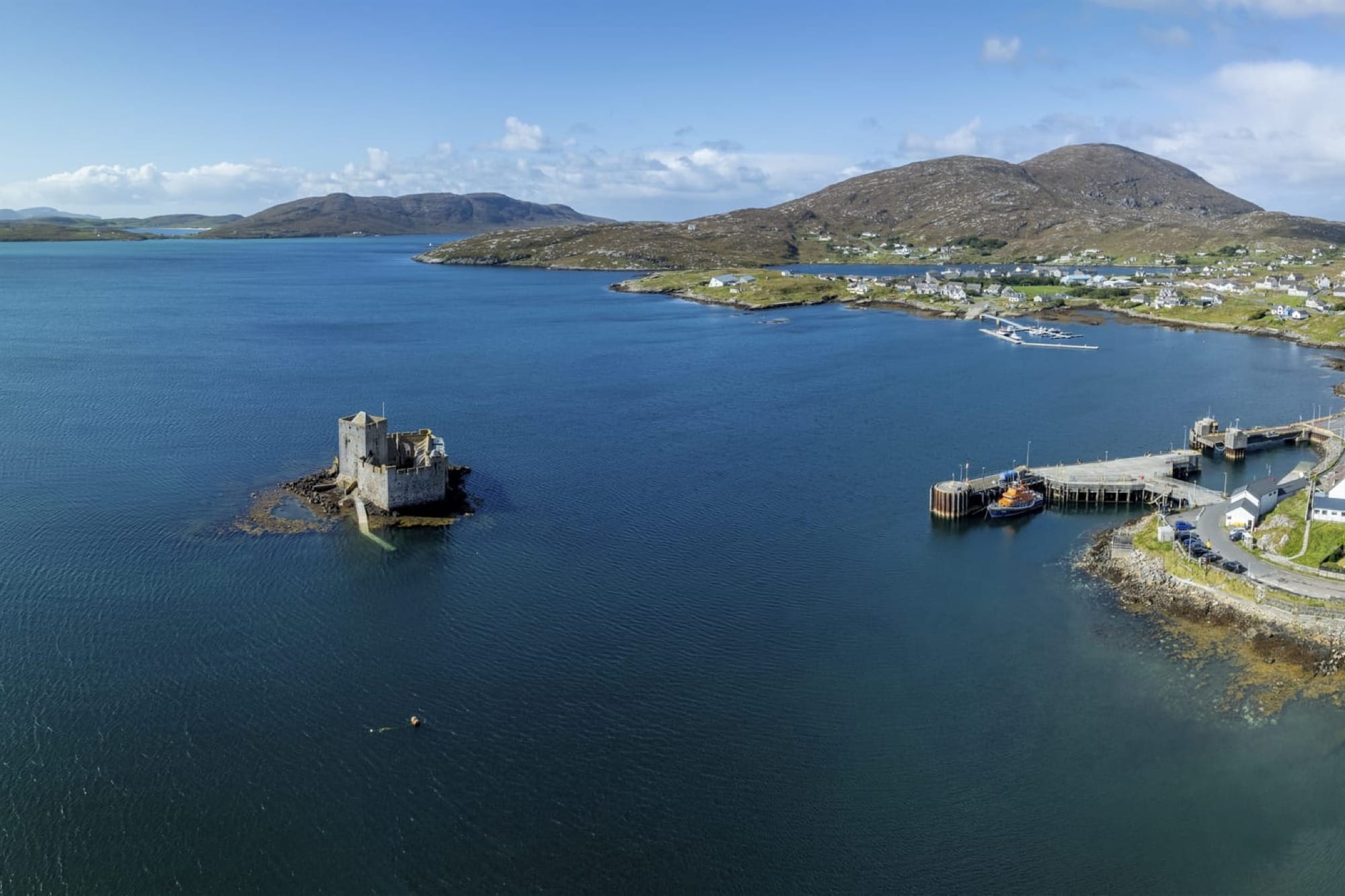
The climb was short, and because Barra is almost treeless, the views open almost immediately.
Barra is the largest of a half-dozen or so small islands at the very southern tip of the Outer Hebrides, with ocean on three sides and Eriskay and South Uist to the north.
In the setting sun’s contrasting light, the islands sat in their sea looking like black coal shards cast into a mercury pool, the silver surface of the sea spreading away into the haze of horizon. These were the islands I’d read about but never seen.
I could see Vatersay, once a separate island, now joined by a thin causeway to Barra.
The Vatersay Raiders: The rebellion that changed Barra
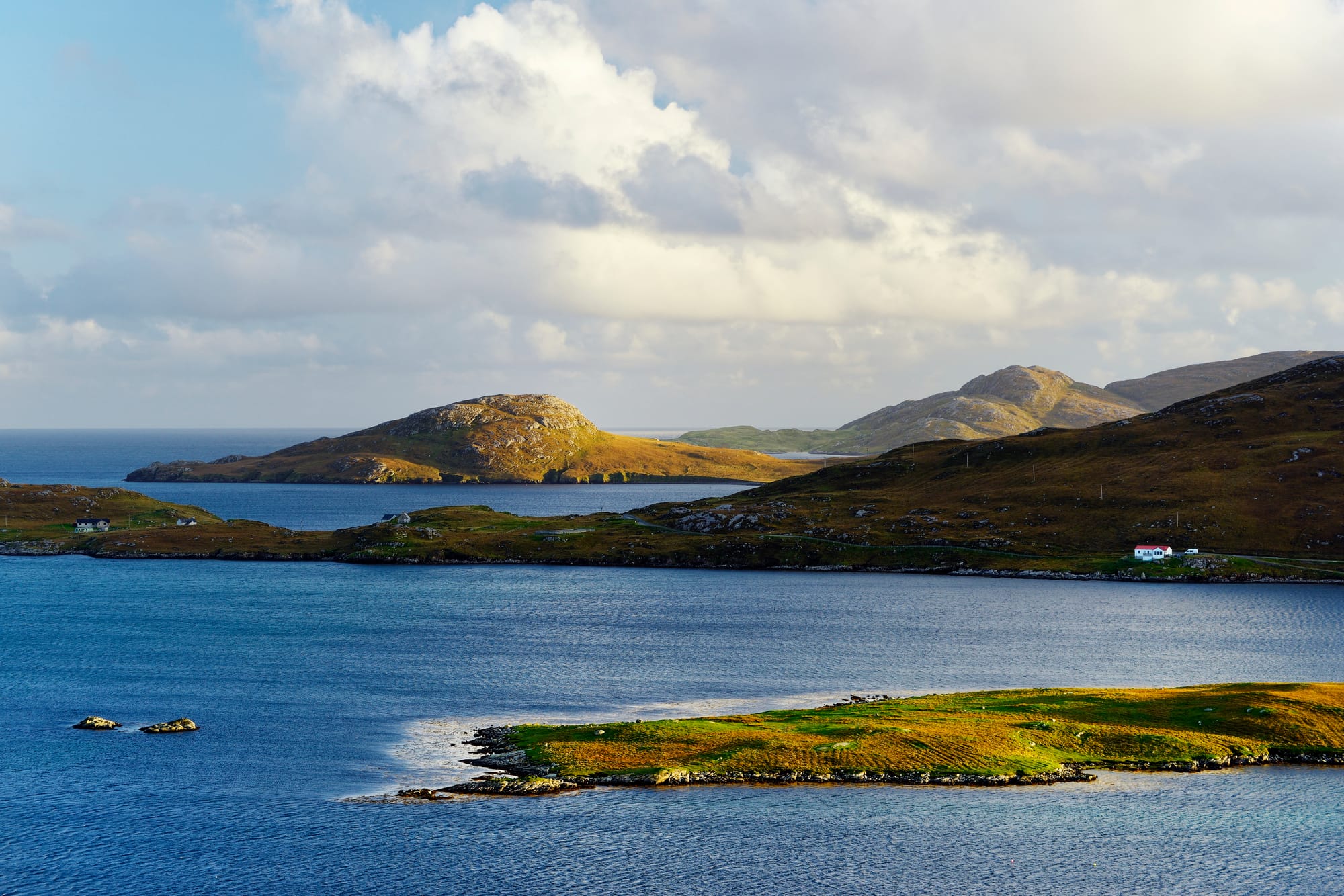
Today Vatersay feels impossibly peaceful, but a century ago it was front-page news across Britain. In the early 1900s, families here had been squeezed onto tiny folds of land that were unable to sustain them, or at best sustained them at the very edges of survivable poverty.
A surge in the population stressed matters further. An absentee landlord owned Vatersay and leased out land for profit.
In 1906, men from Barra decided to raid and occupy the land on Vatersay. The initial plan was to take cattle across there and graze them.
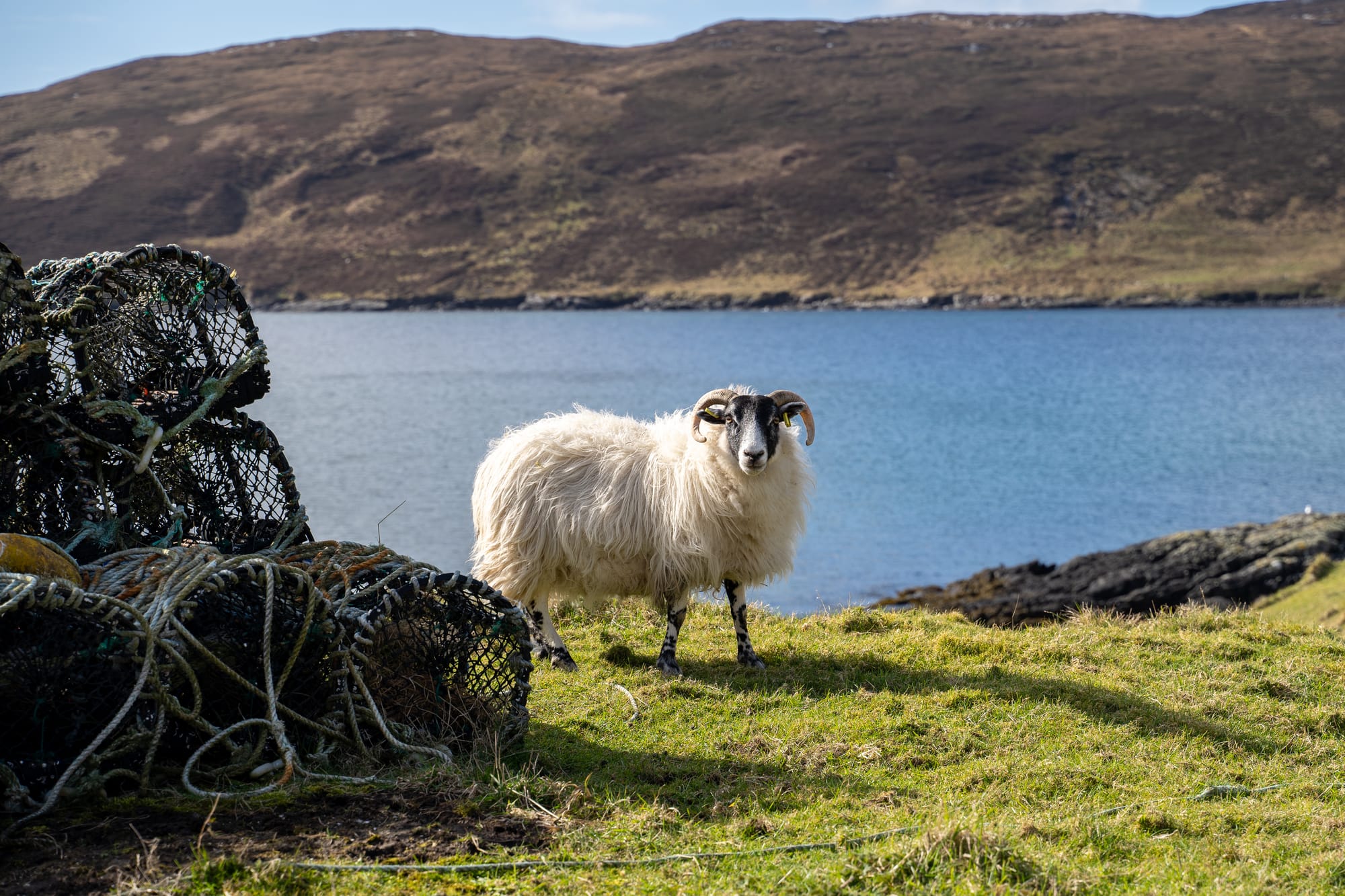
Some men went further, invoking an old cultural law that you could claim a right to land if you built a home and lit a fire in the grate. Simple shielings popped up,
and some men did overnight there. It wasn’t long before other land-hungry islanders joined them.
Lady Gordon Cathcart, the owner of the island, took the men to court, but the government, led by a newly elected Liberal party, prevaricated and even seemed to support the raiders. Vatersay became a cause célèbre.
Newspapers were full of the news for weeks, and updates rolled in for months as Westminster debated what to do about the raids.
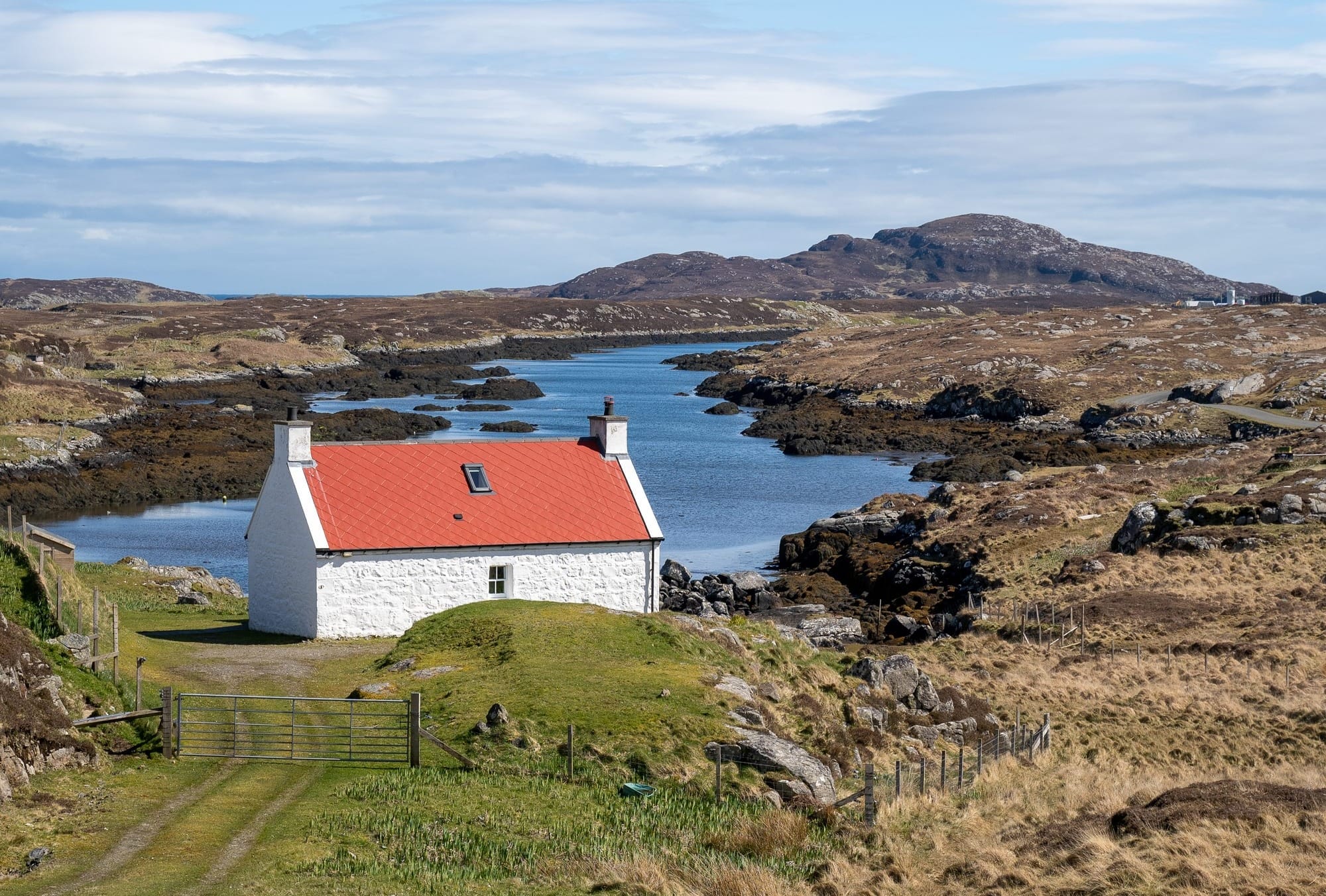
Eventually, many of the men who raided the land were arrested, tried and jailed. But the public pressure was so huge that the government was forced into nationalising the island, parcelled the land up into croft lands and giving it away to many of the men who had raided it in the first place.
The scattered modern houses on the islands now proclaim the long-term success of these raiders. I think this outright rebellion and its actors deserve a firmer place in Scotland’s popular memory.
Faith, whisky and Hebridean life
Beneath me on the rocky upper slopes of Heaval was a statue of the Virgin Mary. It’s one of a cluster of icons across the islands that point to a different history here.
The Reformation spread across most of Scotland, emanating from east coast ports like Dundee, Leith and St Andrews. Many Hebridean islands converted, but the southernmost communities held on to their old ways.
My pal Anne Marie, a Barra native, told me that the Presbyterian fishermen from Stornoway would make sure to find themselves down at Catholic Barra on Sundays.
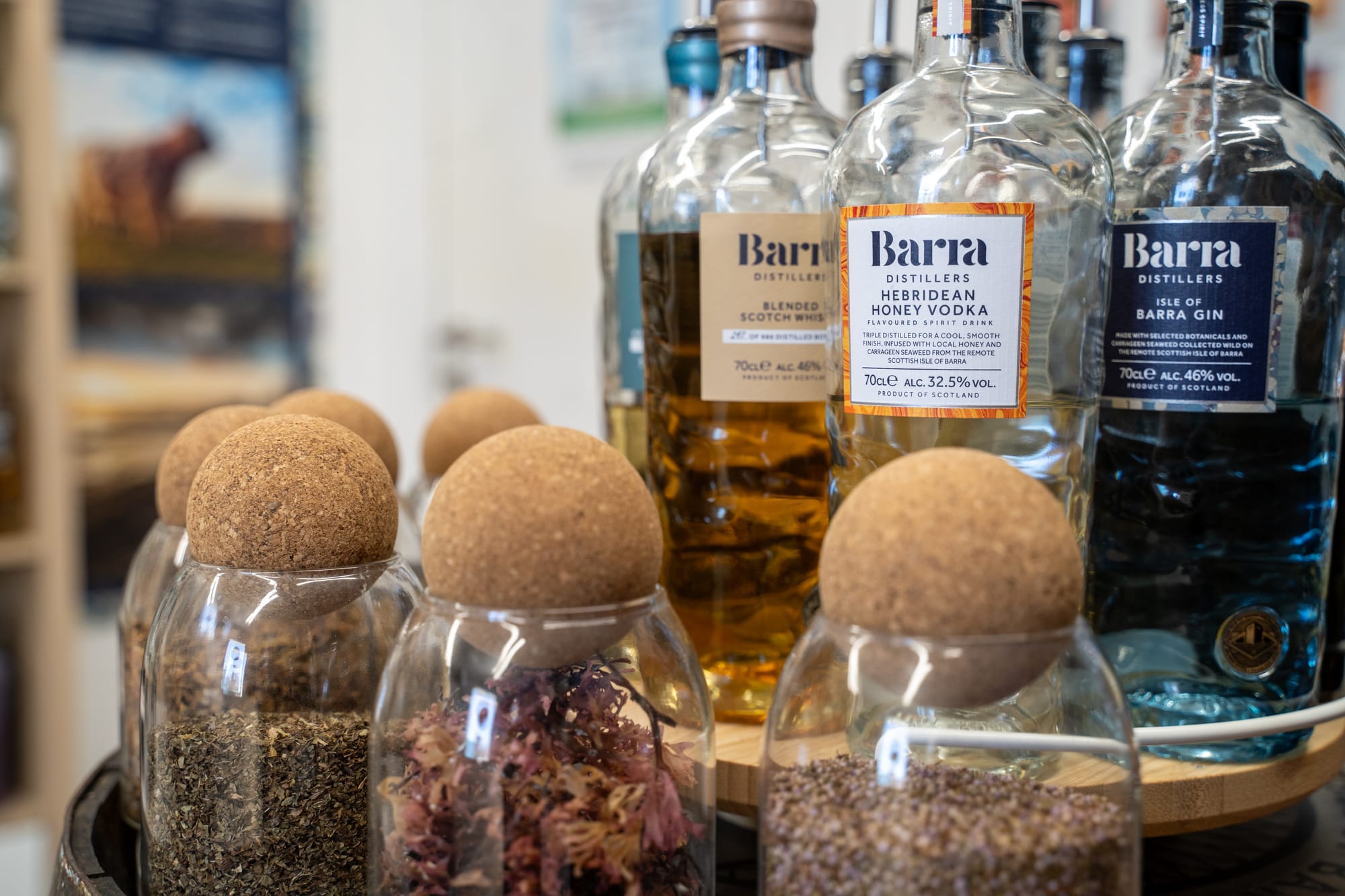
They couldn’t work on the Sabbath, but the pubs in Barra were open, whereas they were closed in Protestant Lewis, so they made sure to step in for a few pints.
I can’t vouch for the truth of that, but from my viewpoint at the top of Heaval, it seemed all too easy for the Stornoway lads to nip south for a Sunday sesh.
Just north of me, half shadowed in the setting sun, was Eriskay. It’s another half-hour ferry across from Barra – a simple car-ferry affair with rusty stairs and windows caked in salt spray. This is where the story behind the film Whisky Galore! took place.
The real story behind Whisky Galore!
In 1941, the SS Politician ran aground and lost hundreds of cases of whisky. The islanders claimed them as their own, burying or hiding them.
In the days following, several local men were arrested for theft. It seems that there was again a clash between what folk here saw as their ancient rights and what the distant government in Westminster saw as their due.
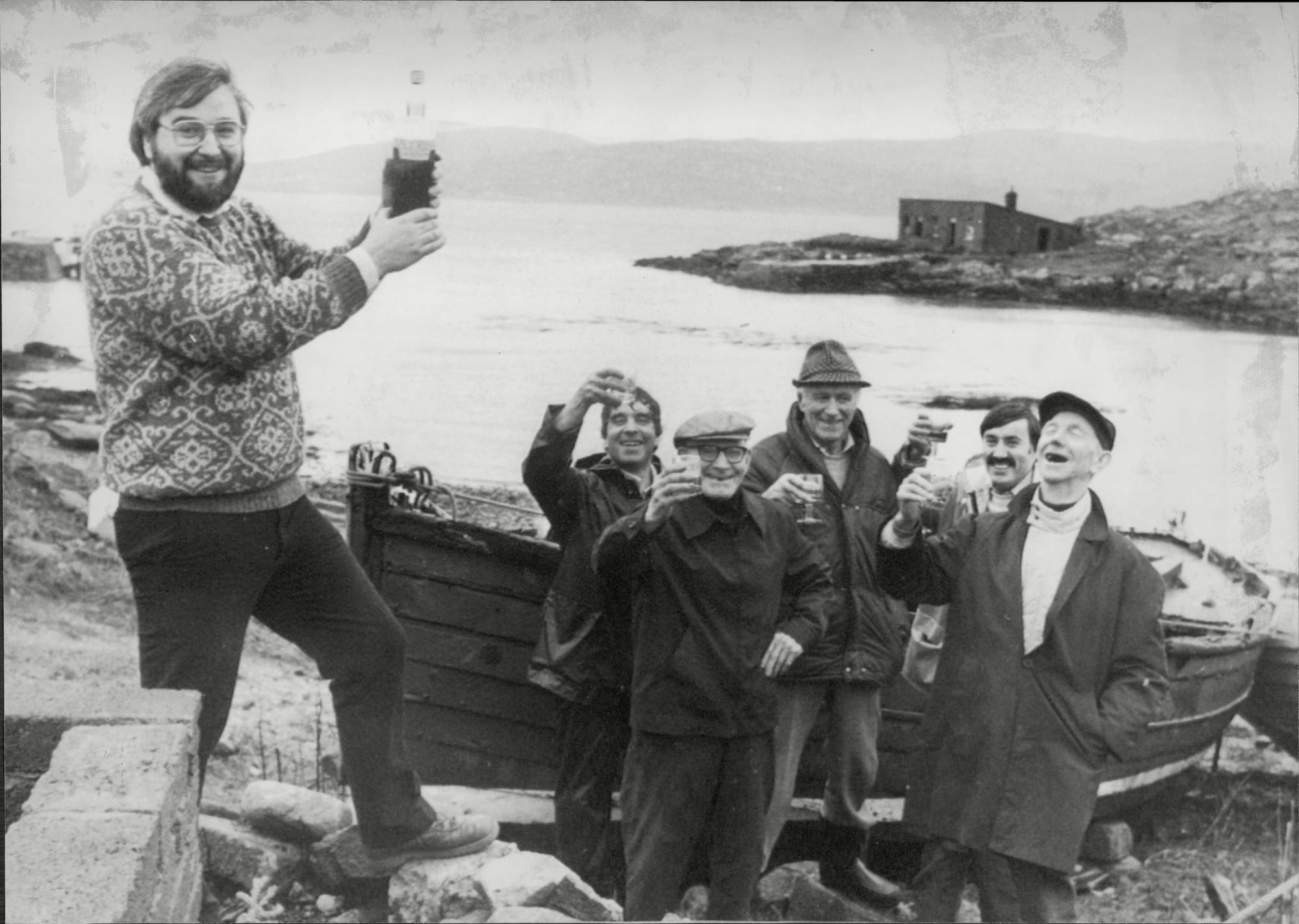
Islanders across Scotland had salvaged wrecks and claimed the right to do so since time immemorial. The government, on the other hand, claimed the ownership of wrecks for the crown.
Down in Eriskay’s only pub, they have on display bottles claimed from the wreck, alongside a flare gun, a machete and some notes of old Jamaican currency: totems of another little victory by the folk in these islands over the distant state.
The sunset from Heaval seemed to last forever, the sun a perfect tangerine disc sliding towards the horizon, somewhere over Labrador, Canada, due west of Barra.
I descended slowly, aiming for my B&B.
Discovering Barra's heritage and family history
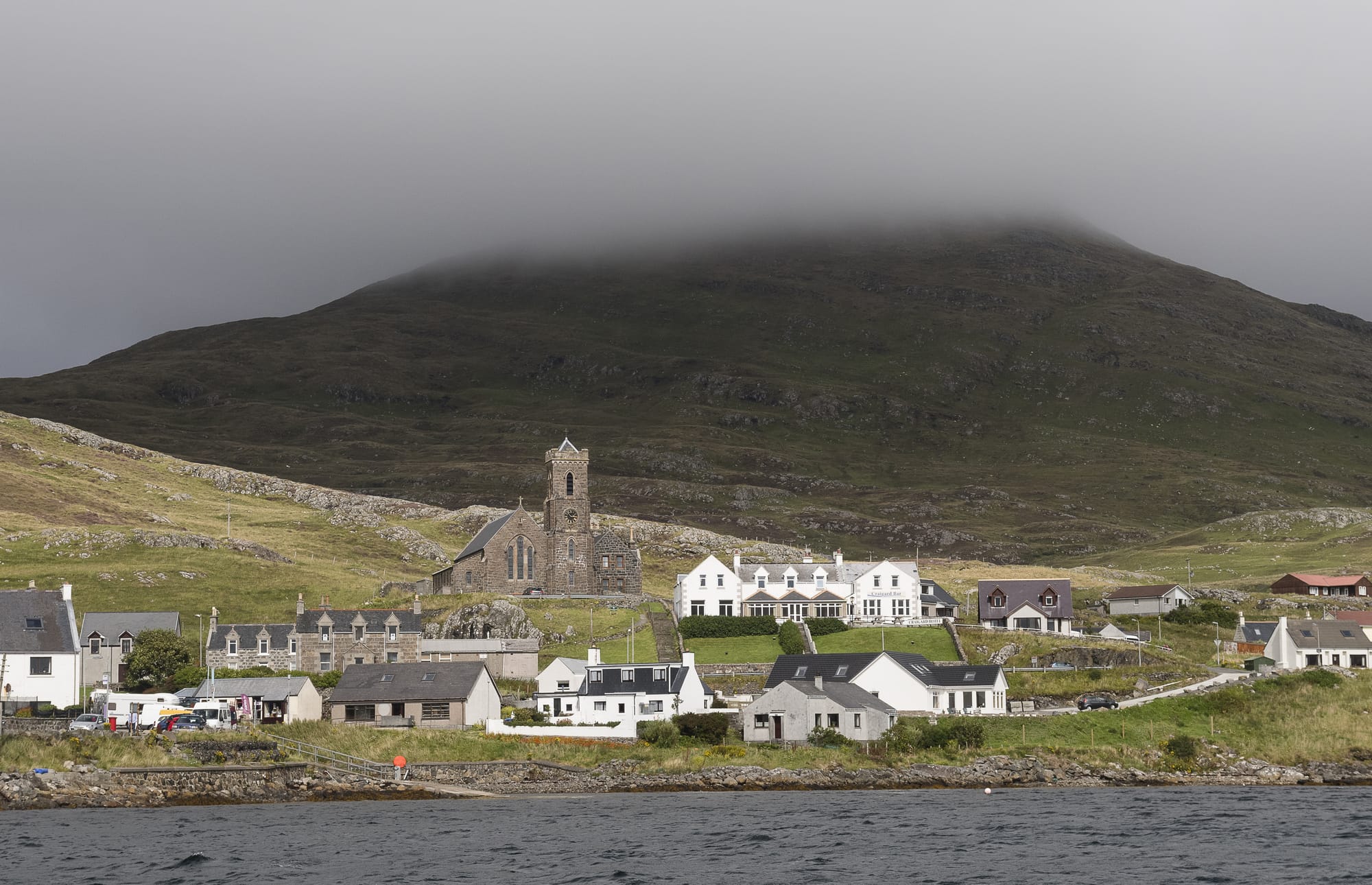
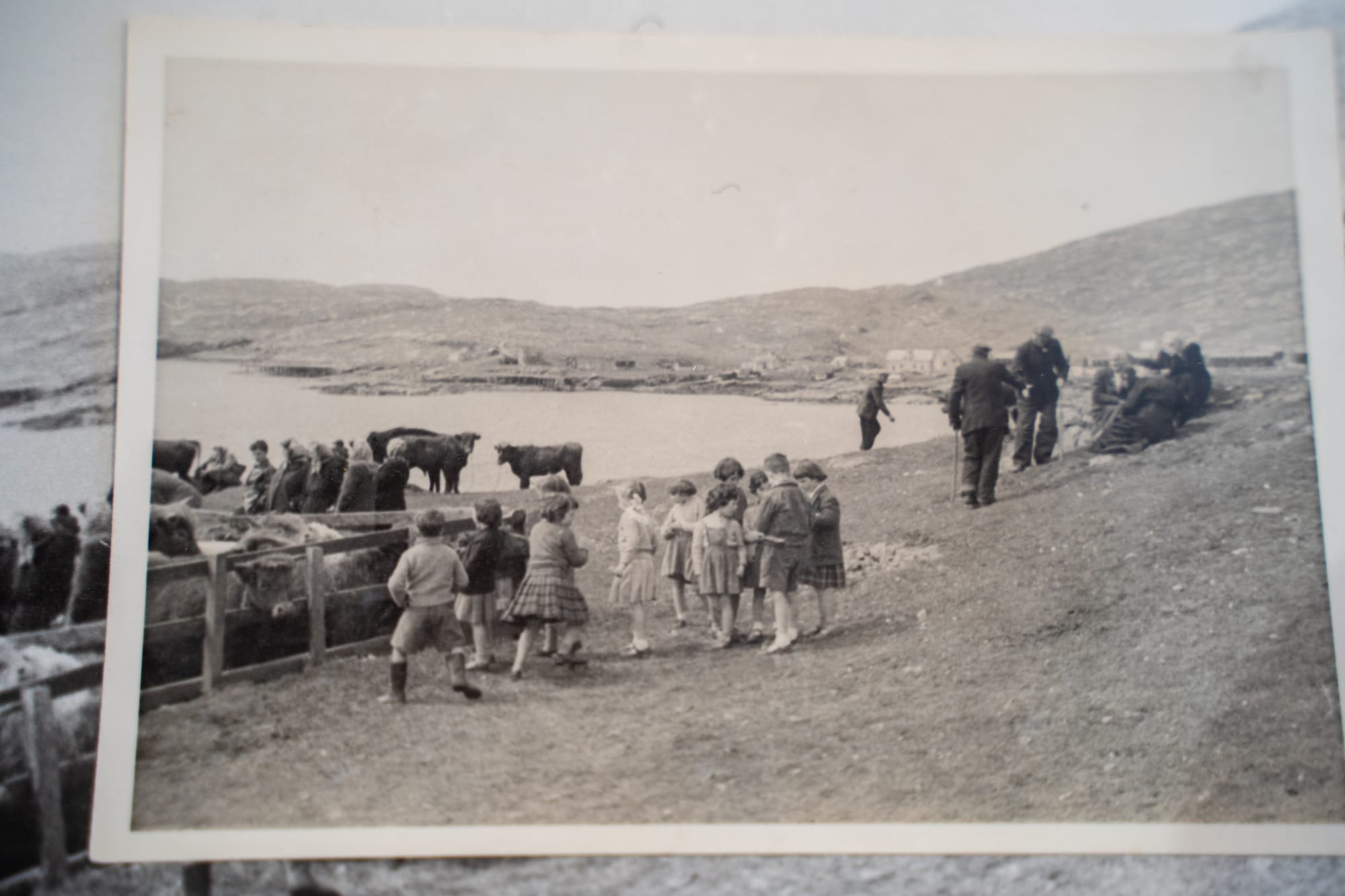
The next morning, I stopped in at the heritage centre in Castlebay. It’s a unique spot: they have the usual small museum collections and panels on the wall recounting important stories. They also have free-to-access archive boxes, showing lives lived on the island for over a century.
I pulled out boxes marked “cattle mart” and leafed through generations of images of Barra folk at work and at play around the auditions of cattle. On the backs of the photos, locals had written the names of everyone they recognised. Truly this is a place of collective memory.
In the tea room at the centre, an older gent from Barra was speaking with two New Zealanders.
Their family had emigrated generations ago from Barra, and the man was helping them connect up the few stories they’d inherited, and the few names they knew, with the people and place their family had left, and to understand their relationships with the modern folk of Barra.
This little heritage centre felt to me like a place where the old wounds of emigration – which saw the population of Barra collapse by more than half – could begin to be healed.
Why Barra stays with you
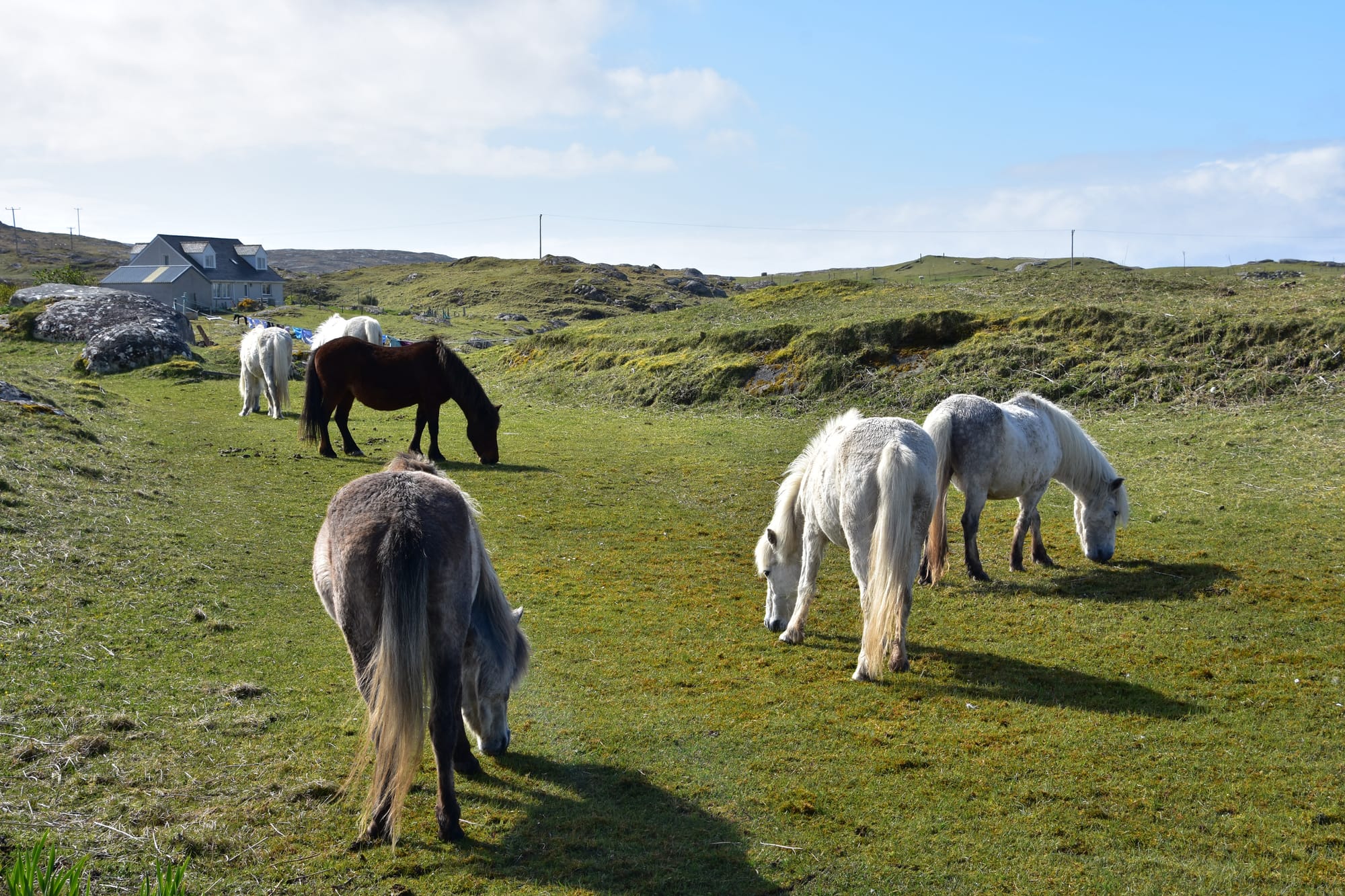
My last day disappeared in a blur of beach landings, Eriskay ponies and one final sunset on the island's western edge.
Suddenly I was back on the ferry to the mainland (still not the correct full-size ferry) with a head full of new stories learned, perspectives gained – and my heart full of a determination to return to these incredible islands to get to know them better still.
📸 Ally Heather, Shutterstock, STOCK.ADOBE.COM
Member discussion