
Clach Thoull: The sea arch walk from Port Appin
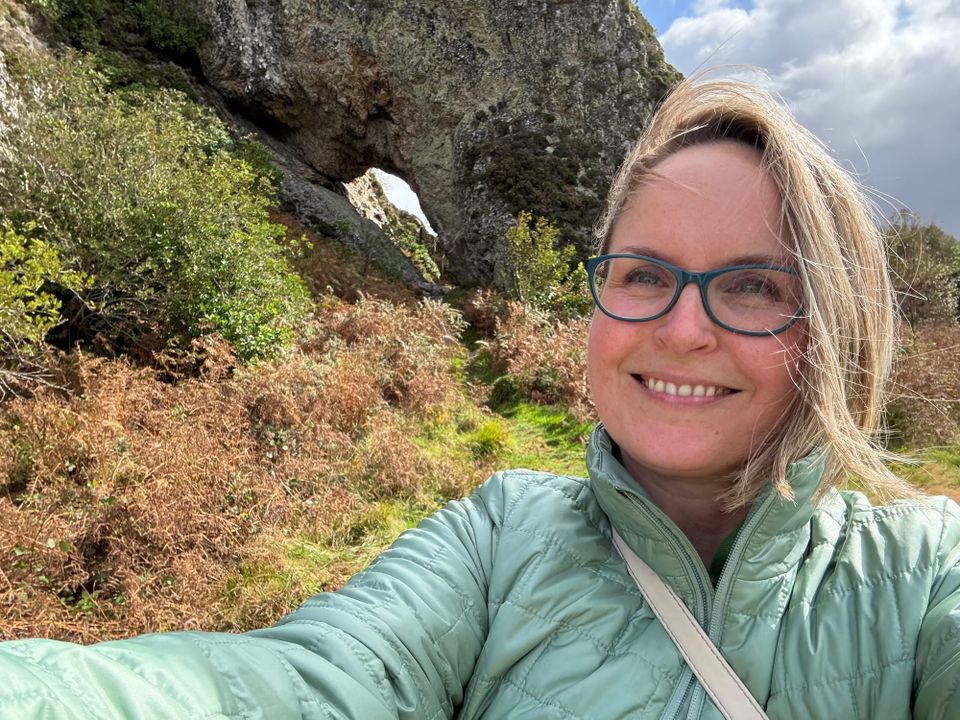
I WANTED a walk before dinner during my stay at the Pierhouse at Port Appin. After a long day of driving, I needed little more than a stretch of the legs and a breath of sea air.
Someone had mentioned an impressive sea arch in the cliffs behind the hotel, so as the evening light softened over Loch Linnhe, I set out to find it.
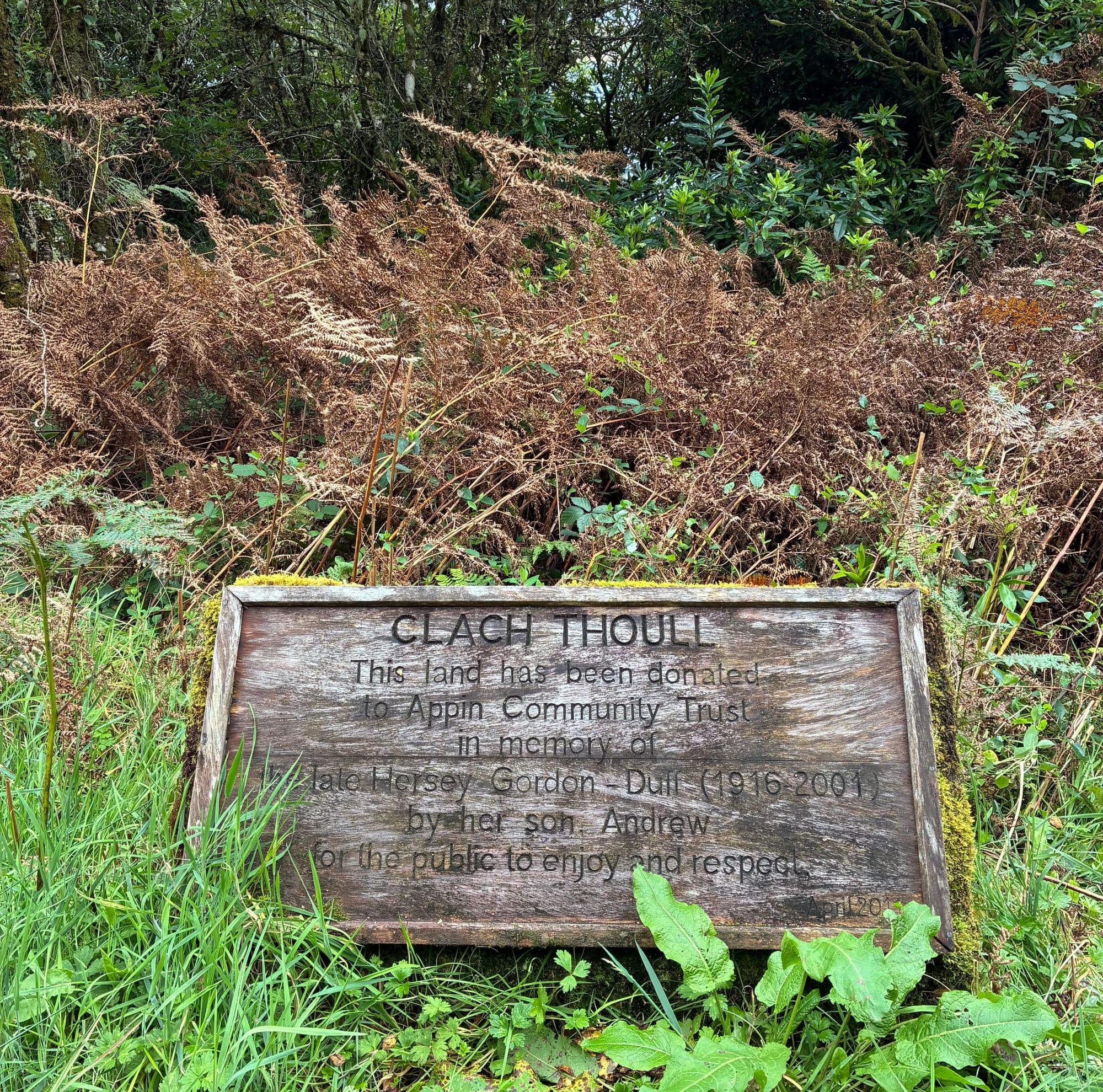
A small sign pointing to Clach Thoull leads away from the ferry car park and behind the buildings at the end of the peninsula.
Paths opens up island views
The path begins on a gravel track and climbs gently. It’s nothing strenuous – just enough of an incline to lift you above the rooftops and reward you with a widening view of the coast.
The land here is community-owned and beautifully maintained. The path is clear and well kept, with the sense that locals value this place and want others to enjoy it too.
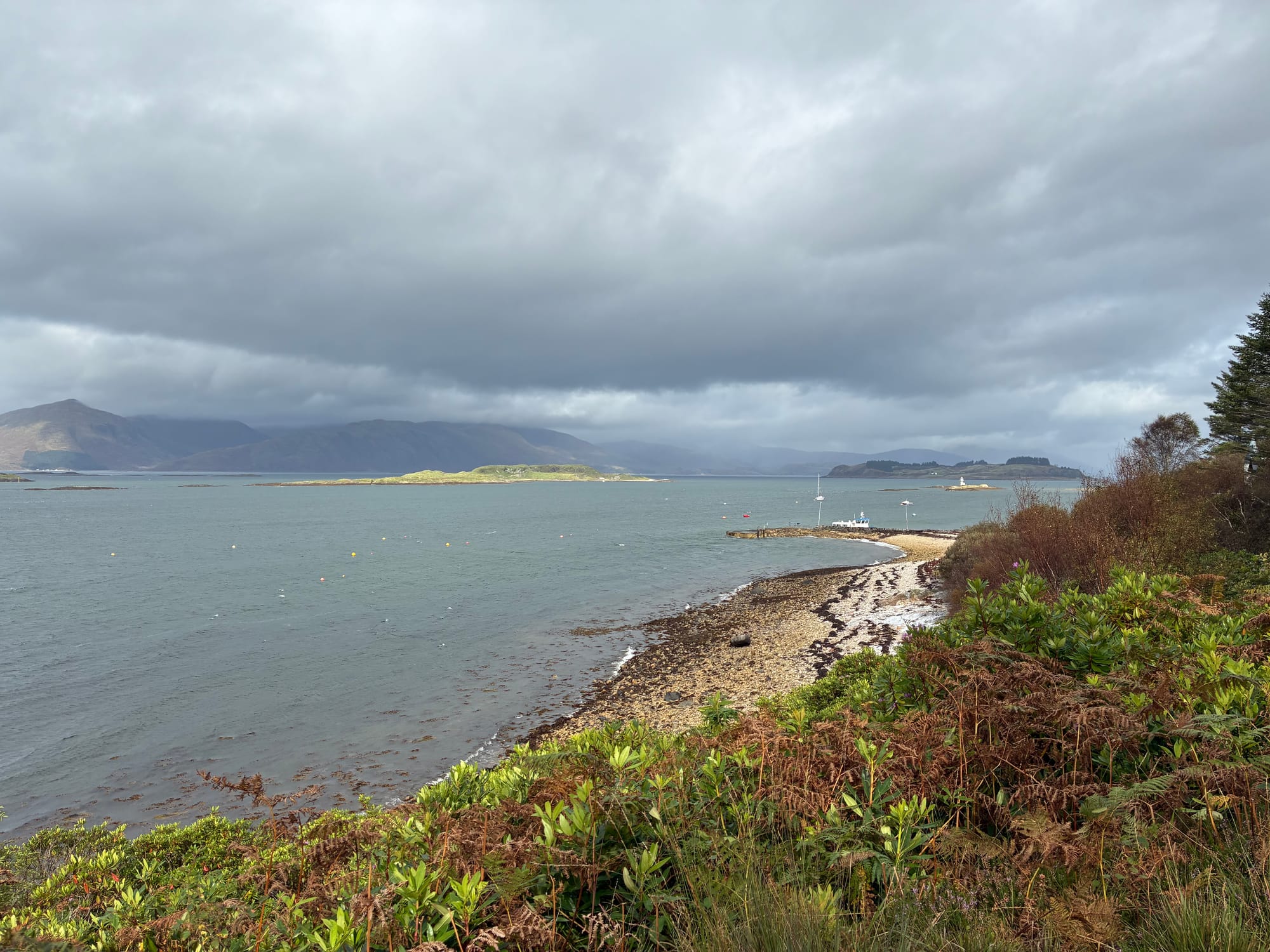
I was tired, but happily so. This was exactly the sort of walk I had hoped for: slow, peaceful, and full of views.
Looking out across the Lynn of Lorn
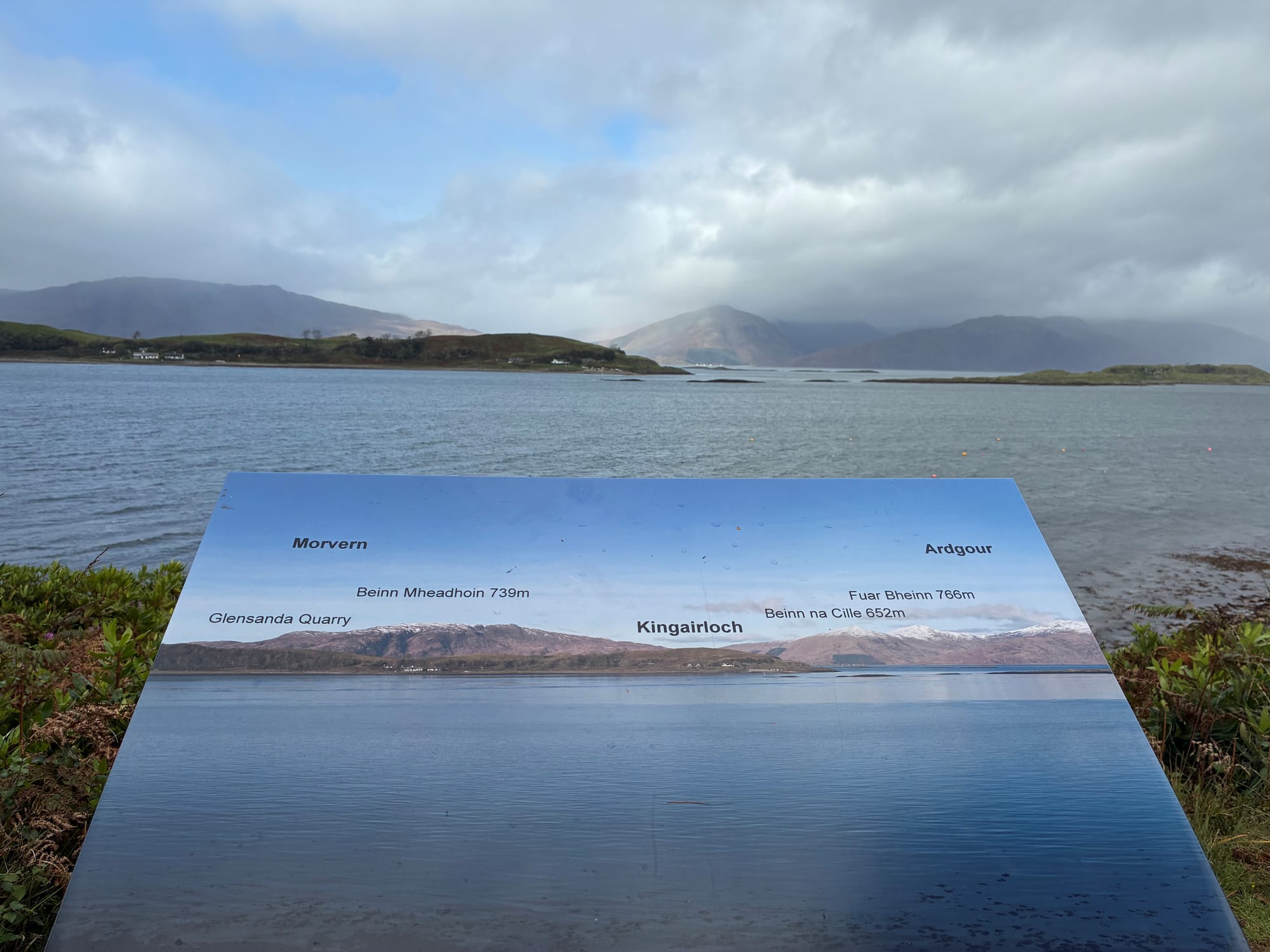
A little further along, a sign identifies the mountains across the water – the huge dark hills that rise on the mainland to the northwest. Now I knew what I was looking at: Ardgour, Kingairloch, and the rugged peninsula of Morvern.
Cloud hung low on the peaks but was slowly lifting, peeling away in wisps that revealed the slopes beneath. The changing light made the whole scene feel quietly dramatic.
Closer to shore lies Lismore, the long green island that sits like a companion to Port Appin. Unlike the jagged hills beyond, Lismore is low and fertile – a gentle ribbon of fields stretching through the water.
The path follows the edge of the headland, with cliffs rising on the left and wild grasses spilling down towards rocky beaches on the right. Every so often a faint path slips away from the main track towards the shoreline.
Naturally, I took every single one.
Hidden coves have a particular pull. Each little bay felt like a discovery – pockets of rock and shingle where the sea had quietly shaped its own corners of the coast.
Fern paths and hidden bays
After one of these beach detours, I decided not to return immediately to the gravel track and instead followed the coastline for a while. On the way back, a narrow path slipped into a small woodland.
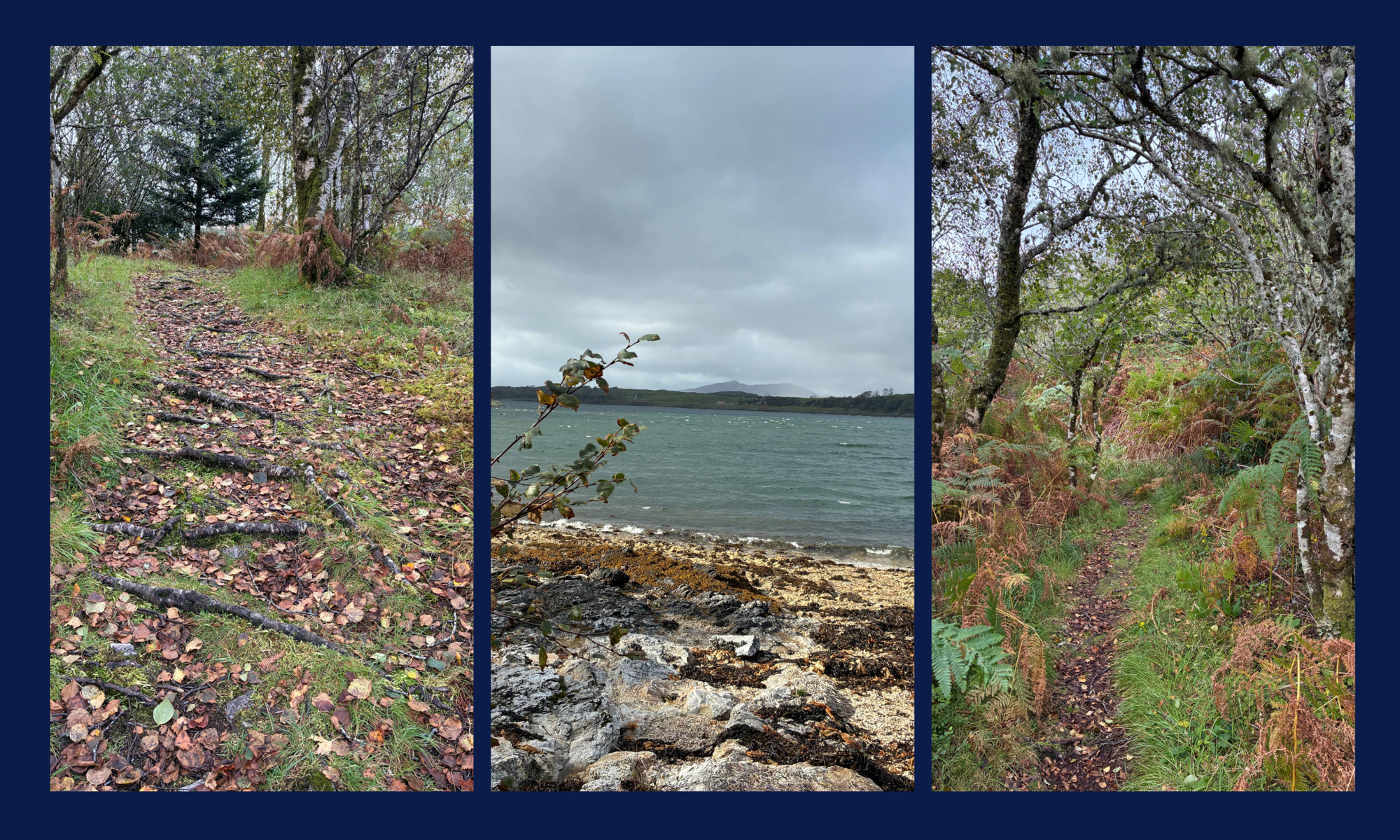
It was a lovely contrast to the open cliffs. The ground was thick with ferns and moss, and the trees – birch, oak, rowan and ash – were flecked with lichen.
Their roots twisted across the path like old ropes, and the trail wound gently upward until it rejoined the main route.
Even on a quiet evening, the place felt full of life – birds moving through the trees, the sea murmuring somewhere beyond the grass.
Clach Thoull: the rock of the hole
Eventually the path rounds the headland and the arch reveals itself.
Clach Thoull is not enormous, but it is beautifully formed – a neat opening carved through the rock with the sea and mountains framed perfectly on the other side. The Gaelic name translates simply as “hole in the rock.”
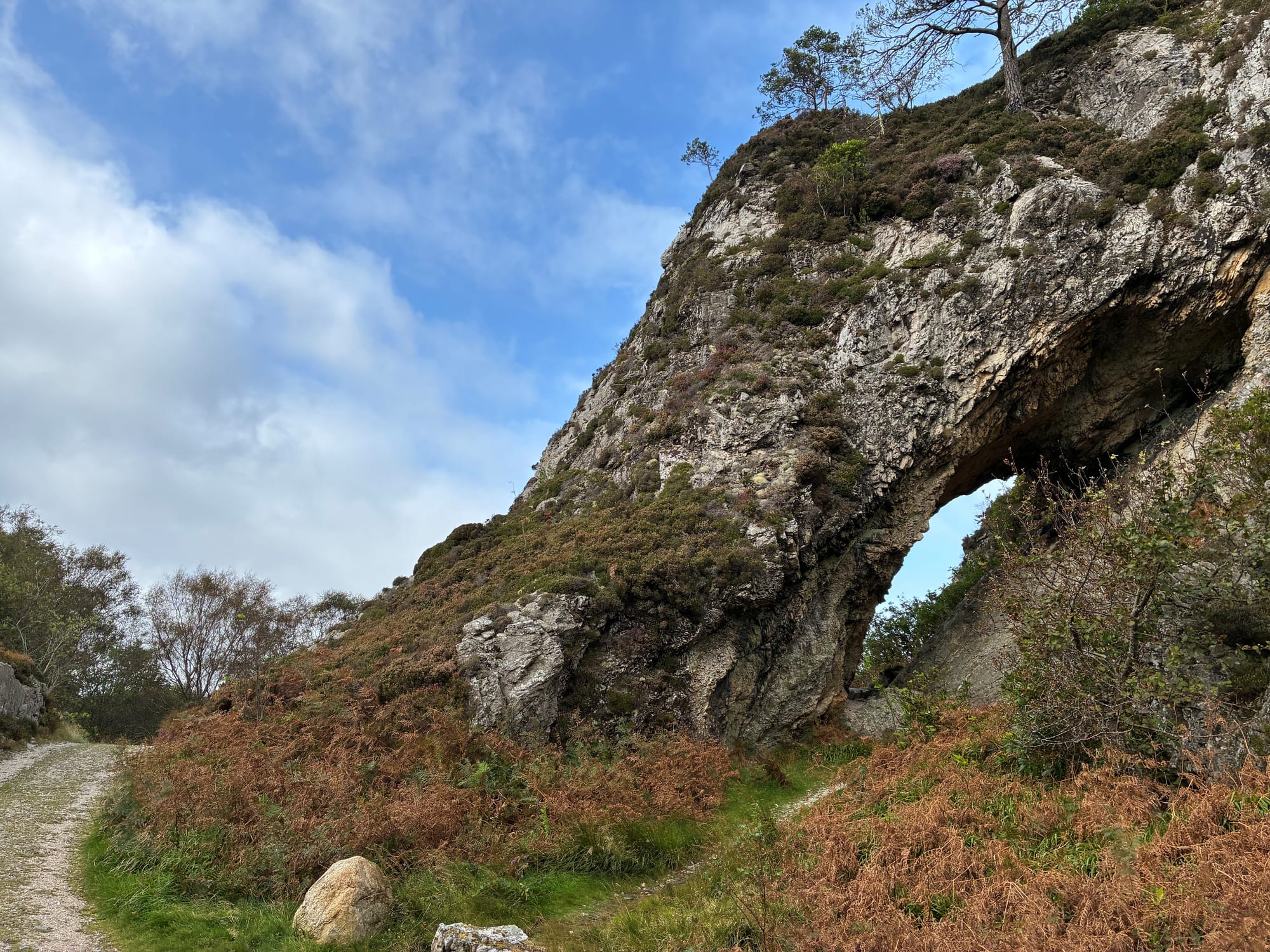
Geologically, the arch tells a longer story. It formed thousands of years ago when the sea level was higher than it is today. Waves exploited a weakness in the quartzite bedrock, slowly cutting through the headland along a natural fault until a tunnel formed.
When sea levels later dropped after the last Ice Age, the arch was left stranded above the modern shoreline on what is known as a raised beach.
Standing beneath it, you can imagine how the sea once worked here.
I wandered through the arch, taking far too many photographs and peering at the rock itself – streaked with lichen and dotted with moss. From one side you look out over Loch Linnhe and the distant hills; from the other you see the open water of the Lynn of Lorn.
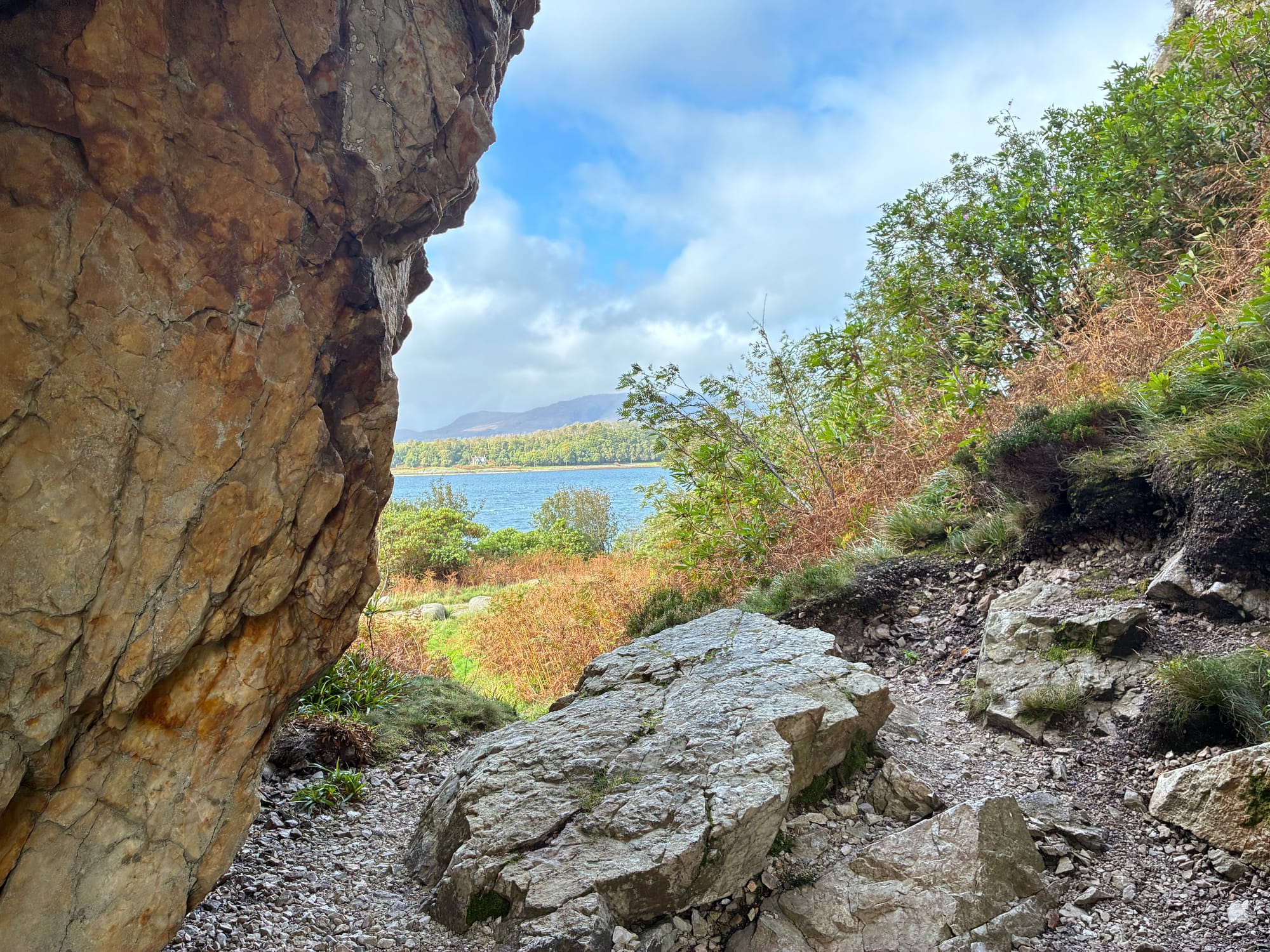
It’s a lovely place to linger. A couple of other walkers arrived while I was there, and after a while I moved on to give them the same quiet moment of discovery.
Beyond Clach Thoull the track continues around the headland.
Raised sea caves
A little further along you pass another small cave in the cliffs and a second rock arch that can also be walked through – reminders of how relentlessly the sea has shaped this coastline.
The path then swings inland slightly as it skirts Airds Bay, a quiet inlet that reveals wide mudflats at low tide. It’s a good place for birdlife: waders picking through the shallows and seabirds drifting across the water.
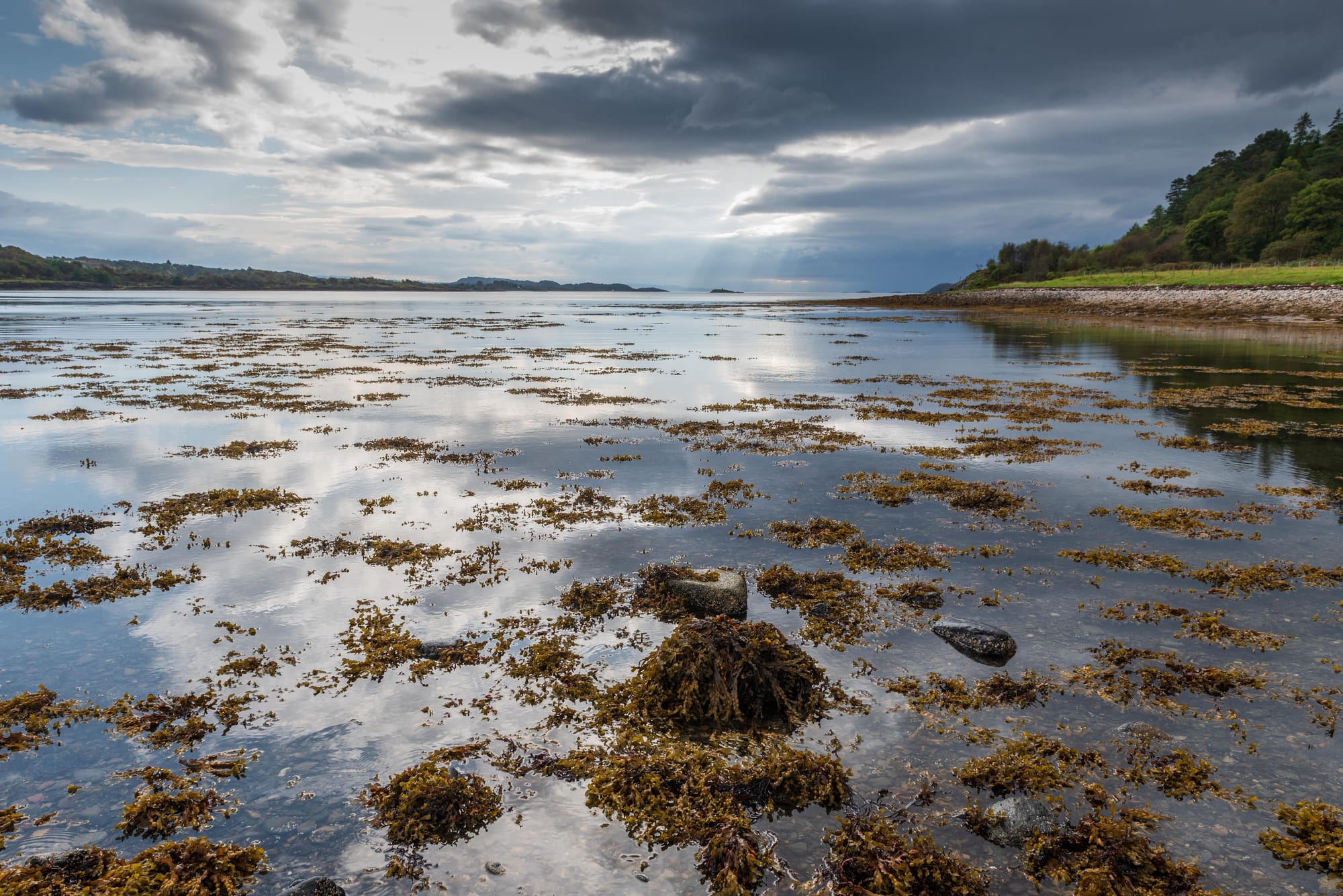
This stretch of the walk is especially beautiful, lined with mixed coastal woodland – birch, hawthorn, oak, willow, holly and beech. The trees lean toward the sea, shaped by wind and salt, while the ground beneath them is thick with moss and wild plants.
It’s easy to forget how close you are to the village.
The path back to Port Appin
At the end of the track a house marks the transition back toward Port Appin. A sign directs walkers around the far side and onto a narrow path that runs between woodland and a fenced field.
This is another lovely stretch – shaded by trees and following a small burn that trickles toward the sea. In spring the ground is said to be thick with bluebells.
The path eventually passes through a kissing gate and joins a quiet single-track road. Turn left here, and then left again at the next junction to return to the village.
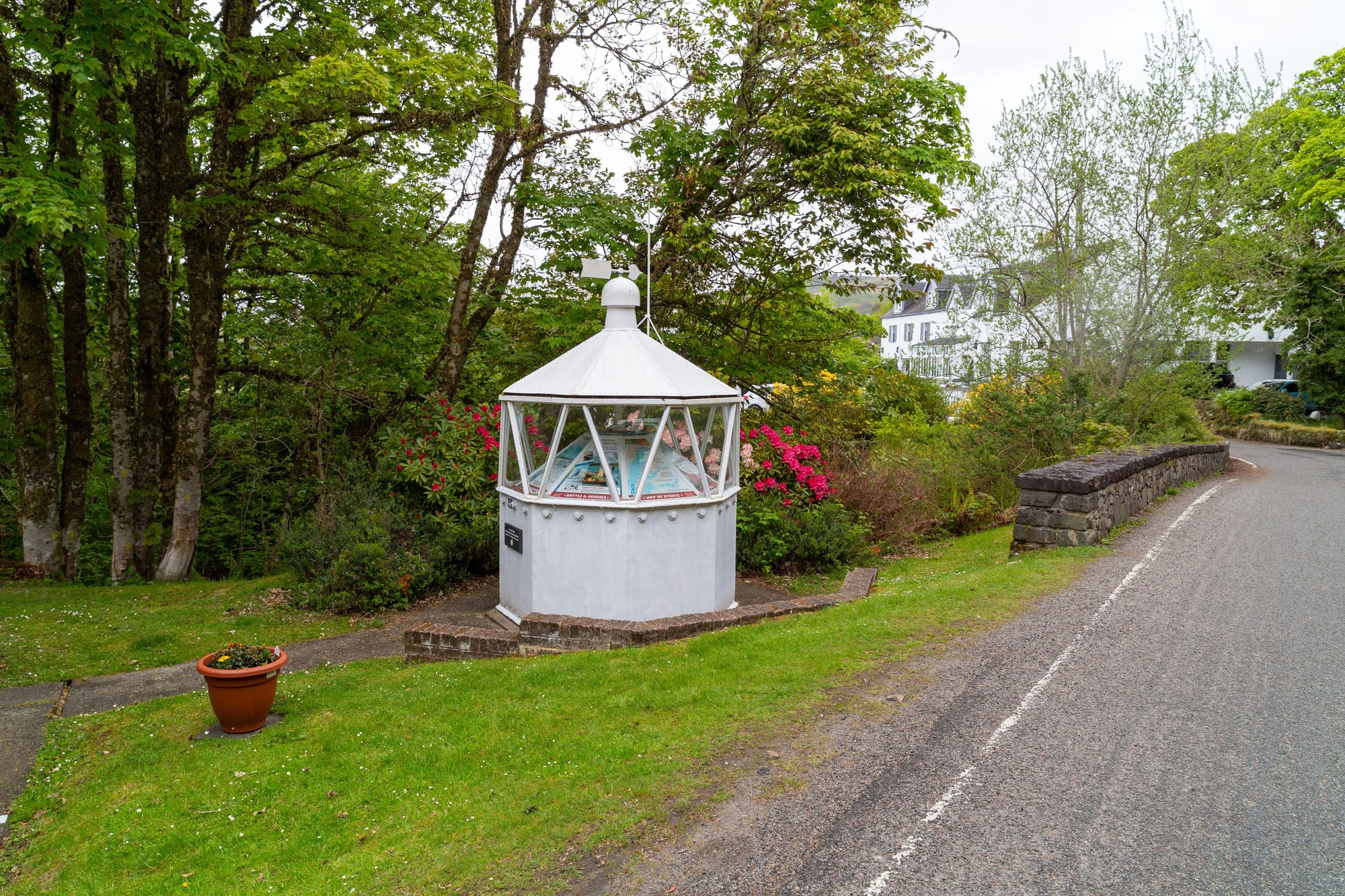
You’ll pass the Port Appin village hall, where an old lighthouse lantern now serves as a small outdoor exhibit telling the story of the harbour’s maritime past.
A short walk further brings you past a couple of small shops before the road returns you to the ferry jetty and the starting point.
A small walk with big views
At only about 2.5km (1.5 miles), this is hardly an epic outing. Allow an hour or so, longer if you’re like me and keep wandering down to every little bay you see.
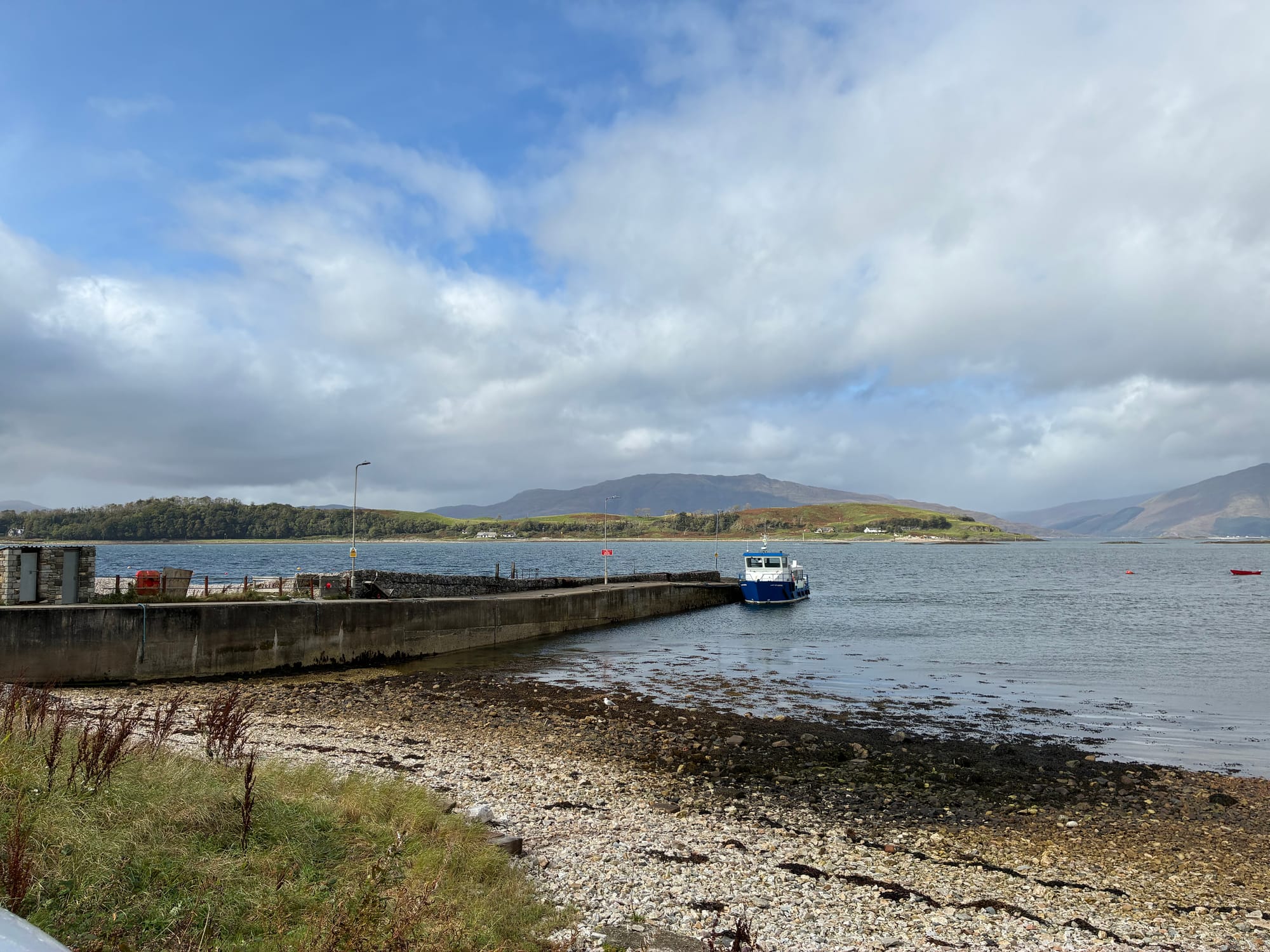
But what it lacks in distance it more than makes up for in atmosphere.
You get sweeping views of Loch Linnhe and the Lynn of Lorn, glimpses of beautiful Lismore, distant mountains rising through cloud, quiet woodland paths, hidden coves, and a geological curiosity carved by ancient seas.
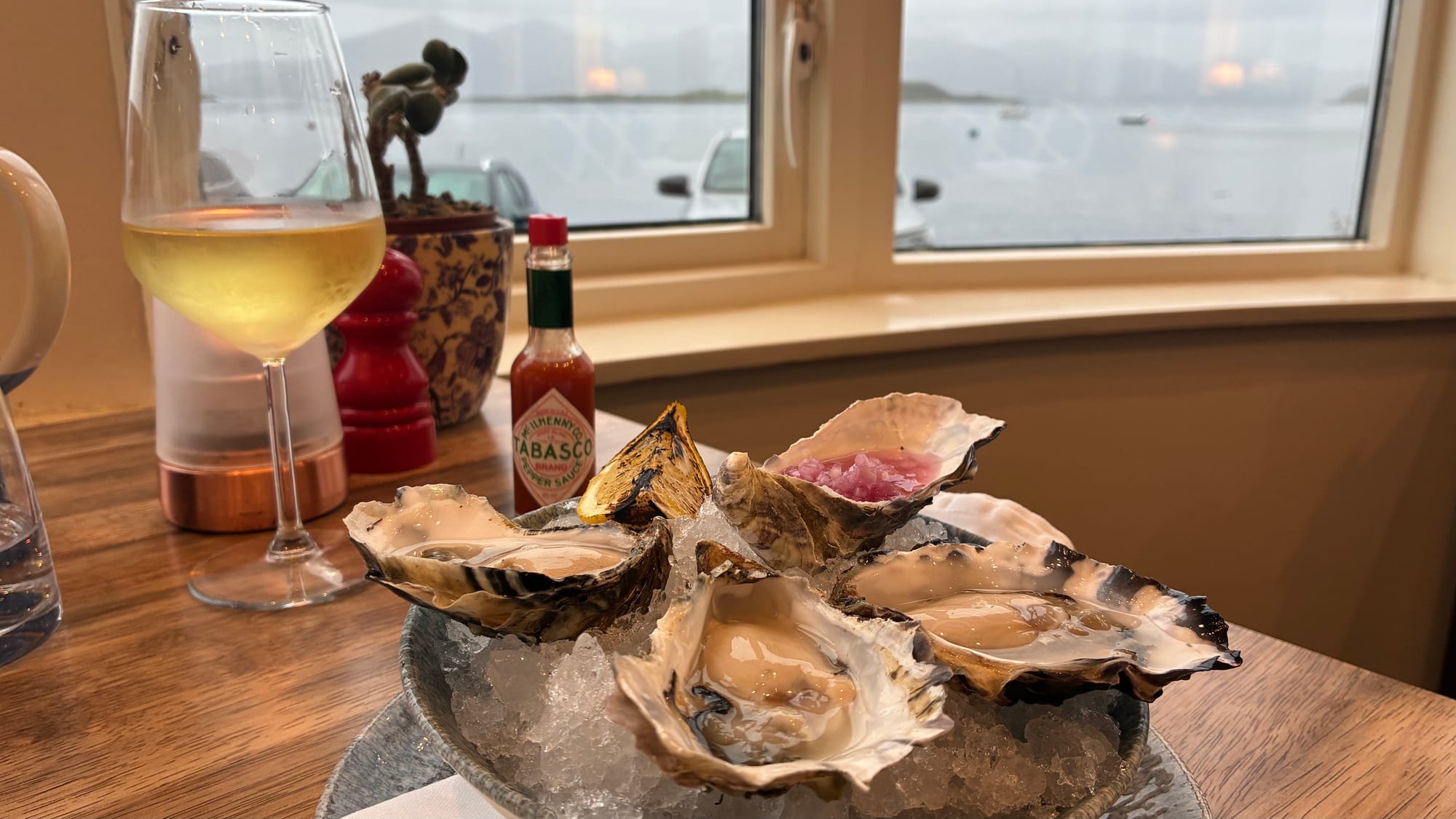
Not bad for a stroll before dinner.
And if you happen to be staying at The Pierhouse, like I was, you might just find that the short walk back along the harbour leaves you perfectly ready for a plate of seafood and a glass of something cold.
📸DC Thomson, Alamy
Our review: The Pierhouse
 Team Gallivant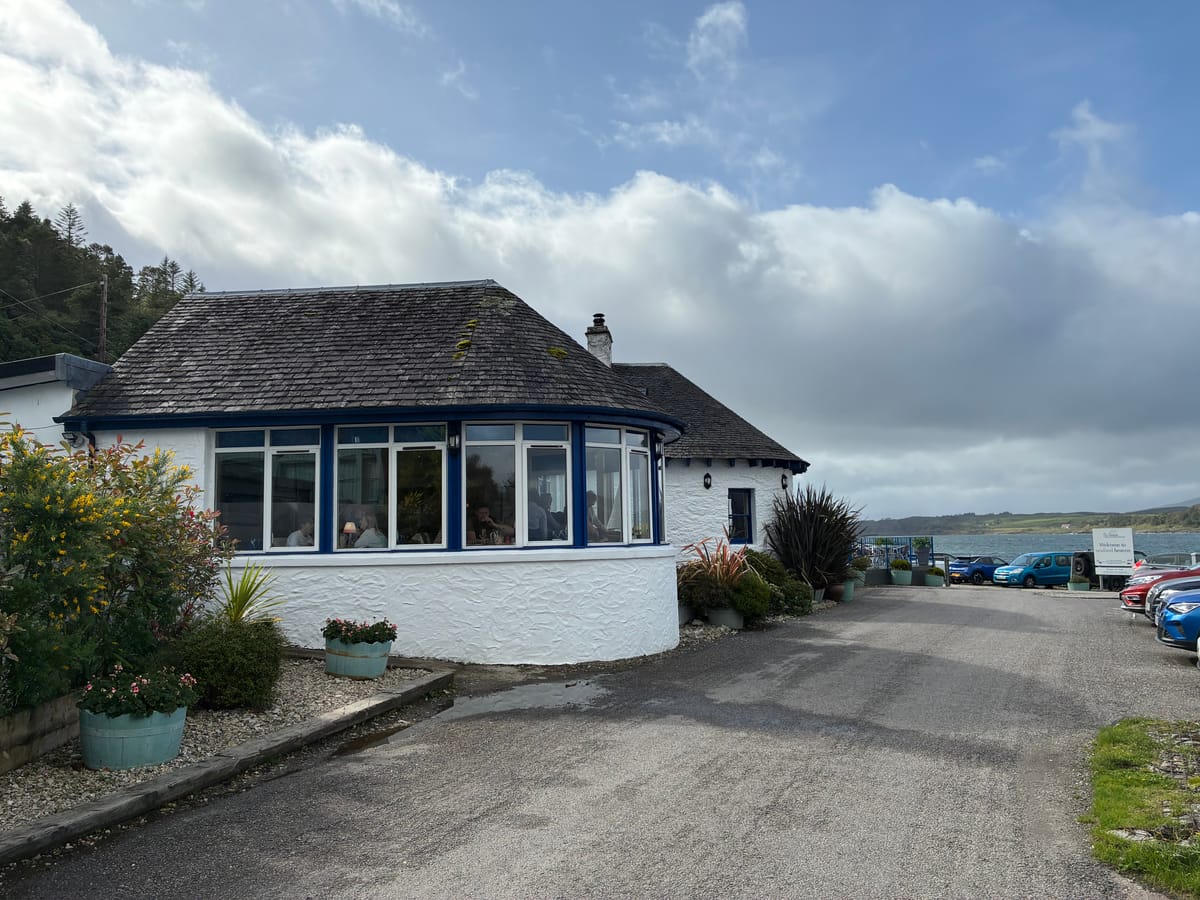

Member discussion