
A love letter to Scotland’s dogs – and a warning for their future
DOGS are beloved companions for many of us across the globe, but Scotland in particular has a history and heritage that is distinctly intertwined with our four-legged friends.
Not only is it where the golden retriever, one of the world’s most popular dog breeds, originated, but many of Scotland’s breeds are a big part of popular culture.
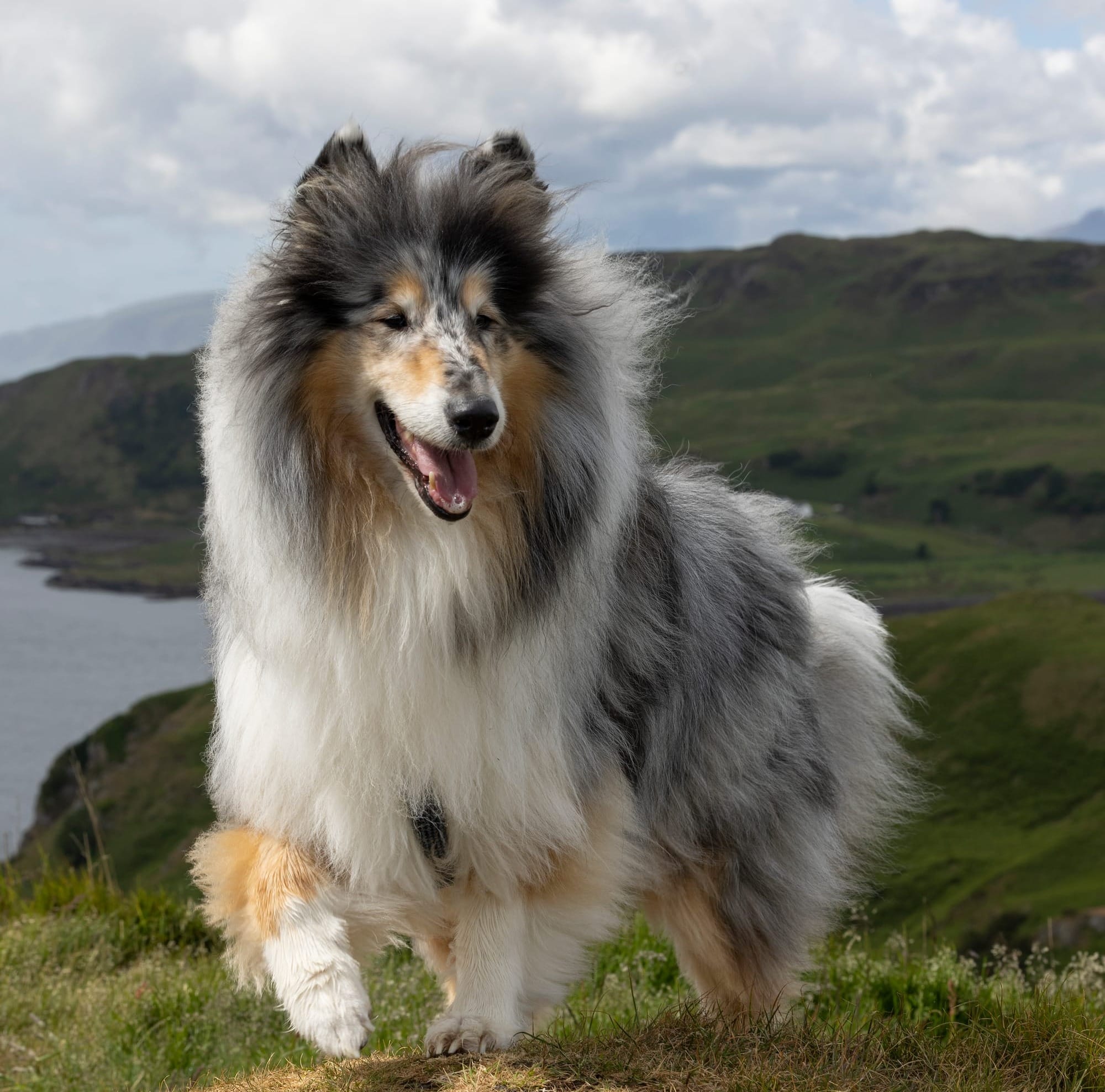
A rough collie was the star of American TV show Lassie, the white-haired West Highland terrier has long been the face of dog-food brand Cesar, and the Scottish terrier, or Scottie, is one of the most beloved and long-standing tokens in Monopoly. Border collies in particular continue to play a vital part of many farmers’ operations.
These dogs are part of 14 distinct Scottish breeds that remain today, alongside others that are less well known and – rather worryingly – endangered.
Six out of these 14 breeds – including the mighty Scottish deerhound, smooth collies and the small but full of character Dandie Dinmont terrier – are classed as “vulnerable” by The Kennel Club.
“The Kennel Club’s vulnerable list means that there are 300 registrations of puppies a year or less,” author and broadcaster Peter MacQueen, known on Instagram as The Highland Hutter, explains.
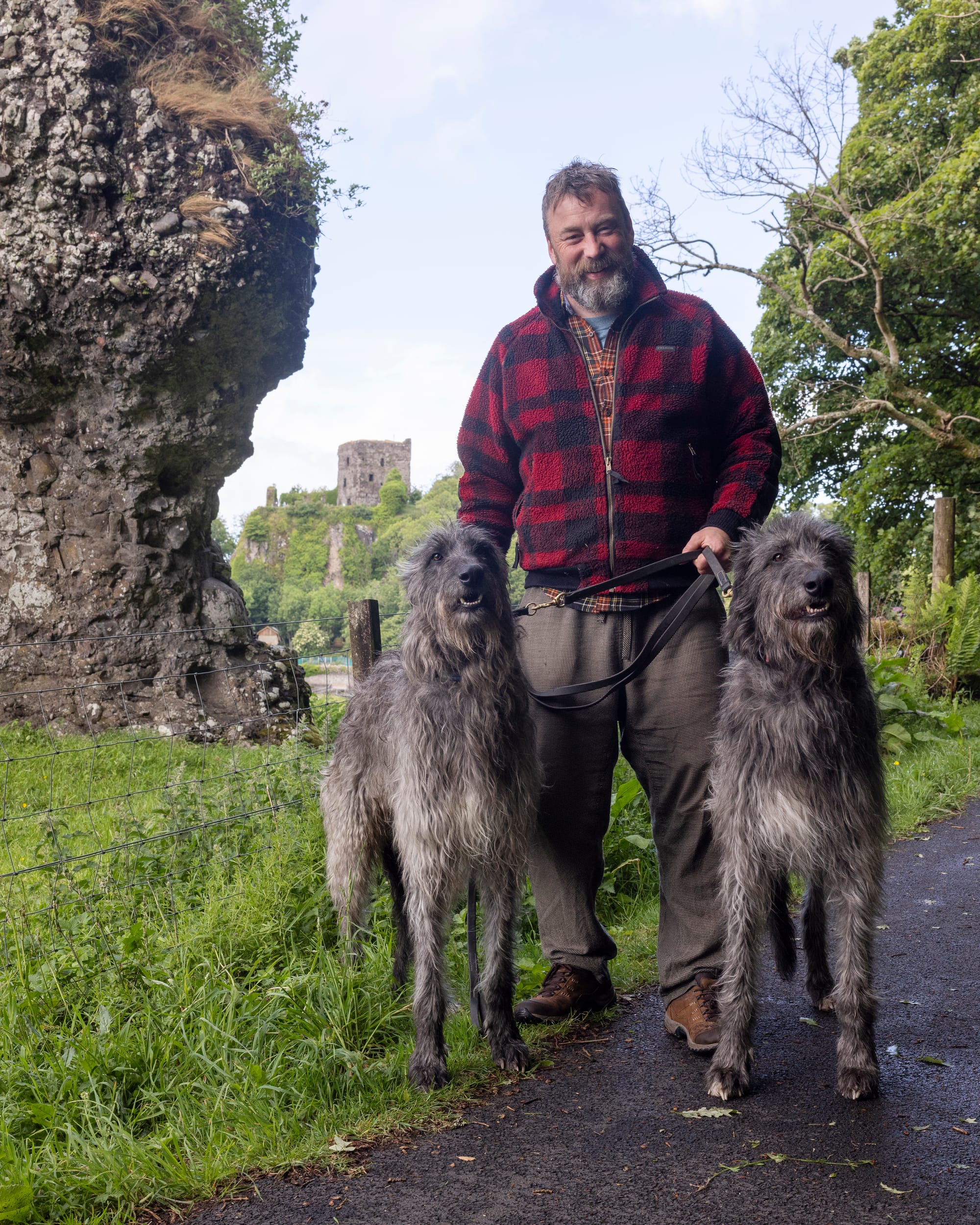
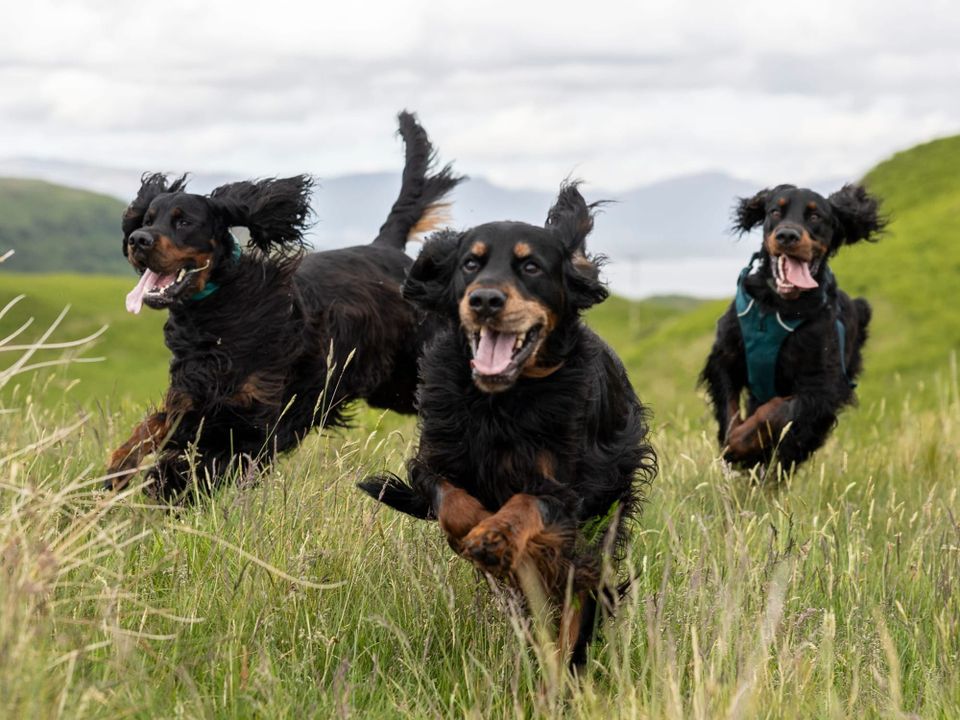
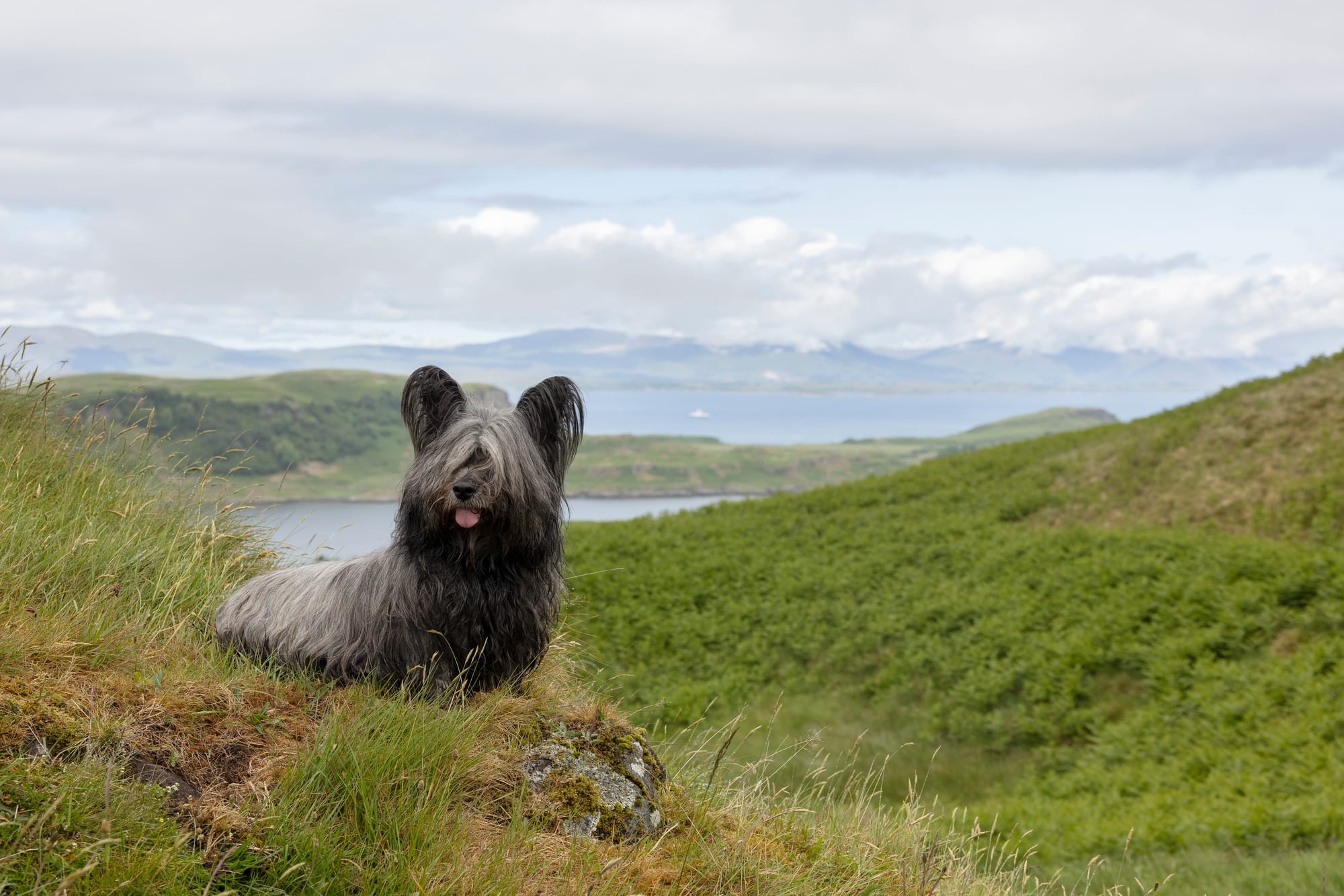
“The Skye terrier, the Dandie Dinmont, the Scottish deerhound, the smooth collie, the Gordon setter and the bearded collie are on the vulnerable list.”
Even the Scottie, despite its place in popular culture, is currently on the “at watch” list.
“It means that there are less than 450 registrations a year,” Peter adds. “Those dogs, the Scotties, they were in the White House, they won Crufts and Westminster, they’re on the Monopoly board, and they’re in every tourist hat shop.
“They maybe do more for tourism than Nessie, and they’re endangered now. It’s just mad.”
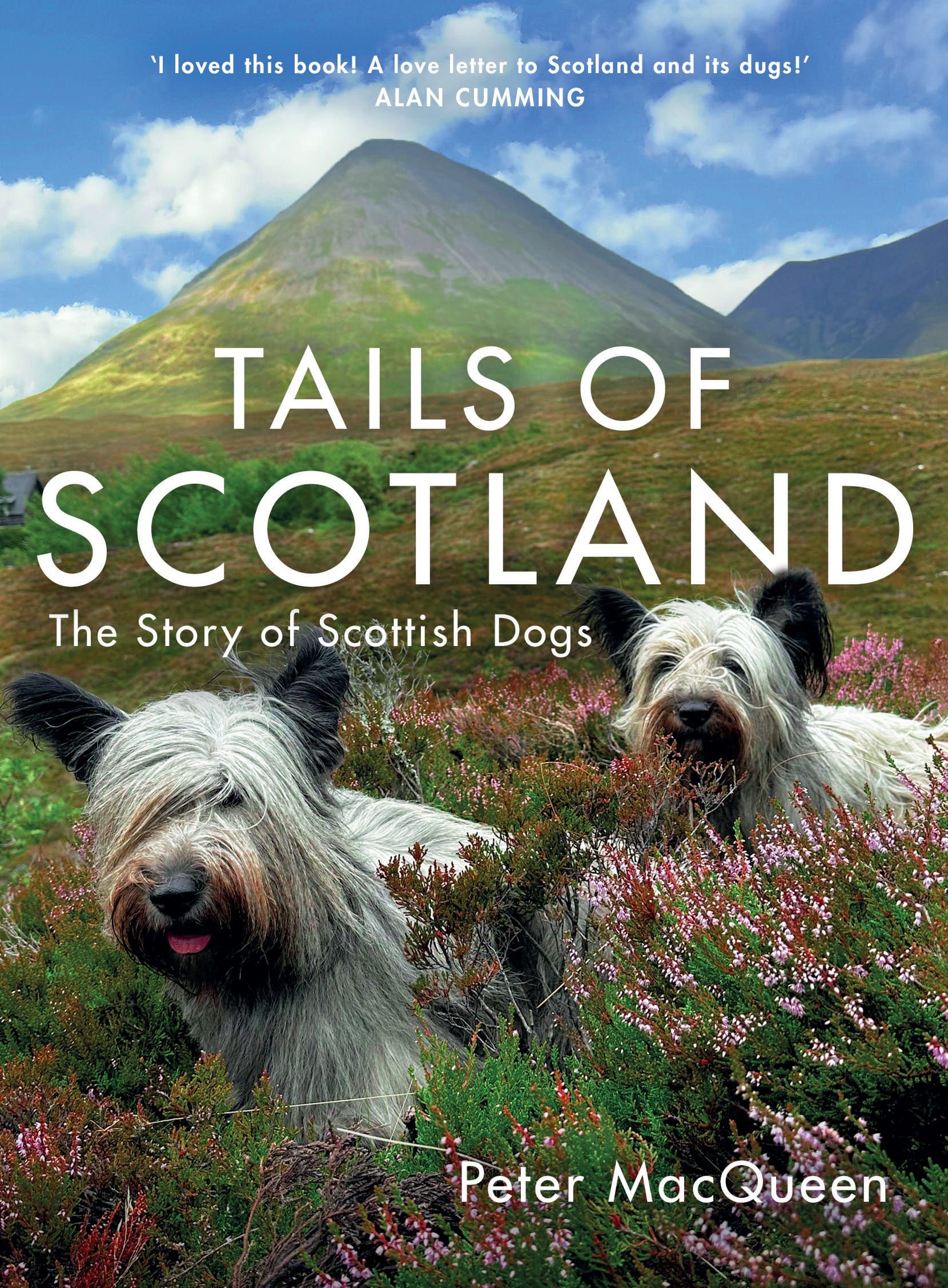
Through a new book, aptly named Tails Of Scotland, Peter hopes to spotlight all of Scotland’s native breeds to showcase their role in our history and heritage and for people to become more aware of those lesser known.
“It’s just a culture of which dogs are in vogue – or rather which dogs are ‘in dogue’,” Peter jokes. “That’s what sparked me to do the book – people don’t know these dogs are endangered and that this is precarious.”
It isn’t the first time that Peter, a lifelong dog lover, has shared stories of Scotland’s dogs and their history.
Producers for BBC Alba approached Peter, who himself has worked in television, asking if he and his partner, The Scots Magazine columnist Coinneach MacLeod, were considering getting a puppy, knowing that he had both a love for dogs and had also just lost his beloved Westie, Seòras.
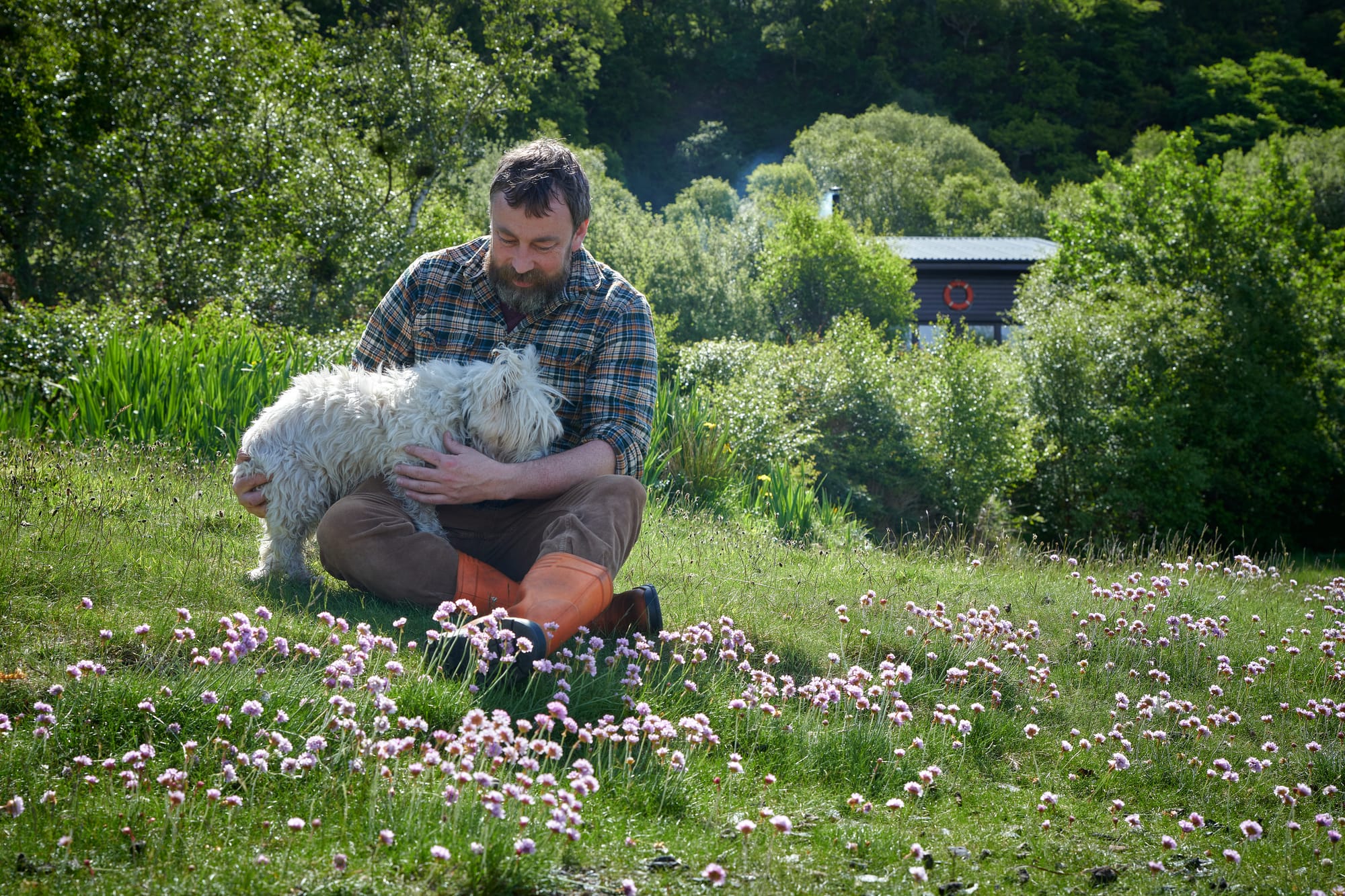
“They phoned at the right time because we were starting to think about it, and I said, ‘We’re thinking of getting a Westie pup again’,” Peter says. “They commissioned a series where I got to go and meet lots of different Scottish native breeds of dogs.”
“The programme was called Cù Leis Thu? which in Gaelic means, ‘Which
dog are you?’ or ‘Which dog suits you?’,” he adds.
“I went to go and meet Westies and Skye terriers and Scottish deerhounds. Basically I got to go and spend the summer meeting lots of different dogs. The minute they asked me, my tail was already wagging. I was like, ‘Yes, I’m going to go out and just hug puppies all summer’.”
It was working on this programme, which is to have a second series, that provided Peter not just with the concept of the book, but also led to him adopting a pup from one of Scotland’s vulnerable breeds himself.
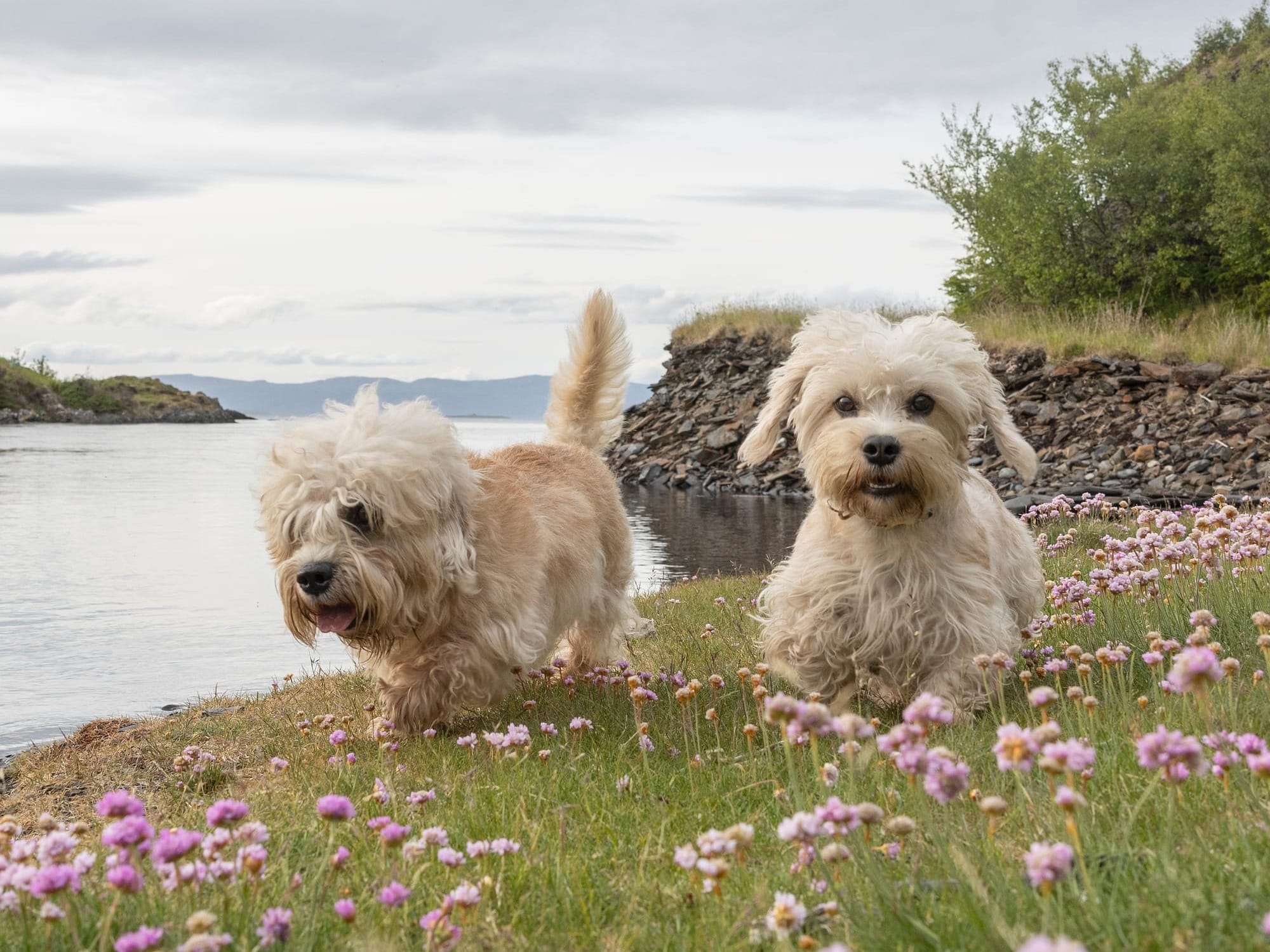
“The upshot was that I met this breed of dog called a Dandie Dinmont, which is an old-school Scottish terrier,” Peter explains. “They were made very famous by Sir Walter Scott when he wrote his second novel off the success of Waverley, which was called Guy Mannering.
“The novel was all set in Selkirk, and there was a character in the book who was a gamekeeper called Dandie Dinmont. He had this squad of little pepper and mustard-coloured dogs, and that was based on a real man, a real gamekeeper.
“These dogs are absolutely the most mischievous characters ever – and we ended up getting one,” he continues. “I said to them, ‘I’m definitely going to get a Westie’, so we just ended up getting two pups.”
While the book details all 14 breeds in individual chapters, including their history and heritage, as well as their appearance, temperament and care, Peter says it
is not a dog encyclopaedia, but much more like a love letter and a collection of stories about the canines of Caledonia and the people who love them.
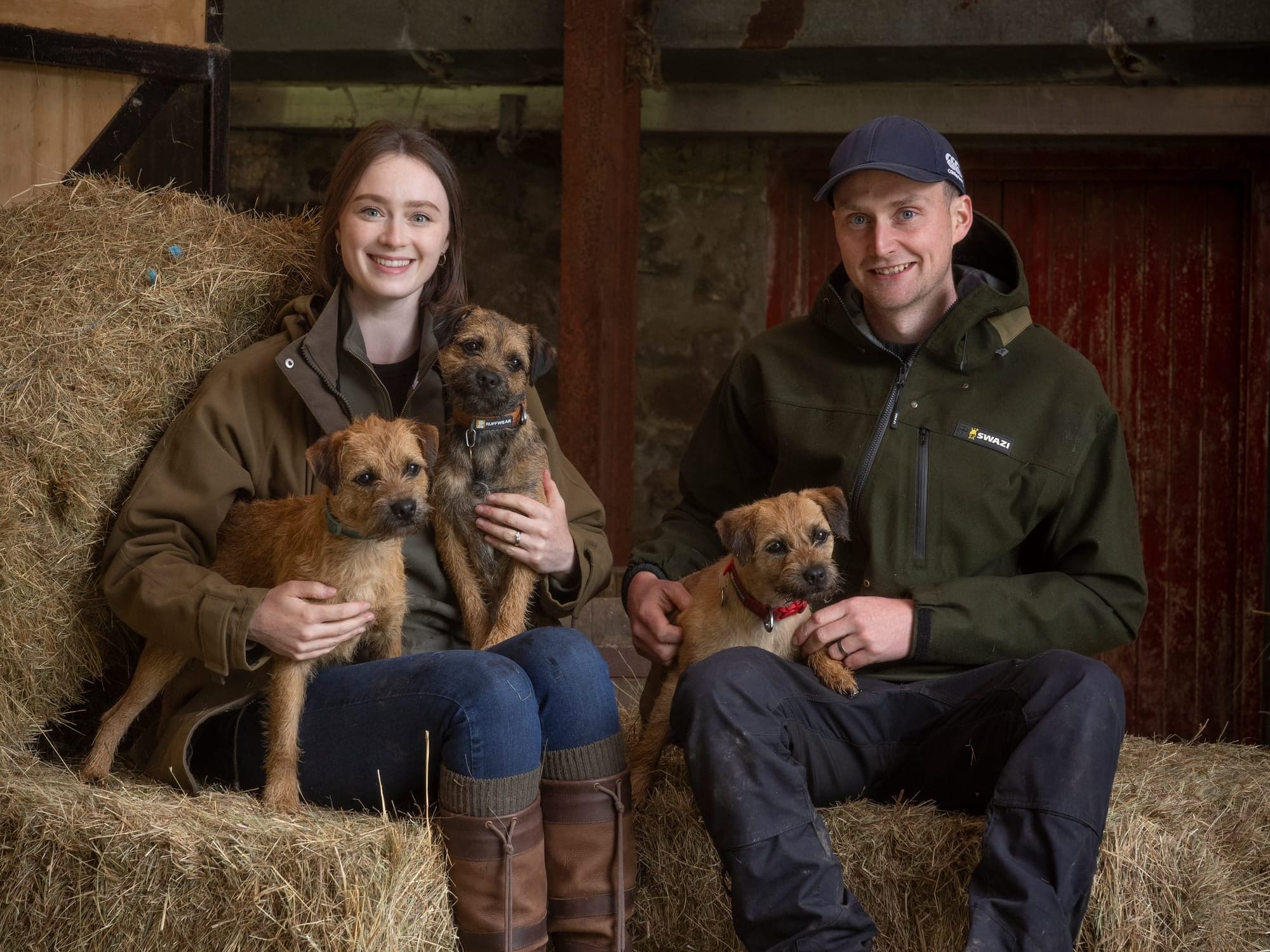
“Most of the people that keep these types of dogs, especially the more endangered ones, are actually the everyday unsung ambassadors for the breeds,” Peter says.
“If you get one of these slightly more rare or endangered dogs, then you automatically become a champion for the breed.
"The communities that form around about them are really tight and really strong. People tend to know each other.”
Many of the owners featured in the book are photographed with their dogs in pictures taken throughout the country and mixed conditions.
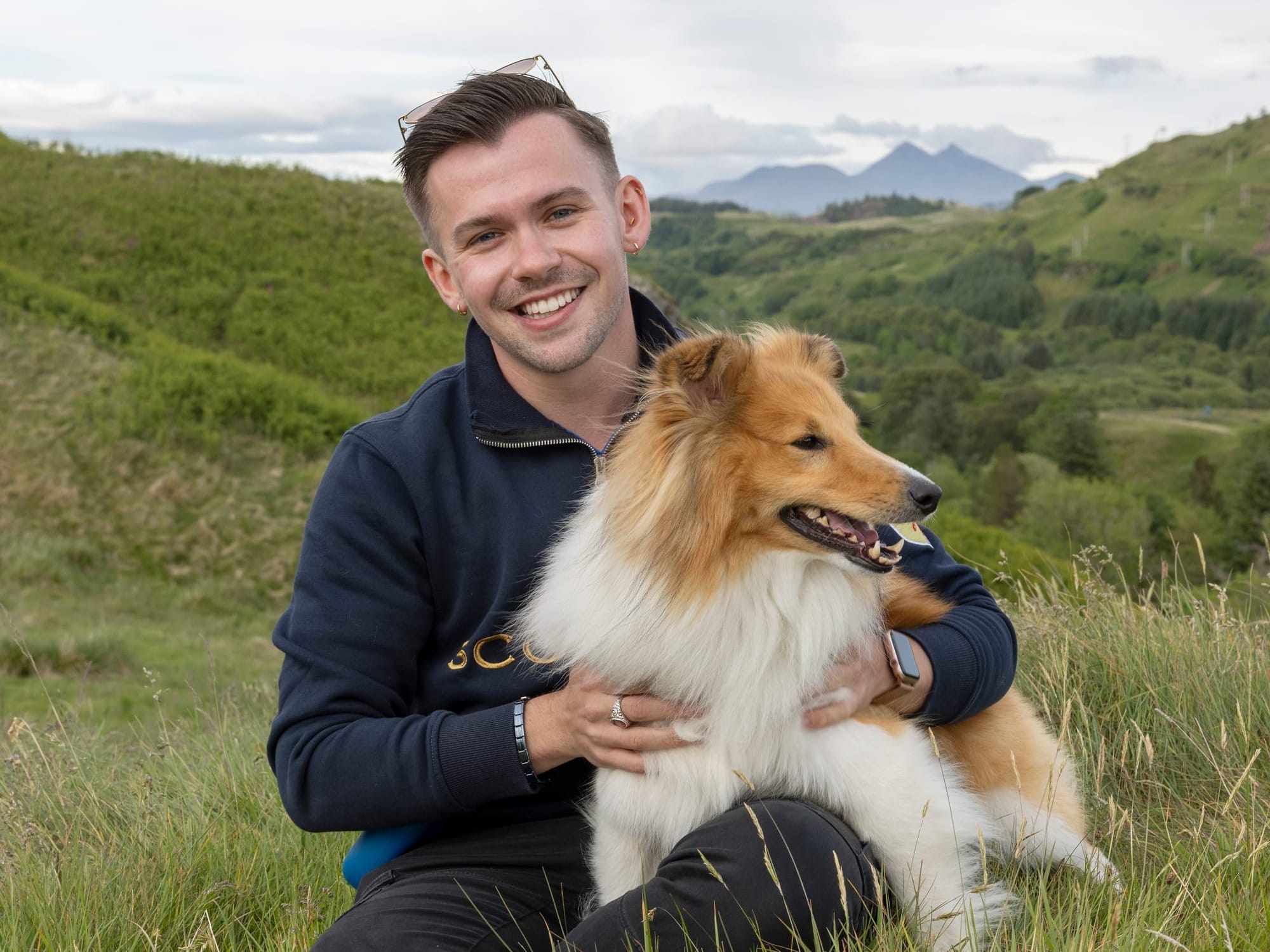
“We had every single possible type of weather that Scotland could chuck at you, but Susie Lowe, the photographer, is amazing,” Peter says. “She’s basically equal parts dog whisperer and artist.”
The book also includes some practical advice for any current or prospective dog owners and lovers.
“We put in a few Gaelic phrases, proverbs and things like that – wisdom that comes from Gaelic culture about keeping dogs,” Peter explains. “Coinneach did a homemade dog biscuit.”
Ultimately, the book is about sharing the variety and wonderful traits that native breeds can offer with those interested in dogs.
“All I really want to do is try to help people that might be thinking about bringing a dog into their life to perhaps consider a native breed,” Peter explains.
“They’re all different and they’re all unique. They have all the traits that we love in the more modern, fancy dogs – they are all here in our old dogs.”
Tails Of Scotland: The Story Of Scottish Dogs is available here, RRP £16.99.
Member discussion