
Scone Palace: Discover Scotland’s ancient crowning place and the mystery of the Stone of Destiny
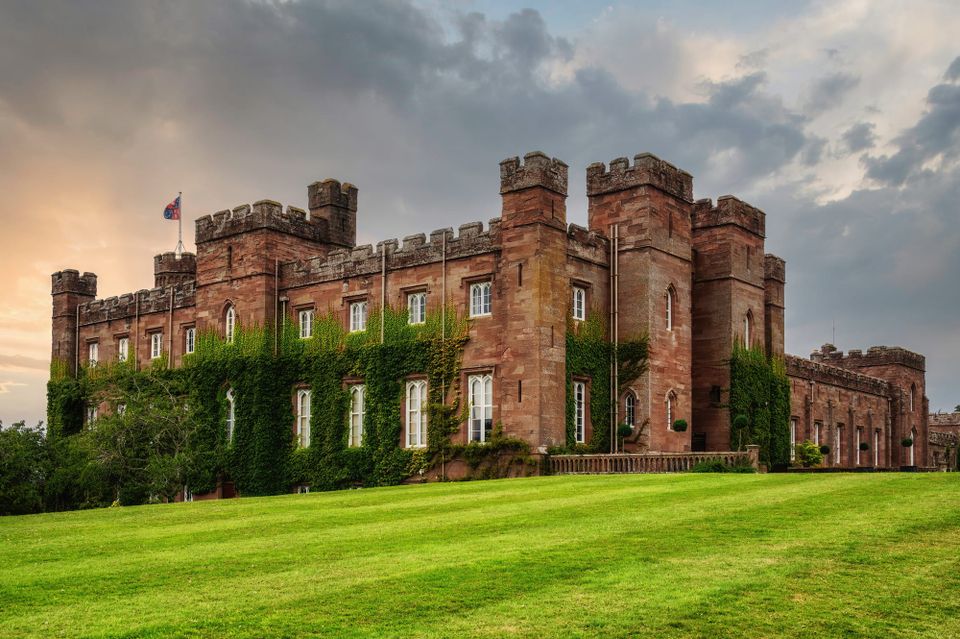
SCONE PALACE, the historic crowning place of Scottish kings, is one of Scotland’s most fascinating and atmospheric heritage sites.
Set in the heart of Perthshire, it offers visitors a unique chance to step into centuries of royal history, legend and intrigue.
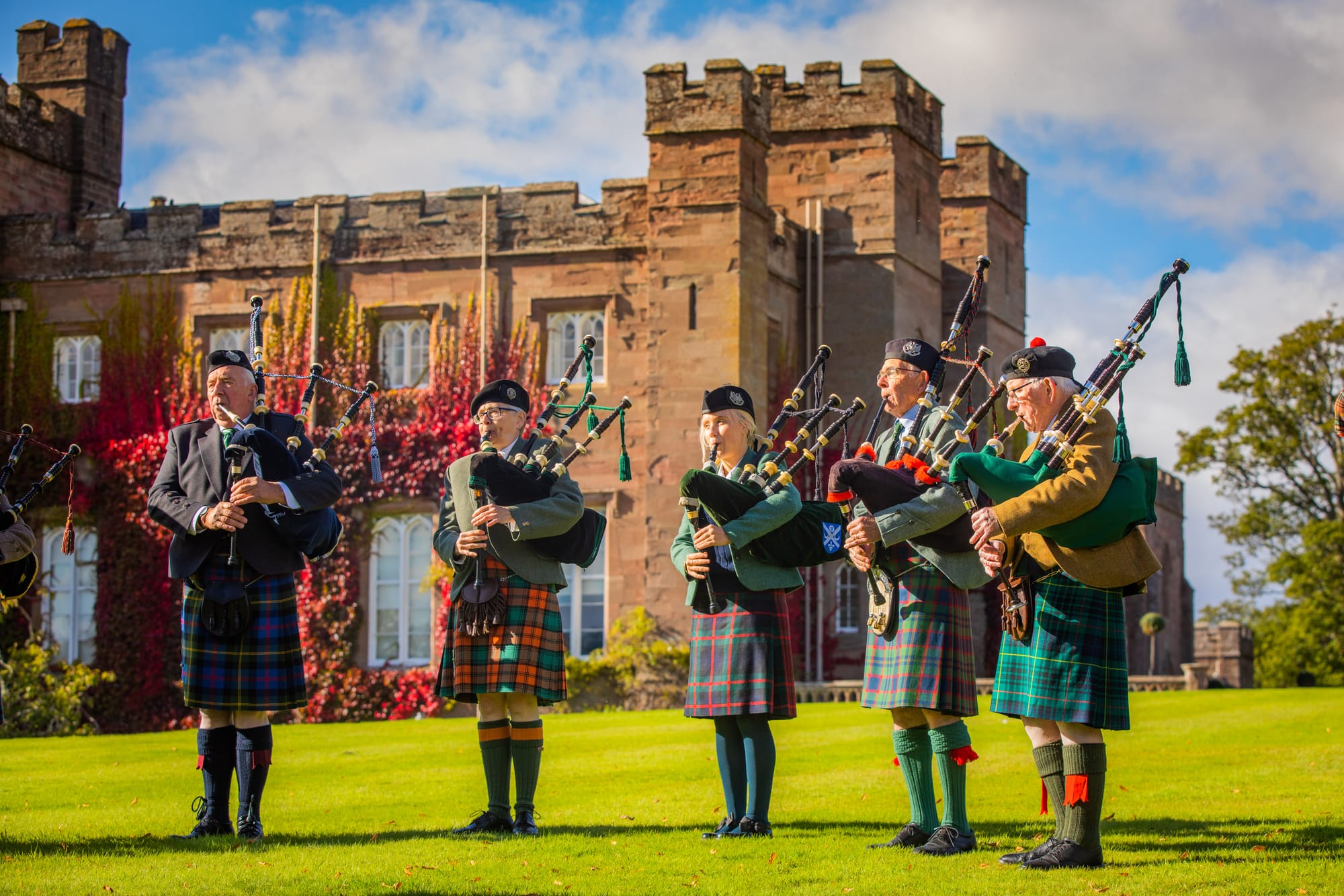
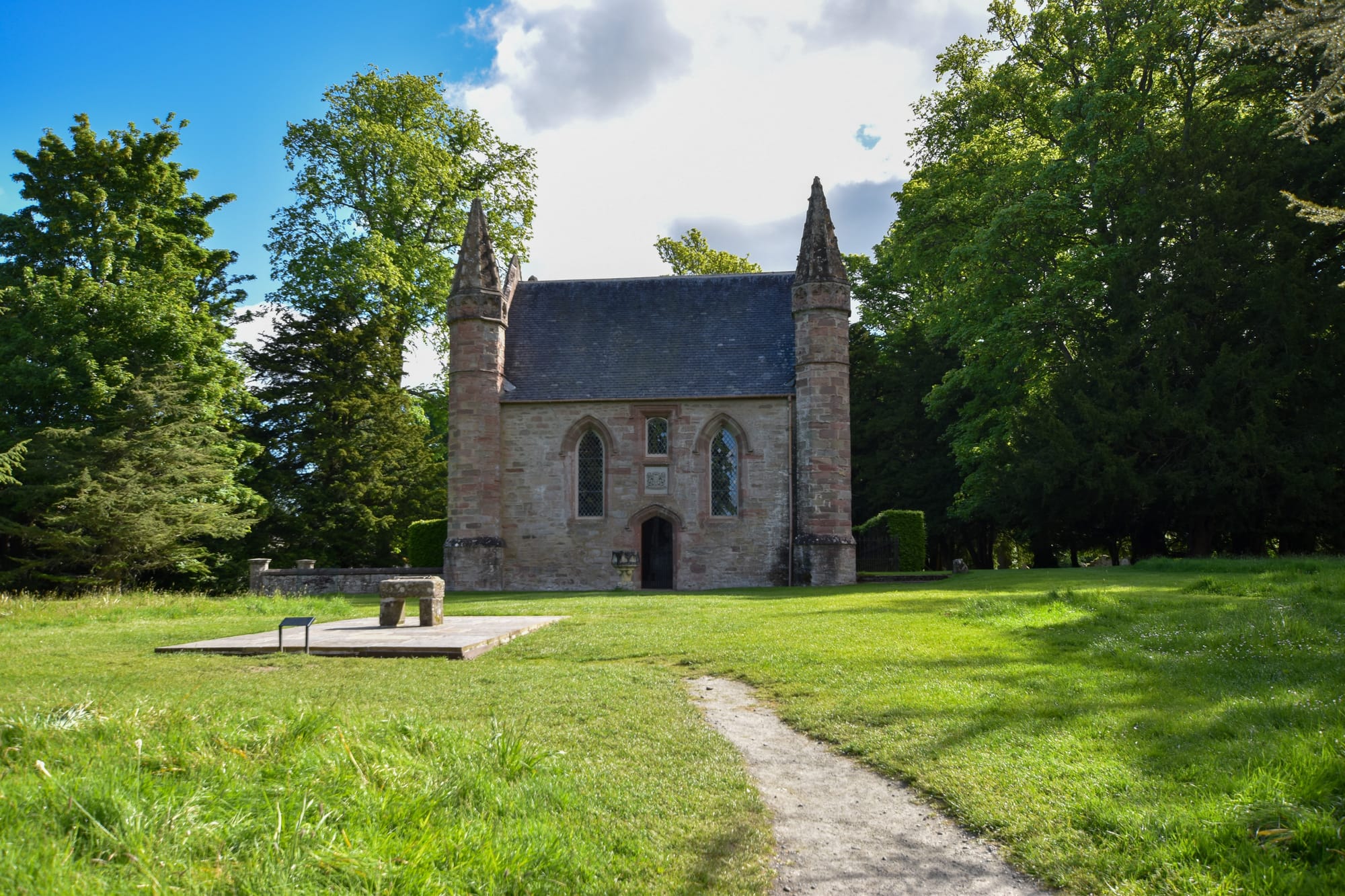
For generations, kings were crowned on Moot Hill at Scone Palace, making it one of the most important royal sites in Scotland.
Visitors today can follow in the footsteps of legendary figures such as Macbeth, Robert the Bruce and Charles II – just a few of the monarchs traditionally said to have been crowned here.
Where Scottish Kings were crowned
Moot Hill was the centre of Scotland’s early monarchy, where rulers were inaugurated in ceremonies steeped in symbolism and tradition.
Standing here, it’s easy to imagine the moment a new king was proclaimed before his people.
At the heart of these ceremonies was the famous Stone of Scone – also known as the Stone of Destiny – an ancient symbol of Scottish sovereignty.
The Stone of Destiny mystery
Few artefacts in British history are surrounded by as much mystery as the Stone of Destiny.
Taken to England by Edward I in 1296, it remained there for centuries before being famously removed from Westminster Abbey by Scottish students in 1950.
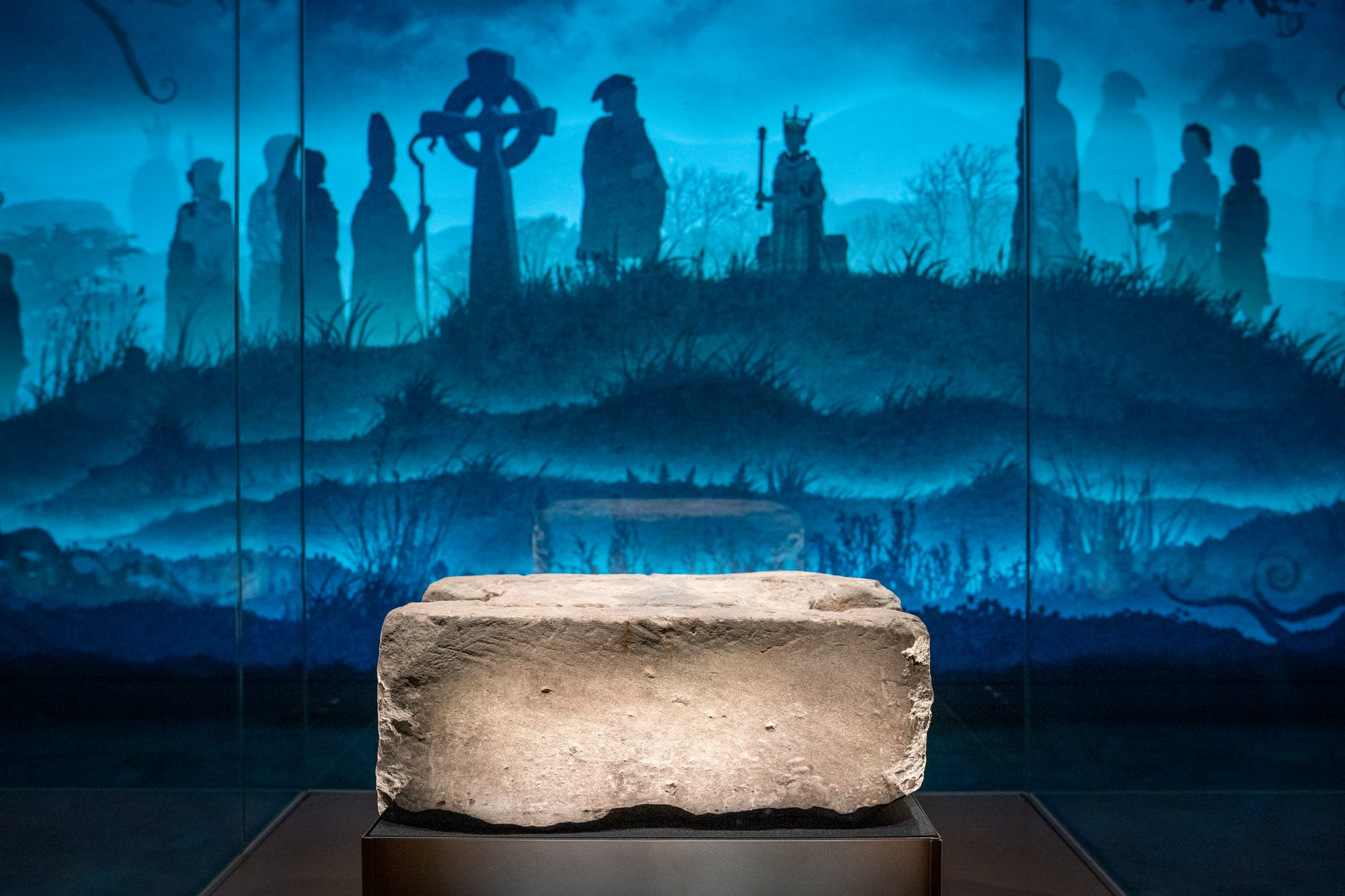
But did they return the real stone – or a replica? The truth may never be known.
Today, the Stone is displayed at the Perth Museum, bringing it closer than ever to its historic home at Scone.
Inside Scone Palace
The palace itself is an impressive red sandstone building and the current home of the Earls of Mansfield.
Over the centuries, it has hosted coronations, parliaments, grand banquets and lavish celebrations.
A guided tour takes visitors through the stunning State Rooms, where Queen Victoria and Prince Albert dined during their visit in 1842.
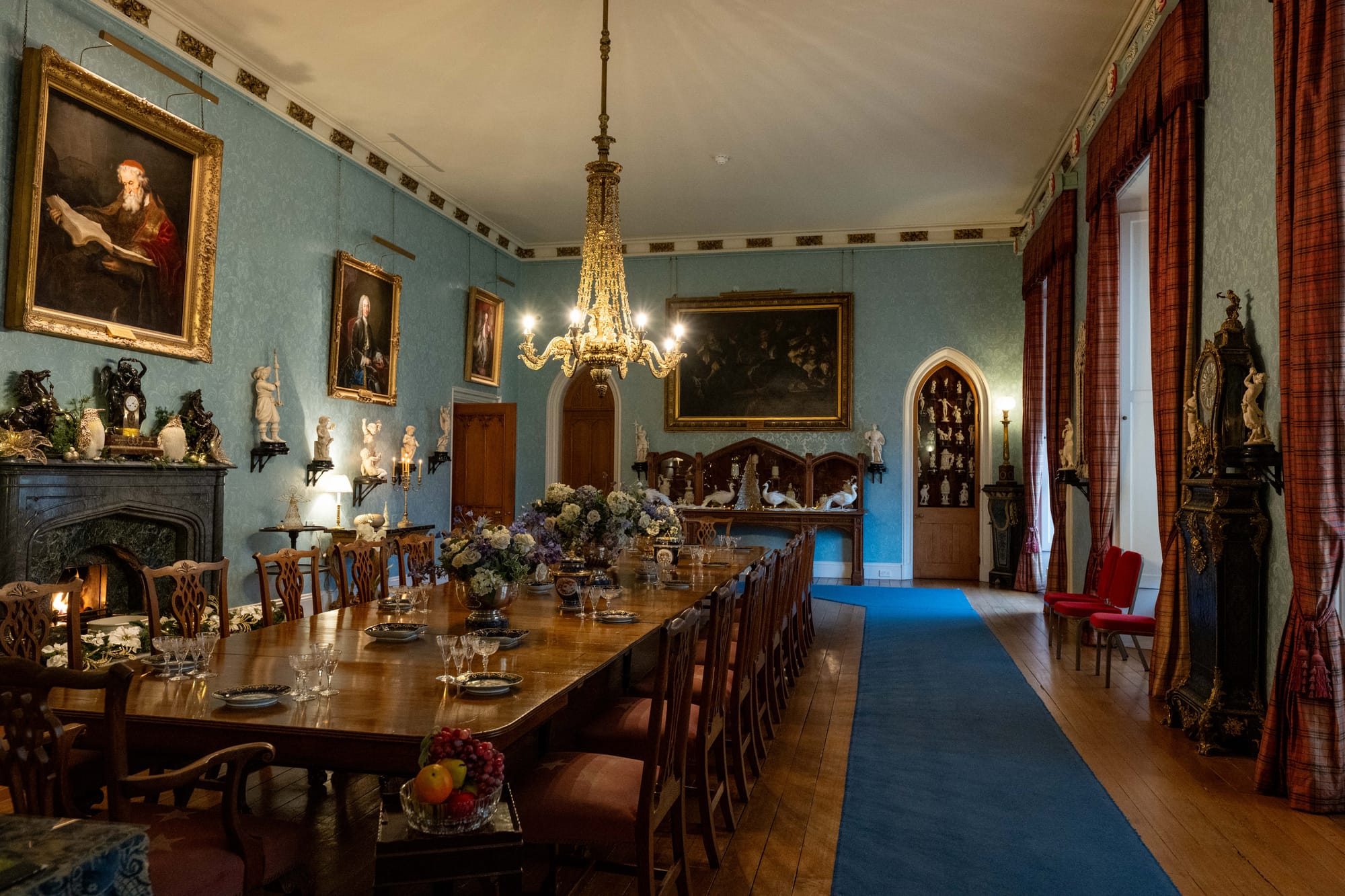
Inside, you’ll find exquisite collections of porcelain, rare artefacts and fine French furniture – interiors truly fit for royalty.
Don’t miss the Long Gallery, where Charles II is said to have walked on his way to coronation in 1651.
Art, royal connections and hidden stories
Among the palace’s treasures is a remarkable portrait by David Martin depicting Dido Elizabeth Belle and Lady Elizabeth Murray.
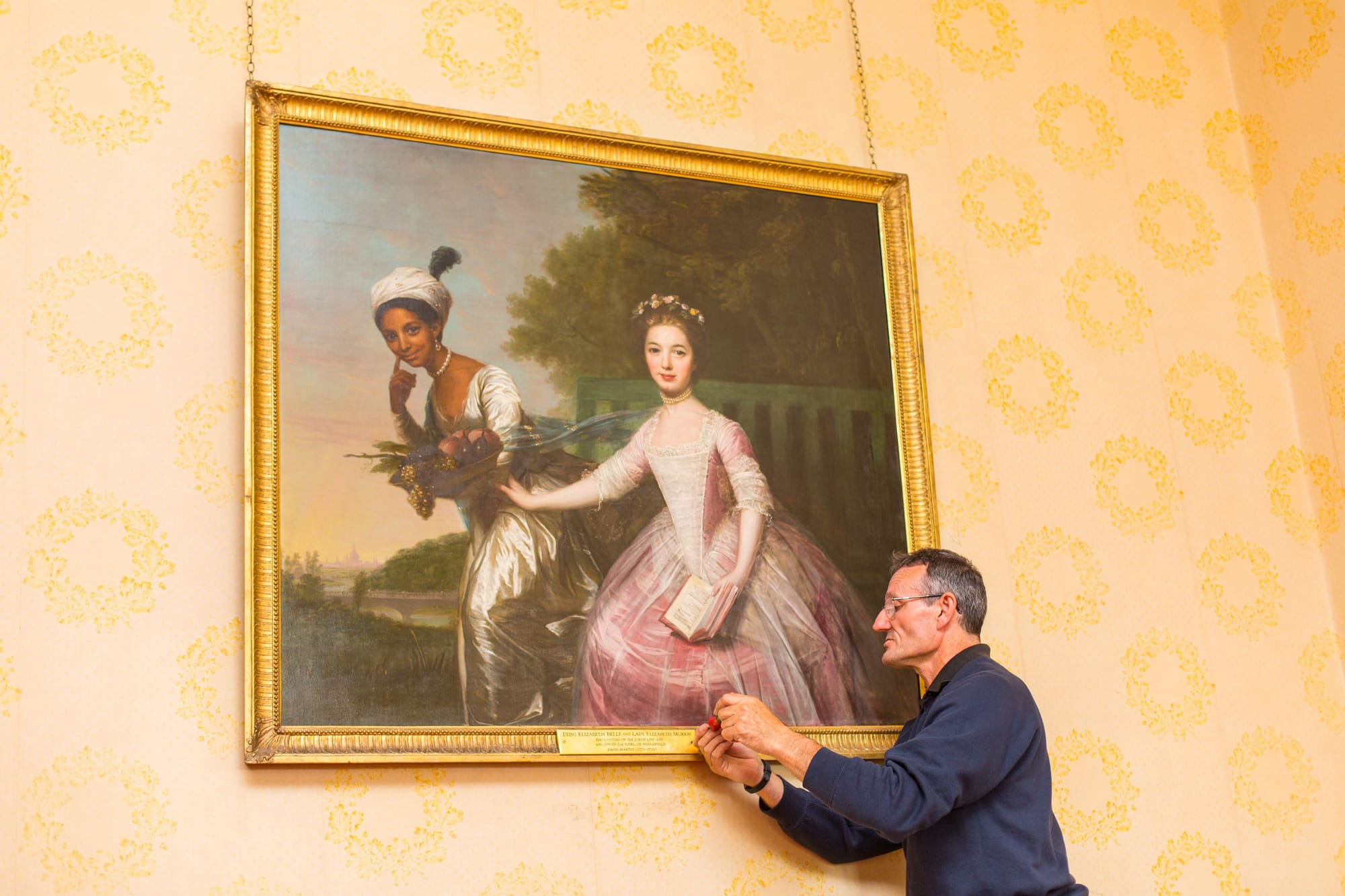
Long misunderstood, the painting is now recognised as portraying two cousins raised together – offering a powerful insight into Black history in Britain and aristocratic life in the 18th century.
Jacobite history lives on
Scone Palace also played a role in the Jacobite era. James Francis Edward Stuart stayed here during the uprisings, while his son, Charles Edward Stuart, visited in 1745.
These connections add yet another layer to the palace’s rich and complex past.
Gardens, wildlife and scenic walks
Beyond the palace walls, the grounds are just as captivating. Peaceful woodland trails wind through landscaped gardens teeming with wildlife, from red squirrels to roe deer.
Birdwatchers may even spot rare species like the hawfinch along Lime Avenue, alongside more familiar oystercatchers and swallows.
On sunny days, the colourful Butterfly Garden is a hit with families – keep an eye out for the striking comma butterfly.
Don’t Miss the Peacocks
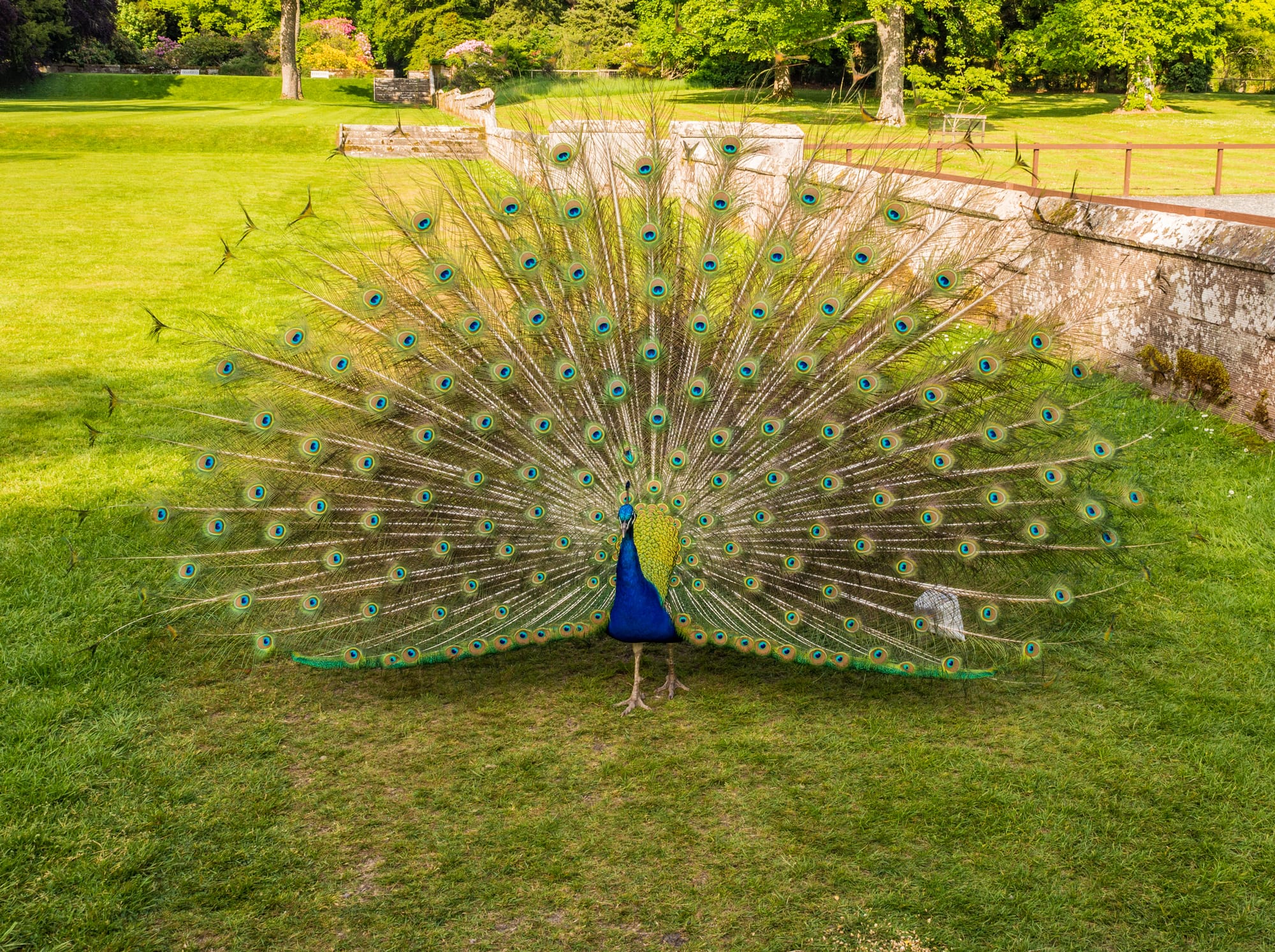
One of the most memorable sights at Scone Palace is its freely roaming peacocks, adding a splash of colour and charm to the historic setting.
Family fun and outdoor adventures
Scone Palace is perfect for a family day out in Scotland. Children can explore the woodland playground, complete with rope slides, climbing frames and swings.
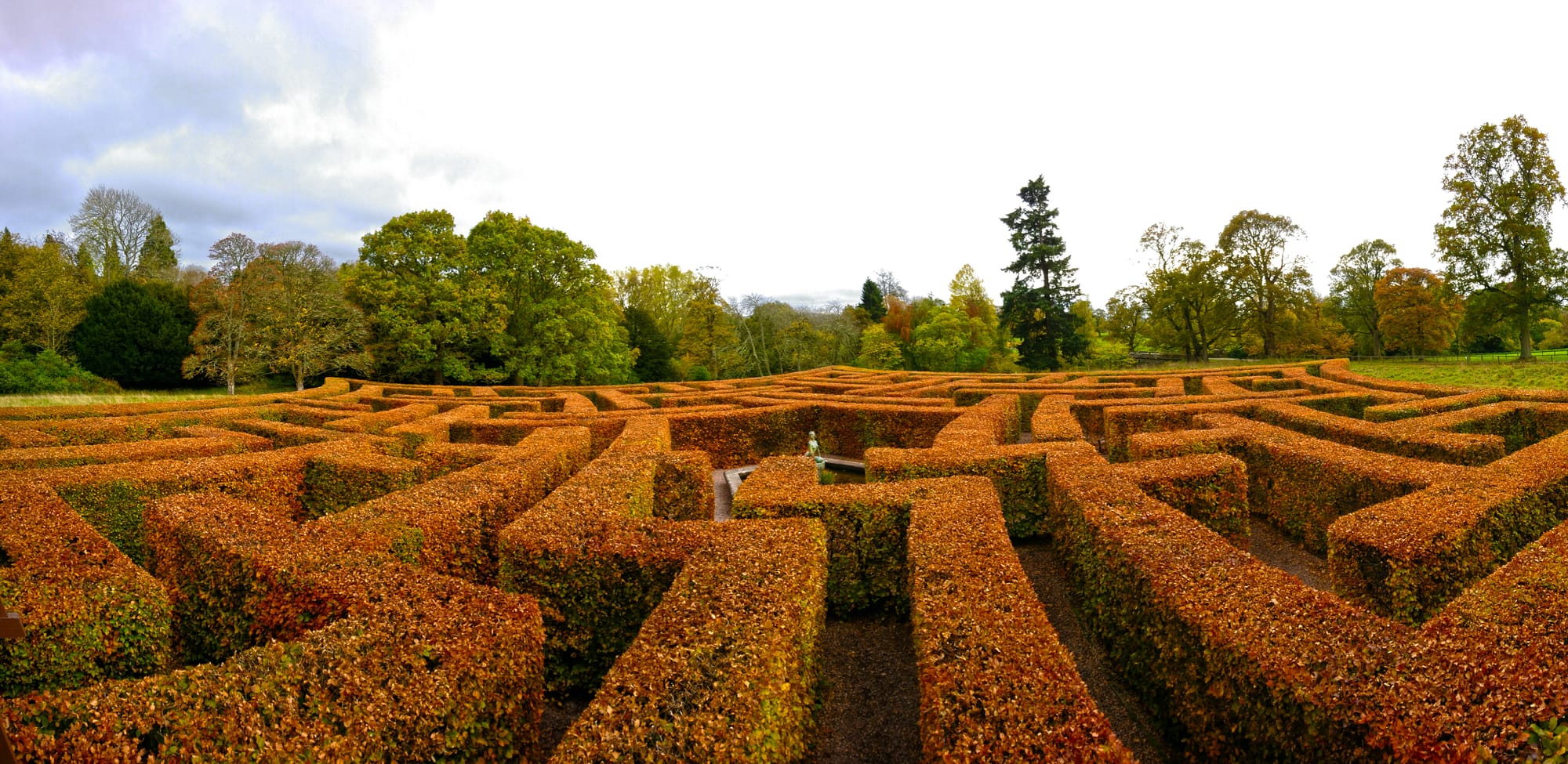
For something truly unique, tackle the Murray Star Maze – a striking “tartan” maze made from 2,000 beech trees and designed by renowned maze designer Adrian Fisher. Finding your way to the centre is all part of the fun.
The historic pinetum
Nature lovers will be amazed by the Victorian Pinetum, home to towering conifers including hemlocks, noble firs and giant sequoias.
Among its highlights is a magnificent Douglas fir grown from one of the first seeds sent back from North America in 1826 by pioneering botanist David Douglas, who began his career working on the Scone estate.
Relax and refuel
After exploring, visitors can enjoy a well-earned break with coffee, tea and cakes from the Scone Palace Coffee Shop or the converted Horsebox within the grounds. They also offer afternoon tea or lunch in the Old Kitchen.
Plan your visit and discover one of the country’s most iconic historic attractions.
When...
Daily, 10am - 4pm.
How Much...
Adult £19.75, child £13.50, under-4s free,
family and concession tickets available
Where...
Scone Palace, Perth, PH2 6BD
www.scone-palace.co.uk
📸 Culture Perth & Kinross/Rob McDougall, Alamy, Shutterstock, DC Thomson


Member discussion