The Stone of Destiny: in search of Scotland's medieval kingmaker
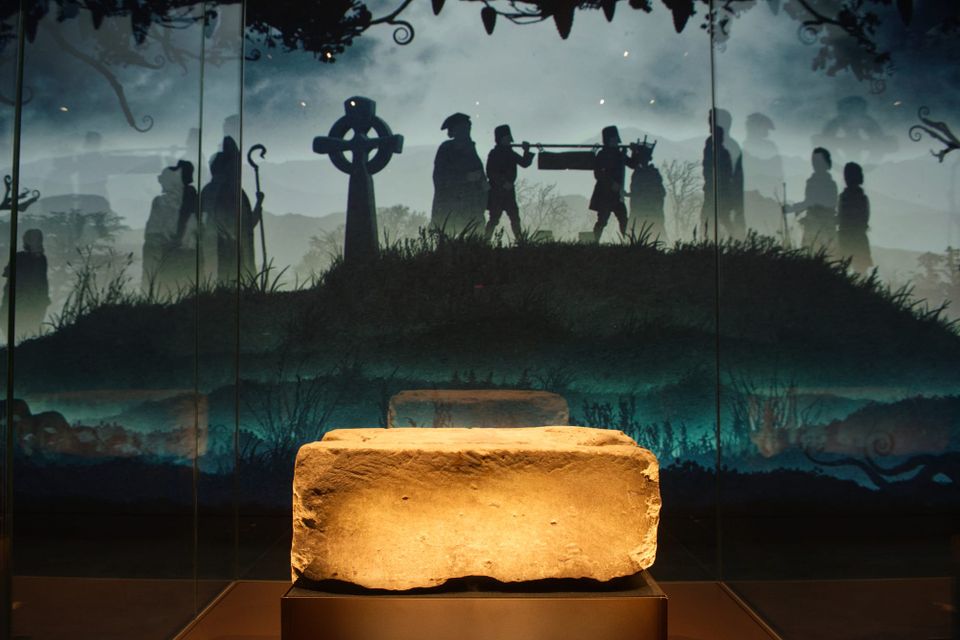
IT'S hard to think of a more captivating name for any historic artefact than the Stone of Destiny. It’s the stuff of myths and legends – a stone with the power to make the rulers of Scotland.
The origins of the Stone of Destiny, also known as the Stone of Scone, are somewhat unclear – but there are a range of stories to capture the imagination.
Some say it came from Egypt or the Middle East, from where it travelled to Ireland and eventually Scotland with Irish invaders. One story claims the stone as Jacob’s Pillow from the Bible – another says Scota, the daughter of an Egyptian Pharaoh, was involved.
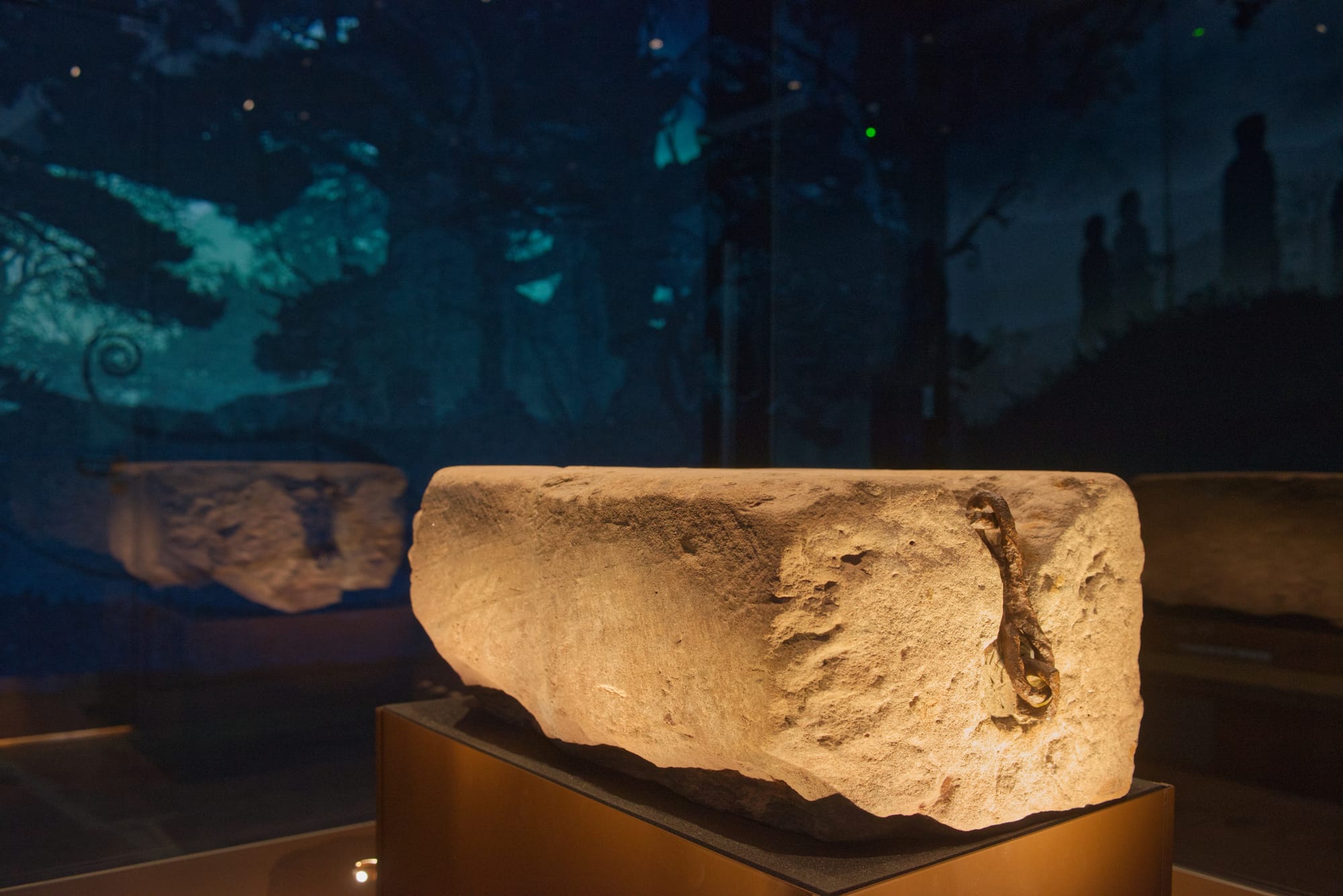
As entertaining as these legends are, scientific research has revealed that the sandstone block was mined near Scone, Perthshire.
And yet this humble slab of sandstone has a strangely intense draw, even to this day.
A symbol of Scotland
What the stone symbolises as an embodiment of Scotland’s nationhood has made it highly sought after – from the Scottish Wars of Independence, when Edward I claimed it as spoils of victory, all the way to 2024, when it made its way home to Perthshire for the first time in 700 years to be displayed at the new Perth Museum.

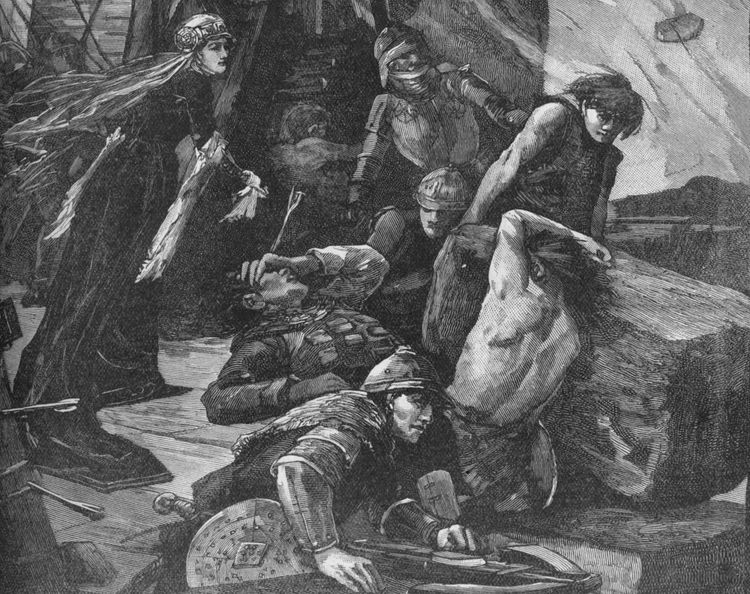
When Edward I, King of England, took the stone to Westminster Abbey in 1296, he had his famous Coronation Chair custom built to accommodate the stone in the bottom.
The right to rule Scotland?
This was a symbolic gesture – if the stone had the power to make someone the King of Scots, then by taking it, Edward could now claim the right of sovereignty over the country for himself and his descendants.
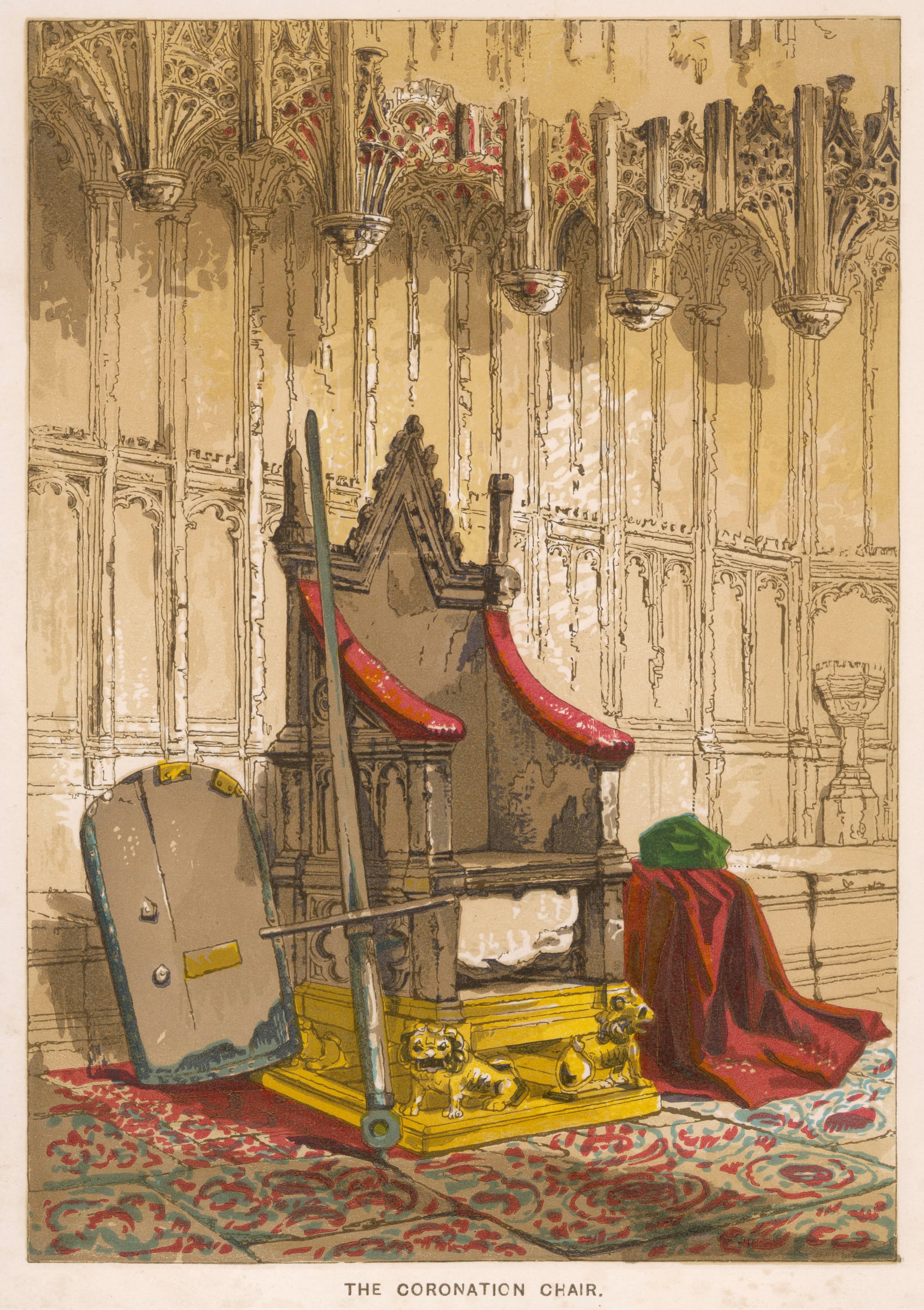
The throne is still in use today, and the stone has therefore been involved in the coronations of nearly all the English and British monarchs since 1308.
But the story of the Stone of Destiny isn’t confined to the dusty pages of history books: as recently as Christmas Day, 1950, a group of Scottish students staged a heist to return the stone to Scotland as a nationalist statement, successfully breaking into Westminster Abbey and escaping with their treasure.
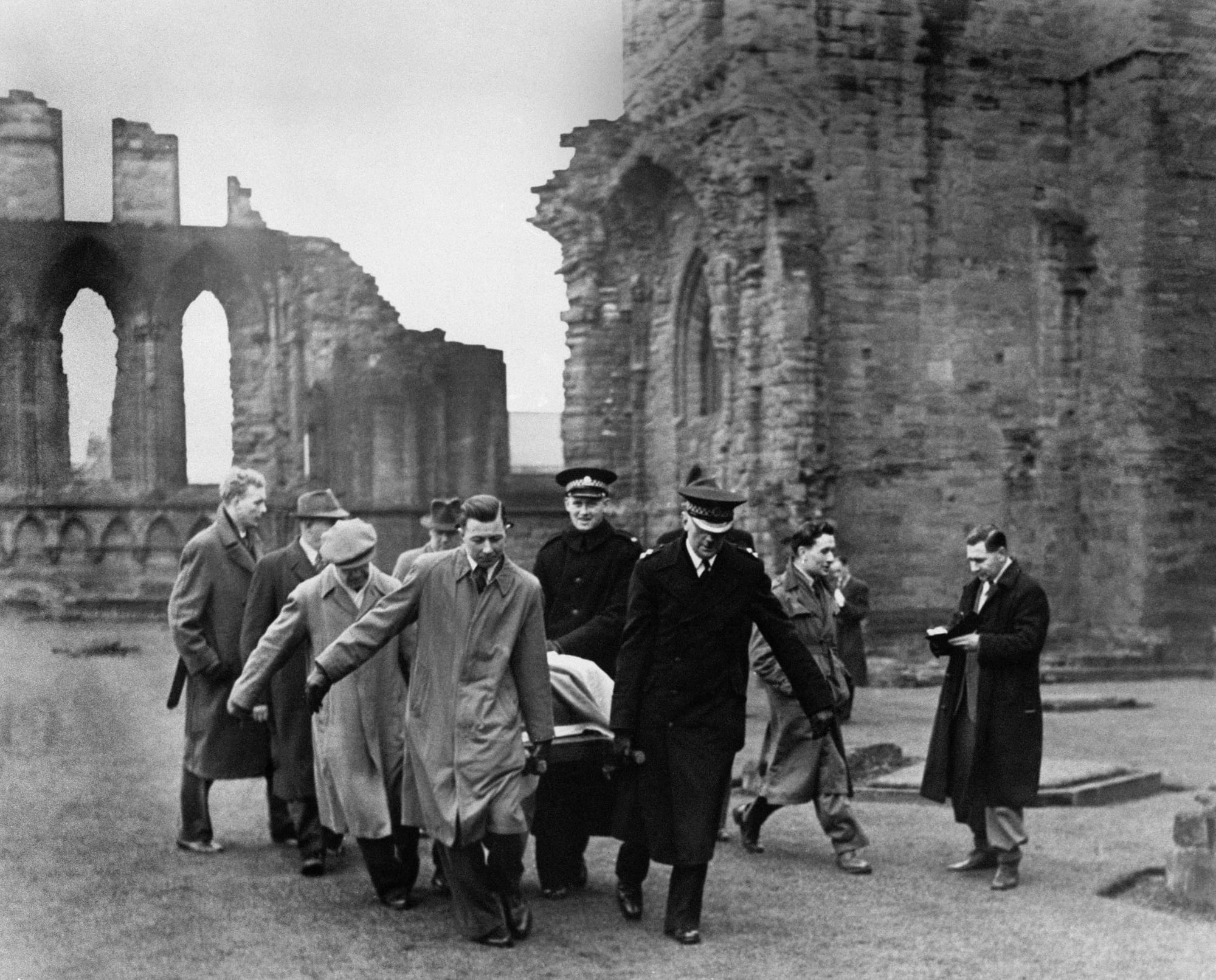
The issue of where the stone should reside has long been contested – making the decision to permanently display it in Perth of historic significance itself.
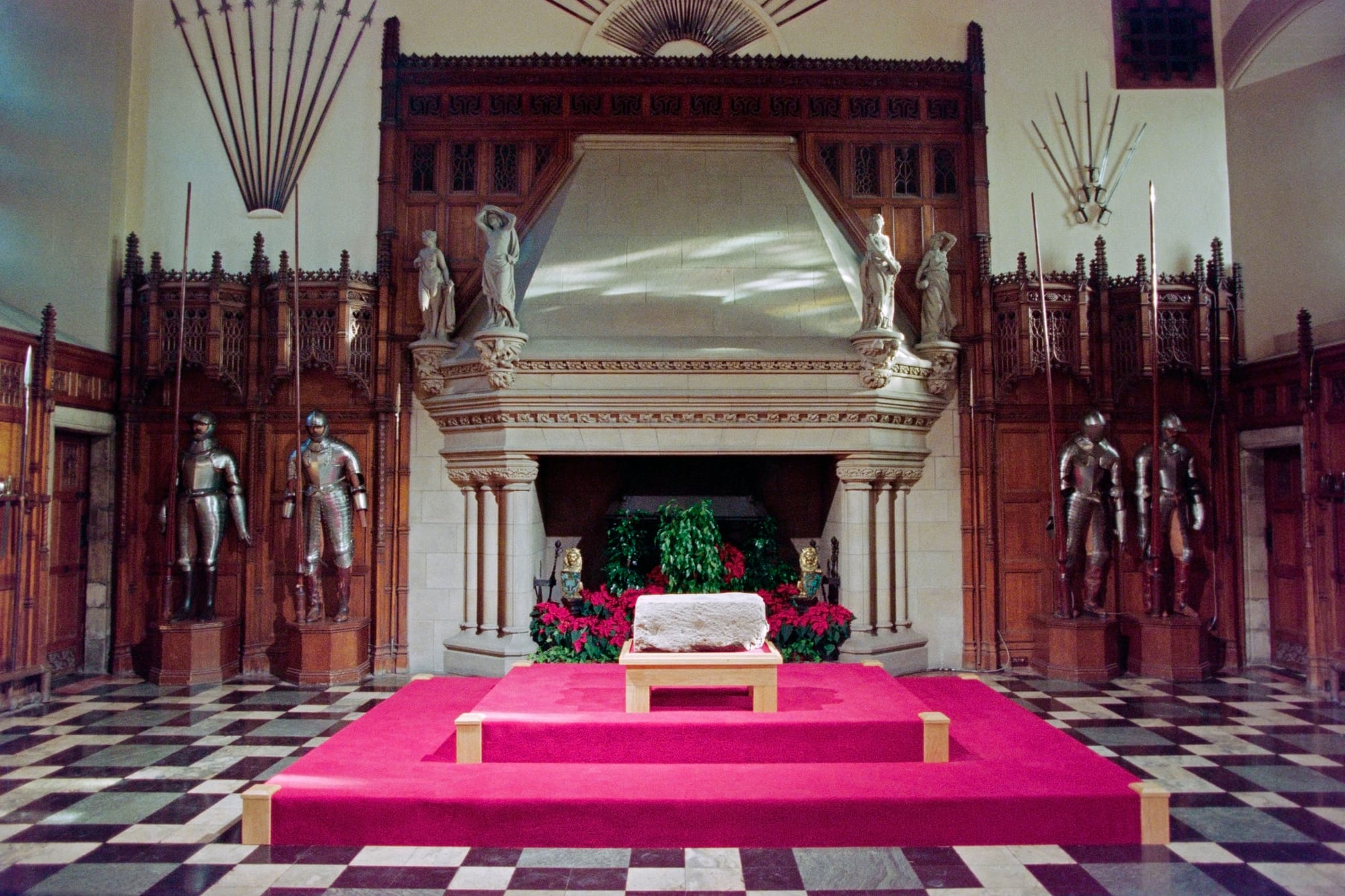
A date with destiny: bringing home the stone
The daring theft of Scotland's most famous artefact shocked the world and closed the border with England!
Back home in Perthshire
As a Scottish archaeology fanatic, it was one of my greatest shames that I had never actually laid eyes on the Stone of Destiny. Now that it’s settled in Perth, I was delighted to finally make the short trip from Dundee.
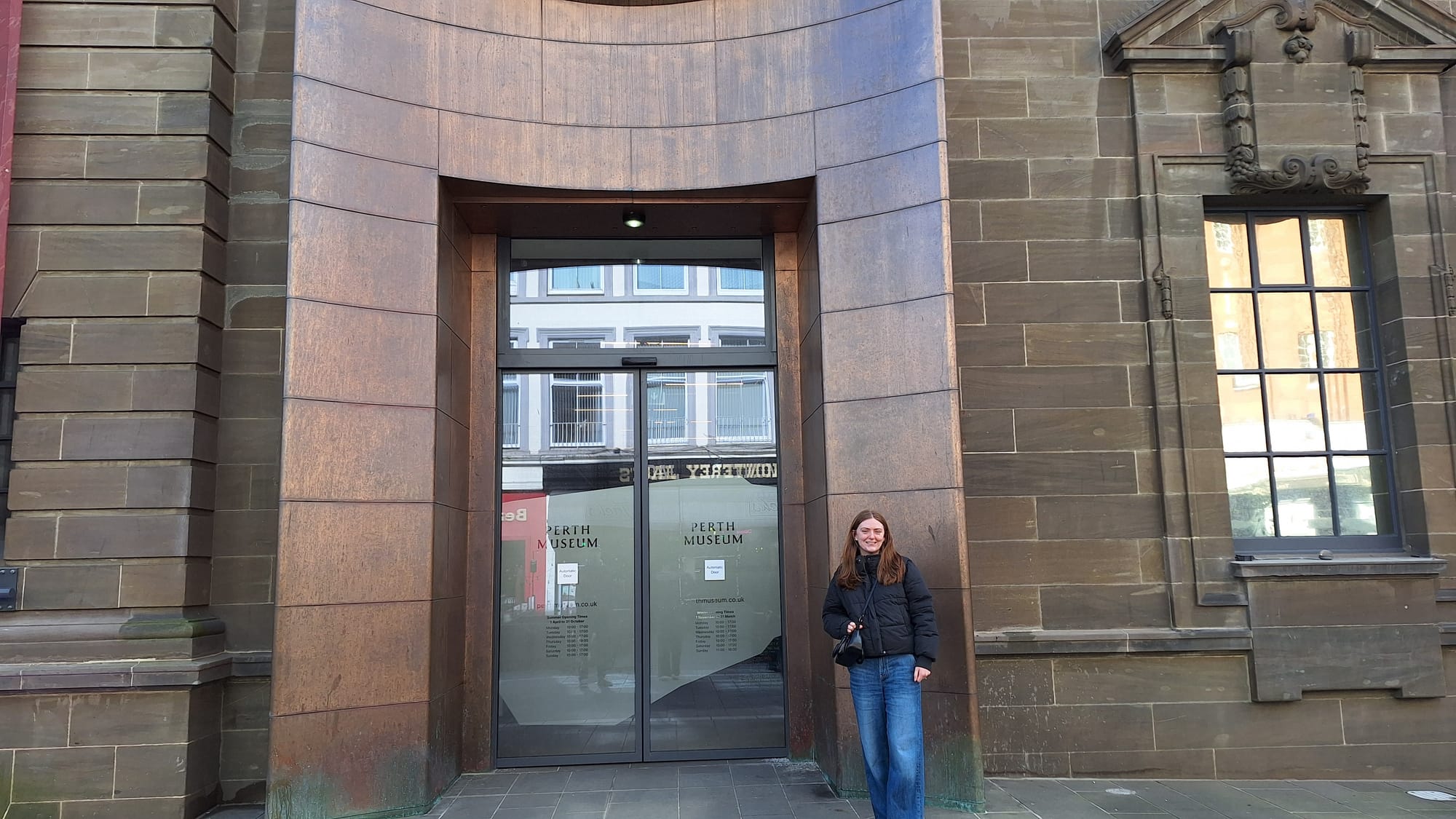
The wind was howling as I made my way to the stunning new Perth Museum building. The £27 million redevelopment of the former Perth City Hall has created a new focal point in the town, and even on this rainy Tuesday, the building had a warm buzz as visitors chatted in the café and strolled round the displays.
Keep reading! Sign up to Gallivant free below to unlock the rest of the article.