
Loch Ness Monster facts: size, sightings and theories

NO creature blurs the line between myth and reality quite like the Loch Ness Monster.
For centuries, Nessie has captured imaginations – appearing in ancient texts, grainy photographs, and now even modern video footage.
And in 2026, the mystery is still very much alive.
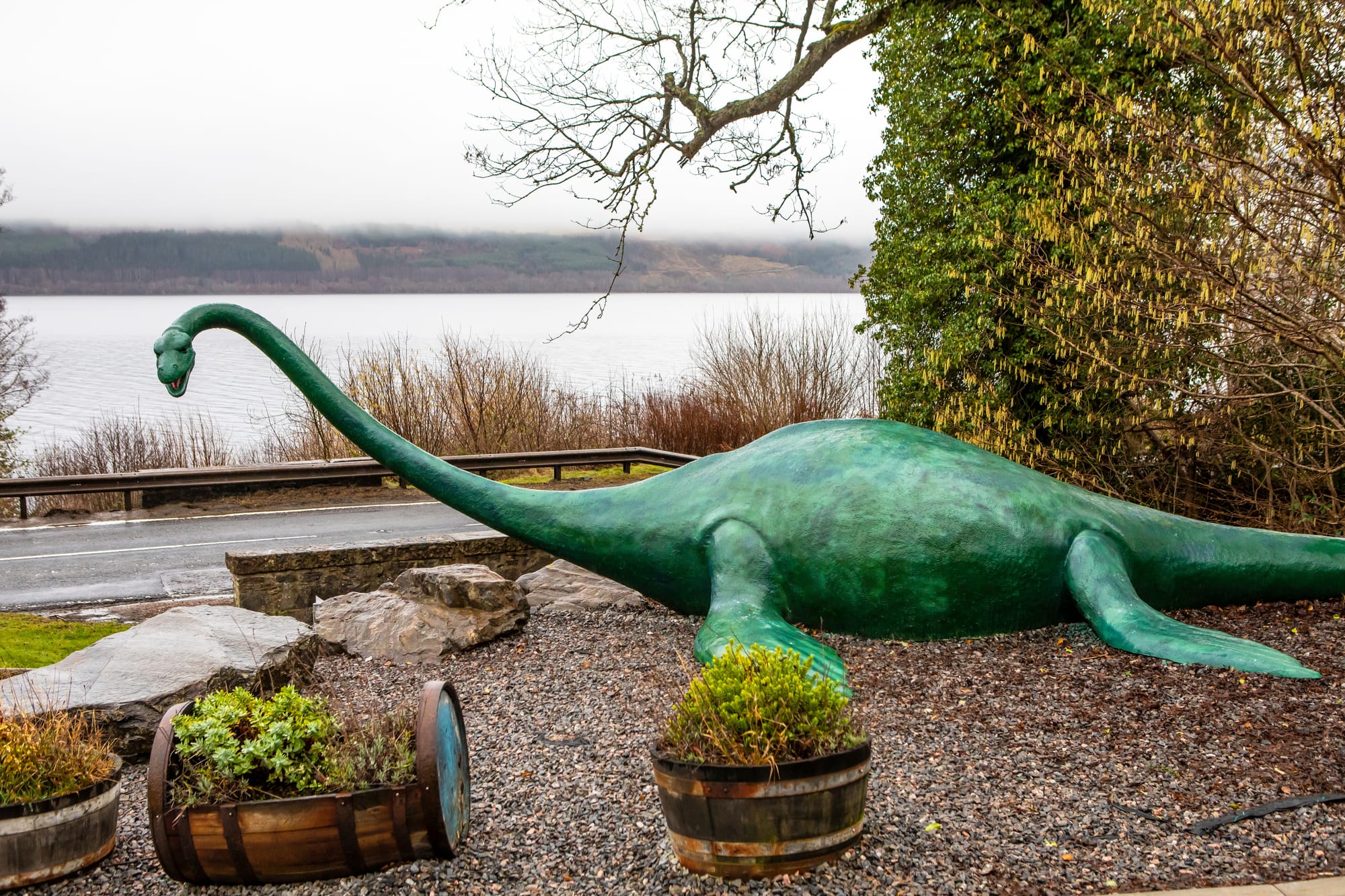
A recent sighting has reignited global interest after a fast-moving creature was filmed cutting through the waters of Loch Ness.
The witness described being stunned by the speed and size of the object, which created a clear wake as it moved across the loch.
Loch Ness Monster: quick facts
First sighting: 565 AD
Typical size: 15–20 ft
Location: Loch Ness, Scotland
Most common sightings: wakes, humps, moving shapes
Latest sighting: 2026 (fast-moving object filmed)
While sceptics suggest known animals like seals or large fish, others believe it could be one of the most compelling modern glimpses of Nessie.
What is the Loch Ness Monster?
For the purposes of this article, we’re choosing to believe Nessie is real – because, as every Scot knows, that’s the correct answer.
Nessie isn’t the first creature thought to be a myth and then discovered to be real.
Gorillas were thought to be a myth till 1847. Giant pandas were just a story until they were discovered in 1869.
And komodo dragons were thought to be a kind of mythical crocodile or prehistoric monster until 1926.
Where in Scotland is the Loch Ness Monster?
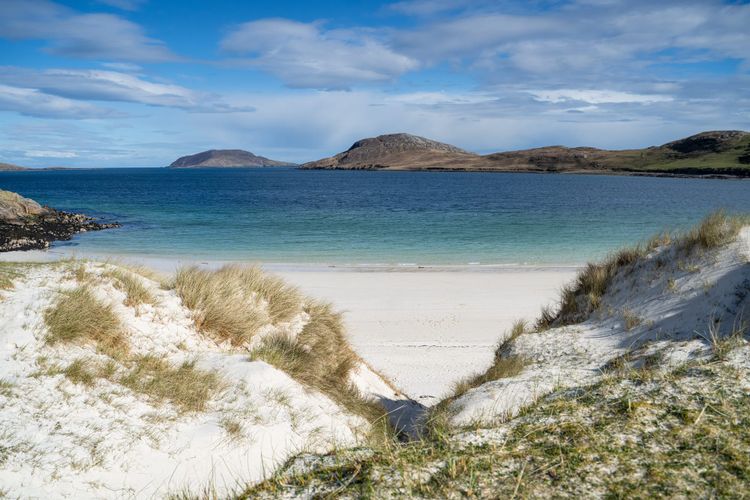
Loch Ness is where Nessie calls home. Located around 14 miles south of Inverness, it is one of the largest lochs in Scotland.
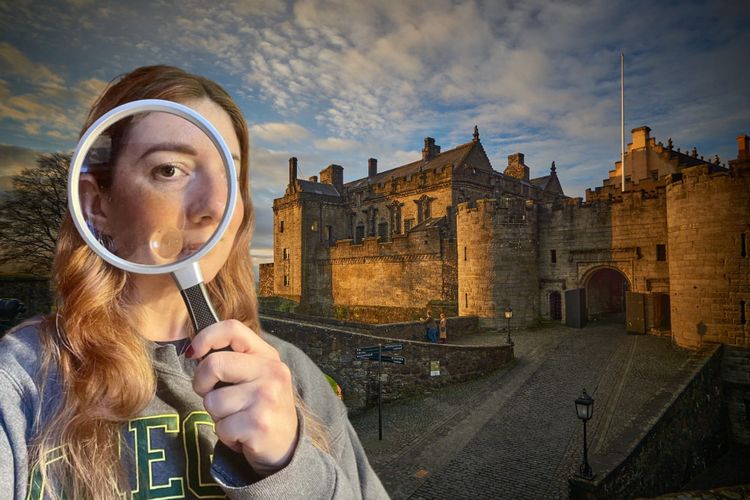
It is 22 miles long, 745 feet deep and you could fit Edinburgh castle inside Loch Ness, and it wouldn’t even surface.
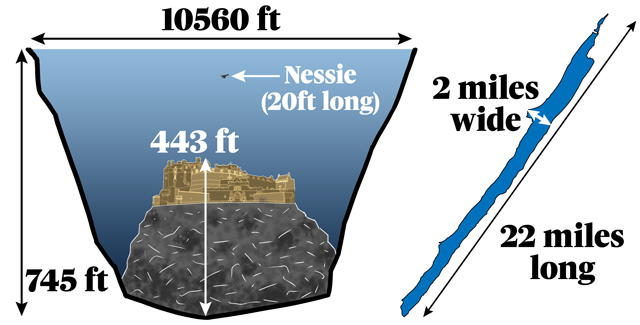
If you were to measure it by volume of water, it is bigger than all the lakes in England and Wales combined!
It’s the depth and darkness of the loch that make it the perfect hiding place.
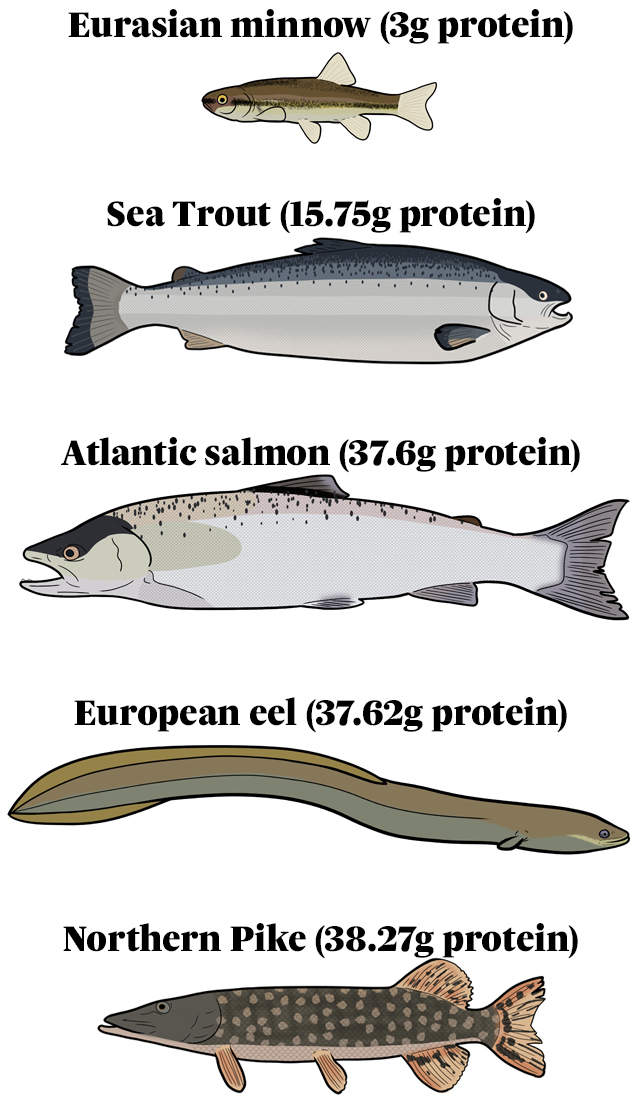
Nessie is part of the diverse fish life living in Loch Ness. Other fish are likely to be her main source of food.
How big is the Loch Ness Monster?
No-one really knows how big the Loch Ness Monster is. Despite her many sightings, she has never stuck around long enough or let anyone get close enough with a tape measure!
But the most consistent estimate is 15-20ft.
This would fit with the theory that the Loch Ness Monster evolved from plesiosaurs, prehistoric sea creatures.
Plesiosaurus, an early plesiosaur, was believed to be 15ft long and swam by flapping its fins in the water in a seal-like way.
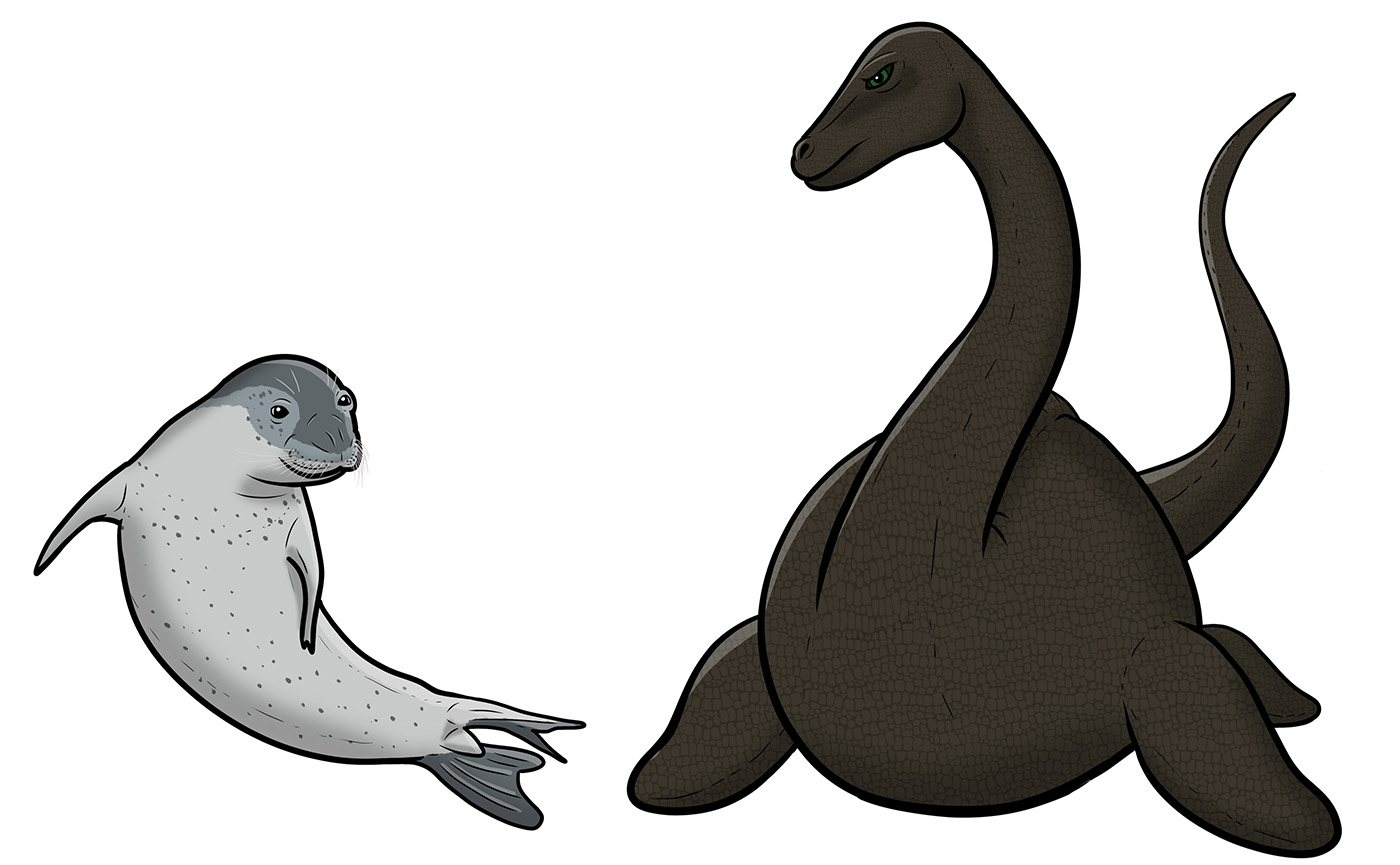
It could be this style of swimming that also explains why many people believe far from evolving from dinosaur times, Nessie is simply a very large seal.
What does the Loch Ness Monster look like?
Ever since her first sighting, an image has been built up of the Loch Ness Monster and an almost universal look for Nessie has formed along with different variations.
Through all her sightings the monster has nearly always been described as having a small head with a very long neck that rises up from the water.
Some say Nessie has a large body and flippers to help her swim like a plesiosaur.
But she’s also been described as having a body similar to an eel. Both possibilities have been brought to life in the many films and drawings of the famous monster over the years.
And her ‘personality’ varies as much as her size
Some have painted her as a terrifying monster
She’s appeared as cute or comical in comic books and cartoons
And she’s become a great mascot for Scotland
What monster could Nessie be?
There is another possibility other than seal, eel or dinosaur that could explain Nessie’s origins.
That she is actually one of Scotland’s other mythological creatures.
A kelpie
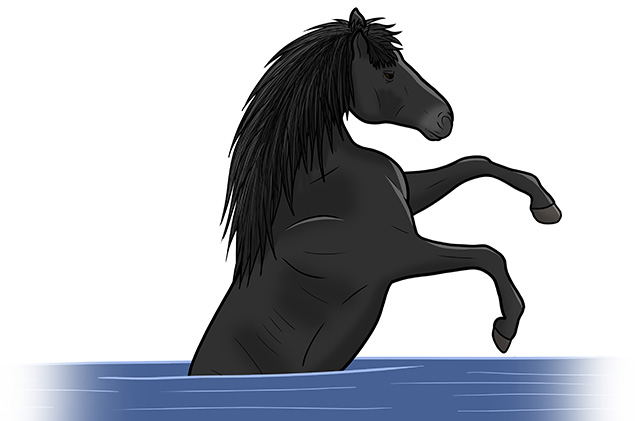
A shapeshifting creature often depicted as a horse that can run through and along large bodies of water.
A mermaid (selkie)
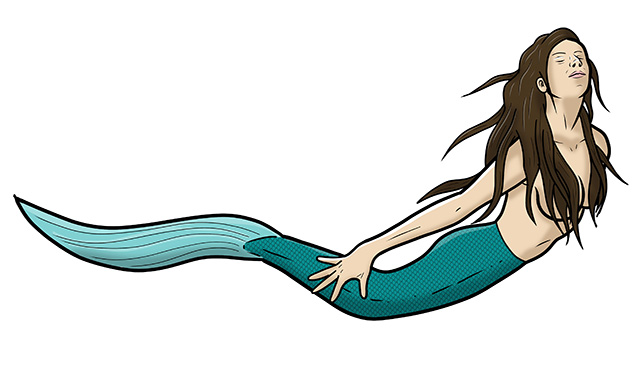
A sea creature with a feminine appearance. Their folklore was passed around by Scottish fisherman and sailors.
The Kraken
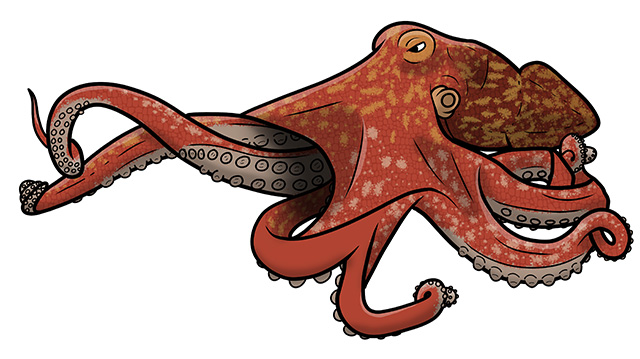
19th century Scottish fisherman once encountered a monstrous squid creature near Shetland.
How old is the Loch Ness Monster?
If the Loch Ness Monster is indeed a plesiosaur, it’s unclear whether she evolved from one – or has somehow managed to survive since the prehistoric days, more than 205 million years ago, when Loch Ness and Scotland was home to T-rex’s and other plesiosaurs.
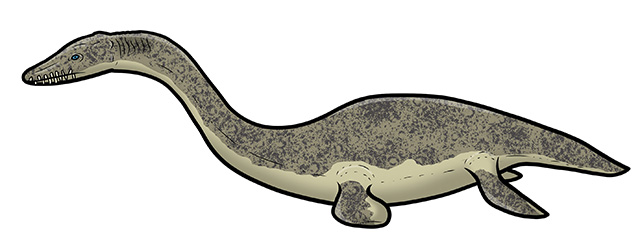
If Nessie is a surviving prehistoric creature, she would have outlived mass extinction, the Ice Age, and modern science itself.
Whether Nessie is a prehistoric survivor, a trick of the light, or something we’ve yet to understand, one thing is certain – the mystery of Loch Ness is far from solved.
And the next sighting could come at any moment.
Illustrations by Mhorvan Park.


Member discussion