
Timeline: the Loch Ness Monster from ancient legend to modern mystery
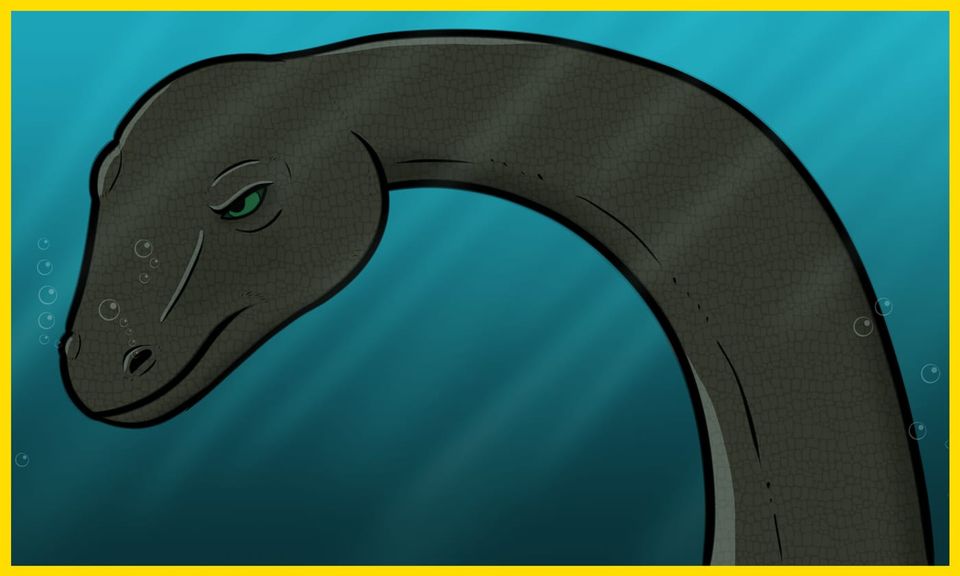
The story of the Loch Ness Monster didn’t begin with a photograph — or even a newspaper headline.
It began over 1,500 years ago.
Since then, Nessie has evolved from folklore to global phenomenon, shaped by hoaxes, science, and genuine mystery.
Ancient origins (565 AD)
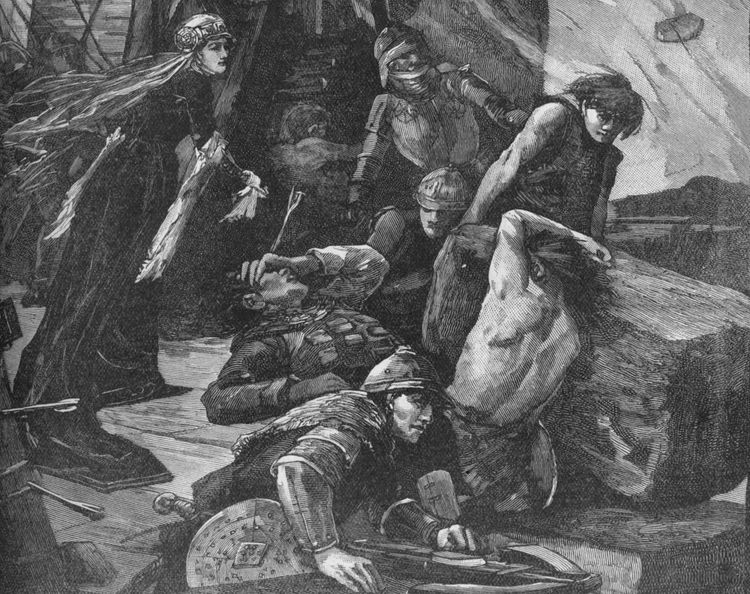
565 AD: The first sighting, according to St Columba’s biographer. The monster bites a swimmer in the loch, and is sizing up another man, when the saint intervenes.
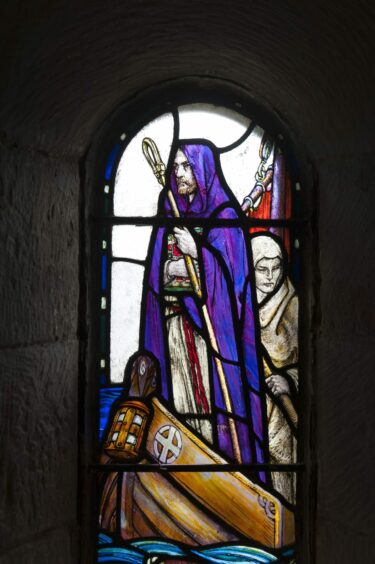
Columba orders the creature to “go back” – and it obeys him.
This moment is often considered the birth of the legend.
Then there is a bit of quiet time as far as the records go – until…
The media explosion (1933–1934)
April 1933 – A couple, Mr and Mrs Spicer, sees a huge creature “like a dragon or prehistoric monster” cross in front of their car. Numerous sightings follow after the incident is reported in a Scottish newspaper.
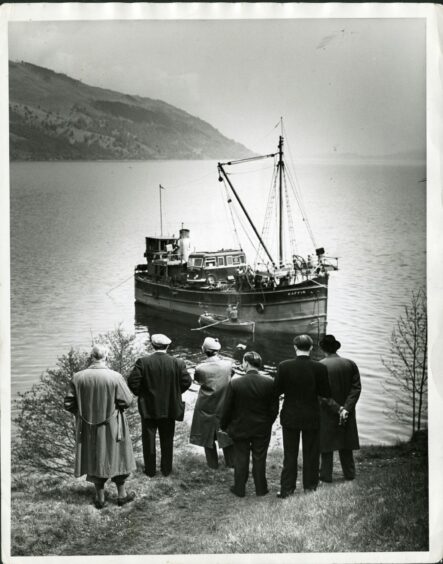
December 1933 – The Daily Mail commissions Marmaduke Wetherell, a big-game hunter, to locate the Loch Ness Monster. Along the shores of the loch, he finds large footprints that he believes belong to “a very powerful soft-footed animal about 20 feet long.”
However, upon closer inspection, zoologists at the Natural History Museum determine that the tracks are identical and made with an umbrella stand or ashtray that has a hippopotamus leg as a base.
Wetherell’s role in the hoax is unclear.
This is when Nessie transformed from local legend into global headline.
1934: The Surgeon’s Photograph was a game-changer.
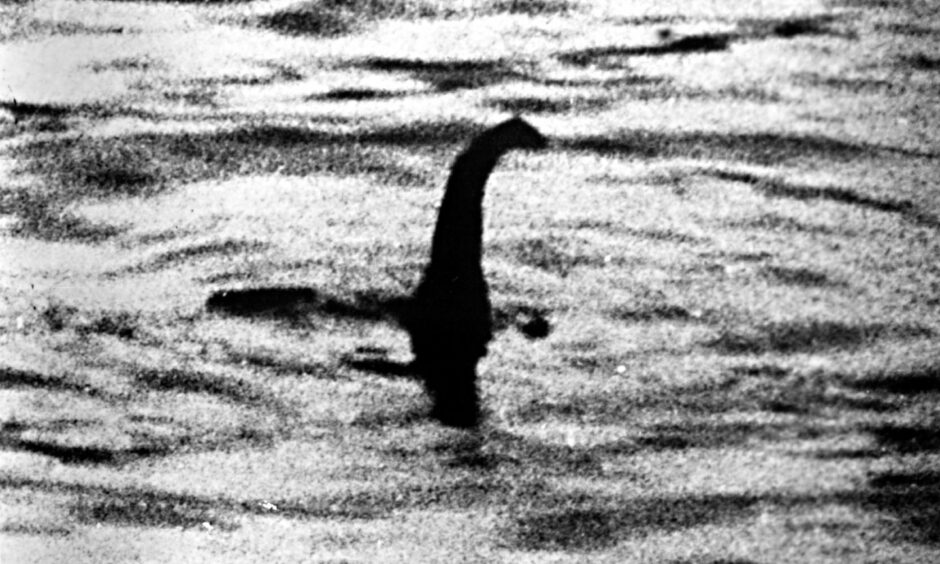
English physician Robert Kenneth Wilson allegedly photographed the alleged creature (forgive the amount of alleging).
It caused a flare-up of Nessie fever, finally giving shape to the monster. Was it a plesiosaur, a marine reptile that went extinct some 65.5 million years ago? How had it survived? Why did it suddenly pop up and pose for a photo?
That last question was crucial. Sadly, the photo was uncovered as a hoax in 1994.
1983: The Family-Ness cartoon hits the small screen. We thought it was worth a mention.
The scientific era (1980s–present)
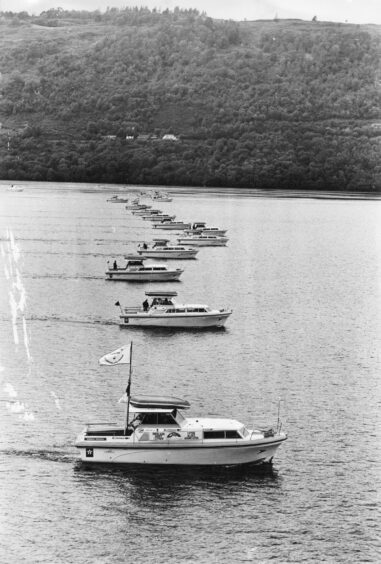
1987: Marine biologist Adrian Shine spearheaded a sonar exploration with 20 cabin cruisers sweeping the loch in the most ambitious expedition ever launched to find Nessie.
The Washington Post reported that it looked like “a chicken scratch”– but a thin, shaky line on a piece of paper was a sonar signature of something moving slowly at about 600 feet down.
“No-one here was prepared to say that it was the Loch Ness Monster. But few would swear it wasn’t.”
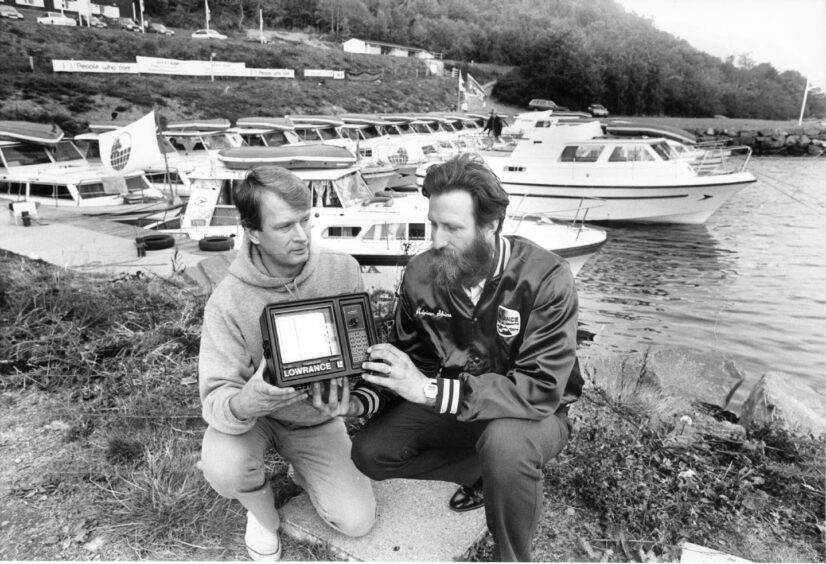
1991: Steve Feltham becomes a full-time Nessie hunter and set up his caravan on the shores of the loch at Dores.
1996: Loch Ness the movie, starring Ted Danson, is released. Again, this is a subjective one, but we liked it.
2003: The BBC sponsor another sonar sweep for the Loch Ness Monster, but nothing of note was found.
2007: On May 26, 55-year-old laboratory technician Gordon Holmes videotaped what he said was “this jet black thing, about 46 ft long, moving fairly fast in the water”.
Adrian Shine described the video as among “the best footage [he had] ever seen”. Shine later suggests that the footage was an otter, seal or water bird.
No large unknown creature was found – but the mystery wasn’t fully explained either.
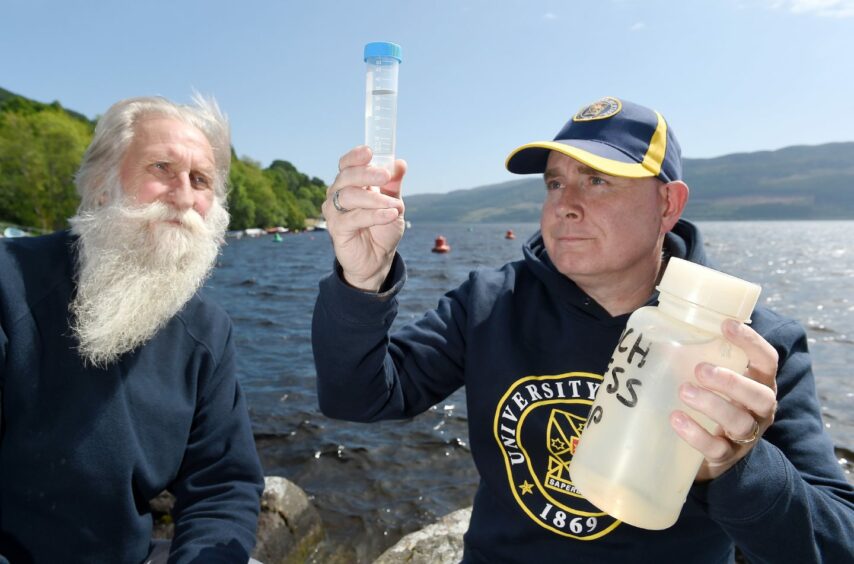
2018: Researchers conducted a DNA survey of Loch Ness to determine what organisms live in the waters.
No signs of a plesiosaur or other such large animal were found, though the results indicated the presence of numerous eels.
📸 DC Thomson/Sandy McCook/Press and Journal Archive and Shutterstock

Member discussion