
A date with destiny: bringing home the stone
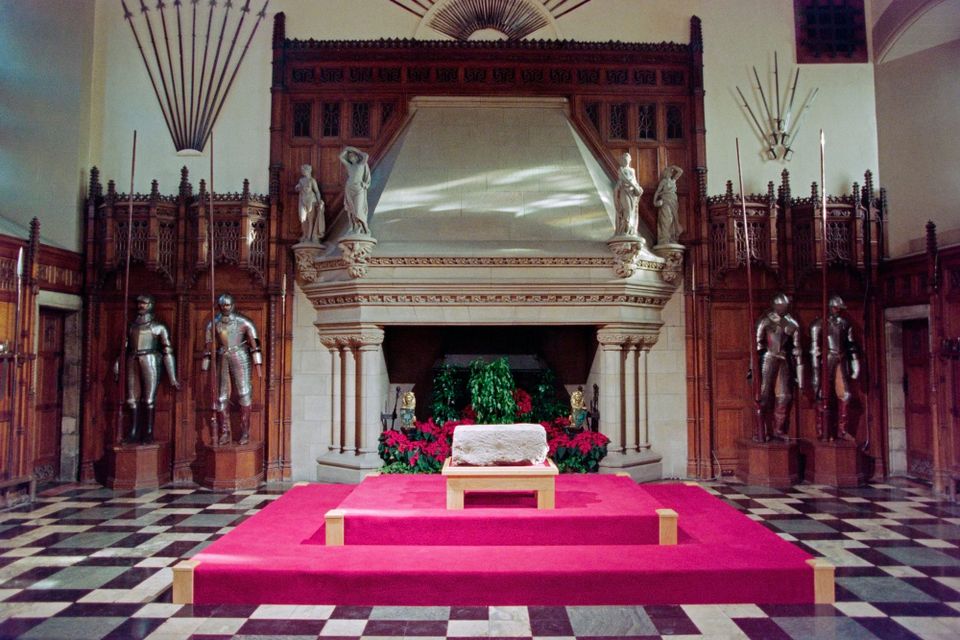
IT almost sounds like the plot of an old Ealing comedy.
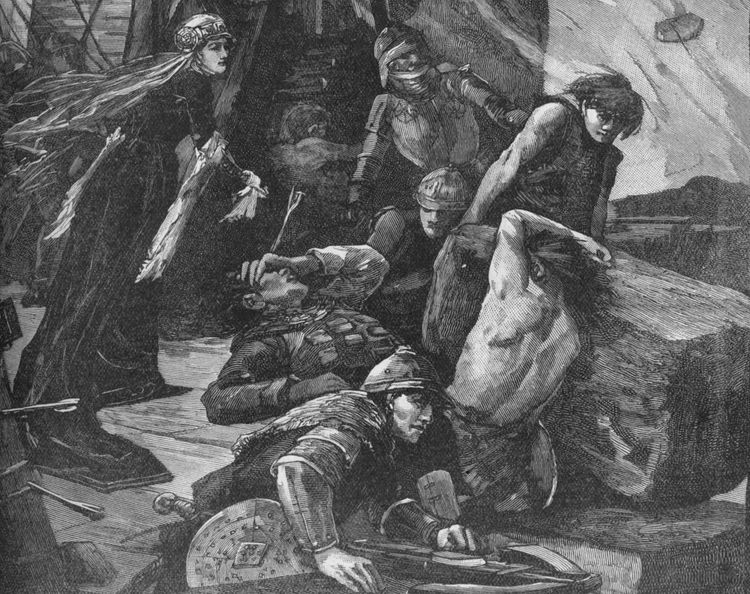
In the early hours of Christmas Day, 1950, three Scottish students – a fourth stayed in a car outside – broke into Westminster Abbey and took a block of red sandstone from under the Coronation Chair – accidentally breaking the stone in two in the process.
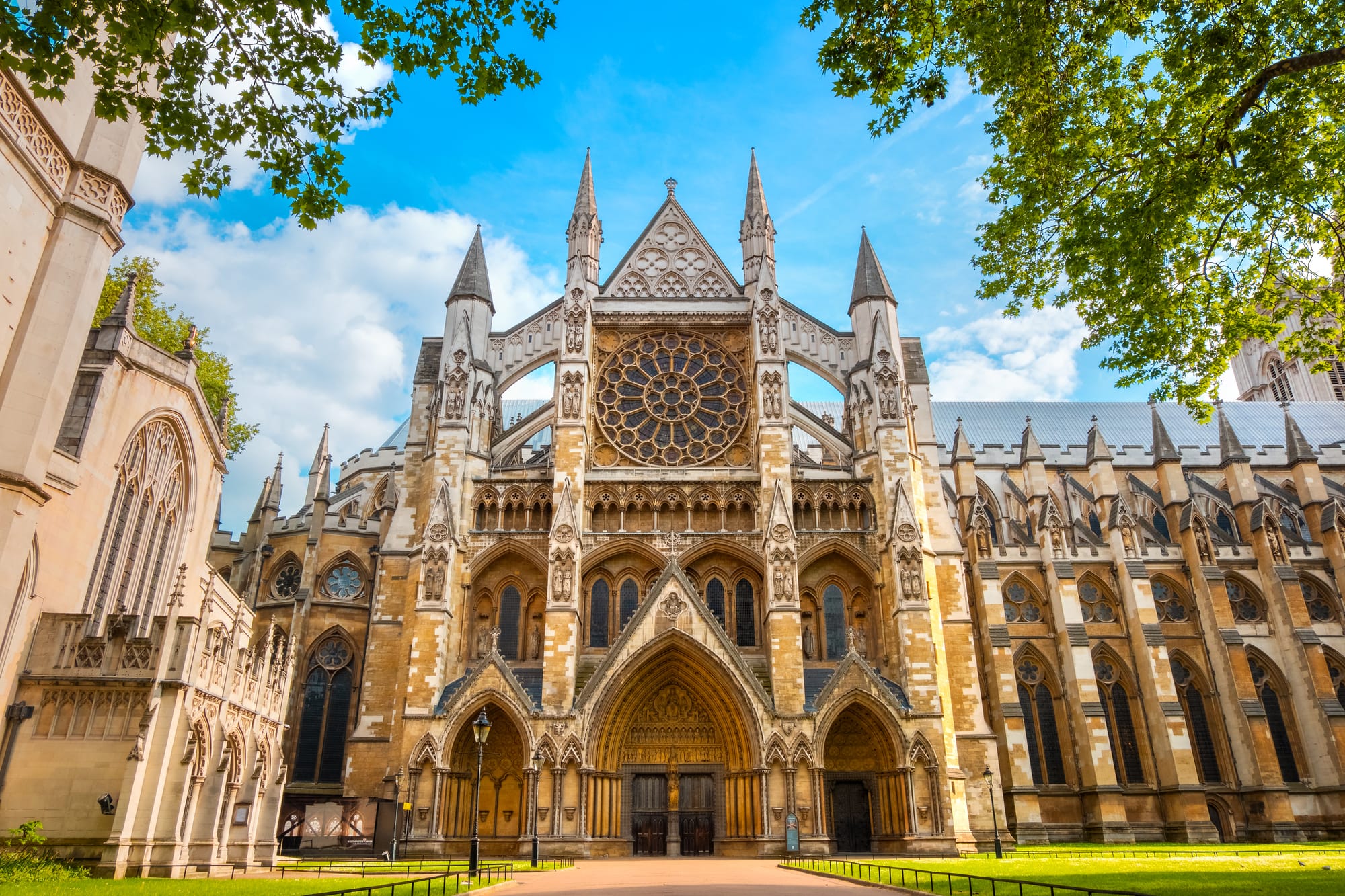
Once their actions were discovered, the authorities issued a description of the stone, along with generic descriptions of two suspects.
Historic border closure
The border between England and Scotland was briefly closed for the first time in 400 years.
Cars travelling north were stopped and checked, while ports, airports, road transport drivers, and railway employees were instructed to “watch out for unusually heavy packages”.

Part of the Serpentine river, in Hyde Park, was searched in vain, while police in Glasgow initially considered the theft of a five-ton Dennis lorry from a factory in Partick as “possibly connected”.
A royal panic
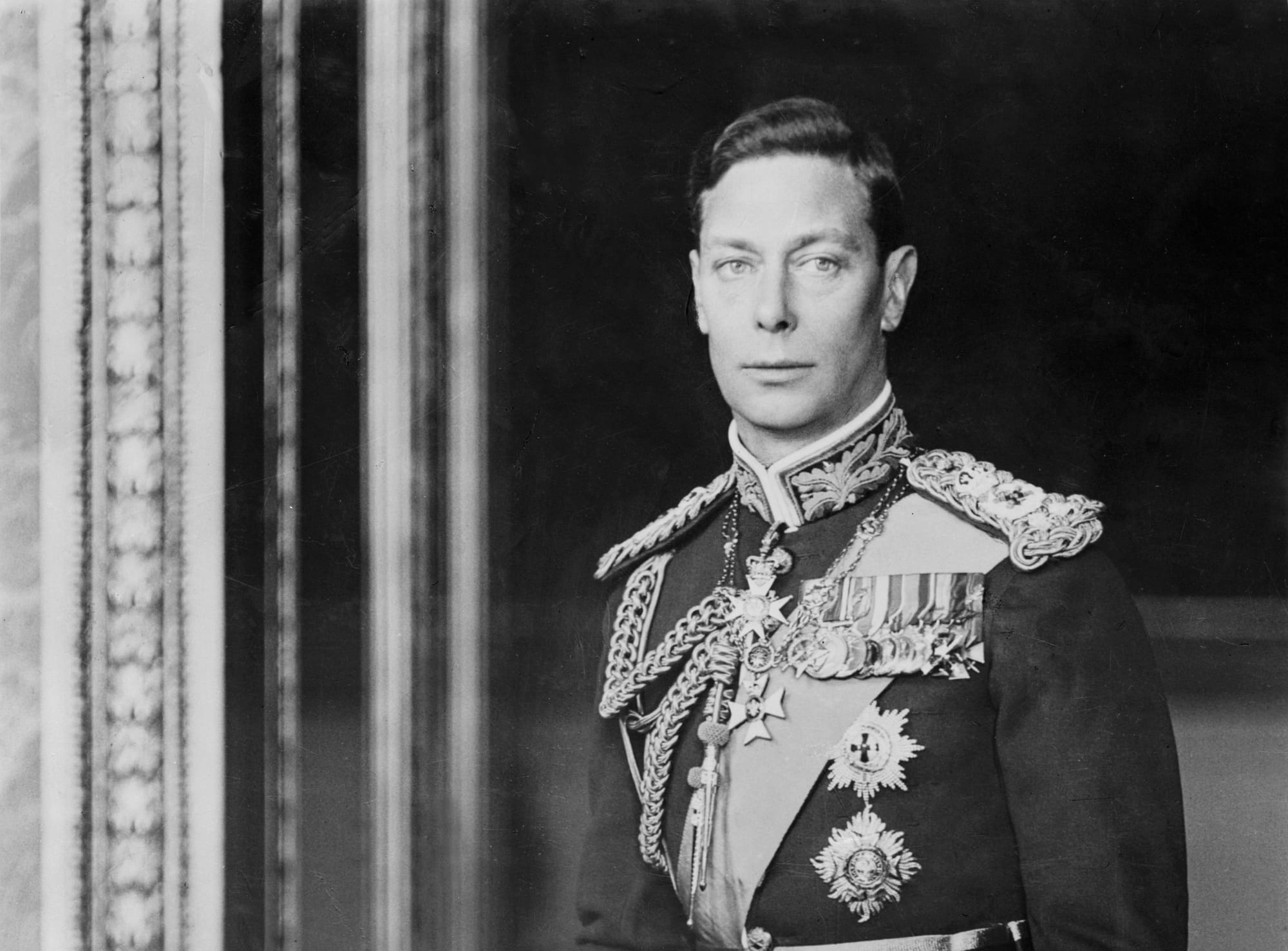
King George VI – the present King's grandfather – was said to be “greatly distressed” at the loss. His government, and their police forces, were left on the back foot.
While “Scottish enthusiasts” were speedily believed responsible, the four students – after hiding the two sections not that far from London – easily travelled back to Scotland undetected.
They later returned to collect the stone once the initial hue and cry had settled down.
Despite a very public search, the authorities ultimately failed to find the stone – at least, until it was left for “collection” by the students on the high altar of Arbroath Abbey several months later.
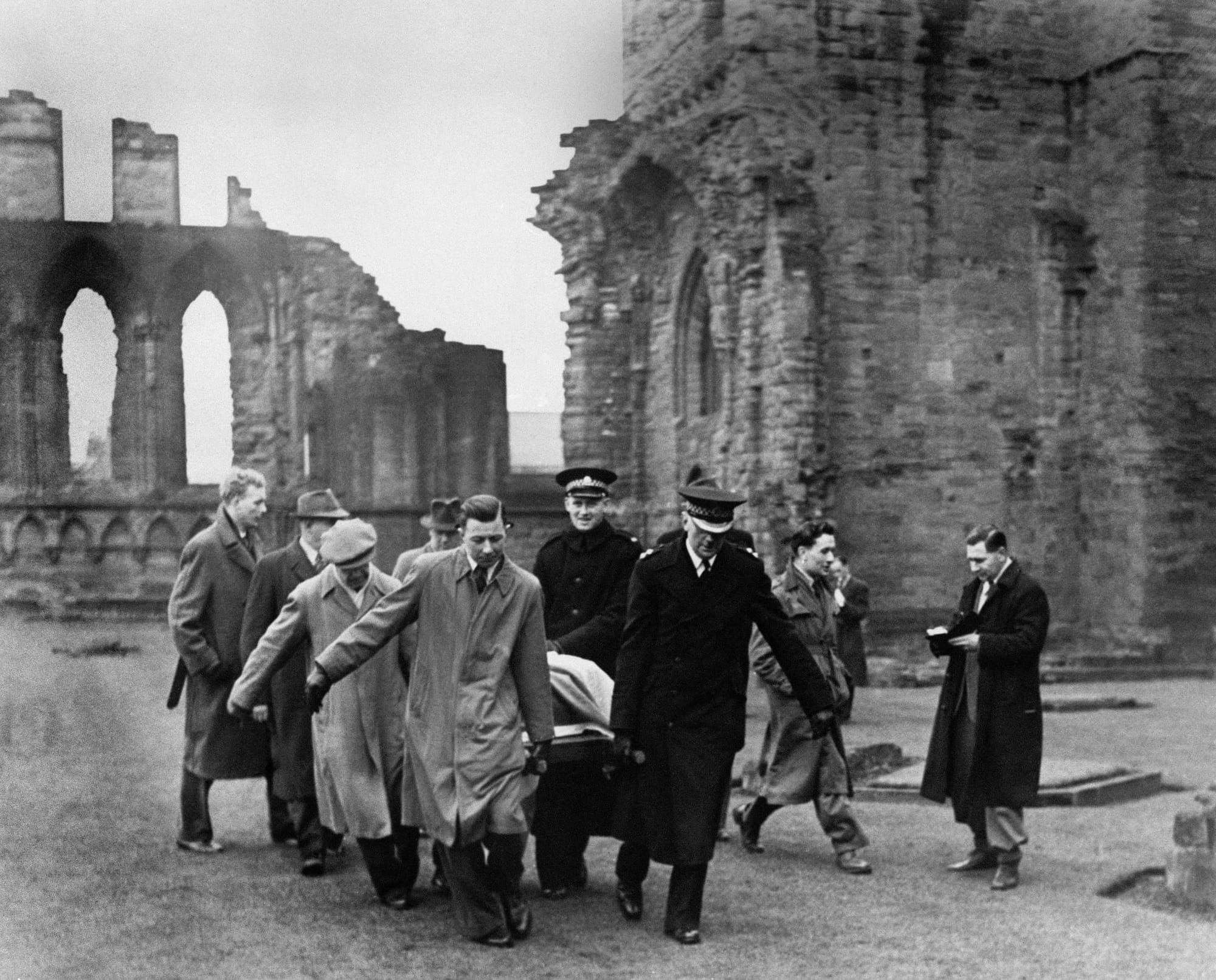
Although those responsible, including promising law student and future Queen’s Counsel Ian Hamilton, were interviewed by police and all, except for Hamilton, had admitted their involvement, no charges were pressed – possibly in fear of stoking latent feelings of Scottish nationalism.
Did you know?
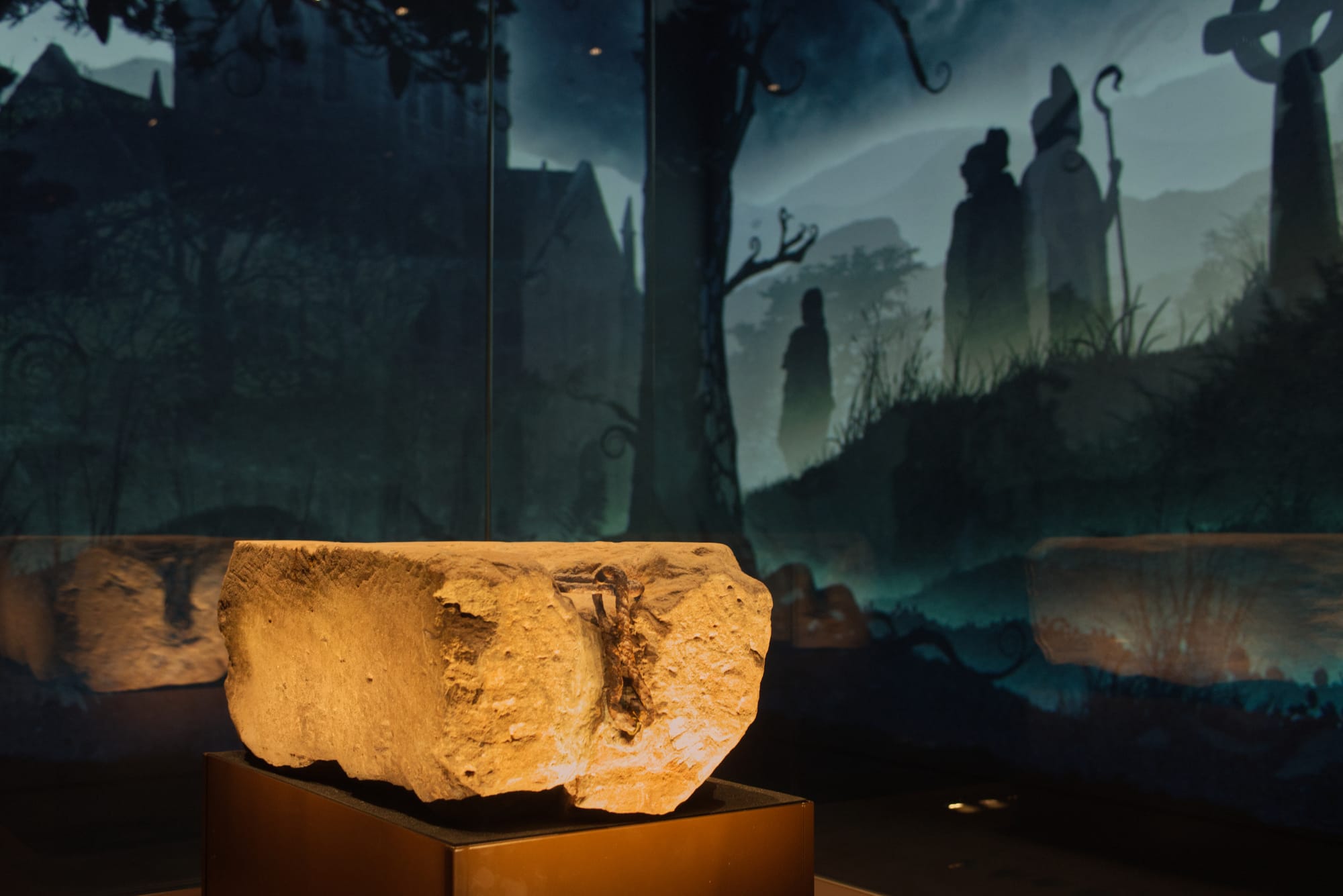
The Stone of Scone is also known as the Stone of Destiny, Jacob’s Pillow Stone, the Tanist Stone, Stane o Scuin, An Lia Fáil, Clach-na-cinneamhain, and the Coronation Stone!
Back to Westminster
The red sandstone was speedily returned to Westminster, and played its traditional role in the coronation of Queen Elizabeth II two years later.
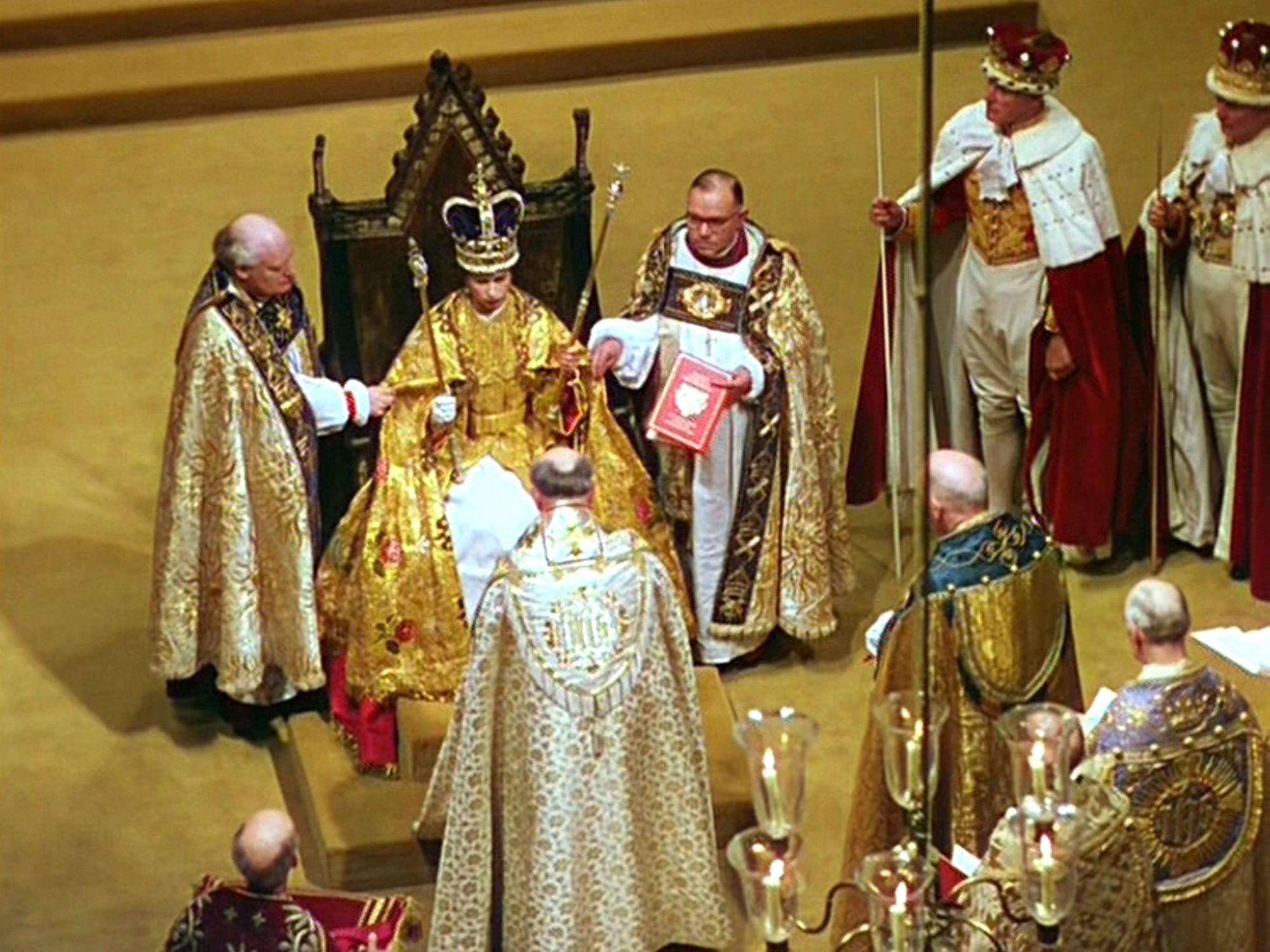
The then Dean of Westminster, the Very Reverend Dr Alan C. Don, described it as “the most precious relic that we have”.
Even Ian Hamilton later admitted that he felt he “was holding Scotland’s soul” when he touched it for the first time.
For this particular block of red sandstone is the supposed seat on which Pictish and later Scottish kings were crowned.
The soul of Scotland
It was forcibly taken by Edward I – “the Hammer of the Scots” – in 1296 as a spoil of war, and symbolically incorporated into the wooden chair used during every subsequent English – and later British – coronation.
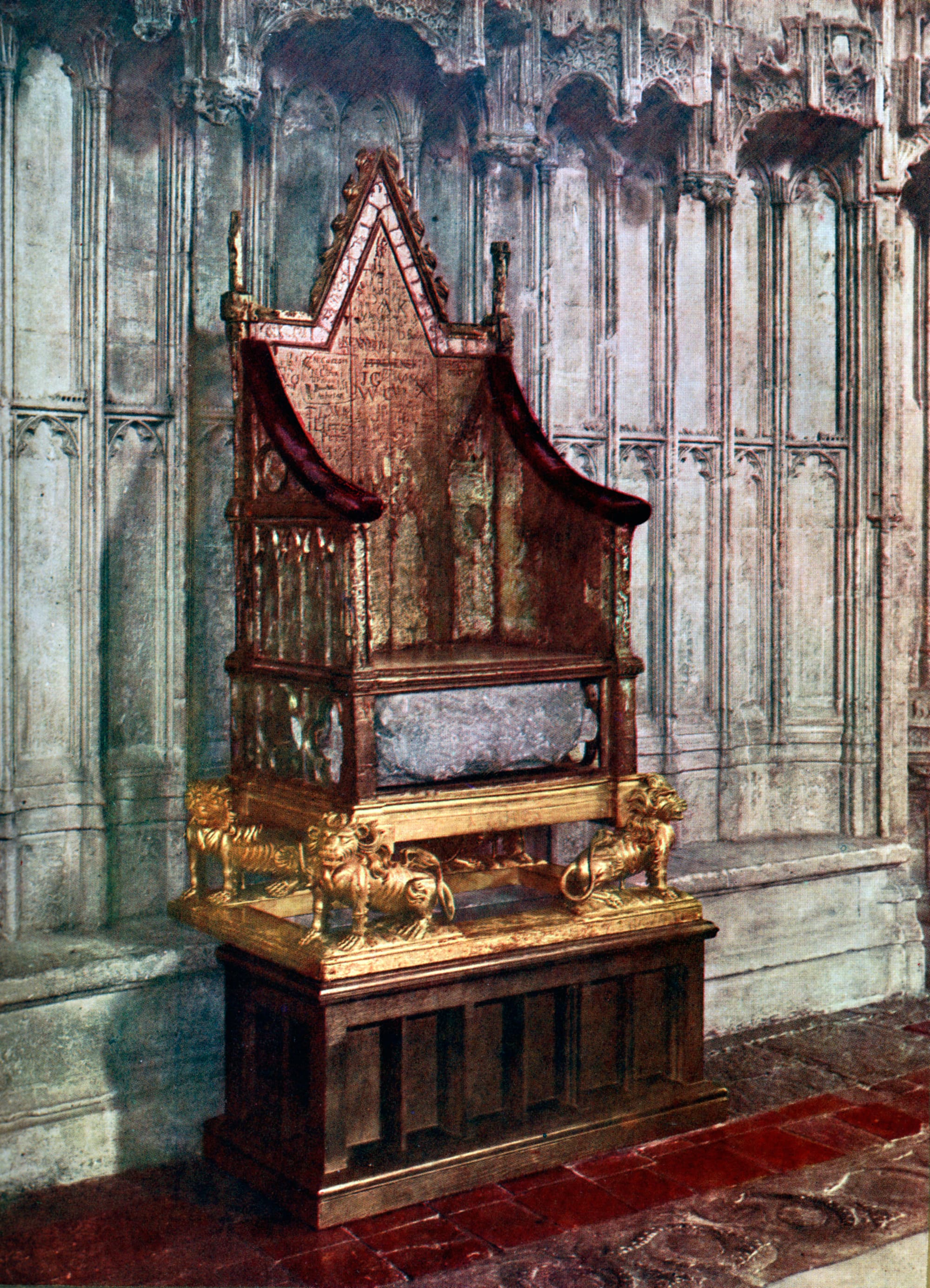
Only once before had the stone left the Abbey when it was taken to Westminster Hall in 1657 for the installation of Oliver Cromwell as Lord Protector.
If nothing else is certain – and there are as many myths and legends attached to the stone as it has names – this particular block of red sandstone is the focus of often deeply recognised symbolism.
During the British Israel World Congress of 1920 – 30 years before its unofficial removal from Westminster Abbey – one participant described it as “the most sacred emblem the world had ever known”, a symbol of the God-chosen nature of the English monarchy. Hopefully the speaker meant the British monarchy.
World-renowned relic
As a later letter to The Scotsman newspaper also put it, the Stone of Scone,
“which played an important part in the coronation of Pictish kings, has gathered to itself new and imperial associations. To divest it of these would be to ignore a tradition based upon the practice of 600 years.”
However, for many people, such as Dumbarton MP David Kirkwood, the stone remained a “venerable relic” of specifically Scottish nationhood, made all the more meaningful for it being held in England.
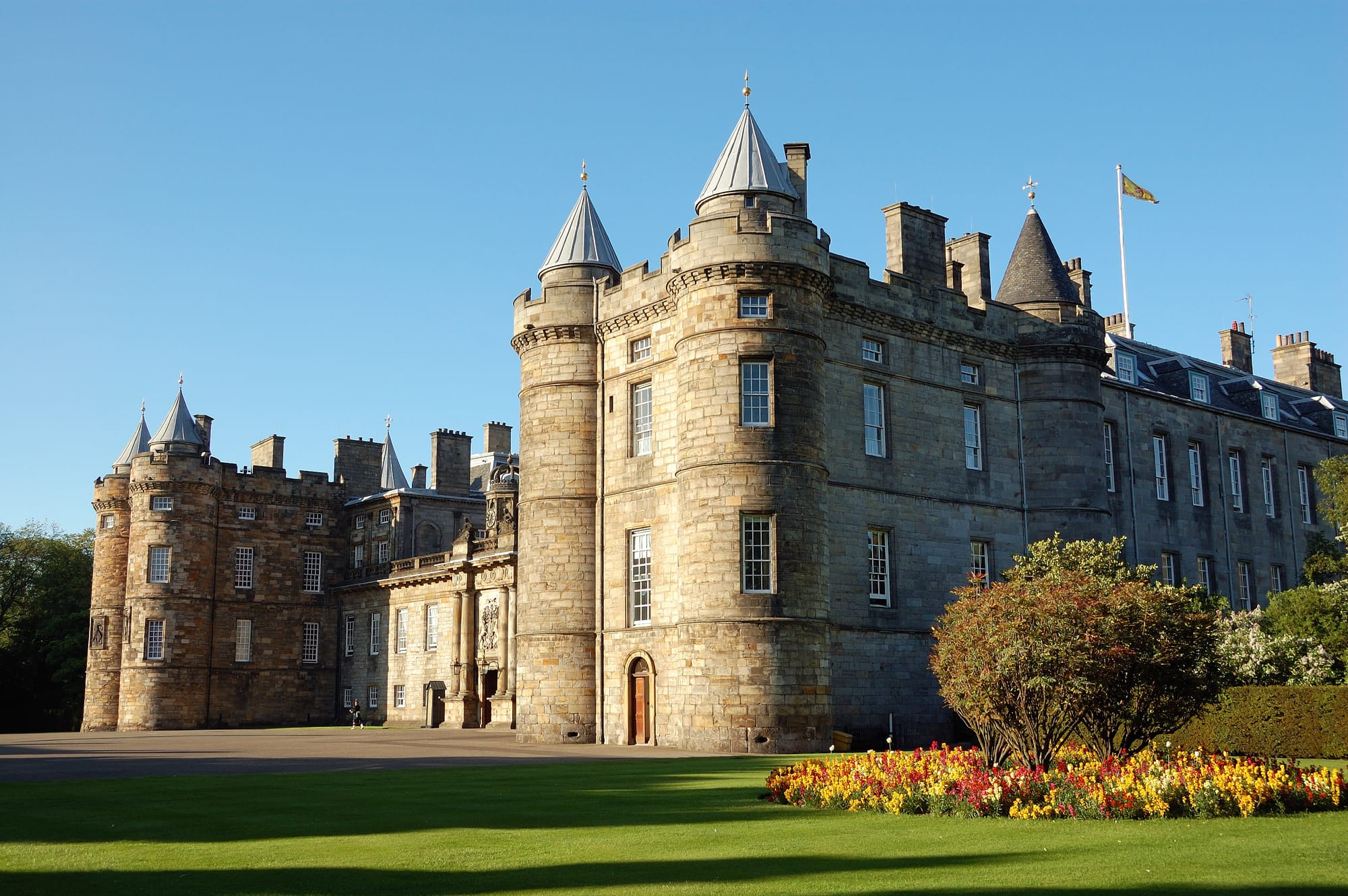
In 1924, while introducing an ultimately doomed bill which called for the stone to be moved from Westminster Abbey to the Palace of Holyroodhouse in Edinburgh, he described the stone as “a symbol of our nationhood”.
The 2008 film Stone of Destiny romantically suggested that there was national rejoicing across Scotland and an immediate renewed self-awareness of Scottish identity when news of the stone’s theft spread.
Was the stone stolen or reclaimed?
Reality, alas, was somewhat more mixed: one person’s “daring and sensational theft” was another’s “act of sacrilegious pillage”, especially given the implied “desecration” of the Abbey on – of all days – Christmas Day.
Admittedly, the author Nigel Tranter, leader of the Scottish Covenant Association then campaigning for Home Rule, couldn’t be entirely disapproving, if only because of the sudden publicity the theft created.
“As an individual,” he said, “I would be the last to deplore initiative and enterprise shown by any person in Scotland – even if it is misplaced, as this is – if it will waken people up to the feeling in Scotland.”
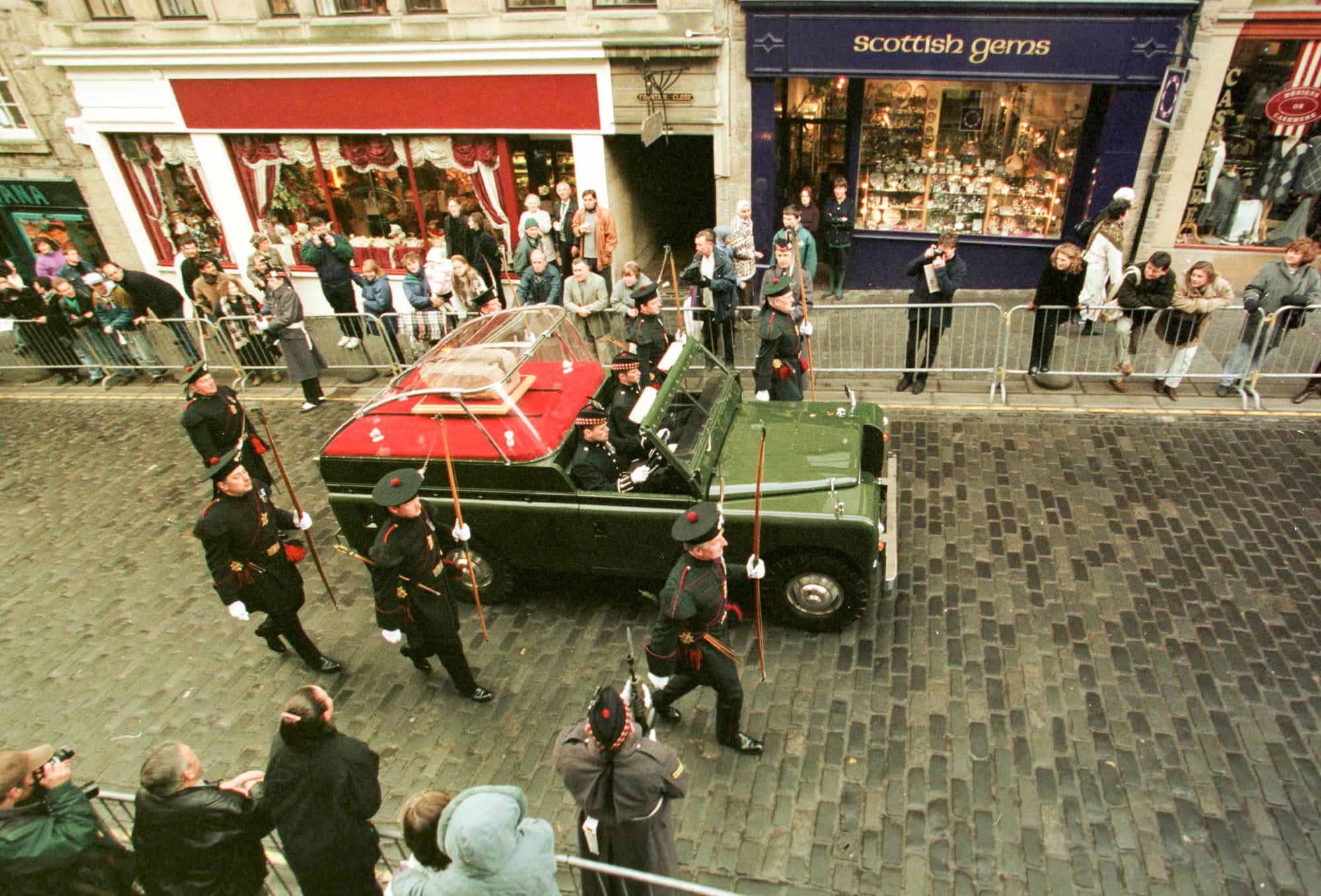
It would take a further 46 years, but on St Andrew’s Day 1996 – 700 years after its initial removal – the Stone of Scone was officially returned to Scotland, subject to its future use in British coronations.
Historic Scottish homecoming
That symbolic block of red sandstone then sat, protected, alongside Europe’s oldest crown jewels, the Honours of Scotland, within the security of Edinburgh Castle.
Emerging from war-time austerity, the 1950s arguably saw the slow rise of Scottish nationalism as a driving political force, ultimately leading to the creation of a new Scottish Parliament in 1999 – an institution almost unthinkable within the unified British state of 1950.
If nothing else, the “reclamation” of the stone showed a post-war generation that individual action could challenge and change what had previously seemed permanent and immutable.
The Other Coronation Stone
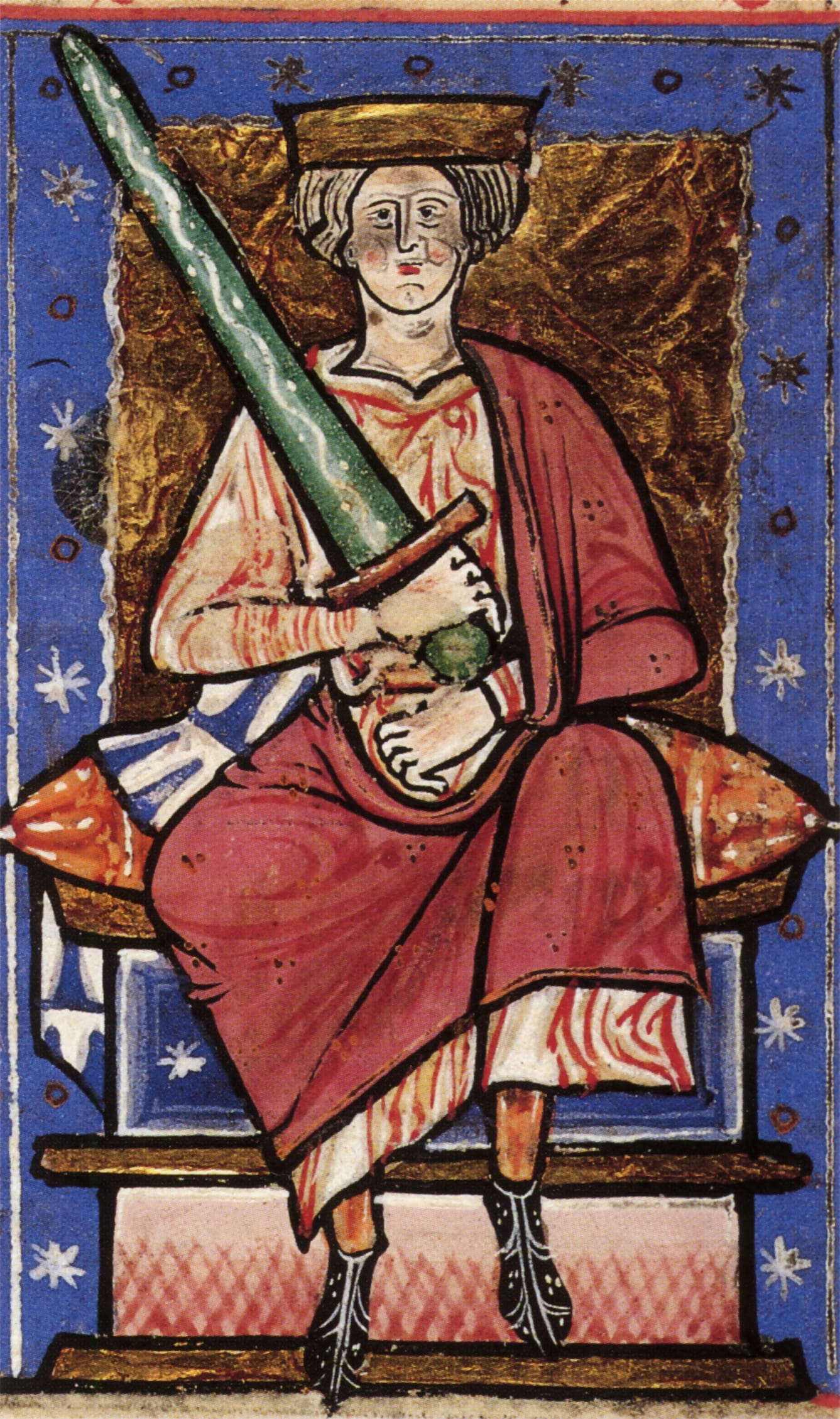
The Stone of Scone isn’t the only Coronation Stone in the UK. There’s also the stone located next to the Guildhall in Kingston upon Thames, thought to have been the seat on which Anglo-Saxon monarchs, including Æthelred the Unready, were crowned in 976.
In March 1950, special police precautions were taken to guard this block of ancient sandstone following a tip-off from Edinburgh City Police that an attempt might be made by a group of Home Rule-supporting Scots then visiting London to take this other stone back to Scotland – to hold it as ransom for the Stone of Scone.
The Real Stone?
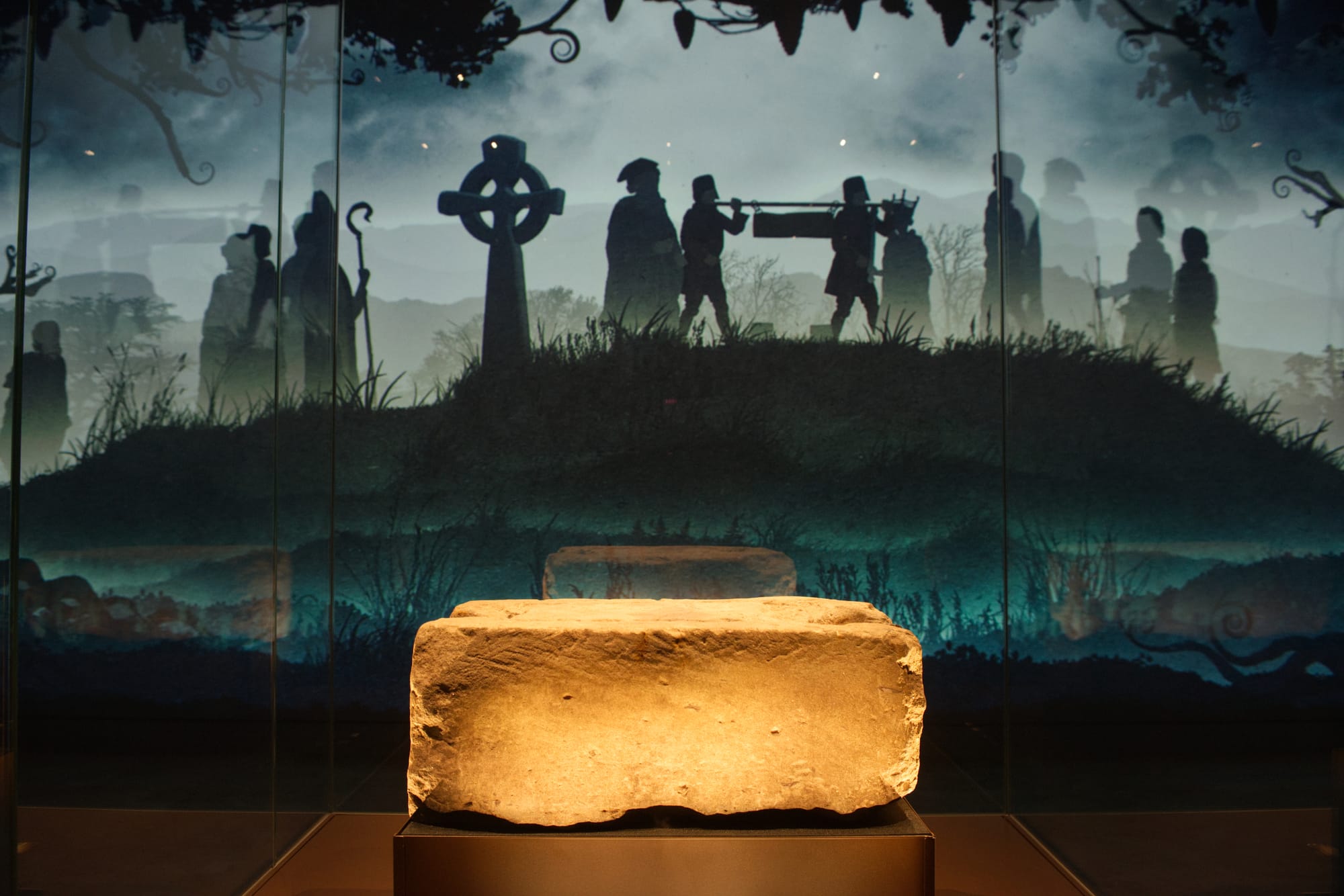
There have been rumours for years that the stone “returned” in 1951 was a copy, while others insist the “switch” happened as far back as 1296, with local monks at Scone duping Edward with a plain old block of local stone.
Following a little-reported attempt in the late 1970s to take the stone, the Abbey’s then Surveyor of the Fabric arranged for a small lead tube containing an offset from an official authentication document, to be inserted into the side of the stone and sealed with wax. This was found during cleaning and conservation work in Edinburgh in 1996.


Member discussion