
The Battle of Culloden: where Scotland's clans fell
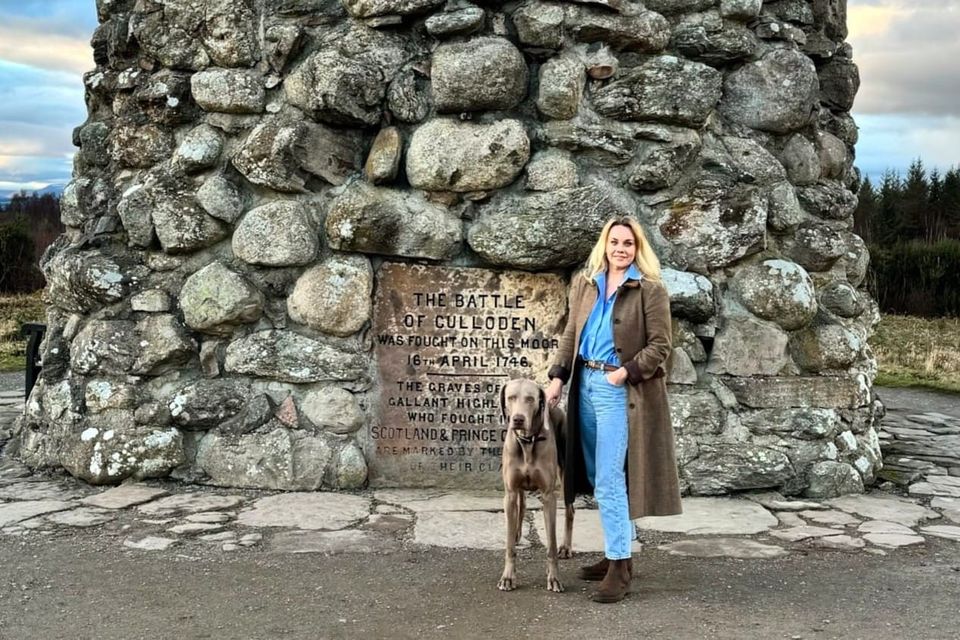
APRIL 16 marks the 280th anniversary of the last pitched battle fought on British soil: the Battle of Culloden.
Often misunderstood, it was shaped by complex political, religious and cultural tensions.
Its consequences left a lasting mark on Scotland, particularly the Highlands, and the aftermath continued to shape both history and cultural memory.
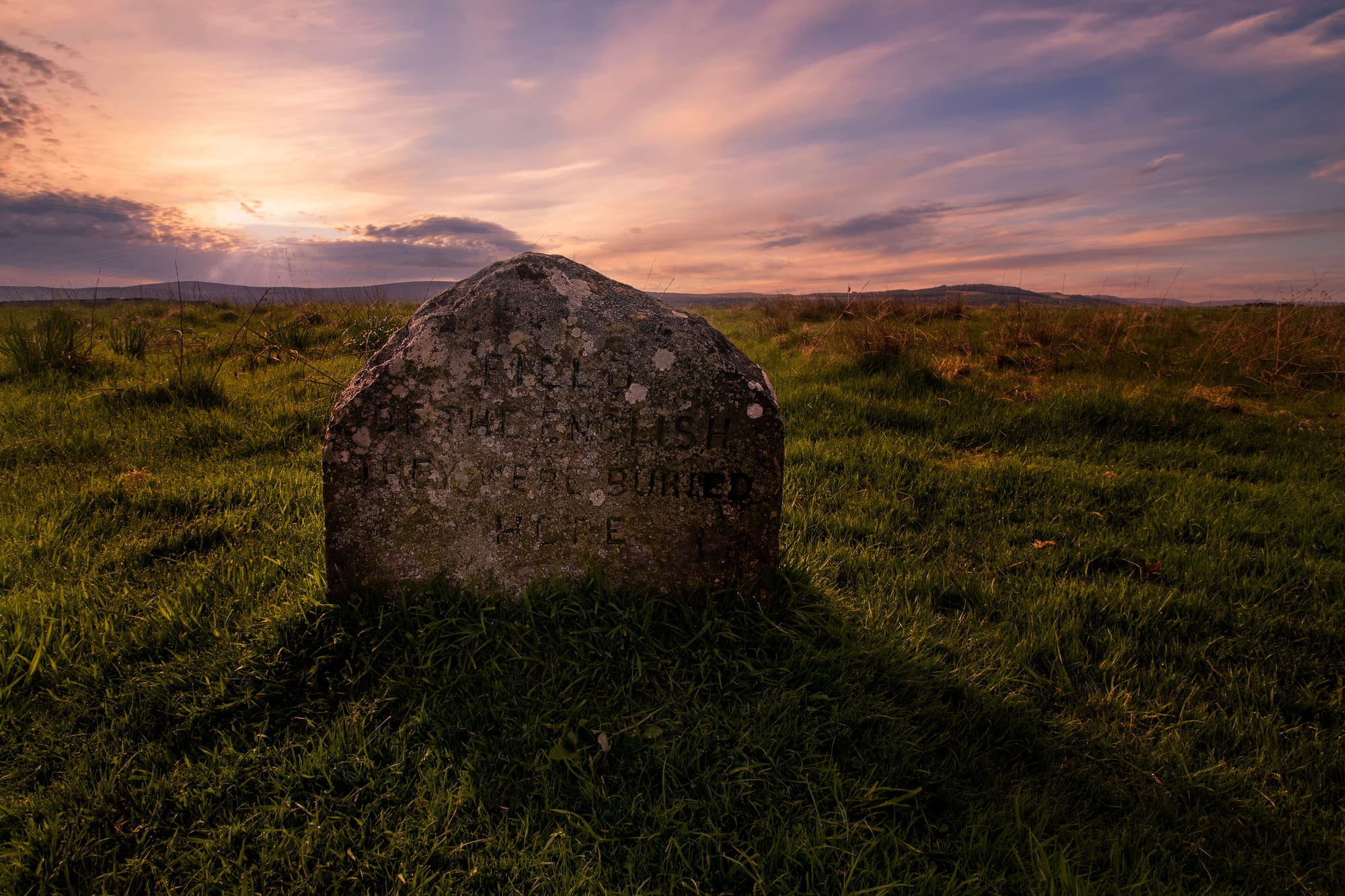
At first glance, the battlefield, preserved by National Trust For Scotland, appears to be an open stretch of moor without historic ruins or fortifications.
Yet its power lies precisely in that simplicity. The wide, exposed landscape allows visitors to imagine the vulnerability of the Jacobites’ advance across open ground into artillery fire, with nowhere to hide.
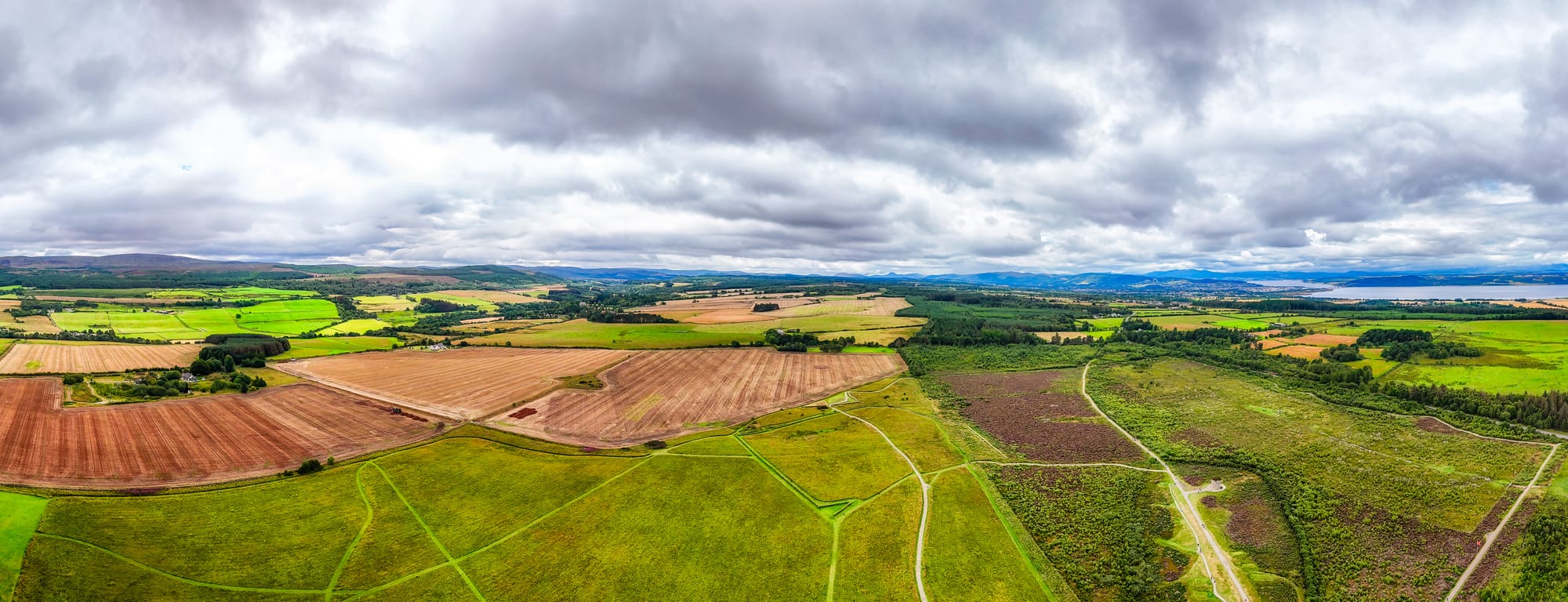
It is a place where history is felt rather than seen, and an understanding of the history is required to feel the importance of this site, which endures as a place of reflection and learning, ensuring the legacy of those events is not forgotten.
A brutal defeat
The battle was fought between the Jacobite army, led by Bonnie Prince Charlie, and British government forces commanded by Prince William Augustus, the Duke of Cumberland.
The Jacobite army was largely composed of Highland clans, along with Lowland supporters and contingents of Irish and French troops.
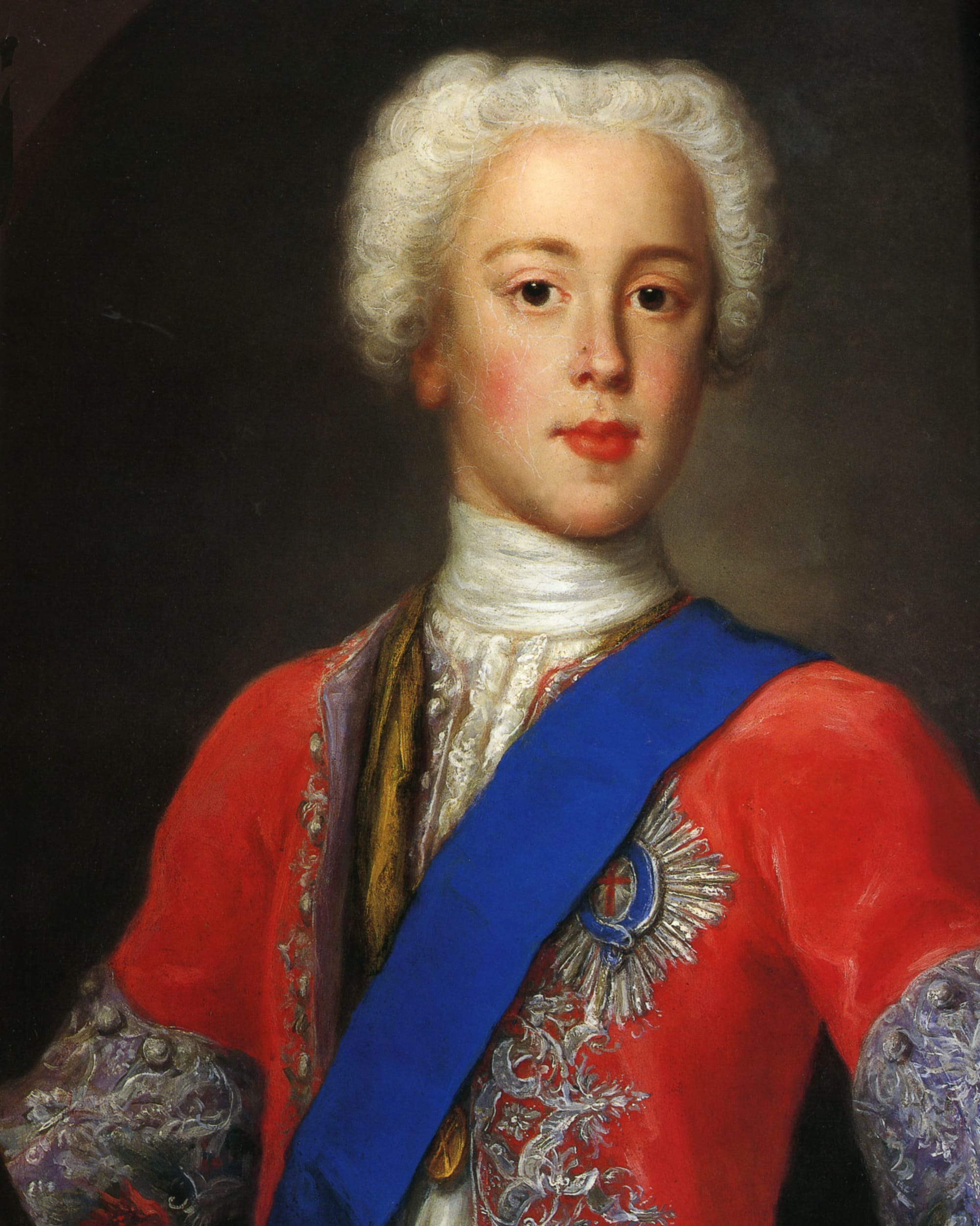
Their objective was the restoration of the Catholic Stuart monarchy, but their motivations were far from uniform. Some fought out of loyalty to the Stuarts, others due to religious allegiance, political principle, clan obligation or personal ties.
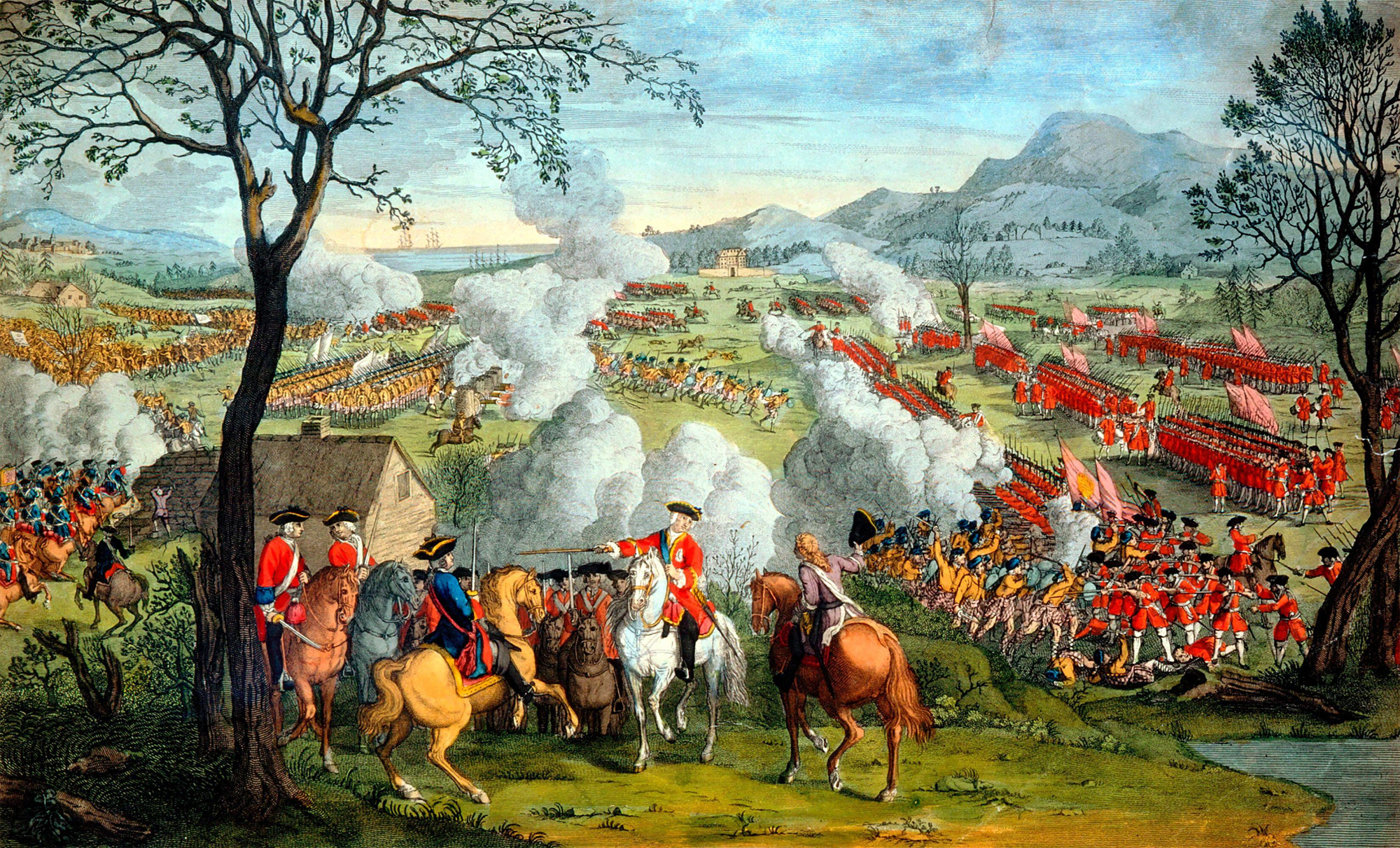
When the two forces met on Culloden Moor, the choice of battlefield proved disastrous for the Jacobites.
The flat, open and marshy ground offered little cover and didn’t suit the traditional Highland charge, which relied on speed, surprise and rugged terrain to be effective. Cumberland’s troops were well positioned and made use of artillery and coordinated musket fire.
The battle was brutally short, yet its consequences were immense. The Jacobite army suffered catastrophic losses.
The defeat effectively ended the rising and shattered the Stuart cause for good, with the Bonnie Prince fleeing to France, never to return to Scotland.
Lasting legacy
For the Highlands especially, Culloden is more than a battlefield. It is a site of remembrance and identity, symbolising loss, resilience and cultural change.
In the aftermath of 1746, the Duke of Cumberland oversaw severe reprisals across the Highlands, earning him the nickname “the Butcher”.
Suspected rebels were hunted down, homes were burned and prisoners were executed.
Legislation was put in place to dismantle Highland society, fatally weakening the clan system, which was already under pressure. These times also saw many Scots emigrating to countries across the globe.
Don't miss: sites at the battlefield
The land at Culloden is filled with memorials to the fallen soldiers – from the tallest cairns to the subtlest stones. Here are three of the most powerful spots to keep an eye out for on your visit.
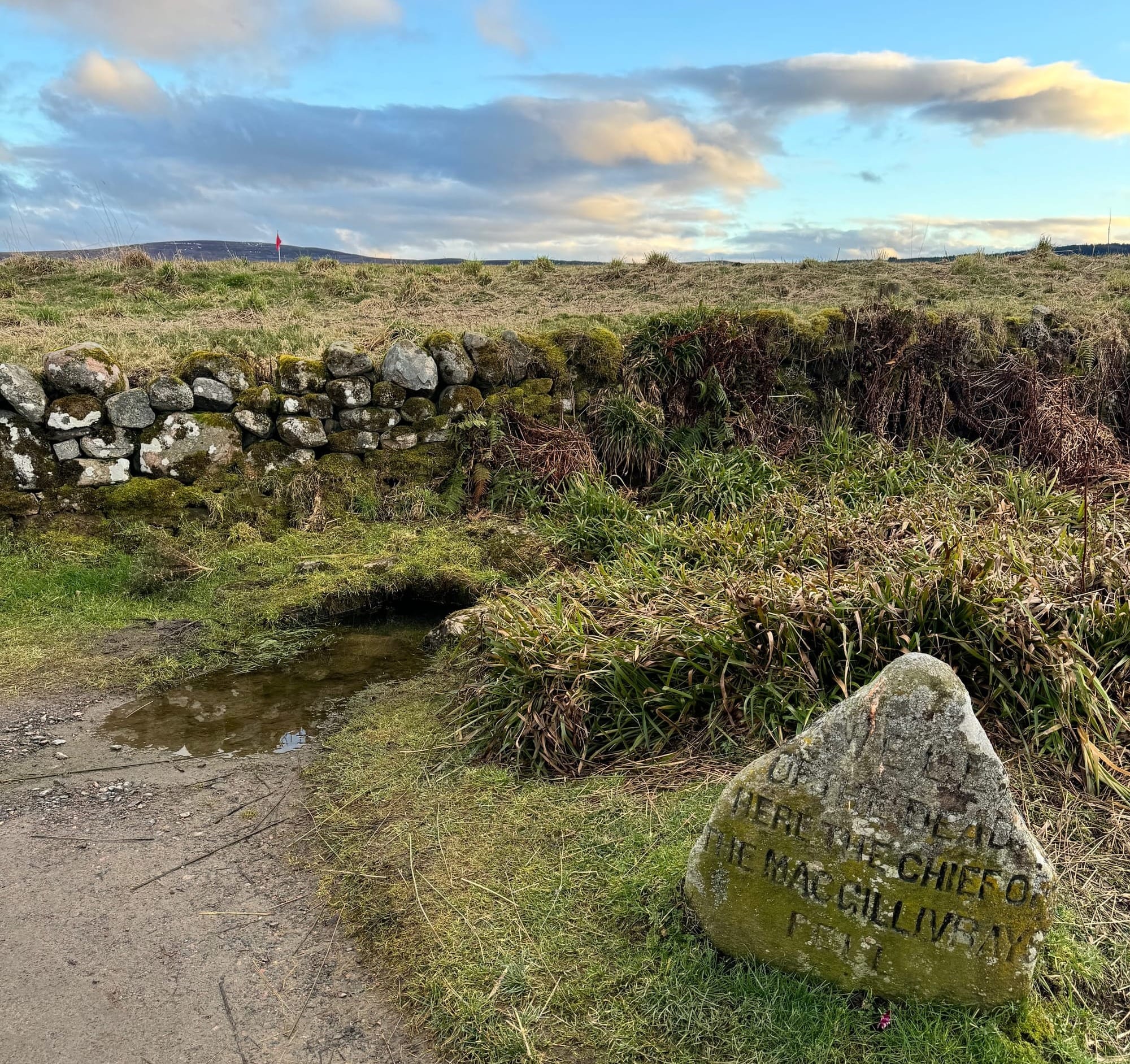
1. The Well Of The Dead
The Well Of The Dead marks where wounded Jacobite soldiers reportedly crawled for water after the battle in 1746.
Tradition says several Jacobites died nearby, including the chief of Clan MacGillivray of Dunmaglass.
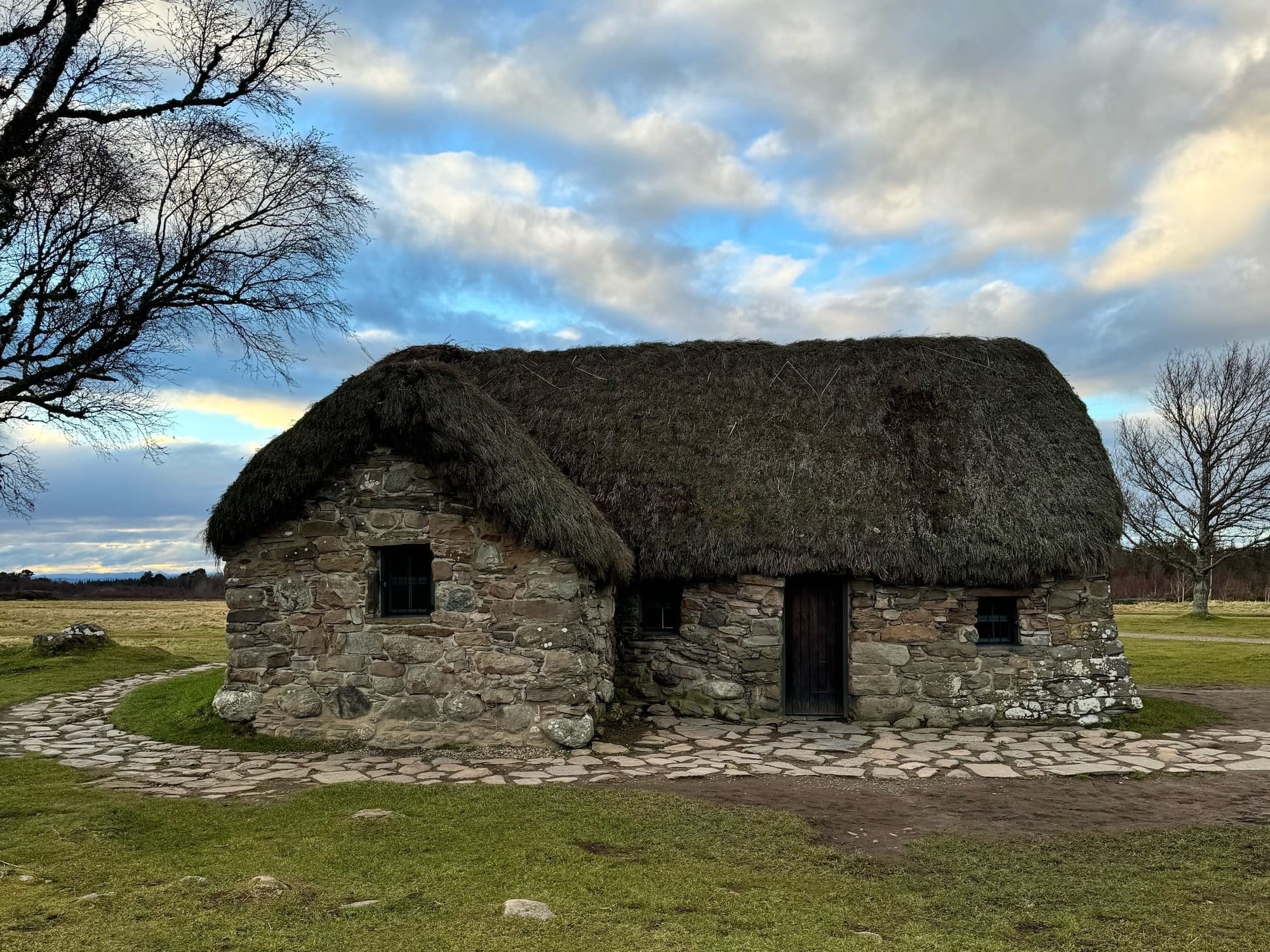
2. Leanach Cottage
This cottage stands on the site of a field hospital used to treat government troops. Rebuilt in the 1800s, its residents became the battlefield’s first tour guides.
The cottage later served as the site’s first museum and visitor centre. The heather for the thatched roof was gathered from the moor and the walls are made of stone and turf.
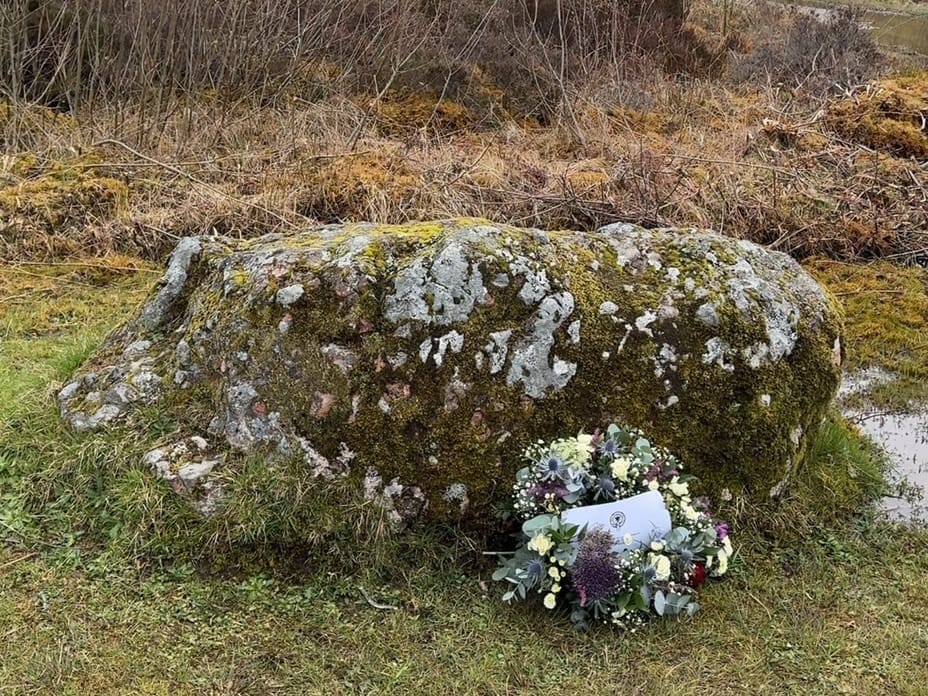
3. Keppoch Stone
A stone marker commemorates the spot where Alexander MacDonald of Keppoch, a prominent Jacobite leader, fell while leading his clan during the battle.
Tradition holds that he was later found in a nearby bothy, having succumbed to his wounds.
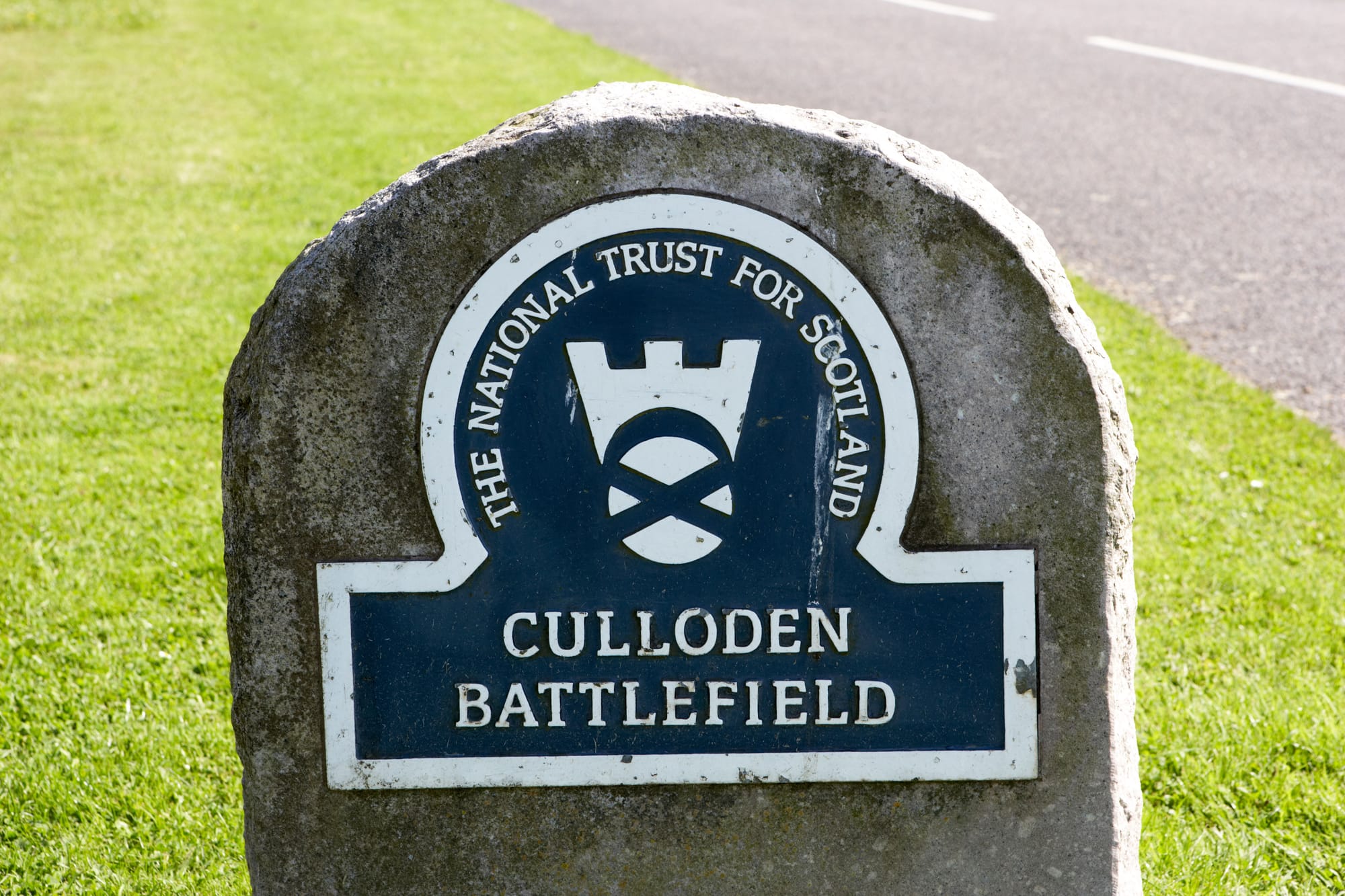
Visiting Culloden Battlefield
Tickets: £12.50 adult, £8 child.
From The Scots Magazine's archives
Did you know The Scots Magazine was in publication at the time of the Battle of Culloden? Beth McHugh uncovers a first-hand account of the battle in our archives.
DELVING into The Scots Magazine’s archives reveals the fascinating ways in which the many events that have shaped our country have been reported on historically.
One of the most remarkable examples is the brief-yet-bloody 40-minute Battle of Culloden, which was reported on in The Scots Magazine’s April issue, 280 years ago.
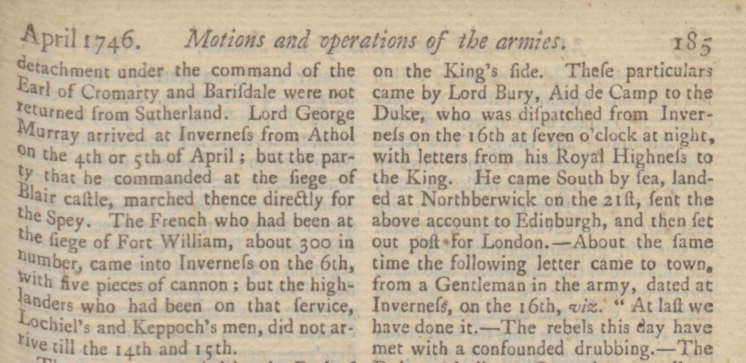
News travelled slowly then, and printed letters from survivors shared the battle’s outcome with the nation.
“On Wednesday the 16th a decisive battle was fought on Drummossie moor, South of Culloden house, two miles from Inverness. An express dispatch by the Duke of Athol from Perth reached Edinburgh late on Saturday night with the news... that the King’s army under the command of the Duke had obtained a compleat and glorious victory,” we reported.
“By the 22nd, notice was received that the battle was very bloody... that 1,000 of the rebels were left dead in the field; and that about 200 were killed or wounded on the King’s side.”
An article in the magazine entitled “Motions and operations of the armies” reported on the battle’s events from the point of view of the victors.
“Our lads fought more like devils than men... I thank God I escaped free, but my coat had six balls through it... No one that attacked us escaped alive,” a captain of a Government regiment recounted.
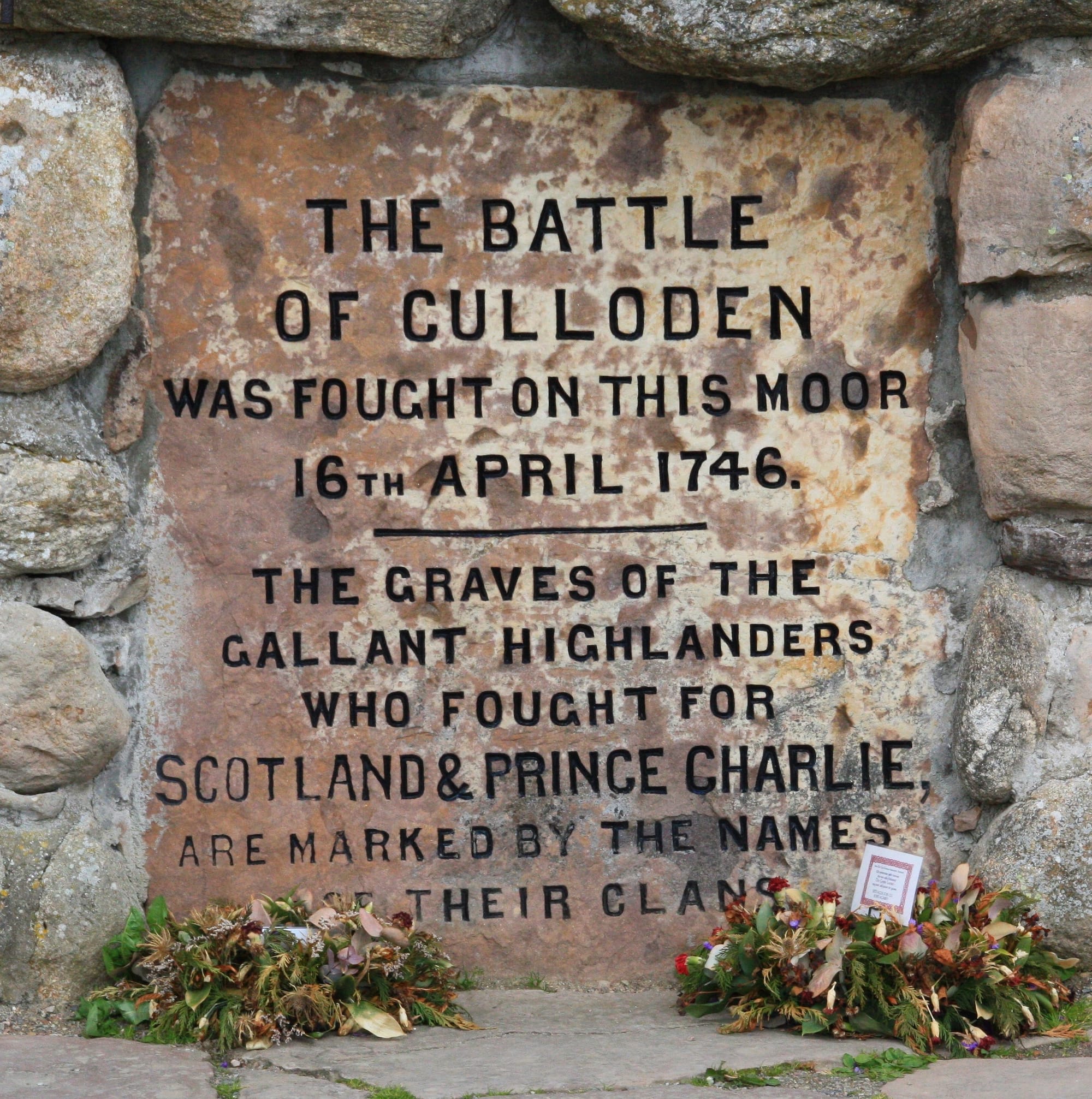
The matter-of-fact tone in which scenes of gruesome death were reported are shocking to readers today.
“The battle was now entirely fought between swords and bayonets. Our soldiers, by a new practice of using the latter, became much too hard for the swords; and the rebels, as they pushed forward, fell on certain death. Ours at least killed ten men to their one in this kind of fighting, besides what fell by the musketry and cannon.
“Then followed a general carnage. The moor was covered with blood; and our men, what with killing the enemy, dabbling their feet in the blood, and splashing it about one another, looked like so many butchers.”
Now, 280 years later, Culloden moor stands in quiet reverence.
It is hard to imagine these scenes ever having taken place there, but their legacy in print is an essential part of preserving the history of Scotland for the future.
📸Emily Chalmers, Alamy, DC Thomson, Adobe Stock
Scots Snippet
Word of the Week
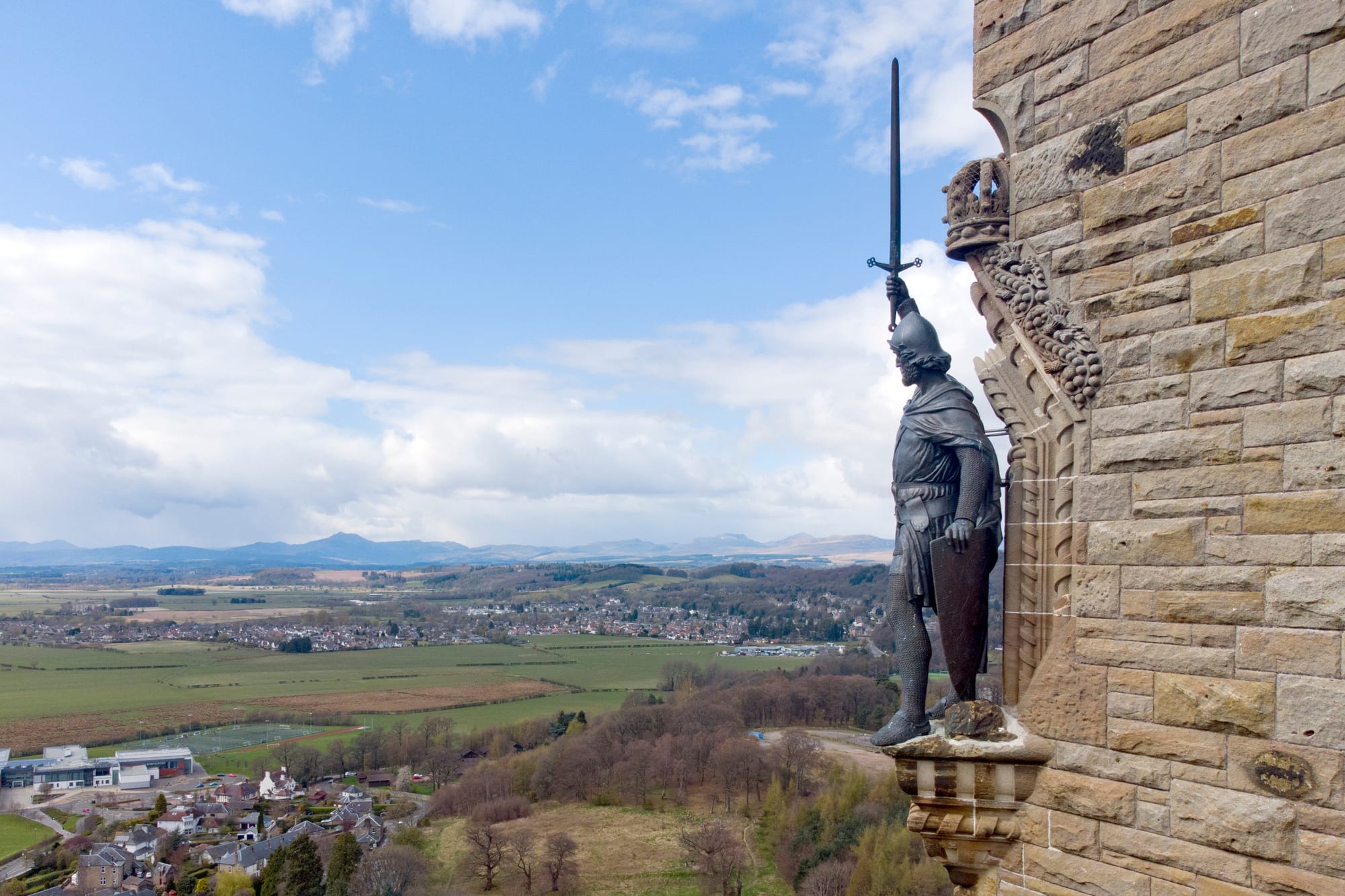
"Claymore"
(n.) - a double-edged, two-handed sword, historically used in the Scottish Highlands.
From the Gaelic claidheamh, meaning "sword", and mór, meaning "great", these enormous, heavy weapons were known to be used by Scottish warriors from as early as the Wars of Scottish Independence in the 13th-14th centuries.
Explore more of Scotland's history with us on Instagram
Member discussion