
From the Vault: Highland Games
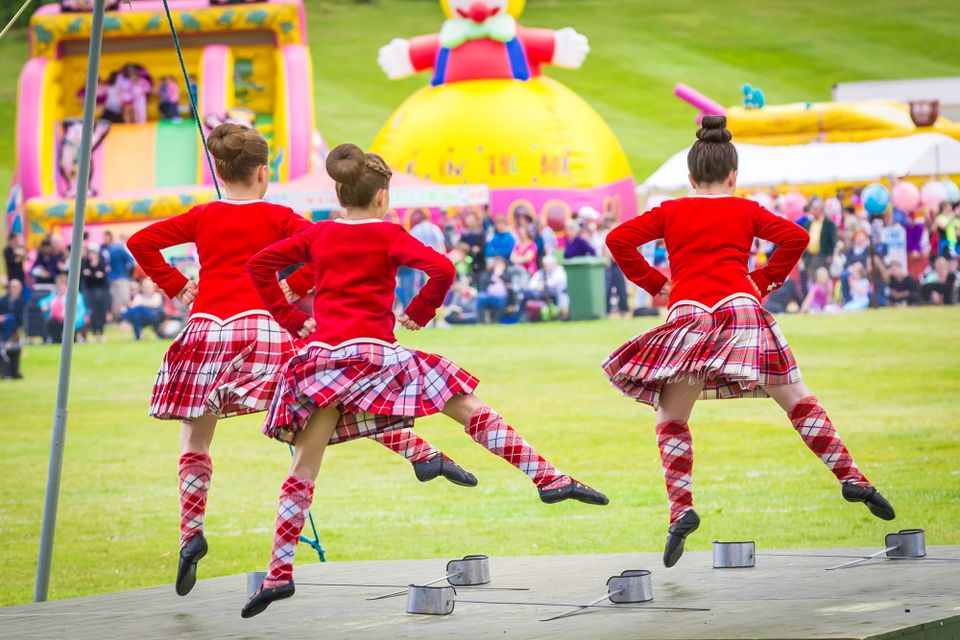
HIGHLAND GAMES represent the pinnacle of community spirit throughout many Scottish towns. Yet the origins of the Games are hard to identify, and their nature has changed almost beyond recognition over the centuries.
In 1997, Rennie McOwan wrote about the history of Highland Games in The Scots Magazine.
“The Atholl records of the late 1600s show money being allocated for prizes for foot and horse races on a site close to modern Lochearnhead, in Perthshire. What is that except a kind of Highland Games?” he pointed out.
McOwan credited the formal organisation of Games to Sir Walter Scott, who arranged the “famous tartan extravaganza visit to Scotland” by George IV in 1822.
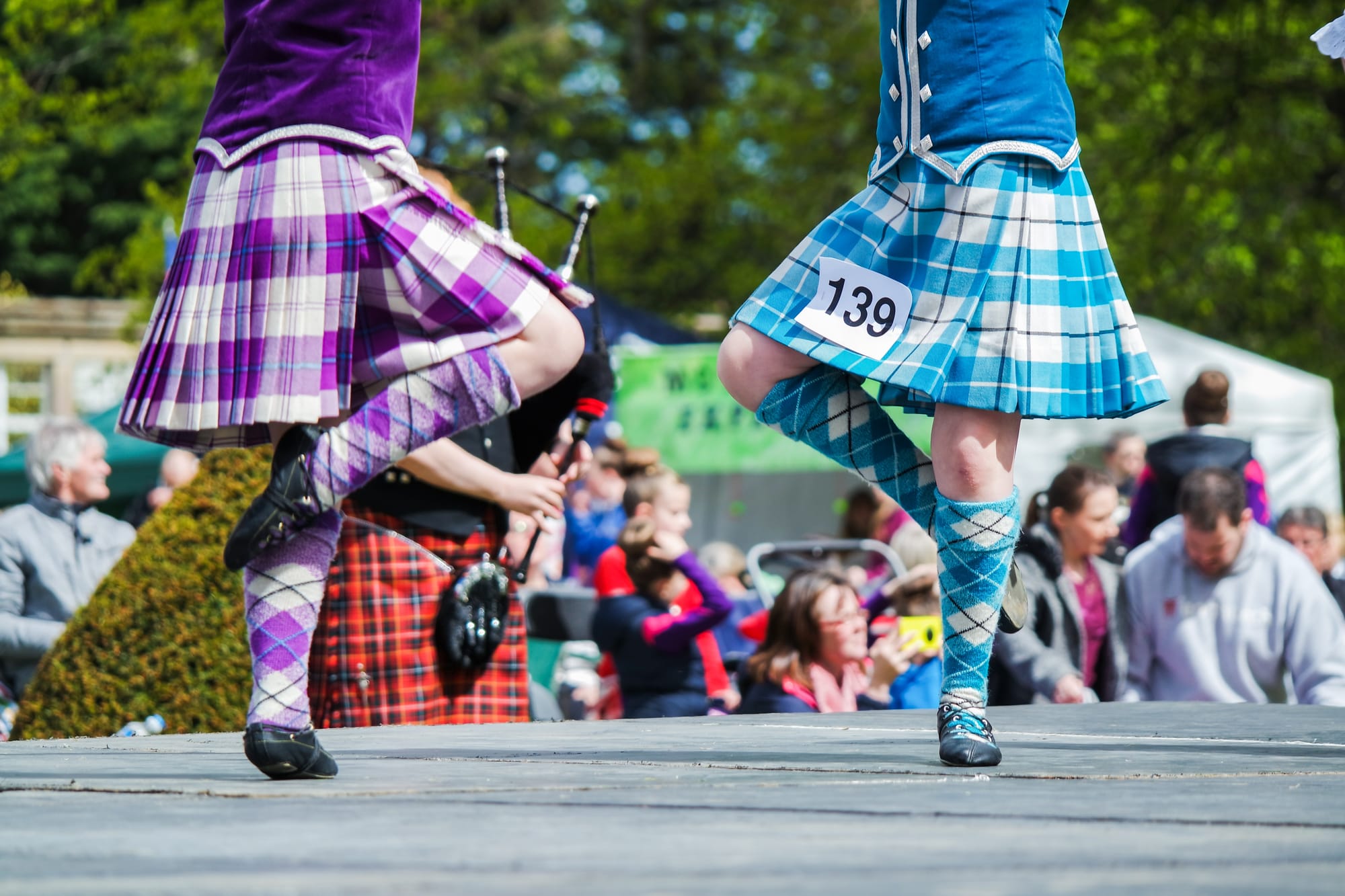
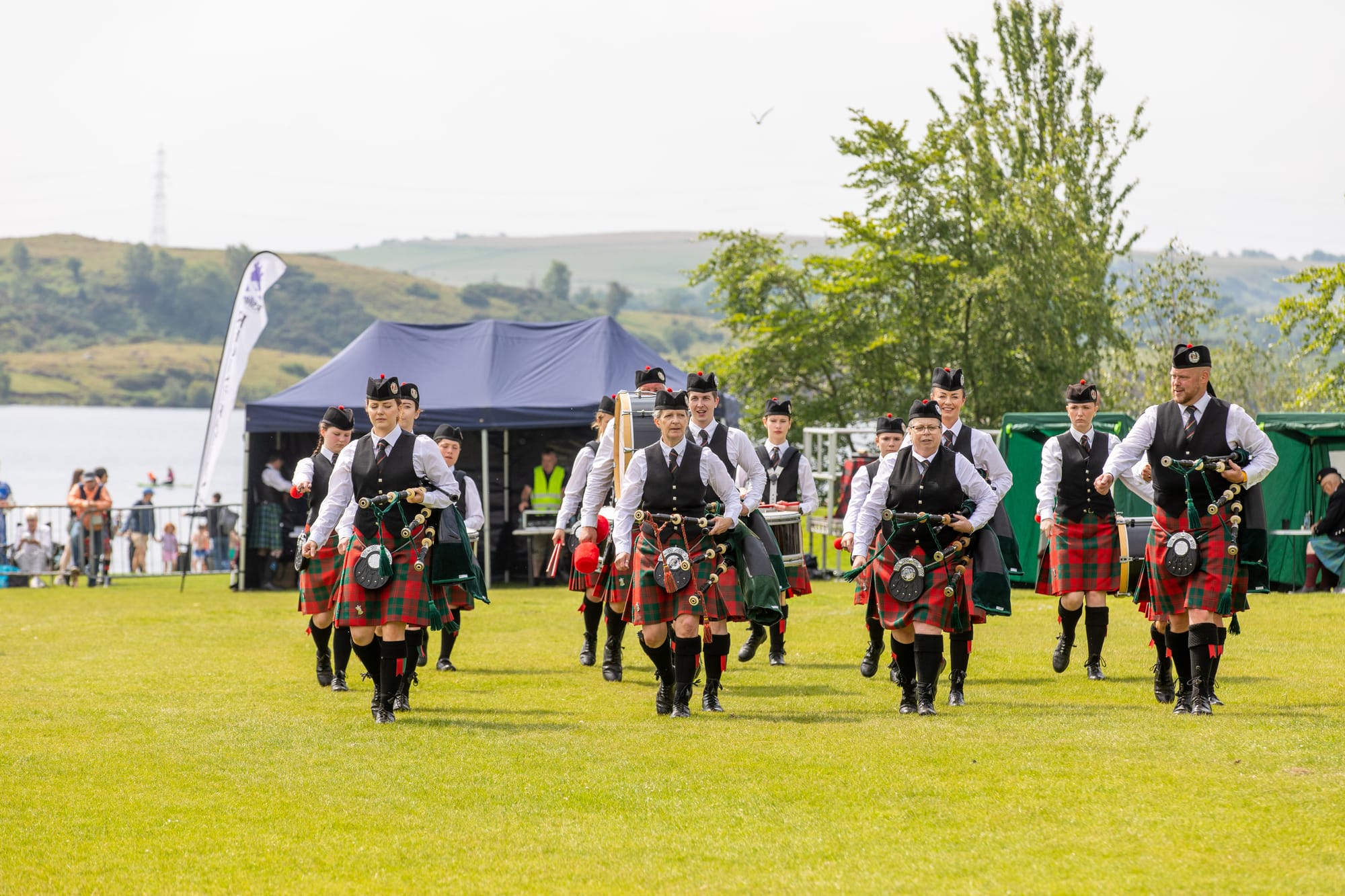
Certainly, Highland Games were thriving by the 20th century. However, male organisers perceived one main threat to the integrity of this Scottish institution: rebellious girls wearing their kilts and stealing their manly dances!
No girls allowed?
In The Scots Magazine’s archives, opinion pieces bemoan the rising tide of women and girls dancing at Highland Games.
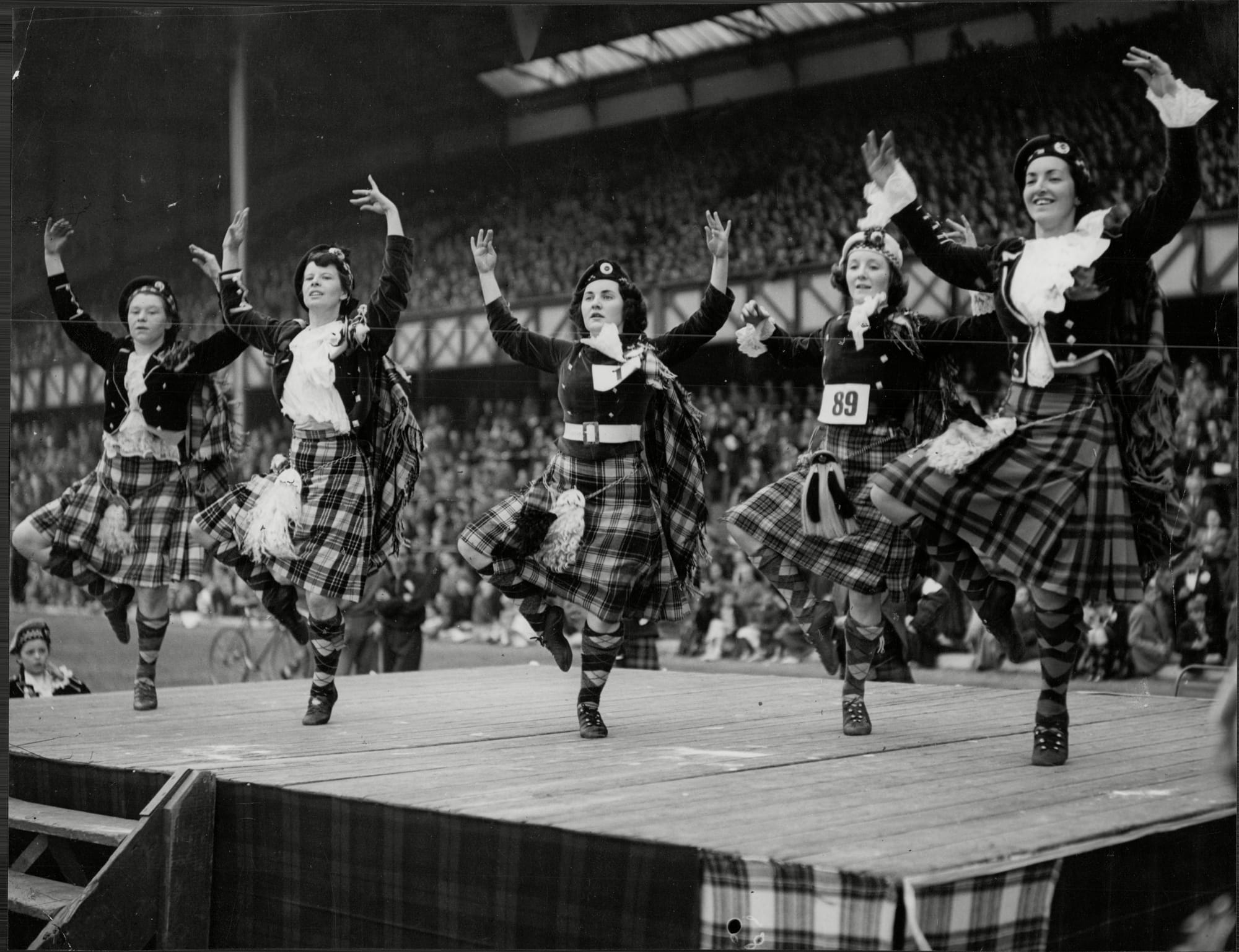
The first point of upset was the fact that women wore kilts – “which is exclusively the garb of a man”, one writer states in our July 1924 issue.
This sentiment was echoed for decades to come, including in A.C. MacNeill’s feature “The Games! Oh Dear!” in our September 1952 issue.
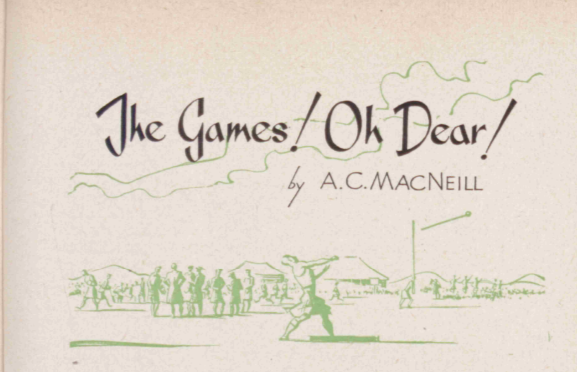
“The sight of bosoms bemedalled more than any G.I., of permed heads under a Chief’s bonnet and of arty, ‘ancient’ tartan kilt bustling unnaturally and bouncing to the music of the pipes may be good box-office but, oh, mo crech, mo crech, it is not for the Gael or of the Gaeldom,” MacNeill writes. “It is sheer Hollywood, Brigadoon in extremis.”
The organising committee of the Aboyne Highland Games banned women performing in kilts in the late 1940s, in “an attempt to dim down the flamboyance of the ladies.”
Lord Lyon King of Arms, of the Aboyne Games Committee, researched historic female Scottish dress to inspire the new dress rules.
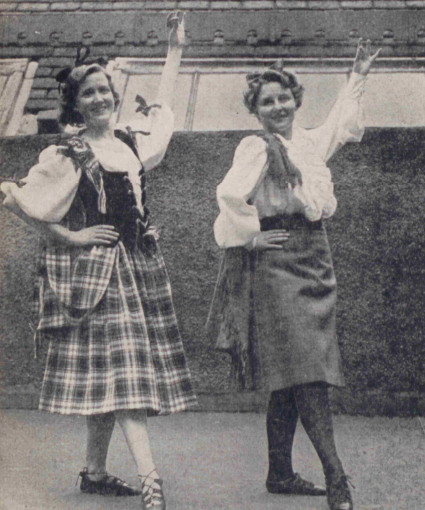
In 1948, one writer for The Scots Magazine commented on the decision:
“It was interesting to note the stand made by the Aboyne Games Committee to ban medals, doublets, sporrans and bonnets for women dancers.
There is no doubt that these fancy-dress performances are distasteful to most Highland people, for the costume worn by many of these dancers is indeed a travesty of Highland dress.”
Pressure to ban women from Highland Games
Disdain for women dancing at Highland Games was not limited to their dress, though.
“Some would go even further and exclude women dancers altogether from Highland Games,” the 1948 writer continues. “People anxious to maintain tradition insist that women dancers, like women pipers, are to be deplored.”
Unsurprisingly, A.C. MacNeill agreed.
“The fling, the sword dance, the reels and strathspeys are, or were, dances for men and should be reserved for men,” he argued.
“I feel very strongly, however, that our Highland Games should be all-male affairs... After all, the function of the female at any display of fearlessness, strength and agility is to look on and admire the prowess of the male.”
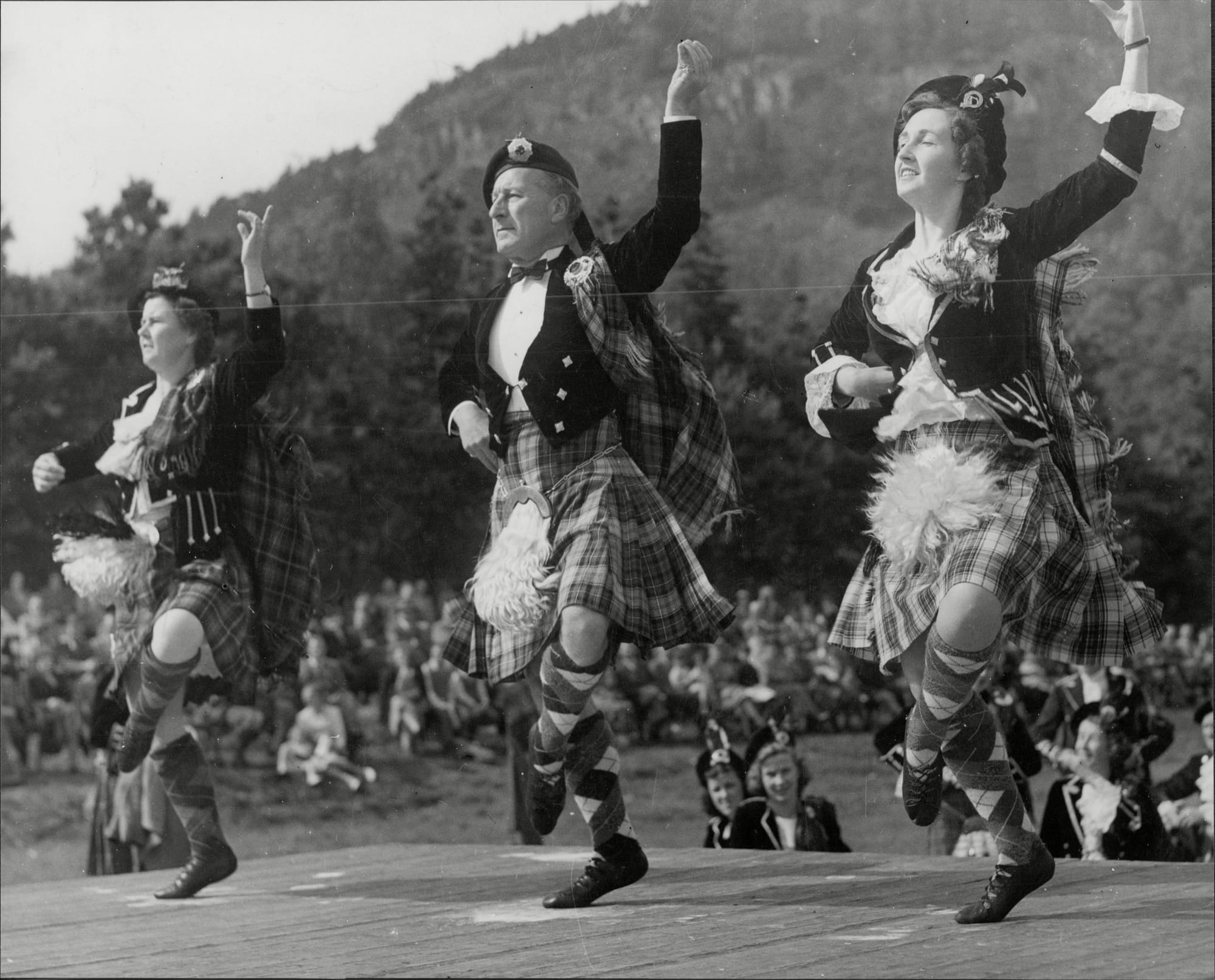
However, not all Highland Games enthusiasts shared this view. In 1955, The Scots Magazine reviewed H.A. Thurston’s book Scotland’s Dances, in which he challenged the injustice.
“Mr Thurston pokes fun at the present-day prejudice against women dancing the Highland fling and the seann triubhas,” The Scots Magazine comments. “The earliest references to these two dances, he tells us, show them being danced by women.
“The prejudice arose because during the late nineteenth century… the dances were confined to Highland regiments and Highland games, where, of course, women did not compete. I wonder if it is all as simple as that.”
Still, this belief was in the minority, and even as late as the ’60s female dancers were ridiculed in print as “prancing little girls doing their parodies of men’s dances in parodies of men’s dress for the benefit of tourists at the Highland Games.”
Women determined to compete
Far from succumbing to the pressure to stop competing, the tide turned altogether, with women eventually representing the majority of dancers at Highland Games.
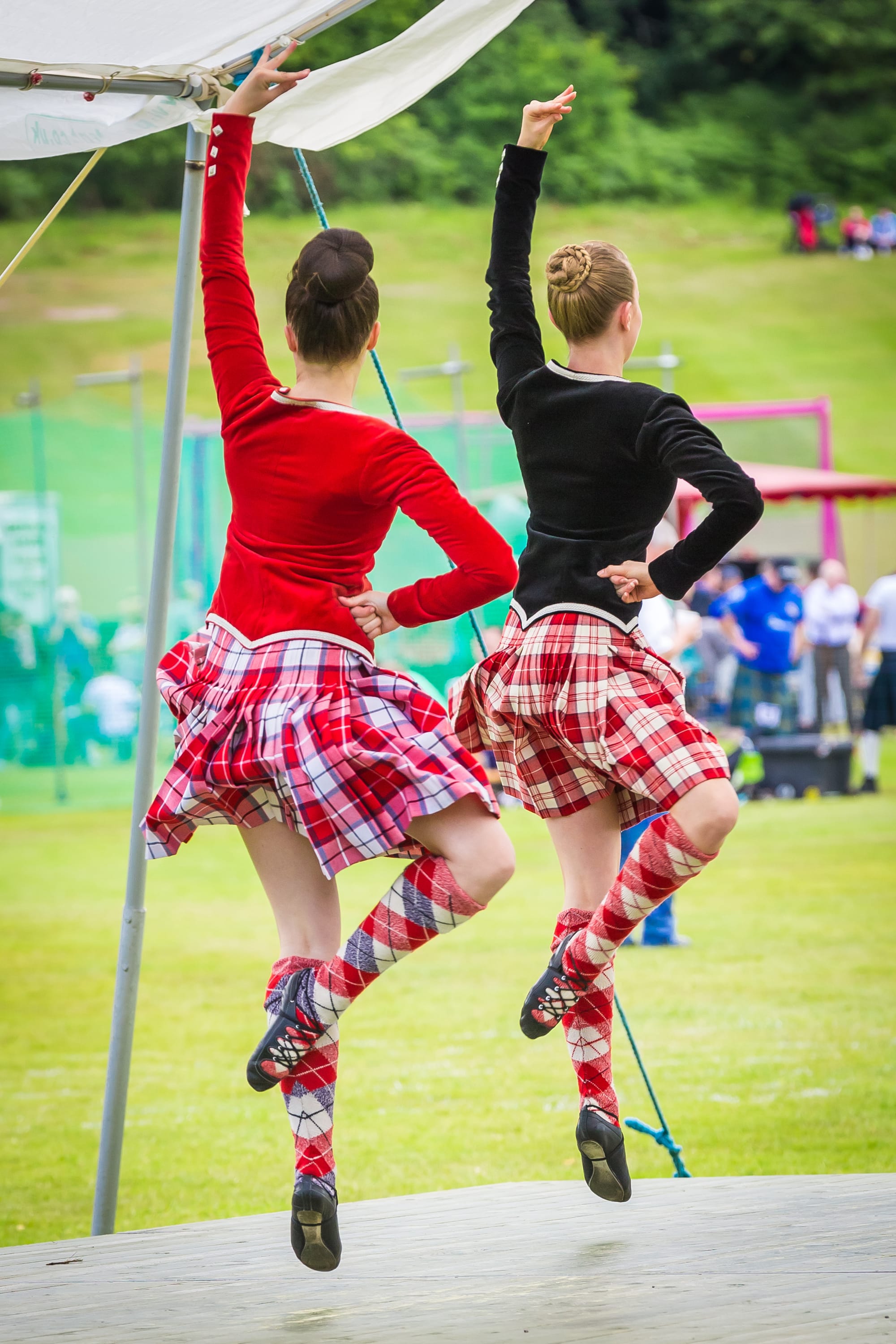
By the late 20th century, opinion pieces in The Scots Magazine regretted the lack of men with any interest in dancing at the Games.
“Today the position is completely reversed with the girls outnumbering the boys 100 to 1,” Ian Laidlaw, a Highland dancing judge, wrote in 1982. “Those taking part in the dancing are nearly all girls, the boys sticking out like a sore thumb with a tammie on top.”
Similarly, Rennie McOwan lamented that Scottish dancing was not considered masculine.
“Why is it that in Scotland we can all applaud the marvellous Irish-style Riverdance shows… and think of John Travolta-style dancing as macho and yet let Highland dancing gradually become an almost females-only affair?” he asked.
“We need to see more men and boys competing in the Games for dancing trophies.”
The Modern Games
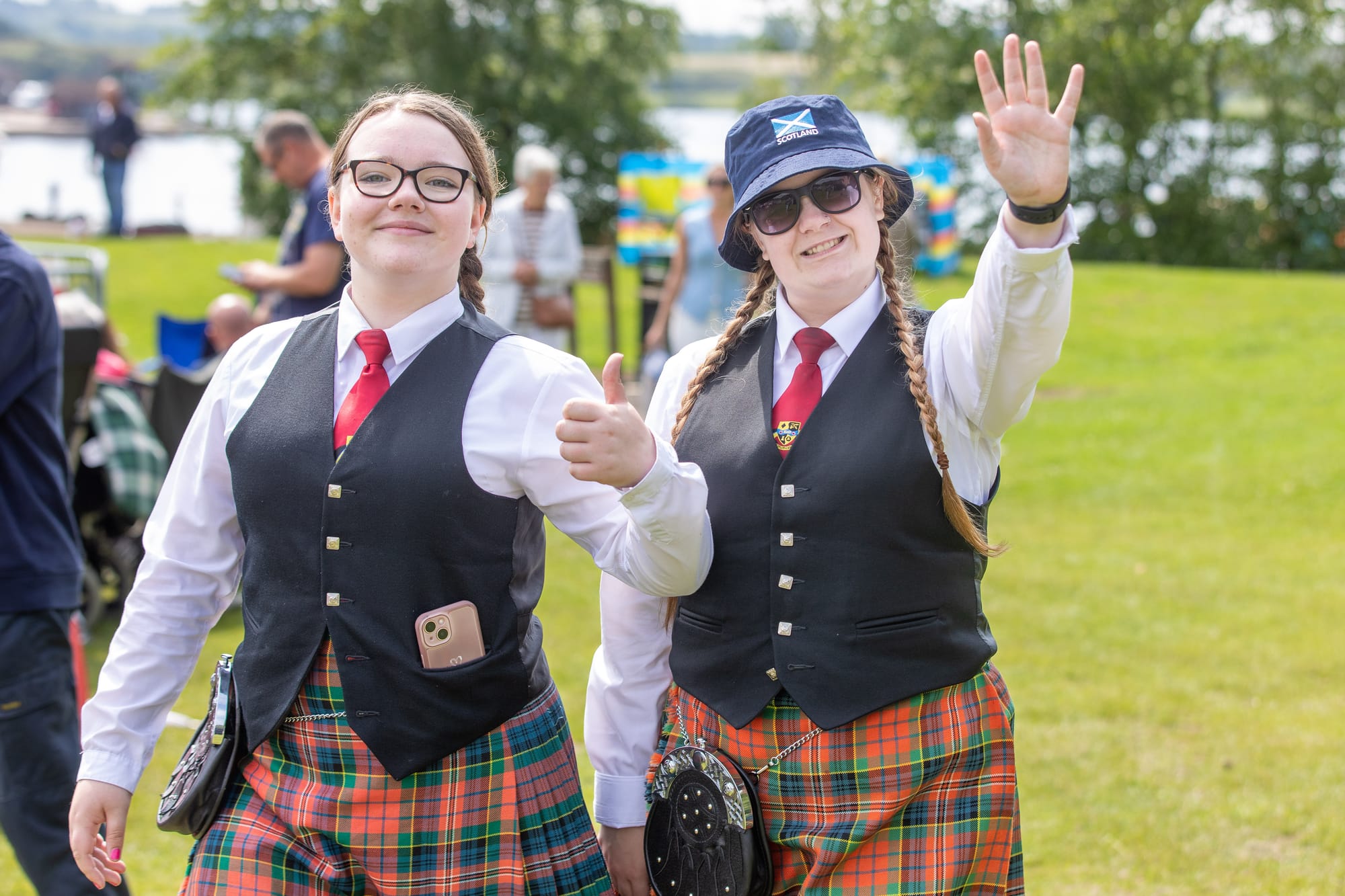
Today, the Highland Games are a place for everyone – no matter their gender – to come together and celebrate Scottish culture.
If you can attend a Games, enjoy watching the skill displayed in competitive dancing – and don’t be shy to don your kilt and get inspired.
📸 DC Thomson, Adobe Stock, Shutterstock
Member discussion