
The Stone of Destiny: in search of Scotland's medieval kingmaker
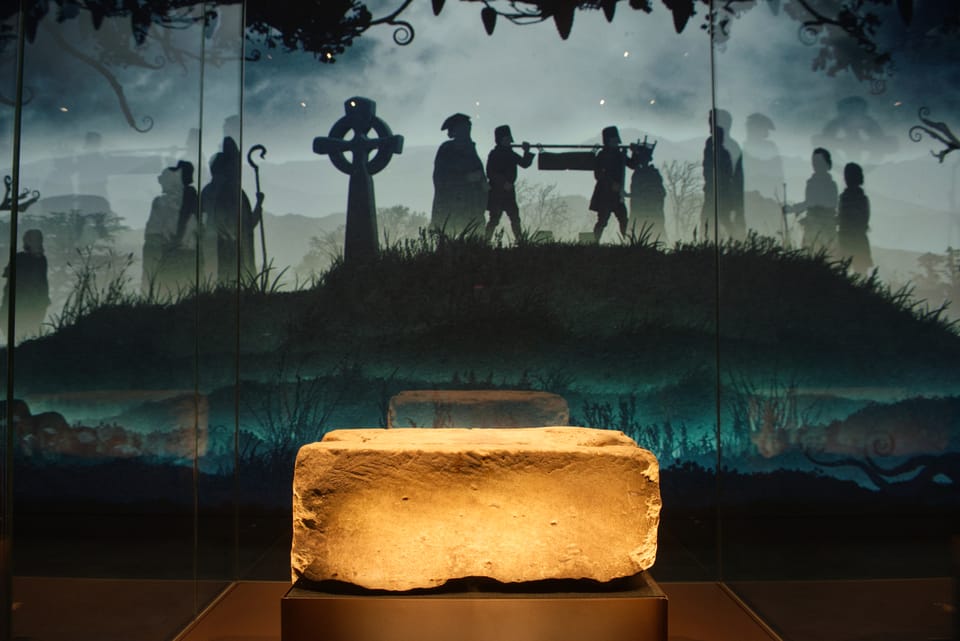
IT'S hard to think of a more captivating name for any historic artefact than the Stone of Destiny. It’s the stuff of myths and legends – a stone with the power to make the rulers of Scotland.
The origins of the Stone of Destiny, also known as the Stone of Scone, are somewhat unclear – but there are a range of stories to capture the imagination.
Some say it came from Egypt or the Middle East, from where it travelled to Ireland and eventually Scotland with Irish invaders. One story claims the stone as Jacob’s Pillow from the Bible – another says Scota, the daughter of an Egyptian Pharaoh, was involved.
As entertaining as these legends are, scientific research has revealed that the sandstone block was mined near Scone, Perthshire.
And yet this humble slab of sandstone has a strangely intense draw, even to this day.
A symbol of Scotland
What the stone symbolises as an embodiment of Scotland’s nationhood has made it highly sought after – from the Scottish Wars of Independence, when Edward I claimed it as spoils of victory, all the way to 2024, when it made its way home to Perthshire for the first time in 700 years to be displayed at the new Perth Museum.
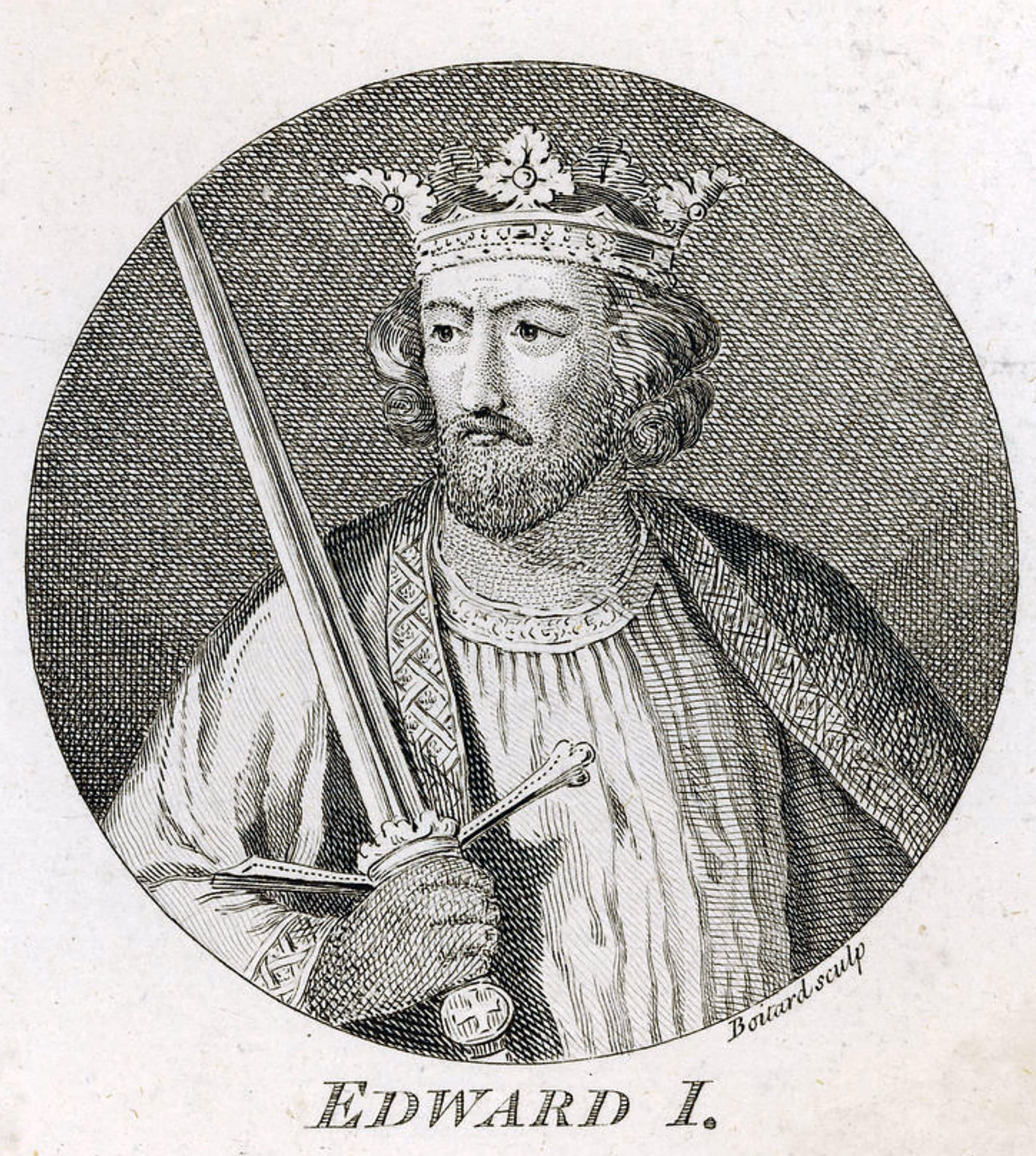
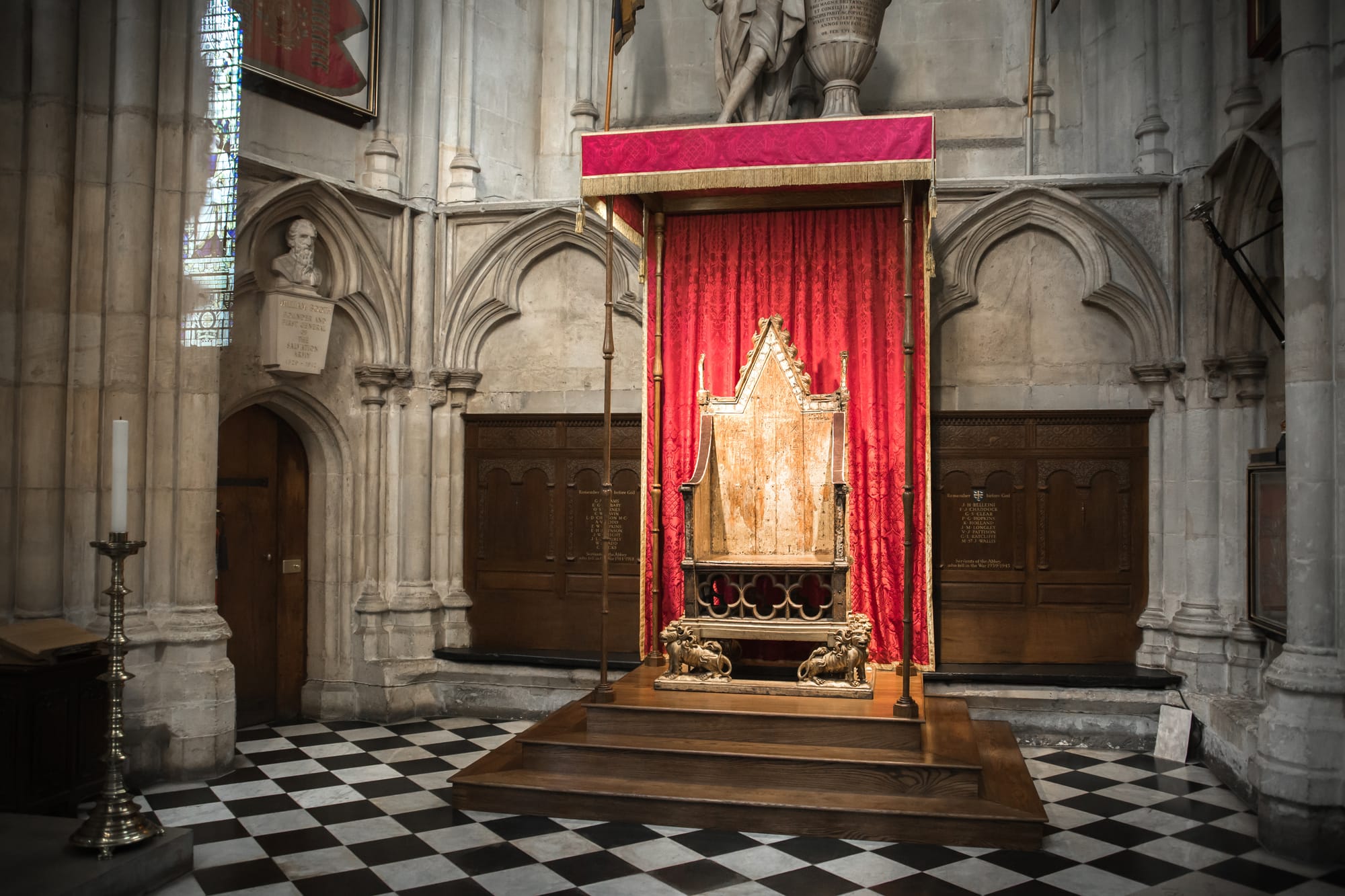
When Edward I, King of England, took the stone to Westminster Abbey in 1296, he had his famous Coronation Chair custom built to accommodate the stone in the bottom.
The right to rule Scotland?
This was a symbolic gesture – if the stone had the power to make someone the King of Scots, then by taking it, Edward could now claim the right of sovereignty over the country for himself and his descendants.
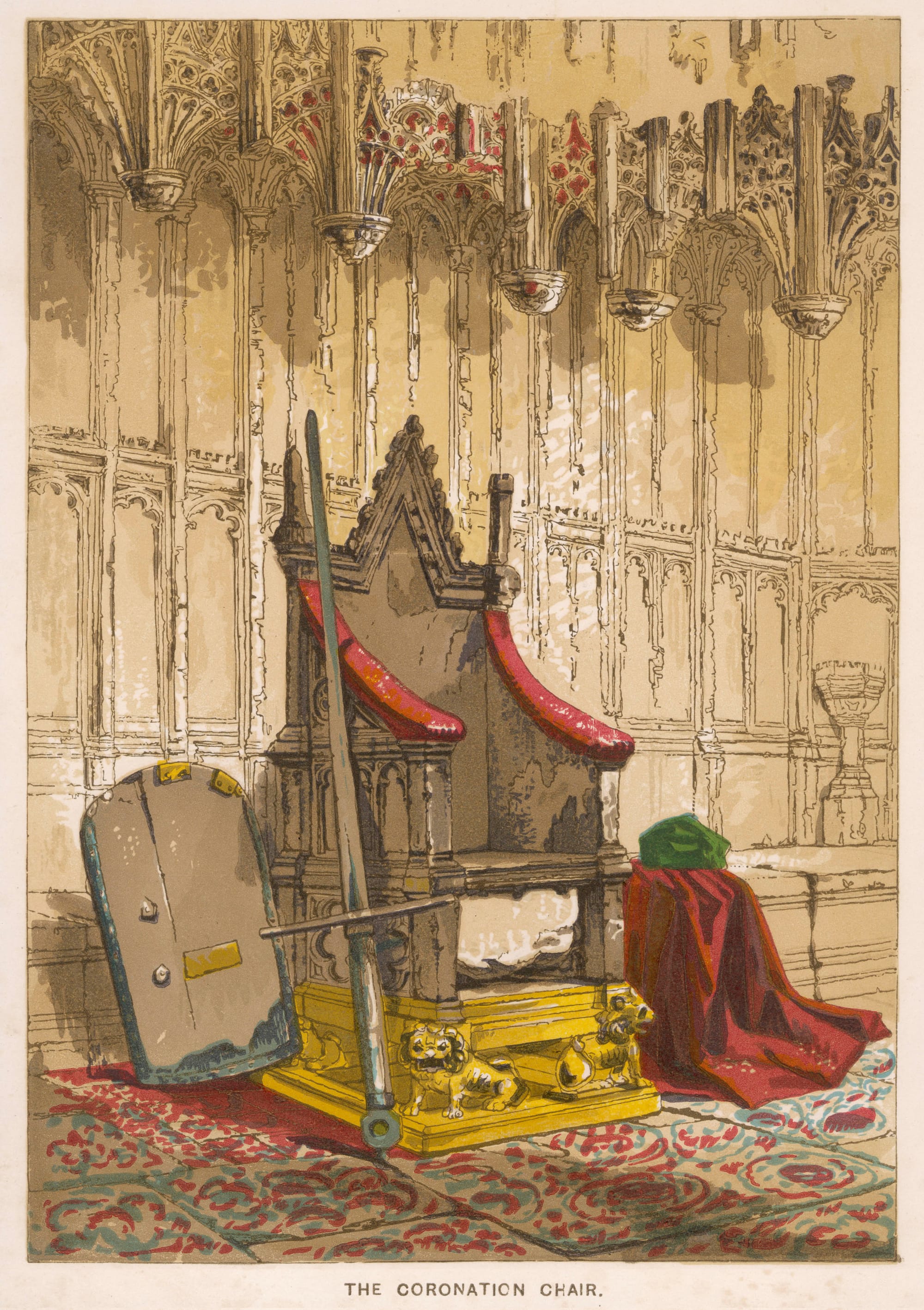
The throne is still in use today, and the stone has therefore been involved in the coronations of nearly all the English and British monarchs since 1308.
But the story of the Stone of Destiny isn’t confined to the dusty pages of history books: as recently as Christmas Day, 1950, a group of Scottish students staged a heist to return the stone to Scotland as a nationalist statement, successfully breaking into Westminster Abbey and escaping with their treasure.
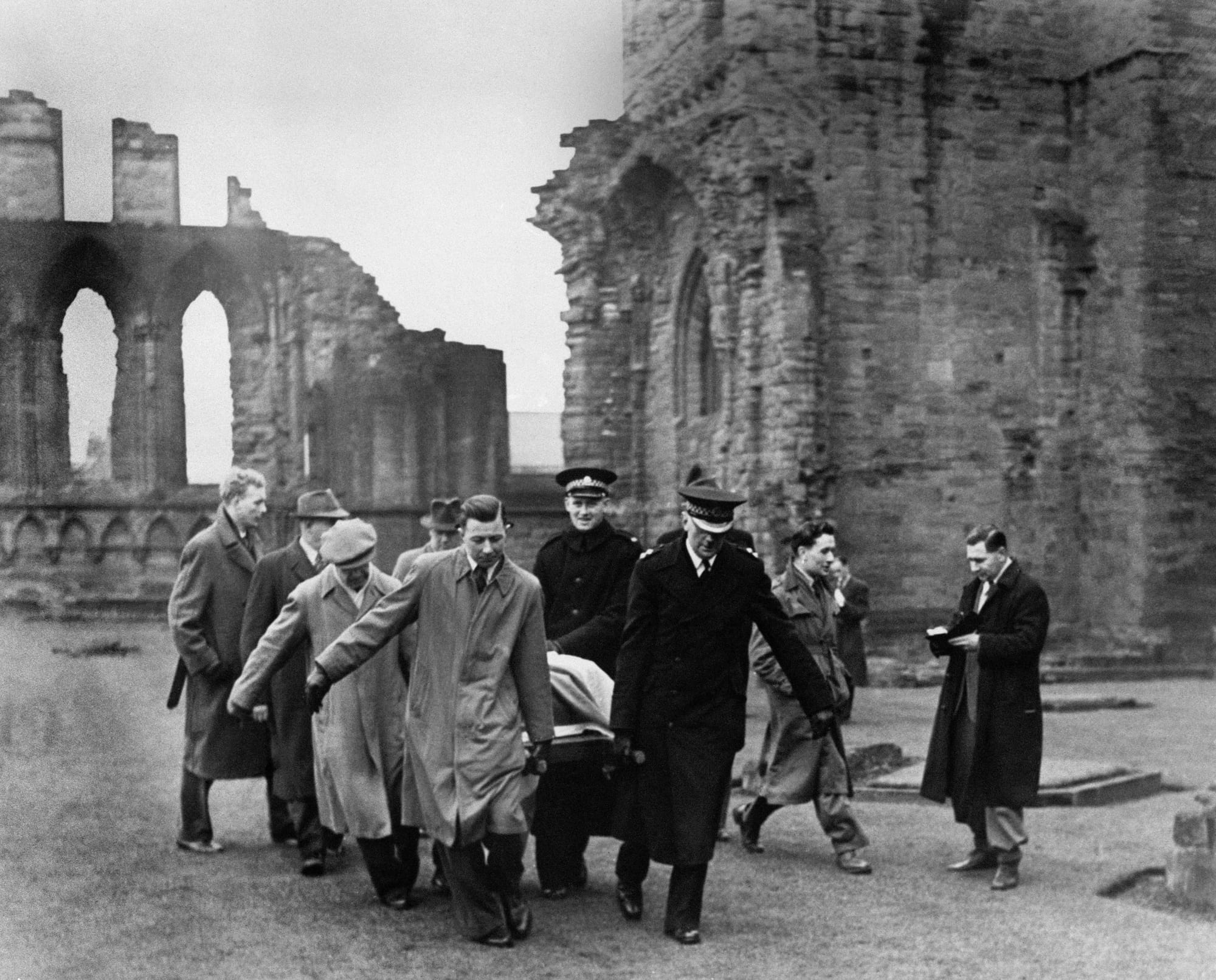
The issue of where the stone should reside has long been contested – making the decision to permanently display it in Perth of historic significance itself.
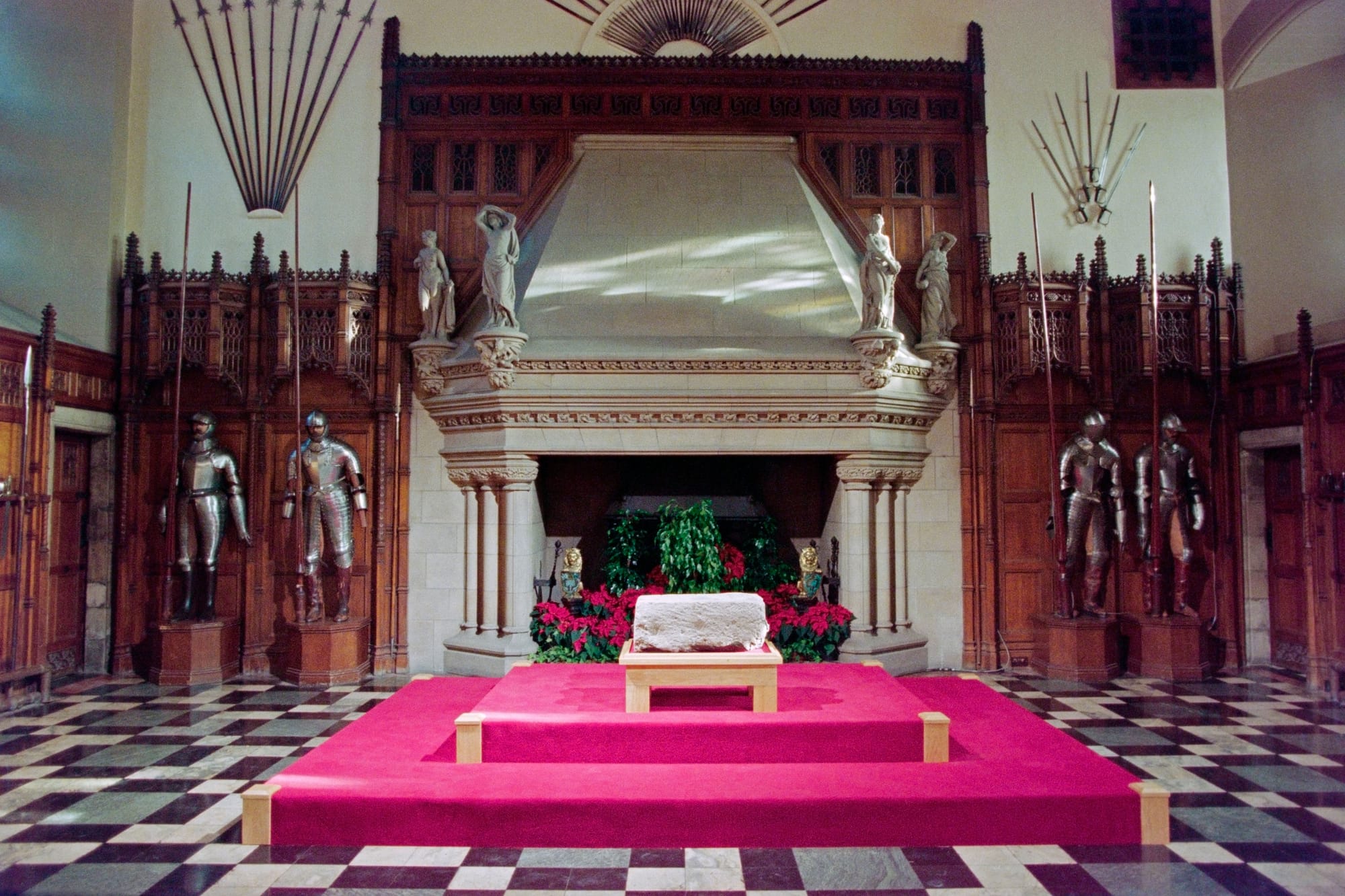
A date with destiny: bringing home the stone
The daring theft of Scotland's most famous artefact shocked the world and closed the border with England!
Back home in Perthshire
As a Scottish archaeology fanatic, it was one of my greatest shames that I had never actually laid eyes on the Stone of Destiny. Now that it’s settled in Perth, I was delighted to finally make the short trip from Dundee.
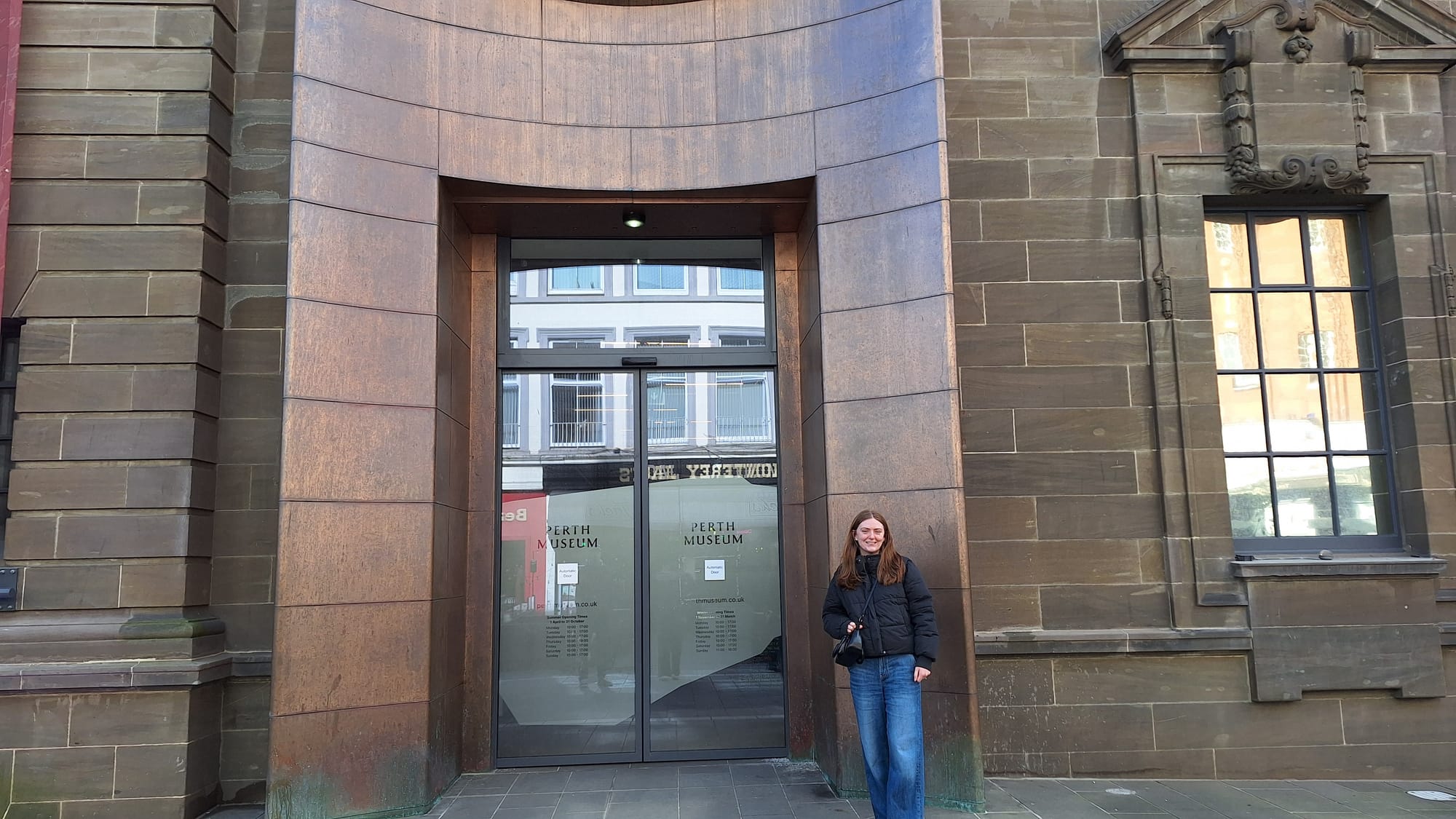
The wind was howling as I made my way to the stunning new Perth Museum building. The £27 million redevelopment of the former Perth City Hall has created a new focal point in the town, and even on this rainy Tuesday, the building had a warm buzz as visitors chatted in the café and strolled round the displays.
The Stone of Destiny Experience forms the heart of the museum – a large central room in the otherwise open-plan ground floor, with a member of staff guarding the entrance.
Tickets were free but had to be booked from the front desk, and after a friendly chat I had secured my slot to see the stone in 15 minutes.
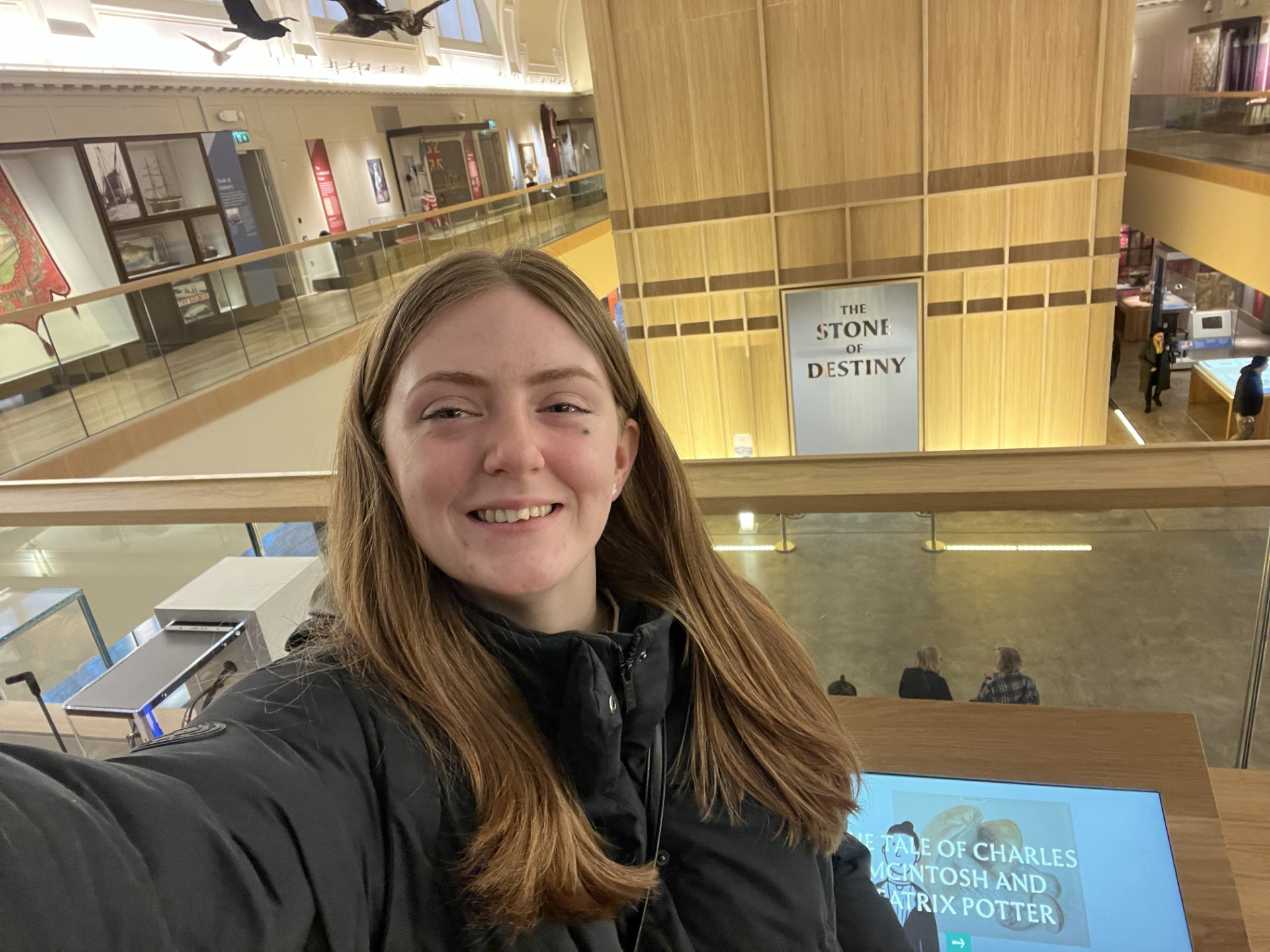
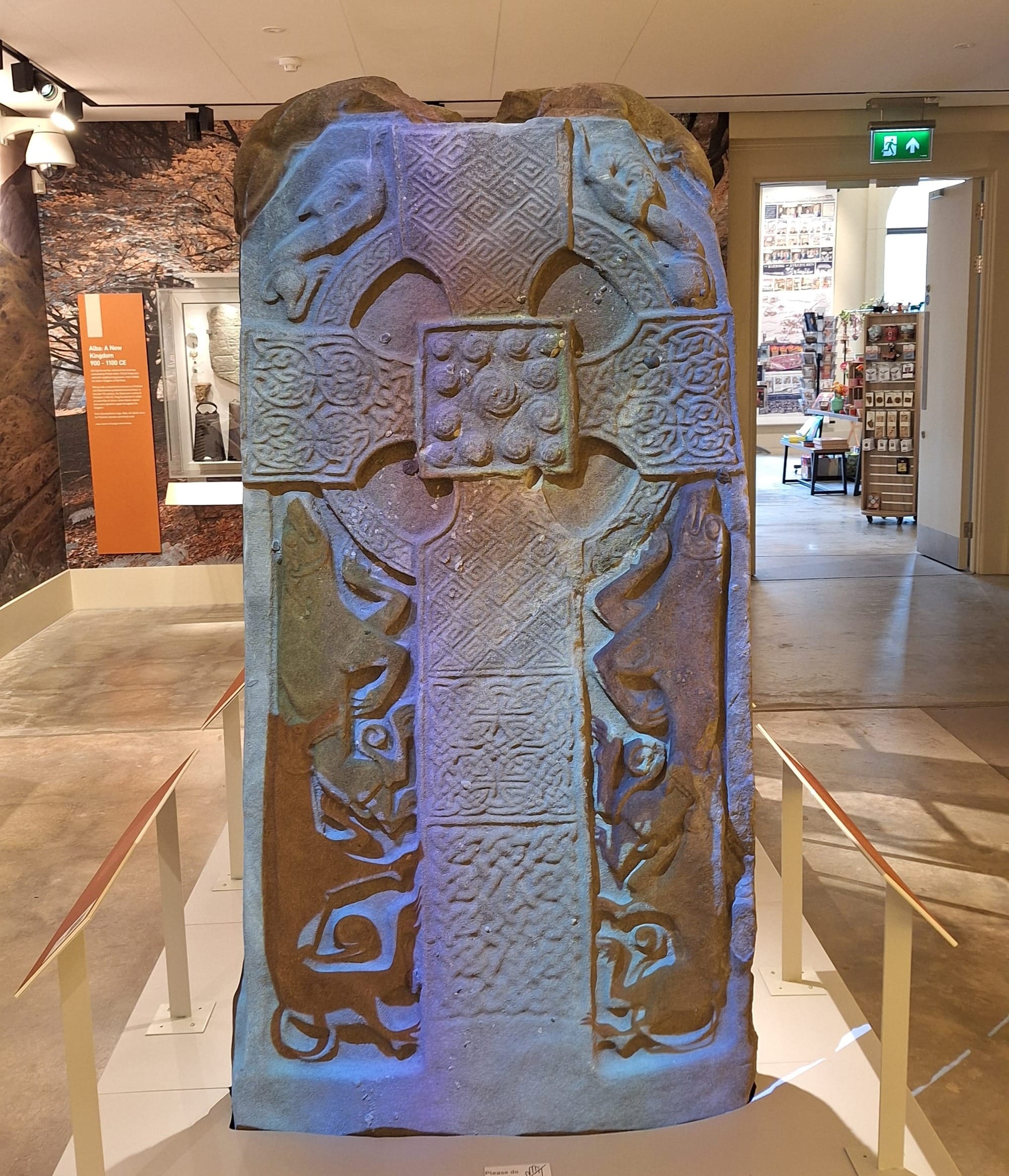
This gave me time to mosey round the other artefacts, from an ancient boat carved from a tree trunk found in the River Tay, to a selection of intricate Pictish stones.
State-of-the-art museum
The museum’s use of lighting was excellent – blue light resembled water dappled across the boat, making it feel as if it was once again sailing down the river, and the stones were lit up to show how they might once have been painted.
I even spotted some artefacts from an excavation at nearby Glenshee I had volunteered on for a week as a 17-year-old archaeology enthusiast – that really brought a smile.
When it was time to enter the Stone of Destiny Experience, a handful of people gathered at the entrance. We entered a small, empty room and sat on benches, waiting in hushed silence until a video began playing on the wall.
It documented the Stone of Destiny’s history, and explained the current agreement on the stone’s relationship with the monarchy – how it will ordinarily reside in Scotland, but make its way to Westminster for coronation ceremonies, the most recent of which was that of King Charles III in 2023.
After this video, two doors opened on the back wall of the room, and we were invited through.
Seeing the stone first-hand
Resting within a large display case was the Stone of Destiny – the only item in the small room. I walked slowly round the case, viewing the well-lit stone from all angles.
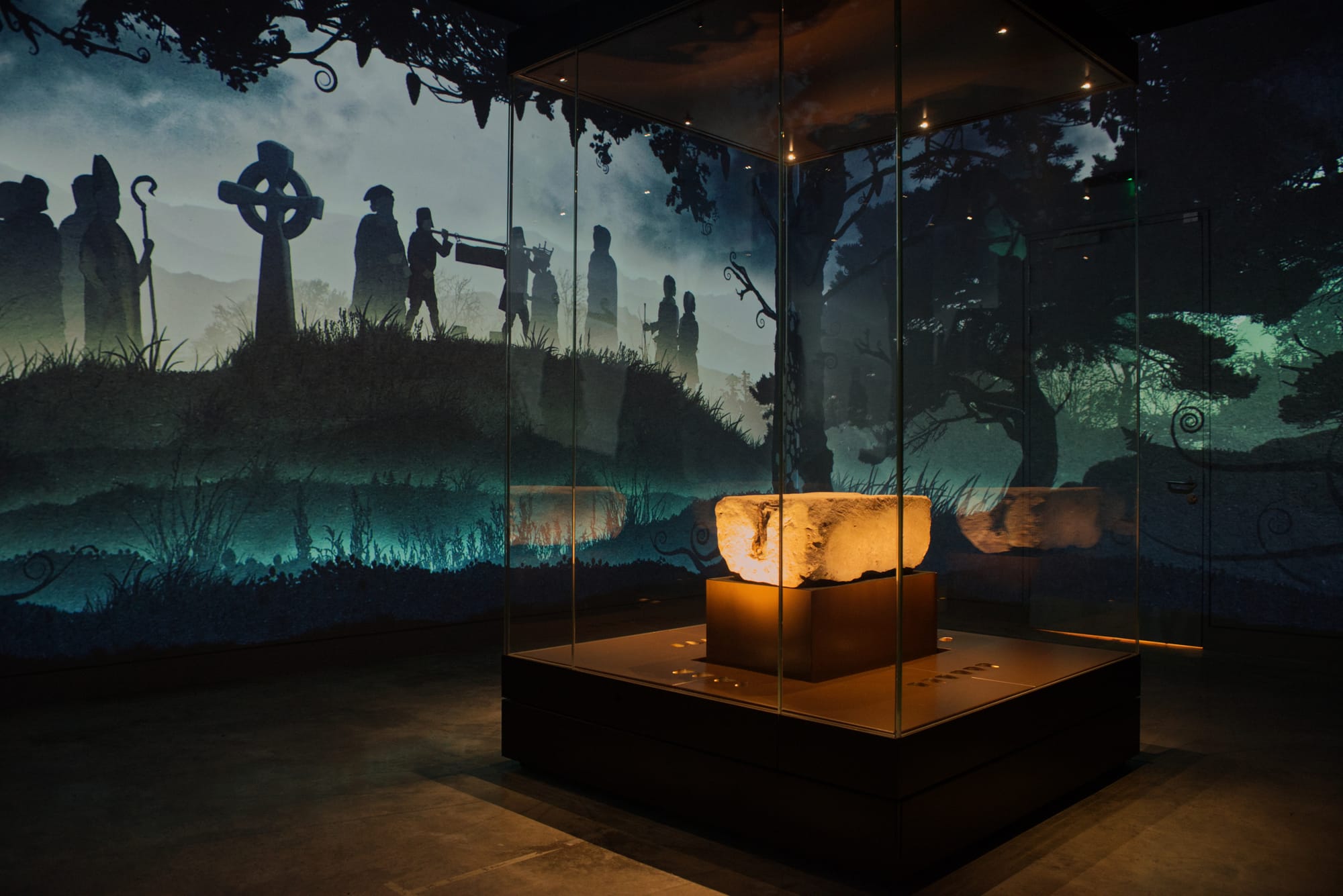
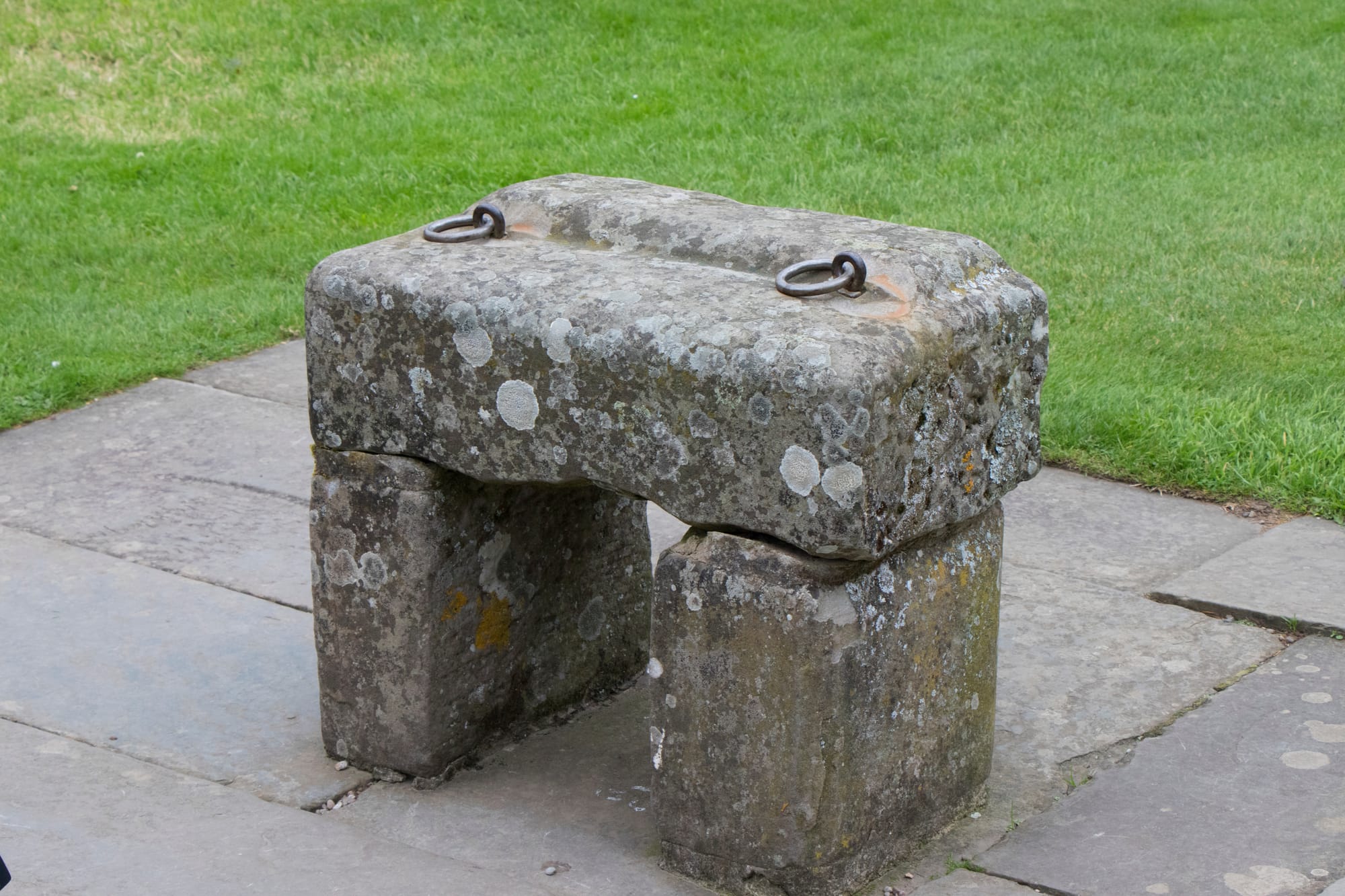
I was struck by its simplicity. For one of Scotland’s most treasured artefacts – fought over for many hundreds of years, and now with Scots and tourists alike flocking to view it as if it were a pilgrimage – it was strikingly plain.
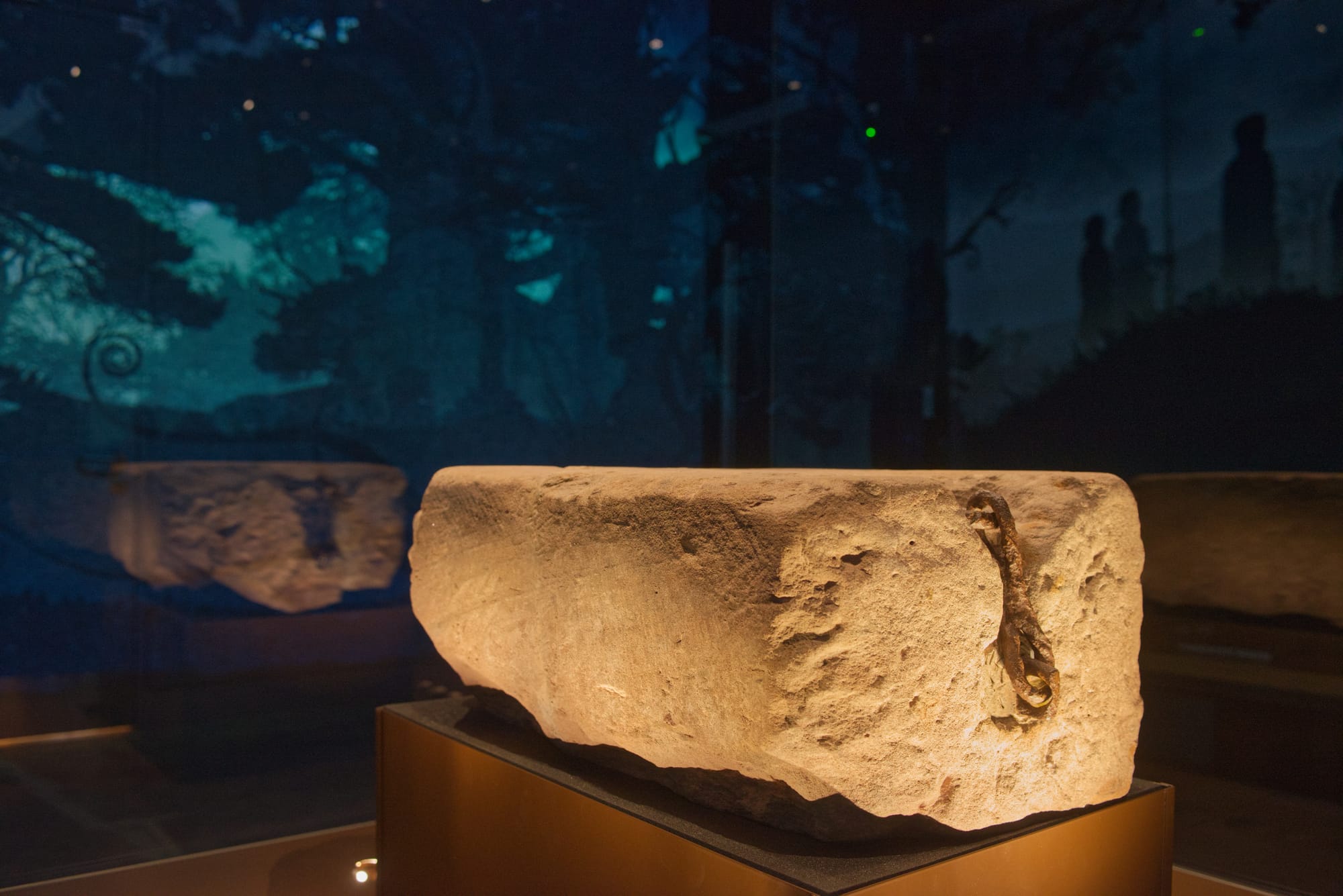
The block of sandstone is quite large – roughly 2ft 2in x 1ft 5in x 10in – and weighs 335 lb. At some point in its early history, metal rings were added to make transporting it easier.
But it isn’t ornate. There are no decorations to represent its symbolic purpose. In fact, archaeologists believe that wear on top of the stone provides evidence that the stone may have, at some point, been used as a step in another building – likely before its role in inauguration ceremonies.
But isn’t that part of the magic? The stone is somewhat an extension of Scotland itself – it’s not extravagant and showy.
It was likely a primarily practical choice: a seat was at one point in history needed for a king’s inauguration ceremony at Scone, so a suitable stone was found and used.
It’s the symbolic meaning that generations of Scots have attached to it since that has captured our hearts.
One more animation danced across the walls of the small room, and this one was all the more powerful with the stone in the foreground.
The stone's first coronation
It was a depiction of the crowning of the seven-year-old Alexander III – the first time the stone was confirmed to be in use, all the way back in 1249.
This might be the earliest documented mention of the stone's role in inauguration ceremonies, but legend suggests it was used for Scottish monarchs from as early as the 9th century.
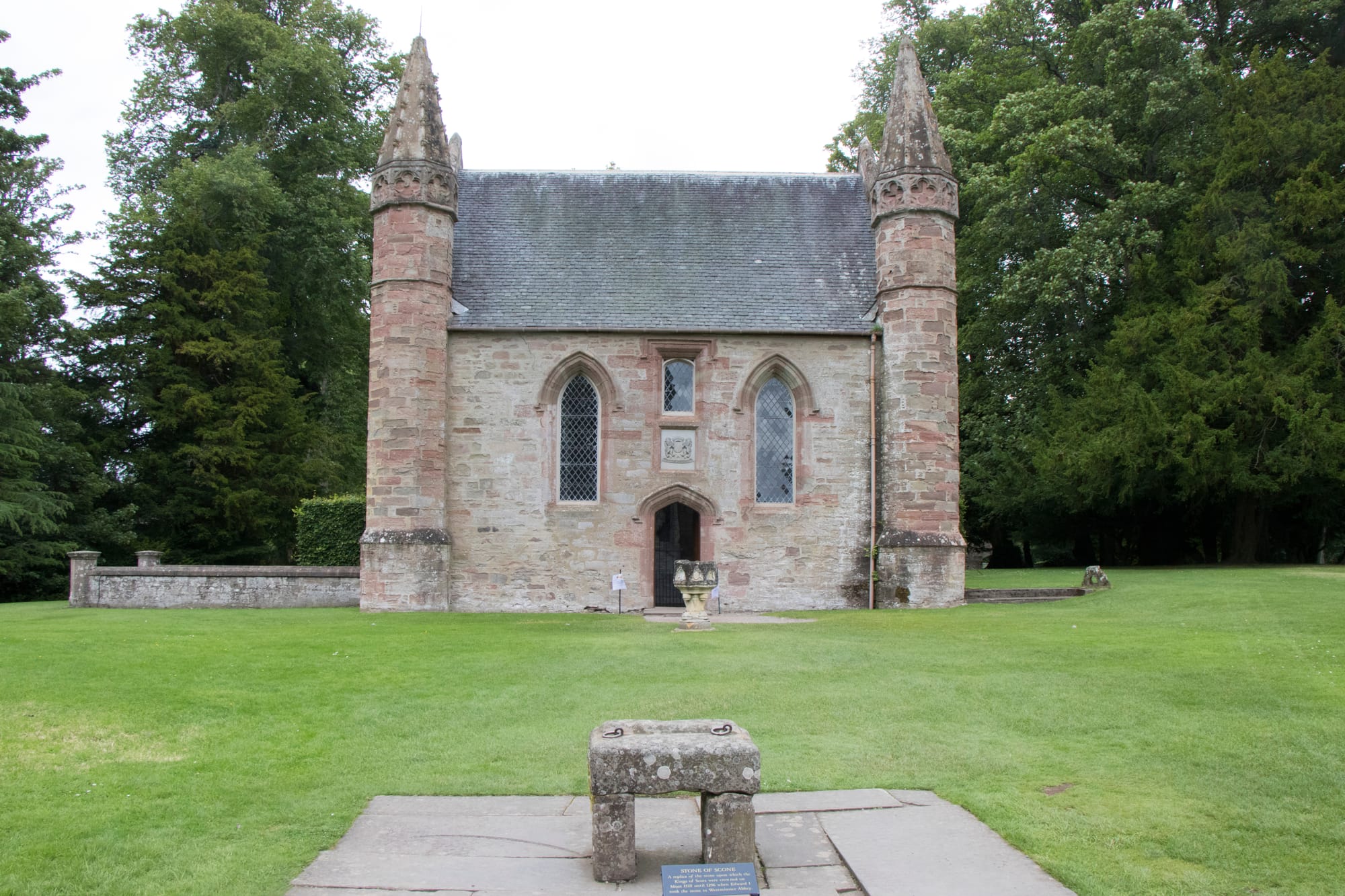
The child is shown making his way from Scone Abbey to a small mound, with a parade of nobles and religious figures.
He takes his seat on the Stone of Destiny, and he is no longer just a child: he’s the King of Scots, and history is changed forever. This is the power of the humble stone.
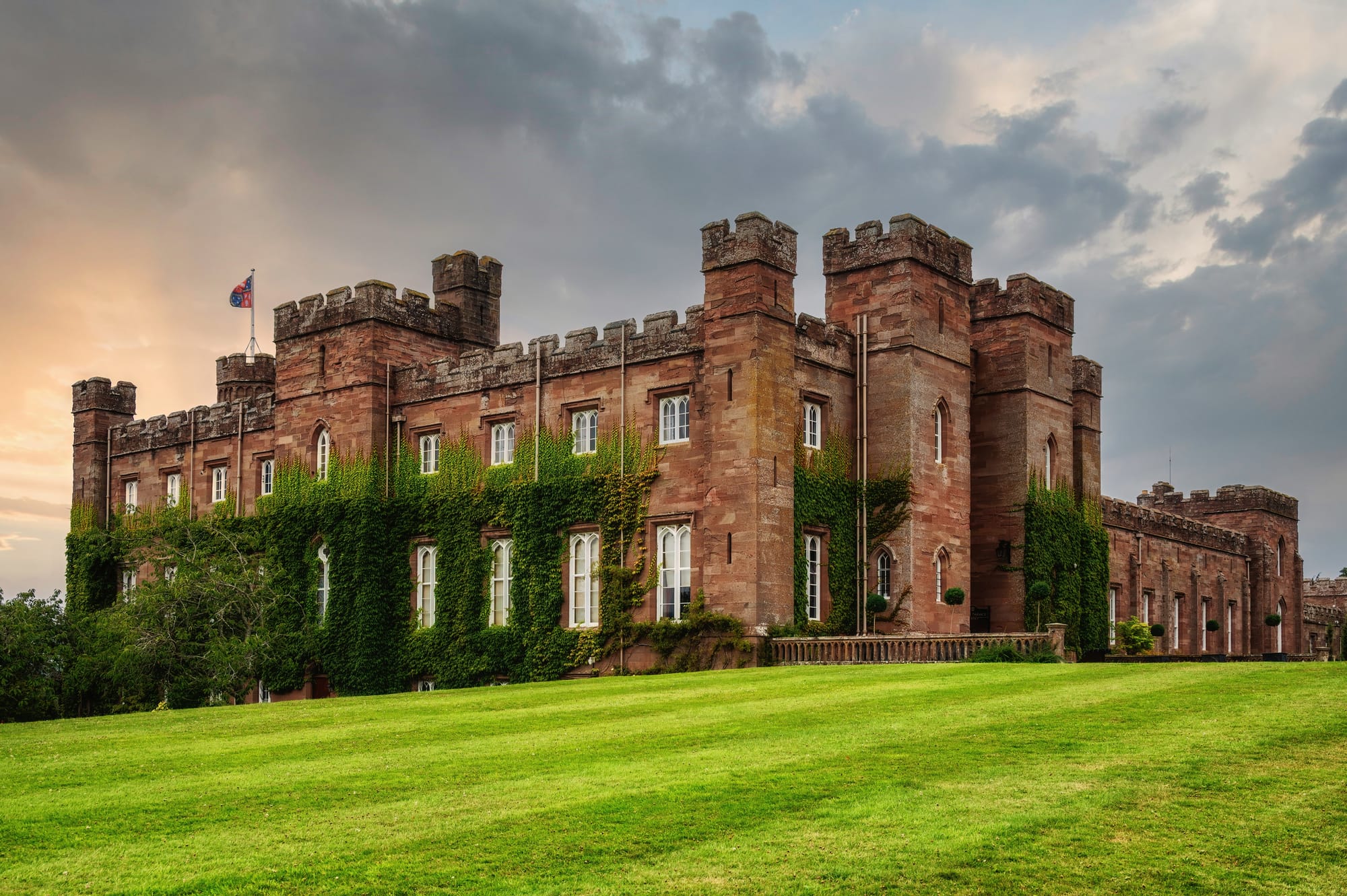
Top Tip: the site of historic inaugurations at Scone Palace is only around 10 minutes from Perth Museum by car.
Visit the gardens to see Moot Hill, the spot where the Stone of Destiny once made Scottish kings.
Leaving the room after that felt like a cruel bump back into the present day. I decided to pop into the museum’s aptly named Stone café to soak up the museum’s atmosphere a little more.
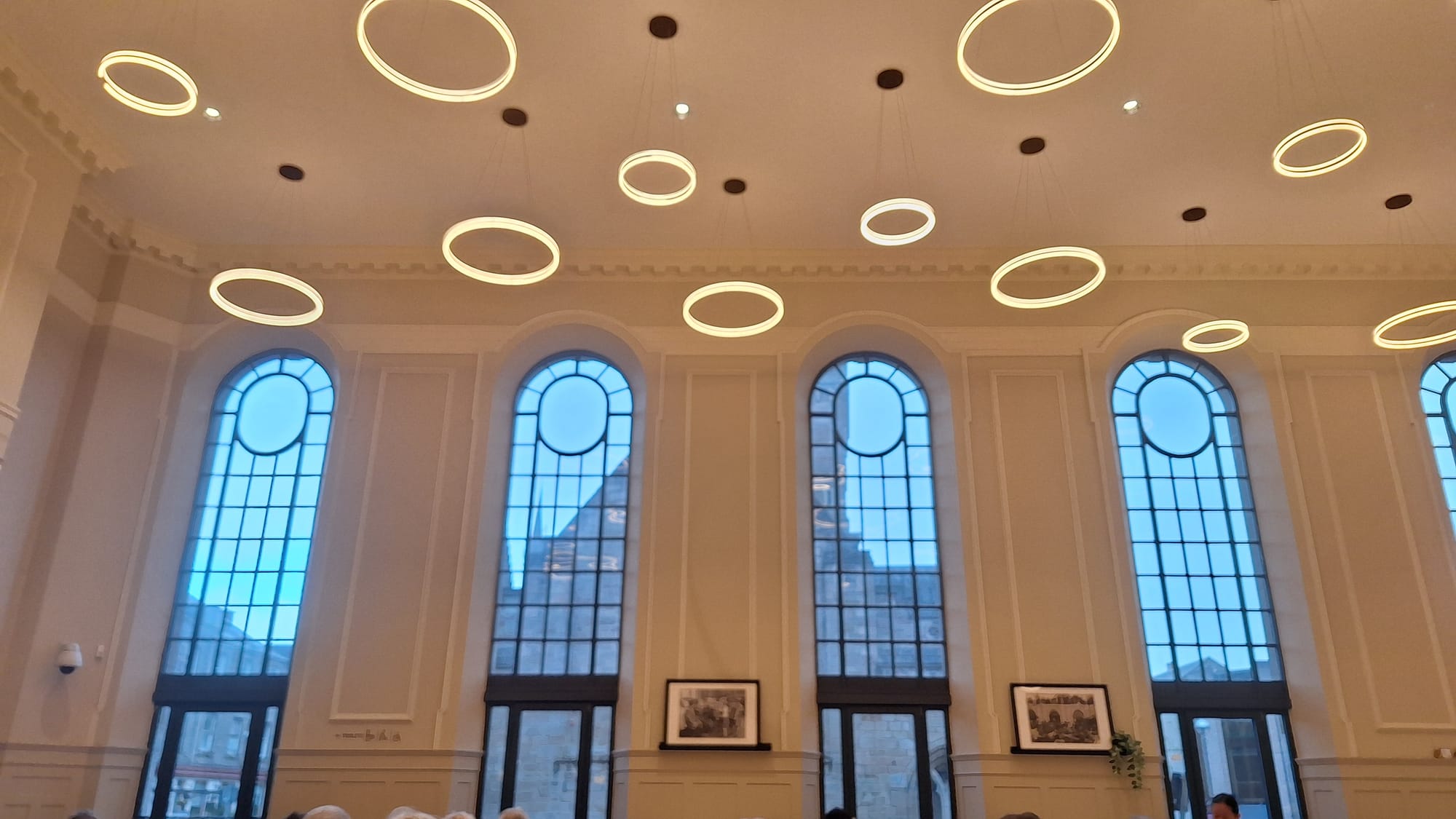
The bright, airy room was lit by tall windows, and there was hardly a seat to be found.
Time to rest and recharge
People-watching made me smile – groups of friends of all ages were chatting and enjoying themselves, and visitors stopped to wave to babies in prams.
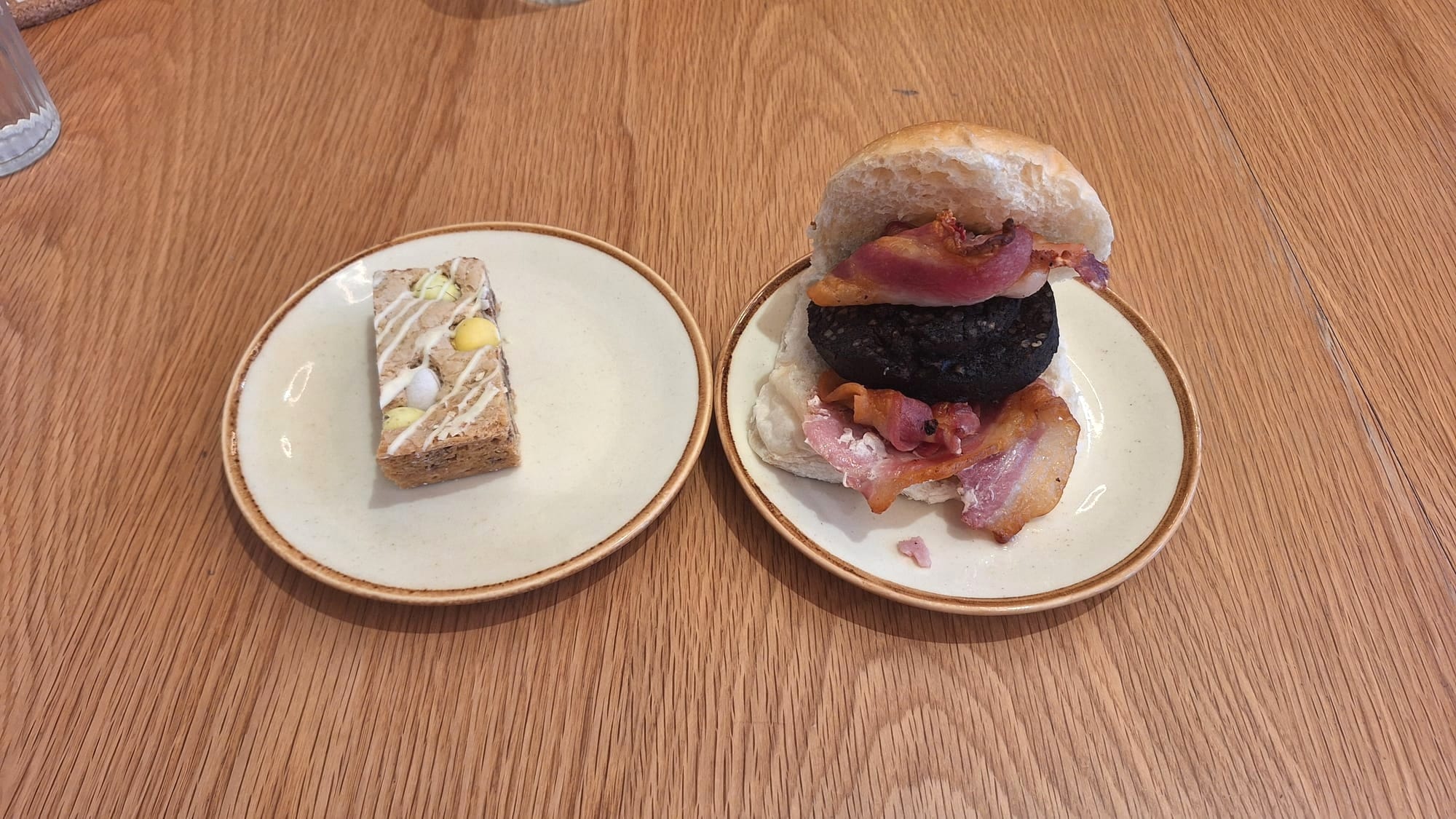
It felt like a real community space – exactly what a museum should be. And the size of my bacon and black pudding roll didn’t hurt either…
The importance of curating spaces to view nationally important artefacts, as in Perth, cannot be overstated.
It reminds us that history is living and breathing all around us, and that from the misty origins rooted deeply in legend, the story of the Stone of Destiny is not quite finished yet.
📸 Culture Perth & Kinross/Rob McDougall, Alamy, Shutterstock, Adobe Stock, DC Thomson
Scots Snippet
Word of the Week
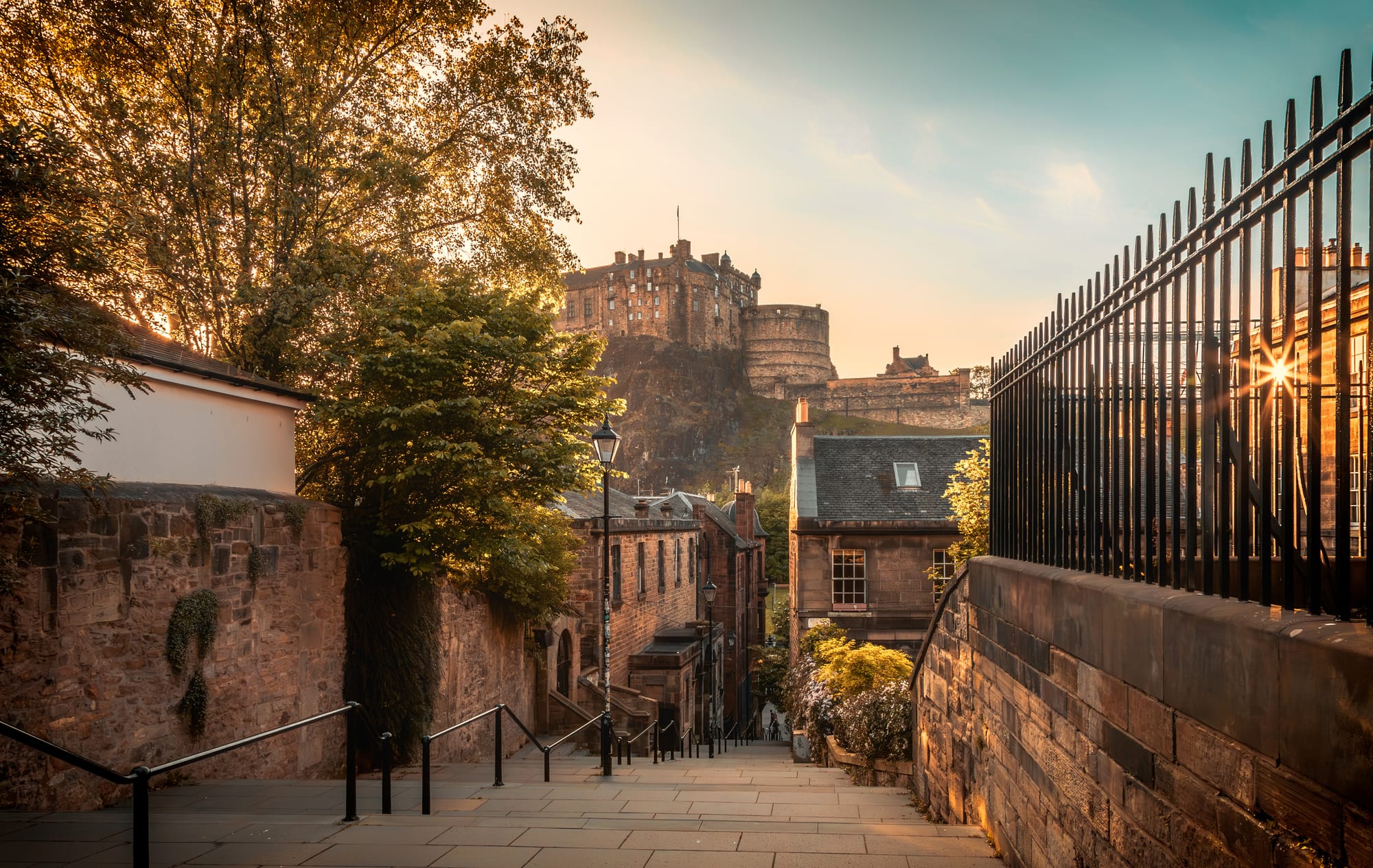
"Vennel"
(n.) - an alley between two buildings.
These types of medieval streets are common in historic Scottish Royal Burghs.
Perth is home to a selection of streets with names derived from old occupations – Cow Vennel, Fleshers Vennel and Cutlog Vennel, to name a few!
Our guide to the top wellness retreats in Scotland is available on Instagram!


Member discussion