
Scone Palace: Discover Scotland’s ancient crowning place and the mystery of the Stone of Destiny
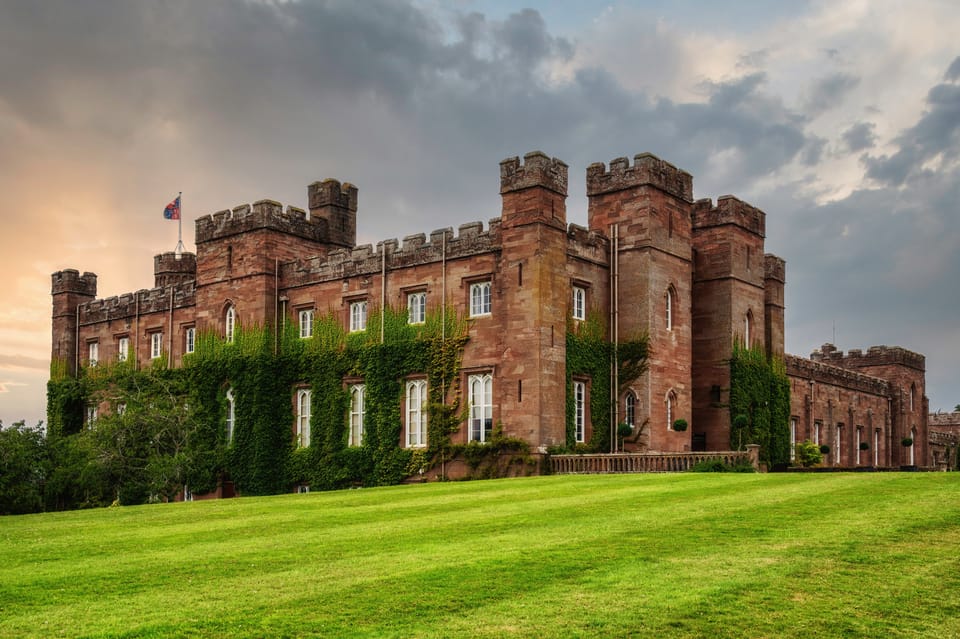
SCONE PALACE, the historic crowning place of Scottish kings, is one of Scotland’s most fascinating and atmospheric heritage sites.
Set in the heart of Perthshire, it offers visitors a unique chance to step into centuries of royal history, legend and intrigue.
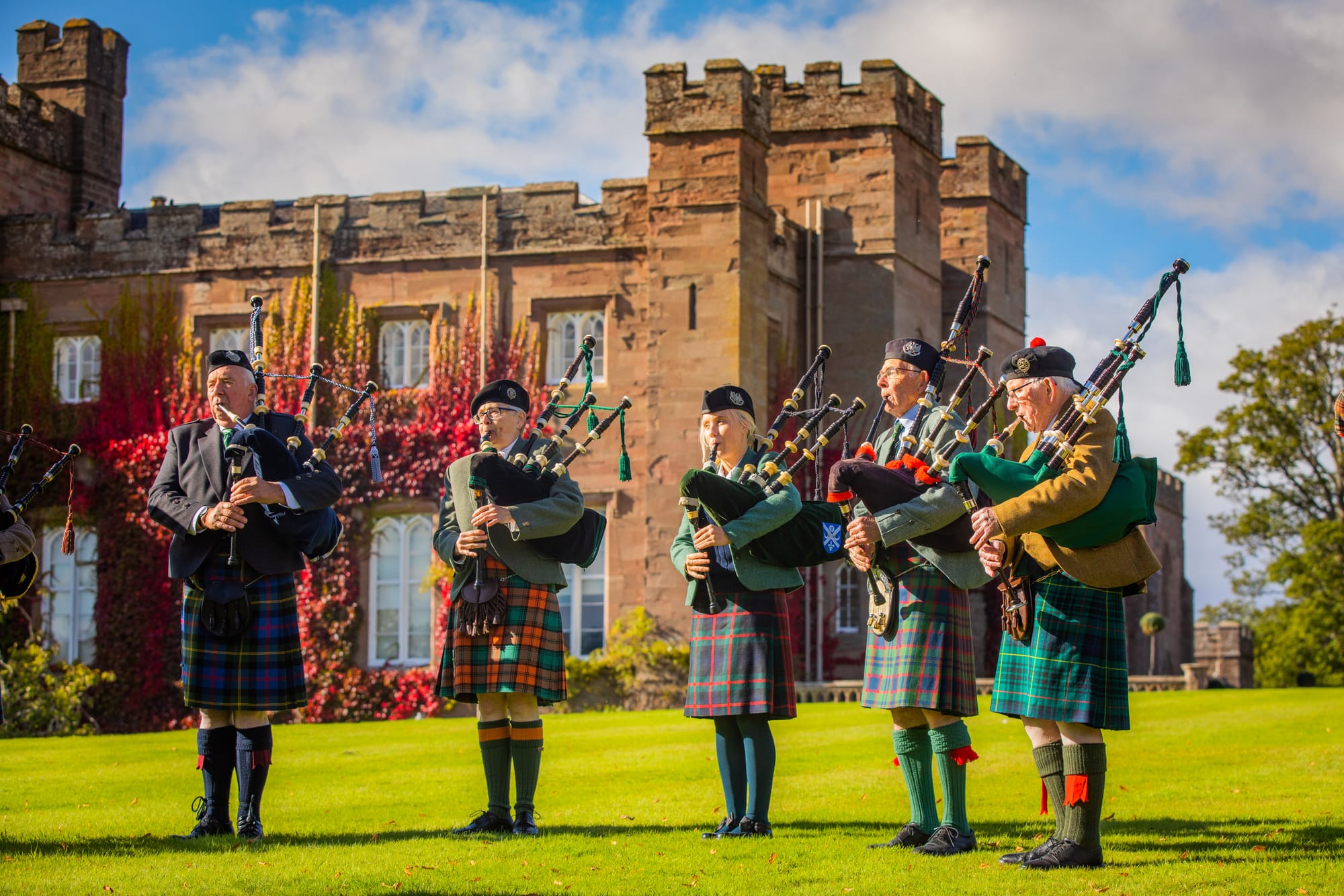
For generations, kings were crowned on Moot Hill at Scone Palace, making it one of the most important royal sites in Scotland.
Visitors today can follow in the footsteps of legendary figures such as Macbeth, Robert the Bruce and Charles II – just a few of the monarchs traditionally said to have been crowned here.
Where Scottish Kings were crowned
Moot Hill was the centre of Scotland’s early monarchy, where rulers were inaugurated in ceremonies steeped in symbolism and tradition.
Standing here, it’s easy to imagine the moment a new king was proclaimed before his people.
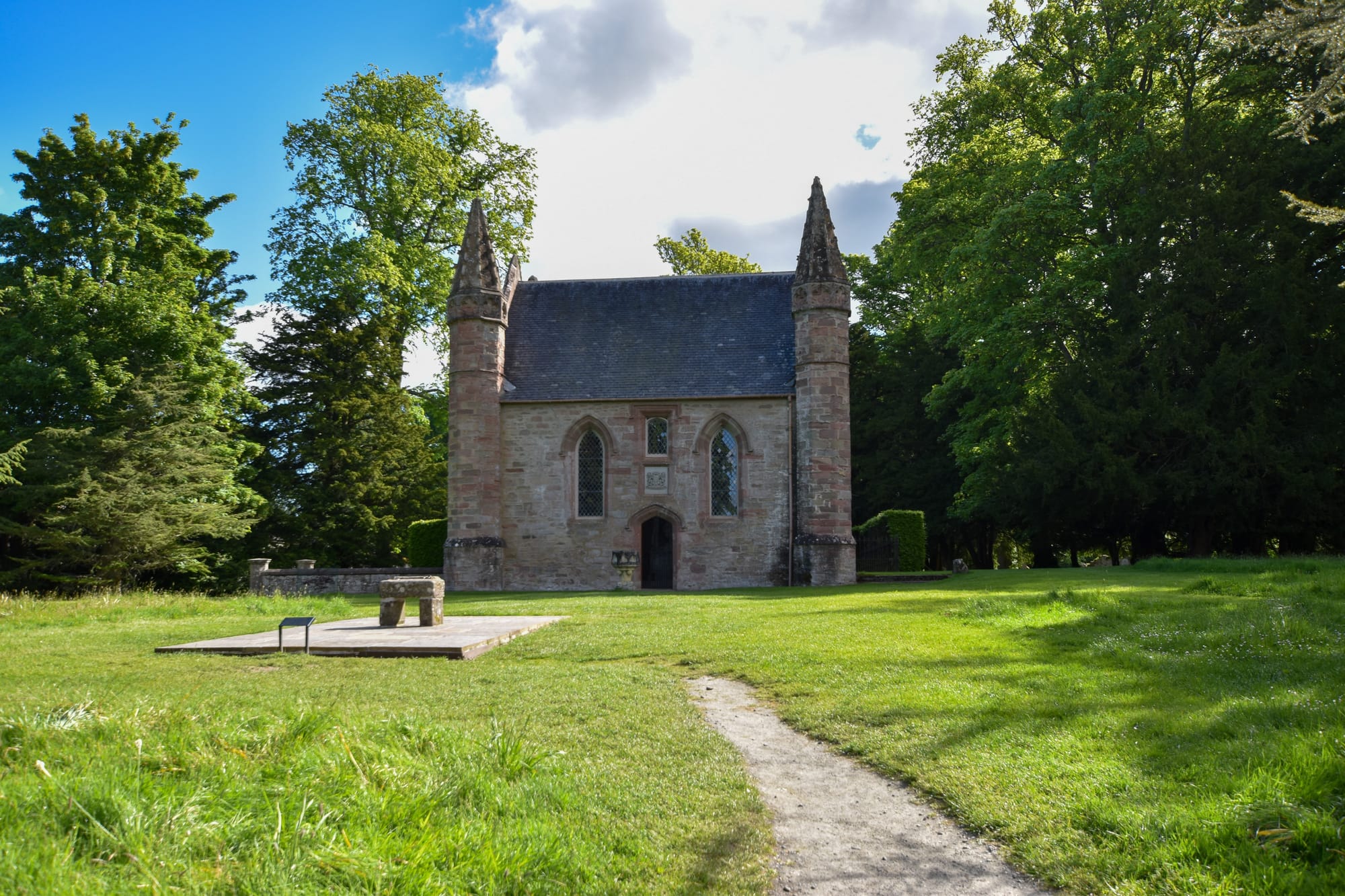
At the heart of these ceremonies was the famous Stone of Scone – also known as the Stone of Destiny – an ancient symbol of Scottish sovereignty.
The Stone of Destiny mystery
Few artefacts in British history are surrounded by as much mystery as the Stone of Destiny.
Taken to England by Edward I in 1296, it remained there for centuries before being famously removed from Westminster Abbey by Scottish students in 1950.
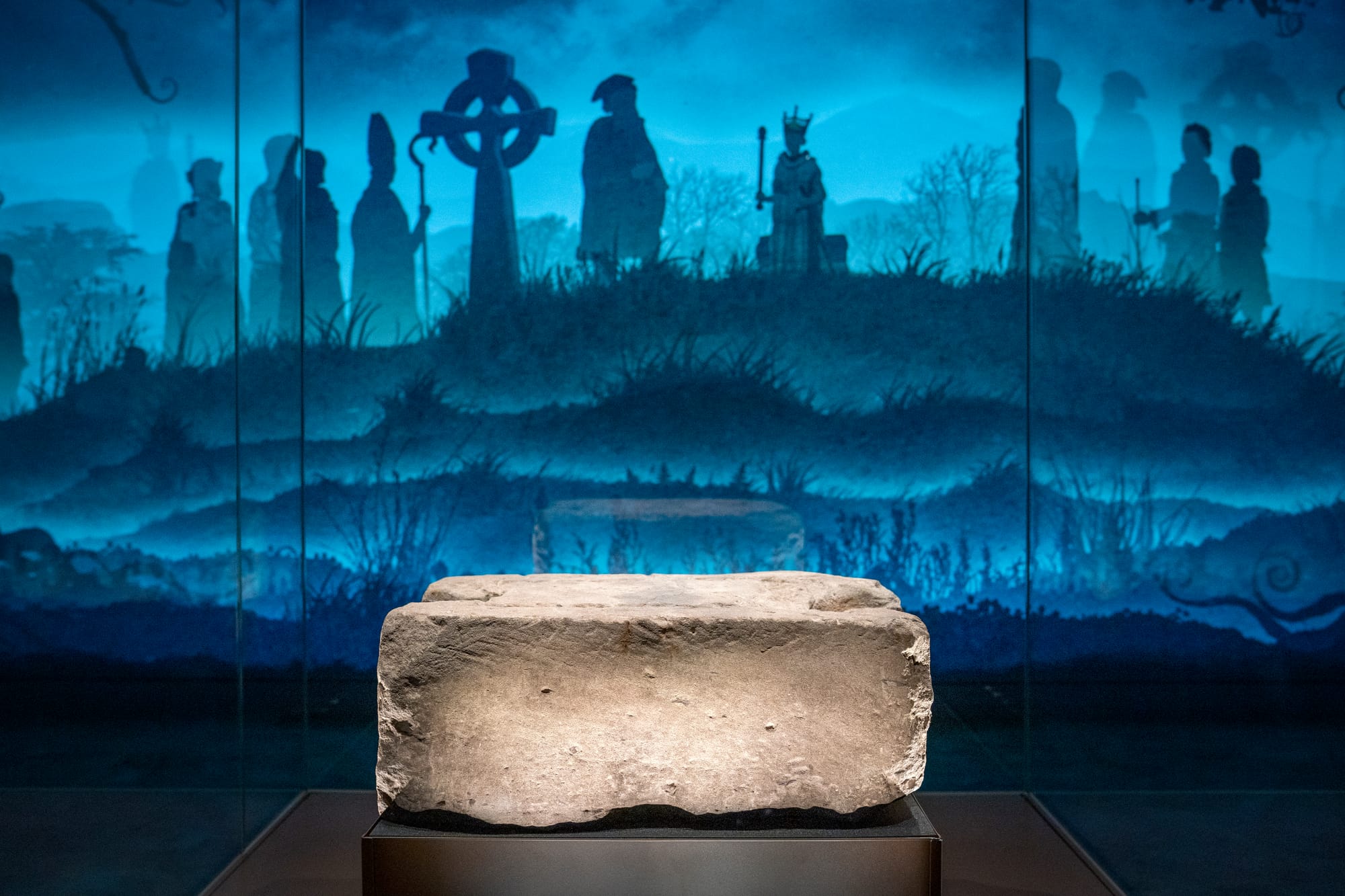
But did they return the real stone – or a replica? The truth may never be known.
Today, the Stone is displayed at the Perth Museum, bringing it closer than ever to its historic home at Scone.
Inside Scone Palace
The palace itself is an impressive red sandstone building and the current home of the Earls of Mansfield.
Over the centuries, it has hosted coronations, parliaments, grand banquets and lavish celebrations.
A guided tour takes visitors through the stunning State Rooms, where Queen Victoria and Prince Albert dined during their visit in 1842.
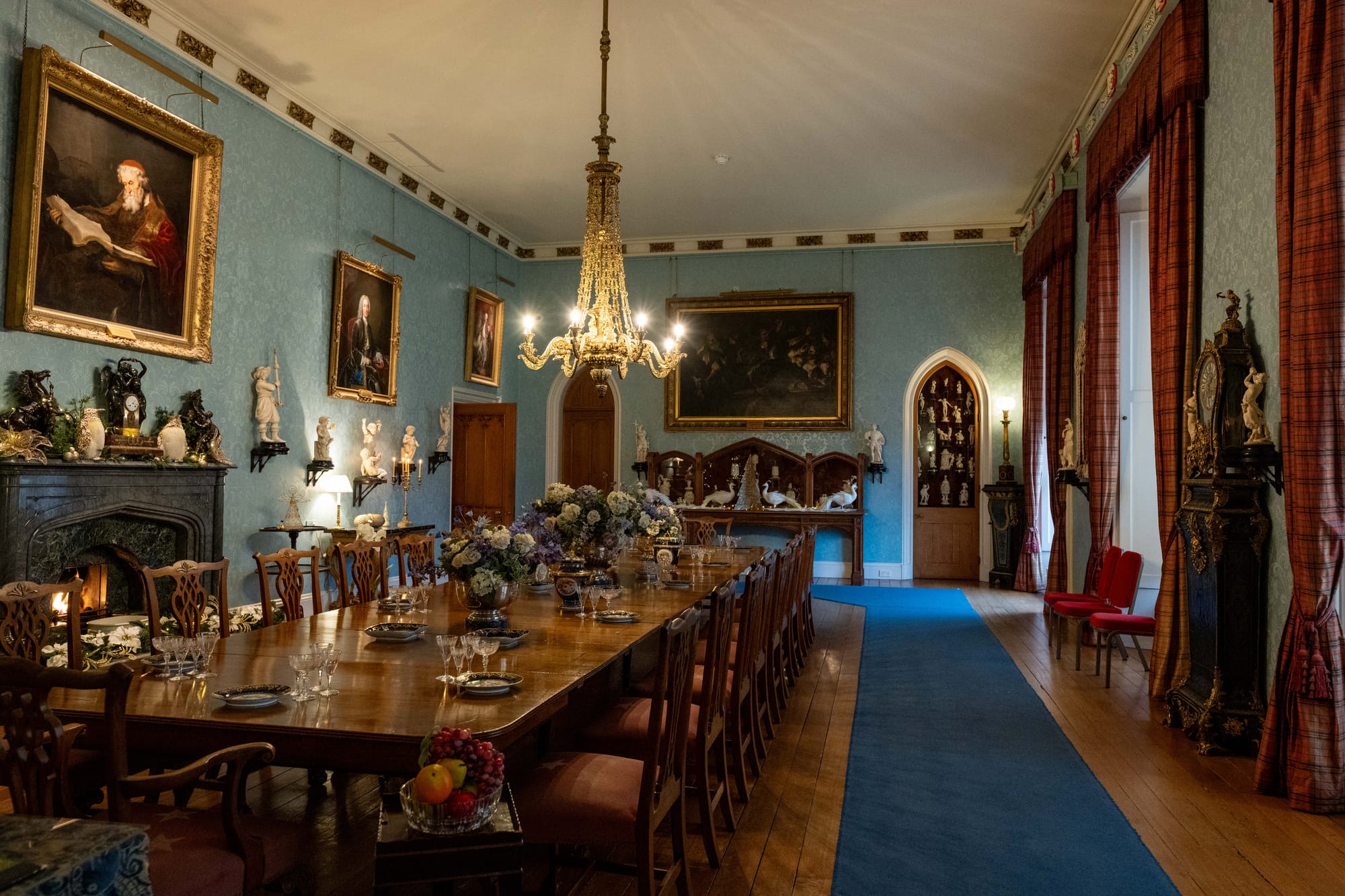
Inside, you’ll find exquisite collections of porcelain, rare artefacts and fine French furniture – interiors truly fit for royalty.