
America’s Highland Games: Searching for Scotland across the Atlantic

ON a crisp morning in the mountains, the sound of bagpipes carries across a field as a caber rises, pauses, then turns cleanly through the air.
For a moment, it feels unmistakably Scottish.
But this is New Hampshire, not the Scottish Highlands – and scenes like this are playing out across the United States with growing frequency.
Over the past 190 years – the first Highland Games in the States took place in New York in 1836 – Highland Games in America have become far more than echoes of a distant tradition.
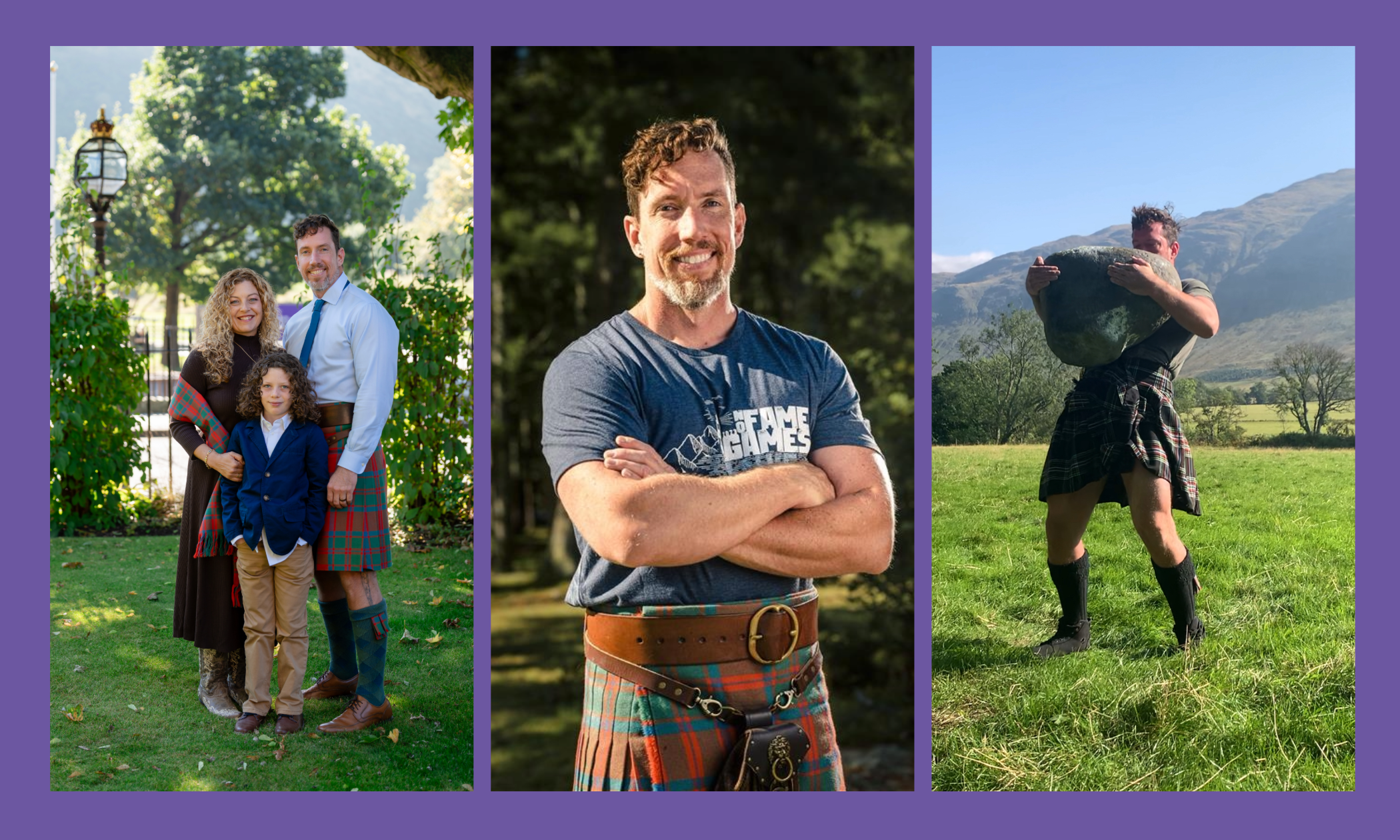
They have evolved into something richer: a living expression of identity for a diaspora still trying to understand itself.
“People are looking for connection, for a sense of place and belonging,” says Joshua Mackintosh, founder of No Fame Games and organiser of the Celtic Strength Championships.
“Highland Games give that to the Scottish and Celtic diaspora across the country.”
Longing for Scotland
For Joshua, that search for belonging is deeply personal.
Like many Americans of Scottish descent, he grew up hearing stories of his ancestry while living thousands of miles from the places those stories began.
“It's how we connect to our roots,” he says. “Being muts, we often hear about heritage but most of us don't know how to honour that. It's like we are stuck between worlds.”
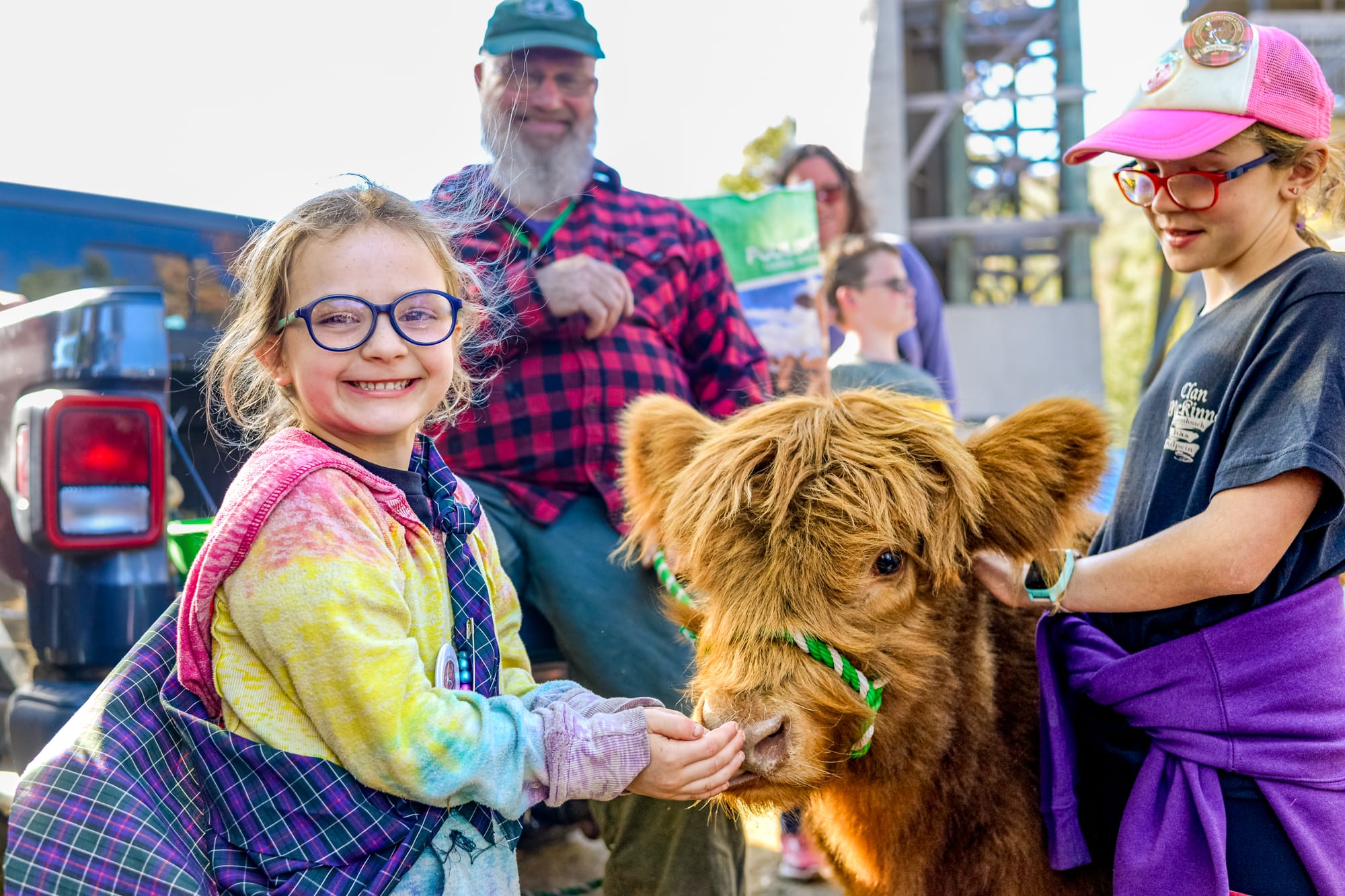
That tension – between inherited identity and lived experience – helps explain why Highland Games continue to thrive across America. They are not simply sporting events or cultural festivals. For many, they are a way of finding Scotland from afar.
Creating Celtic culture
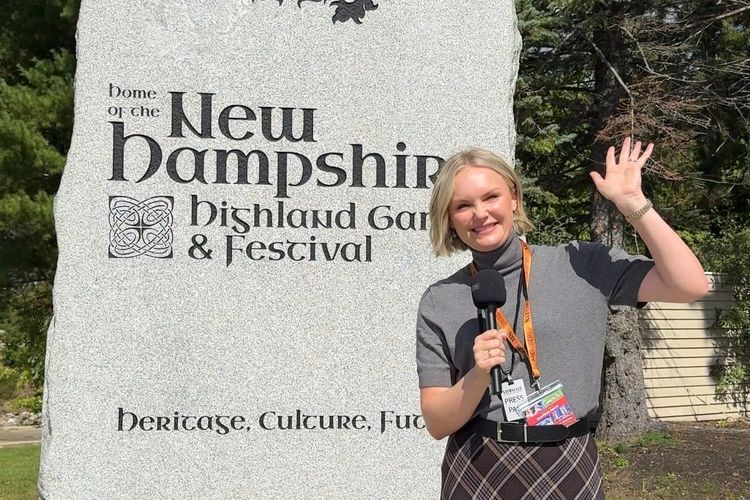
That pull is what draws tens of thousands each year to events like the New Hampshire Highland Games.
At their largest, American Highland Games are immersive cultural gatherings. Music, food, livestock displays, clan tents and competition all sit side by side, creating a festival atmosphere.
“They are just a great day out,” says Terri Wiltse, executive director of NHSCOT, who organise the New Hampshire Games.
“You can come with friends or family, listen to music, watch competitions, learn about Scottish culture and enjoy a wee dram and proper Scottish food.”
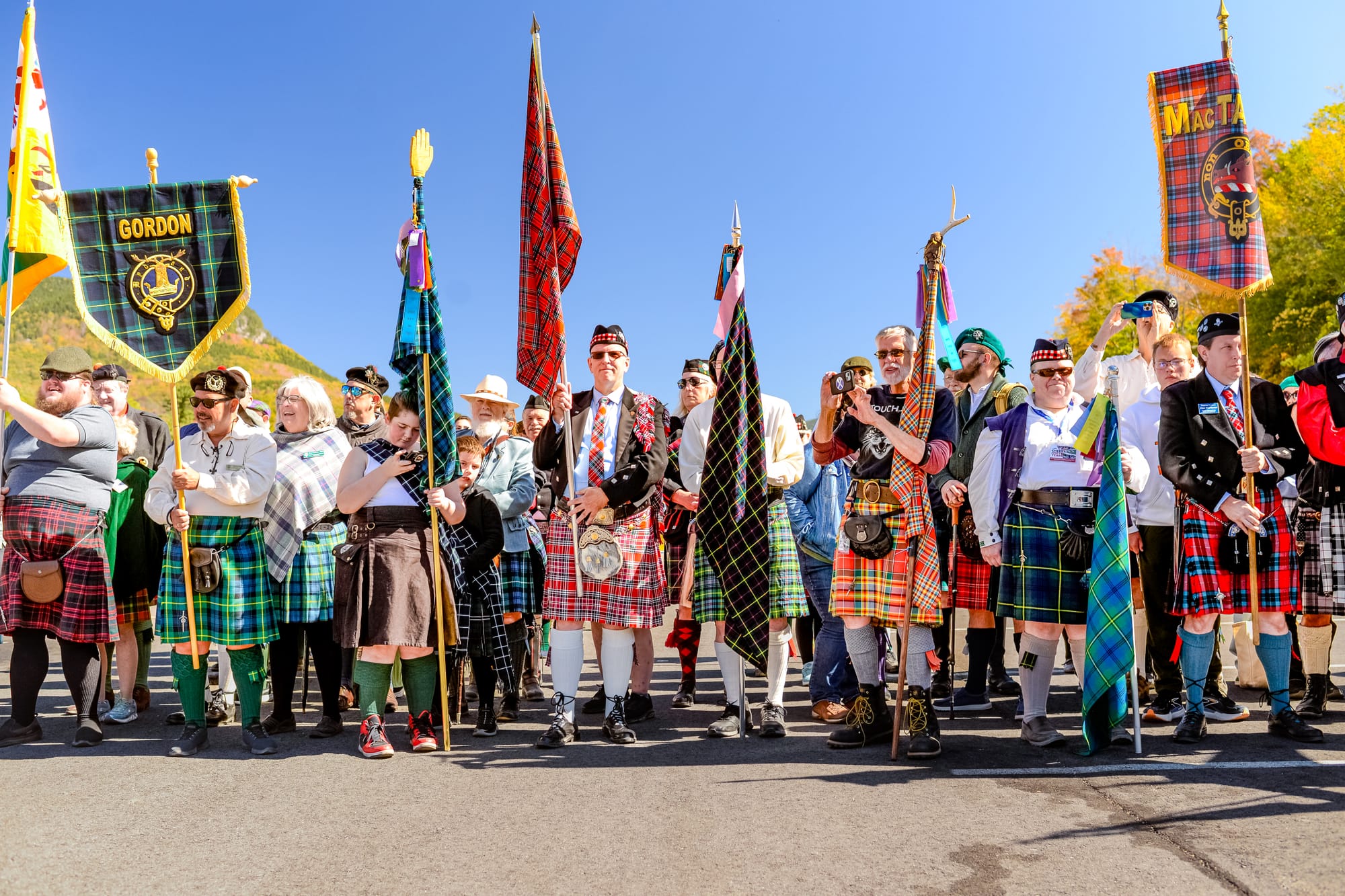
Beneath that surface is a powerful emotional current. Families return year after year, often across generations, using the games to reconnect with Scotland and each other.
“For a lot of people, this is how they connect to their heritage,” Terri explains. “People want the full experience.
"They want to hear bagpipes all day. They want haggis, whisky, the caber toss, the bands, the clan parade. Those things really matter.”
These are more than traditions – they are markers of identity, carefully preserved and proudly displayed.
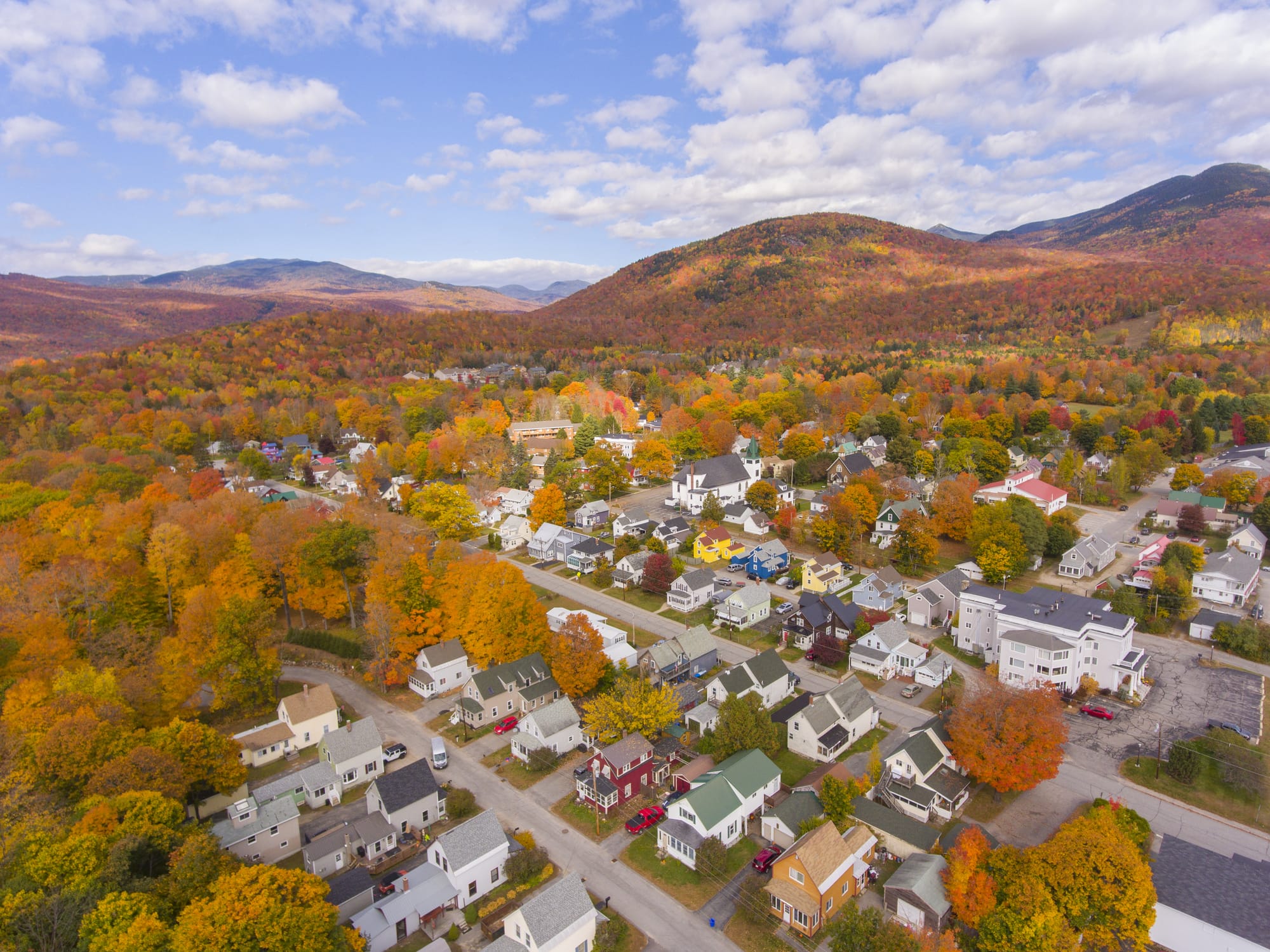
At New Hampshire, the setting does much of the work.
“The landscape is huge for us,” Terri says. “We’re in the mountains, by a river, and in the fall the trees are turning. It really does look and feel like Scotland.
“We have had some people from Scotland tell us that the Games here feel more Scottish than back home. It’s incredibly gratifying.”
Yet for many Americans, there comes a point when preserving Scottish culture is no longer enough. The desire to understand it first-hand eventually leads them across the Atlantic.
The pull of the motherland
Travelling to Scotland brings that sense of heritage into sharper focus. For Joshua, the experience was transformative.
When he travelled to Scotland and later competed at the historic Ceres Highland Games, he found himself seeing the traditions he had spent years celebrating in America in an entirely new light.
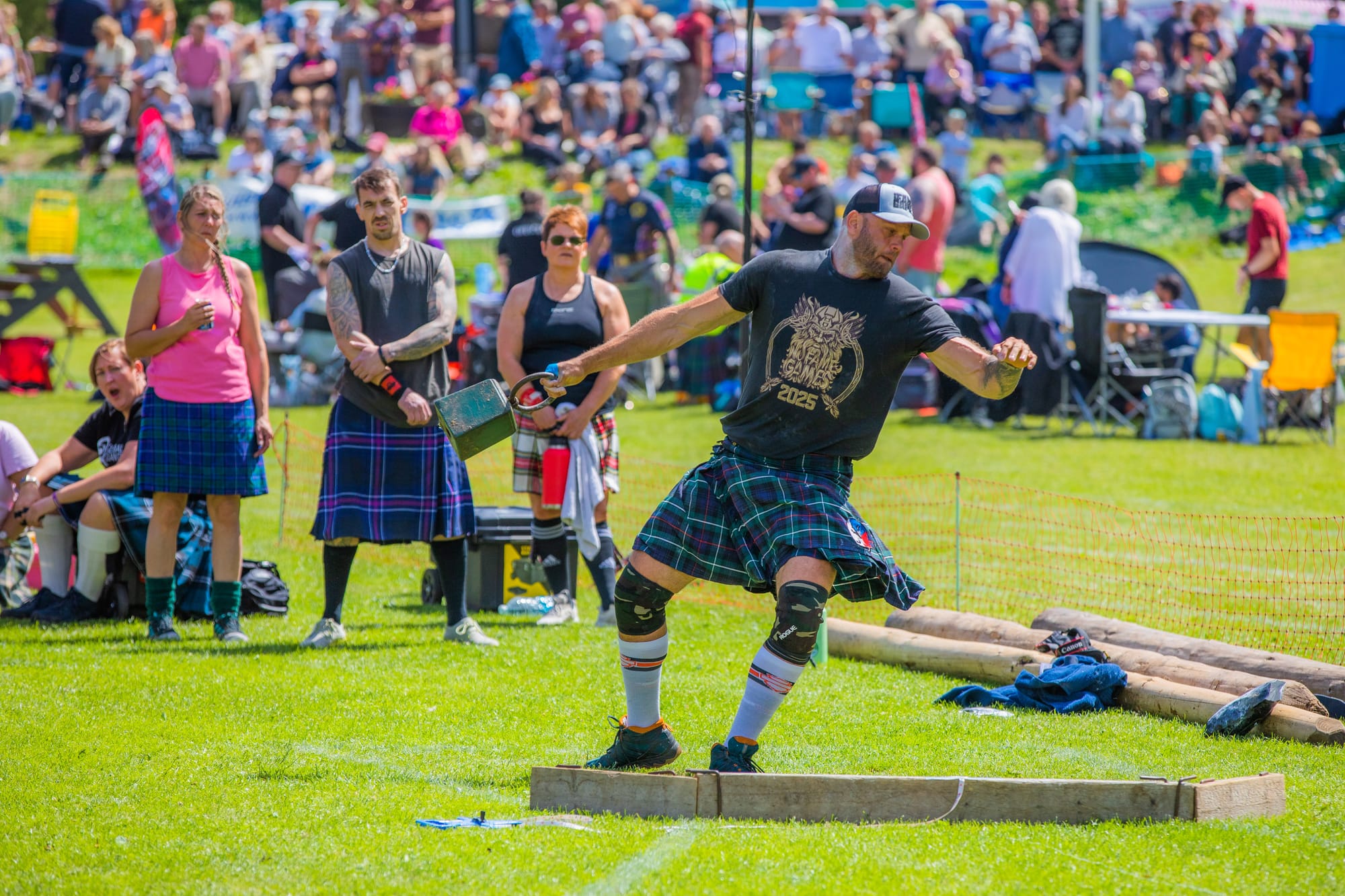
“When I visited and competed in the Ceres Highland Games in 2025, I was completely floored by how beautiful and well-maintained the Games are in Scotland,” he says.
“I was blown away by it. The Games there feel ancient, but they’re also alive and vibrant in a way that’s hard to describe.”
What struck him most was how naturally the traditions remained woven into everyday Scottish life.
The journey took him beyond the Games arena and into some of Scotland’s most historic landscapes.
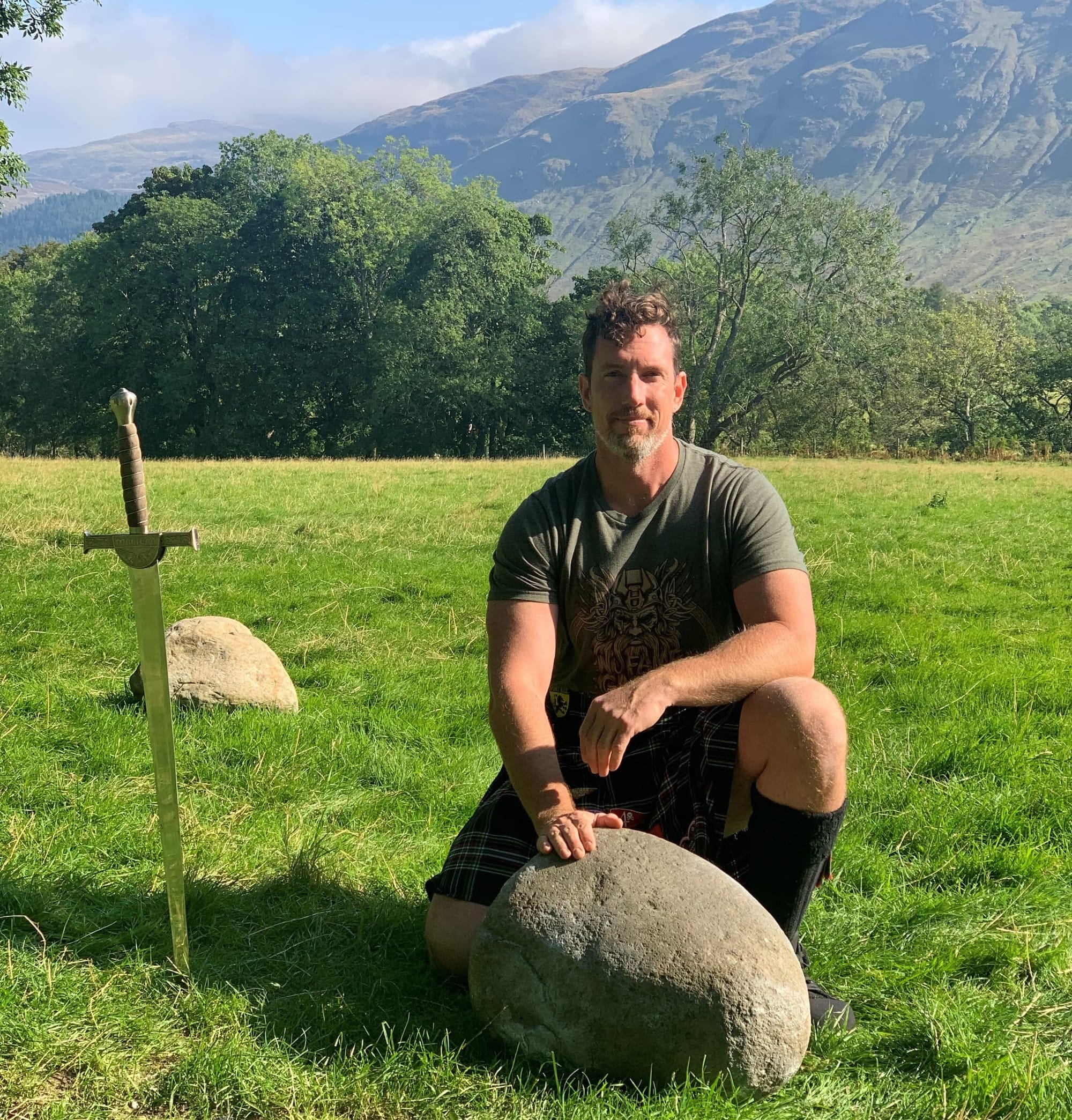
One of the most powerful moments came in Glen Lyon, where he attempted the Fianna testing stone, a traditional stone-lifting challenge linked to ancient tales of strength and endurance.
“When I went to lift the stone in Glen Lyon, it felt like going back in time,” he says. “That place has a palpable magic.
“There is a sense of power in those places. It is something you can feel."
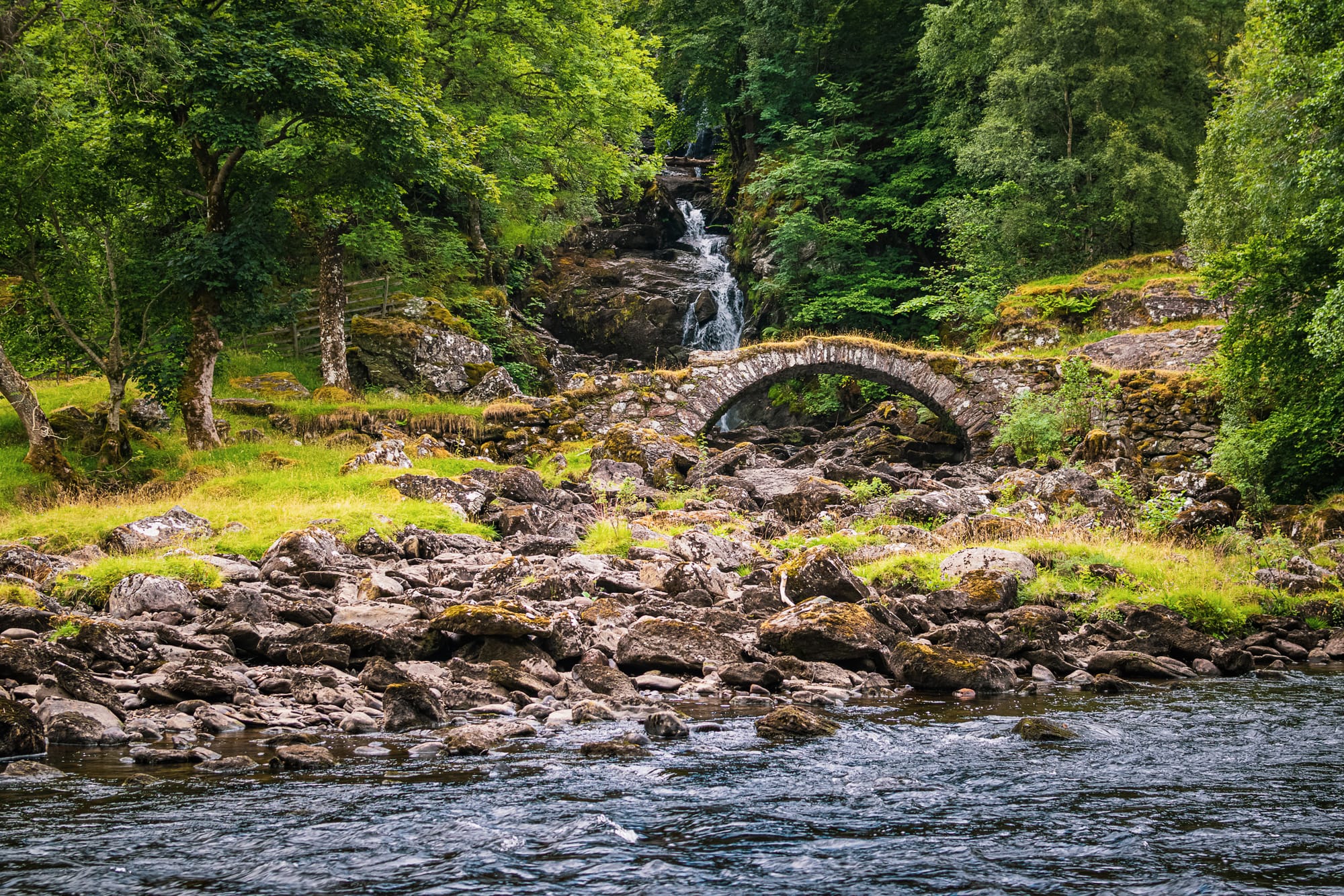
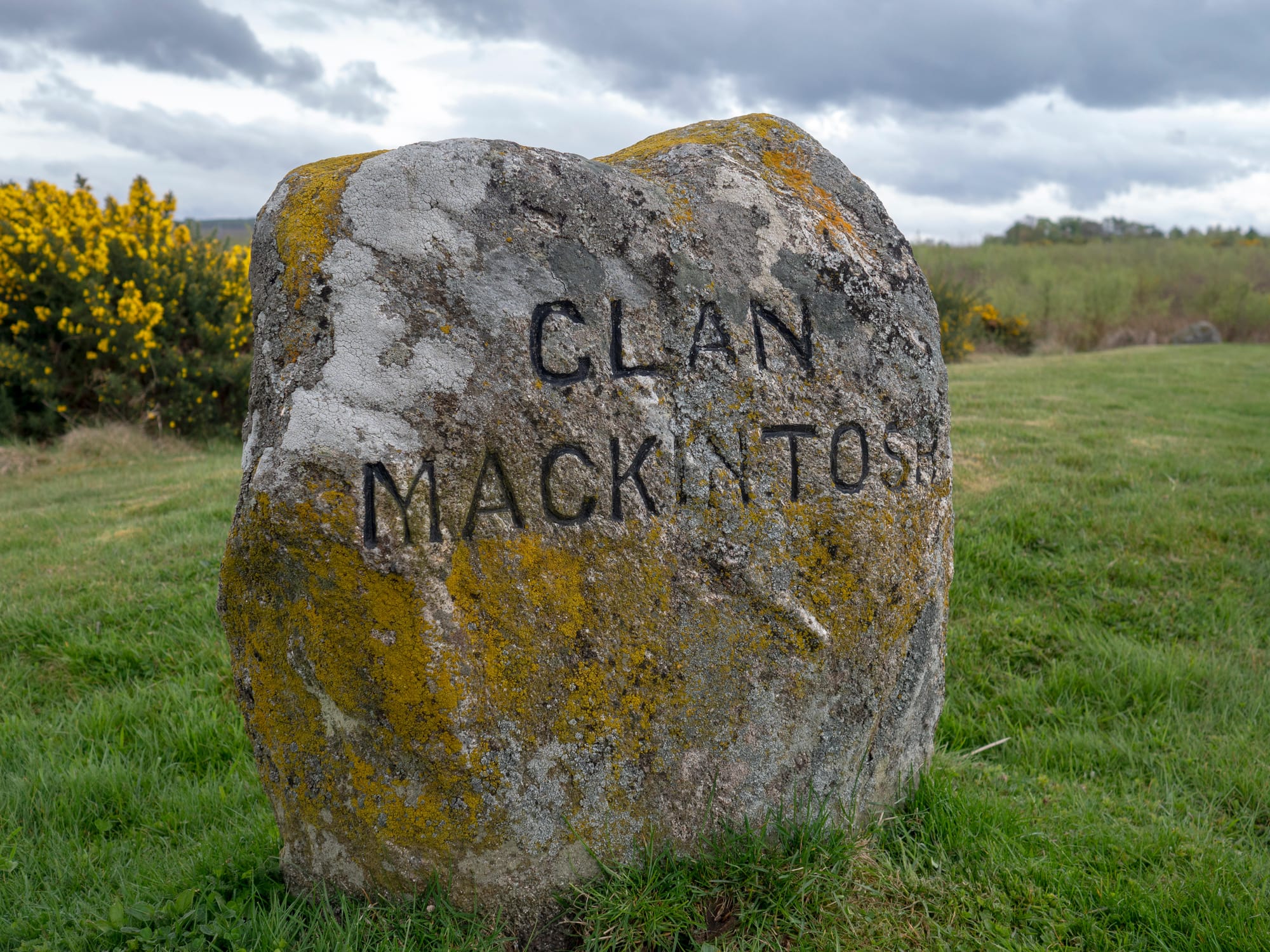
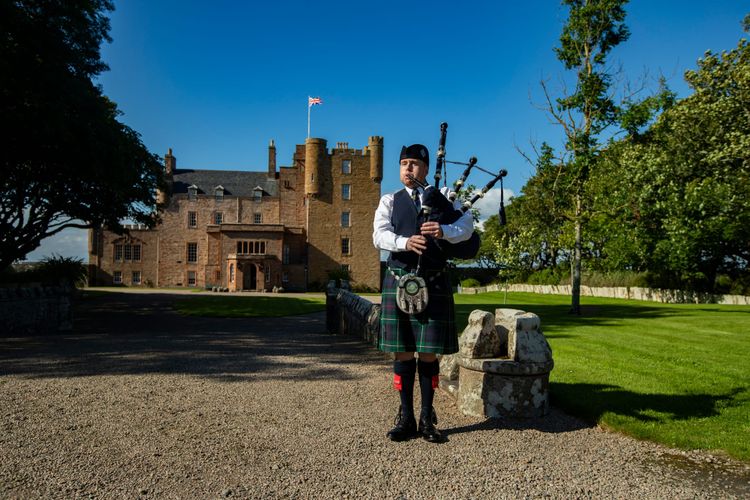
Another unforgettable experience came at Moy, ancestral home of Clan Mackintosh.
“Being of Mackintosh descent, when I went to Moy and met Chief John Mackintosh of Mackintosh I unexpectedly felt a sense of belonging and place,” he says.
When he was shown a hidden lifting stone once used by Mackintosh and Chattan warriors – men who fought and died at Culloden – the experience became something more personal.
“It is hard to describe the feeling of seeing the hidden lifting stone in words. Never mind being allowed to lift it and becoming a part of its history.”
For someone who has spent years helping Americans reconnect with Scottish heritage, those moments brought a deeper understanding of what that heritage means.
“Scotland is full of so many hidden gems, from landscapes and buildings to its people,” he says.
“There is a warmth and kindness to its people as a whole. And a sense of identity with the land and traditions that moved me.”
Those experiences underline a key truth: while American Highland Games have evolved into something distinct, their emotional centre still lies firmly in Scotland.
Highland Games as a serious sport
For all the atmosphere, the Games in America are also a serious and evolving sport.
For elite thrower Spencer Tyler, a top professional Highland Games athlete from Texas, the growth in the US has been impossible to ignore.
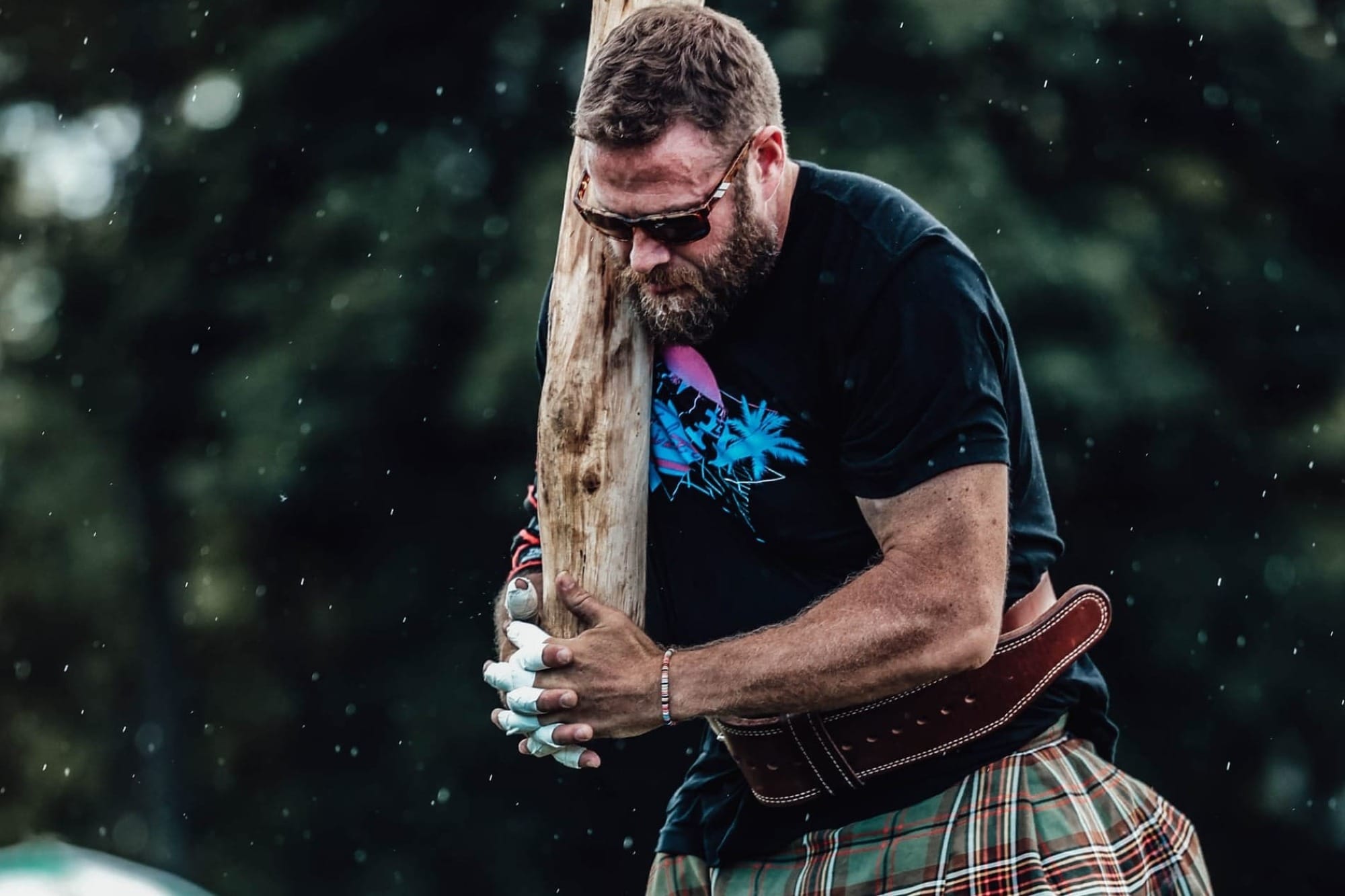
He won the 2019 World Championship and holds multiple world records in events like the sheaf toss and weight throw.
The sport has also given him opportunities to connect with the country where the Games began.
"It's a beautiful country, and the people are amazing," Spencer says of his visit to Scotland. "I was only there for a short time, but I would love to go back and spend more time there.
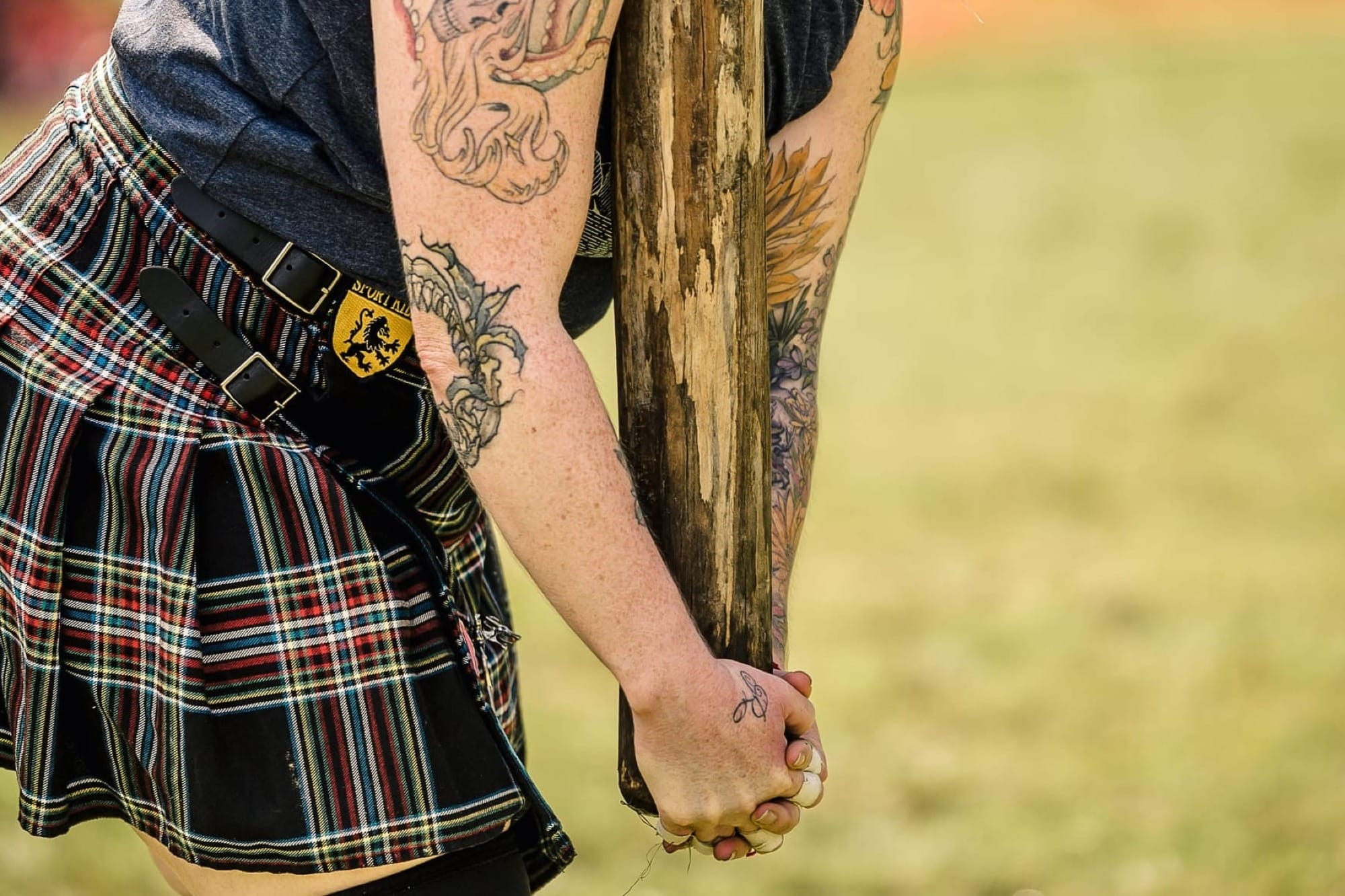
“The sport is growing fast,” Spencer says. “There are more athletes coming in, and a lot of them are incredibly strong.”
“The depth of talent here is huge,” he adds. “Far more athletes are pushing at a high level.”
But that competitive edge can sometimes be overlooked within the festival setting.
“There’s still this idea that we’re just part of the show,” Spencer says. “But the athletes who are serious about it train year-round. This sport has centuries of history behind it, and for a lot of us it becomes part of who we are.”
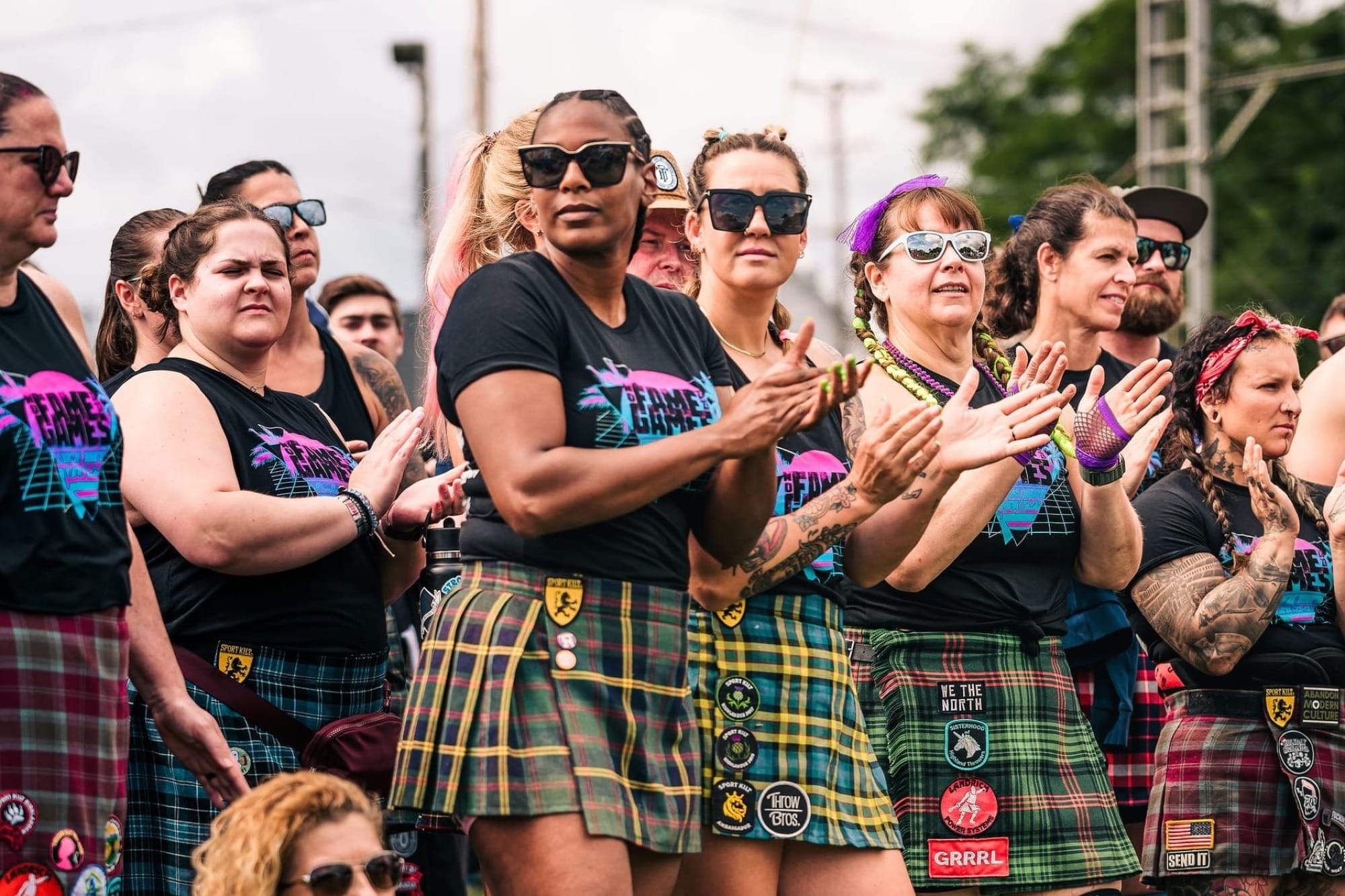
That connection between sport and culture is something organisers work hard to preserve.
“Vital!” Joshua says when asked about the importance of the cultural side of the games.
“They are all parts and branches of the same Scottish tree of life. One needs to understand one to see the other and the root system they all spring from.”
Keeping the flame alive
Despite their popularity, the games face challenges. Costs are rising sharply, particularly for traditional disciplines like piping, dancing and music.
“Sanctioned competitions are incredibly expensive to run,” Terri says. “We are investing heavily just to keep those traditions alive.”
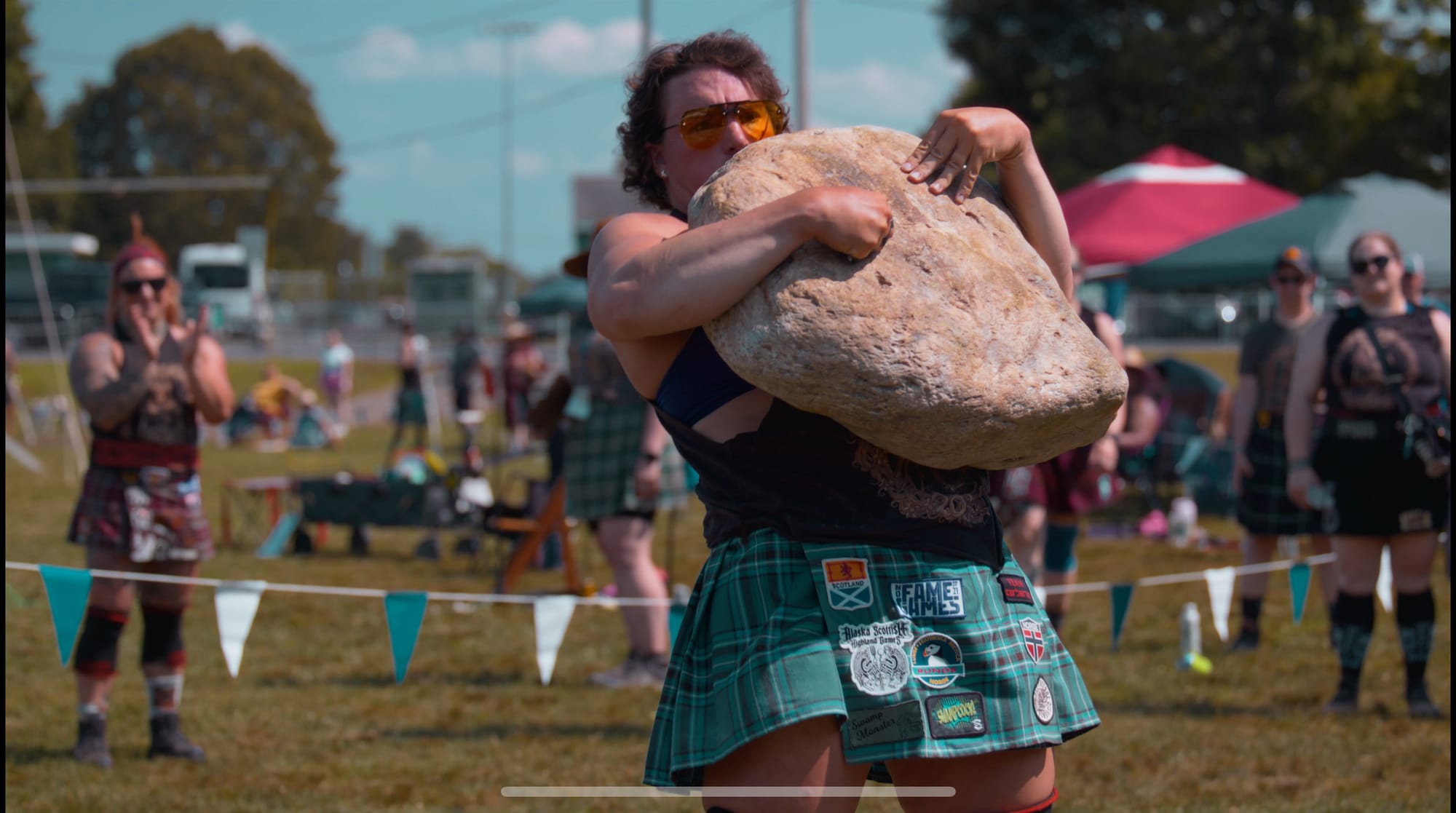
At the same time, participation in heavy athletics continues to grow.
“There’s definitely increasing interest in learning to throw and compete,” she adds.
Across the country, organisers are also grappling with bigger structural issues – funding, insurance and the need to bring in younger generations.
“There’s no central governing body for athletics in the US,” Joshua says. “It’s something we’re trying to change, to create more structure and opportunity for the sport.”
Innovation is becoming essential
At New Hampshire, “Try It” classes, covering everything from Gaelic language to stone-lifting, draw thousands each year.
“Our workshops are packed,” Terri says. “People don’t just want to watch, they want to take part.”
Joshua’s response has been to think even bigger. His inaugural Celtic Strength Championships aim to unite strength traditions from across the Celtic nations.
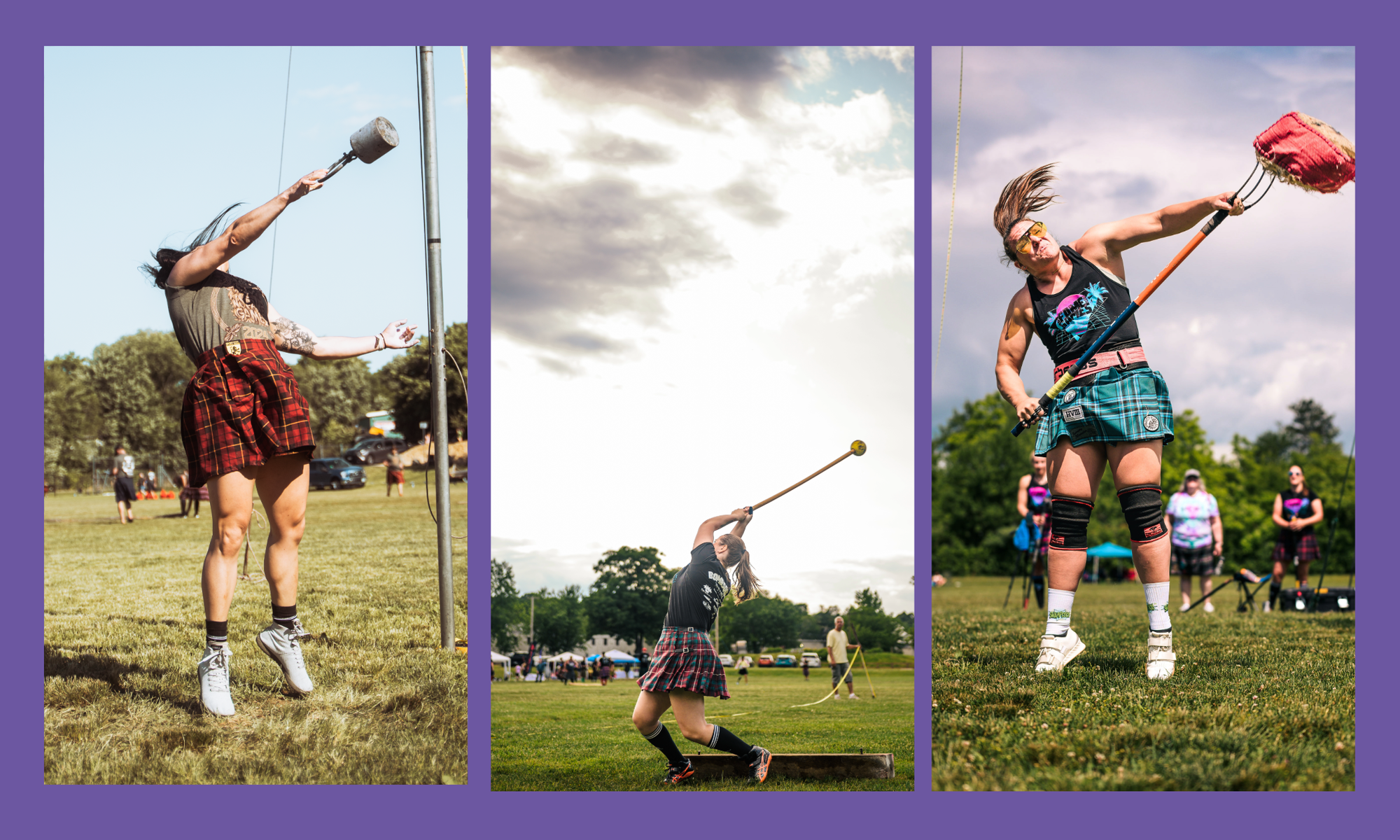
“For us, it’s about bringing everything together,” he explains. “Celtic strength isn’t just one tradition – it is all of them, connected.”
Spencer agrees that evolution is necessary.
“This kind of innovation is exactly what the sport needs,” he says. “If you want it to grow, you have to let new people see it and experience it.”
What emerges from these perspectives is something layered, evolving and surprisingly modern. The Highland Games in America are not frozen in time. They are rebuilt, reinterpreted and re-energised by every generation that inherits them.
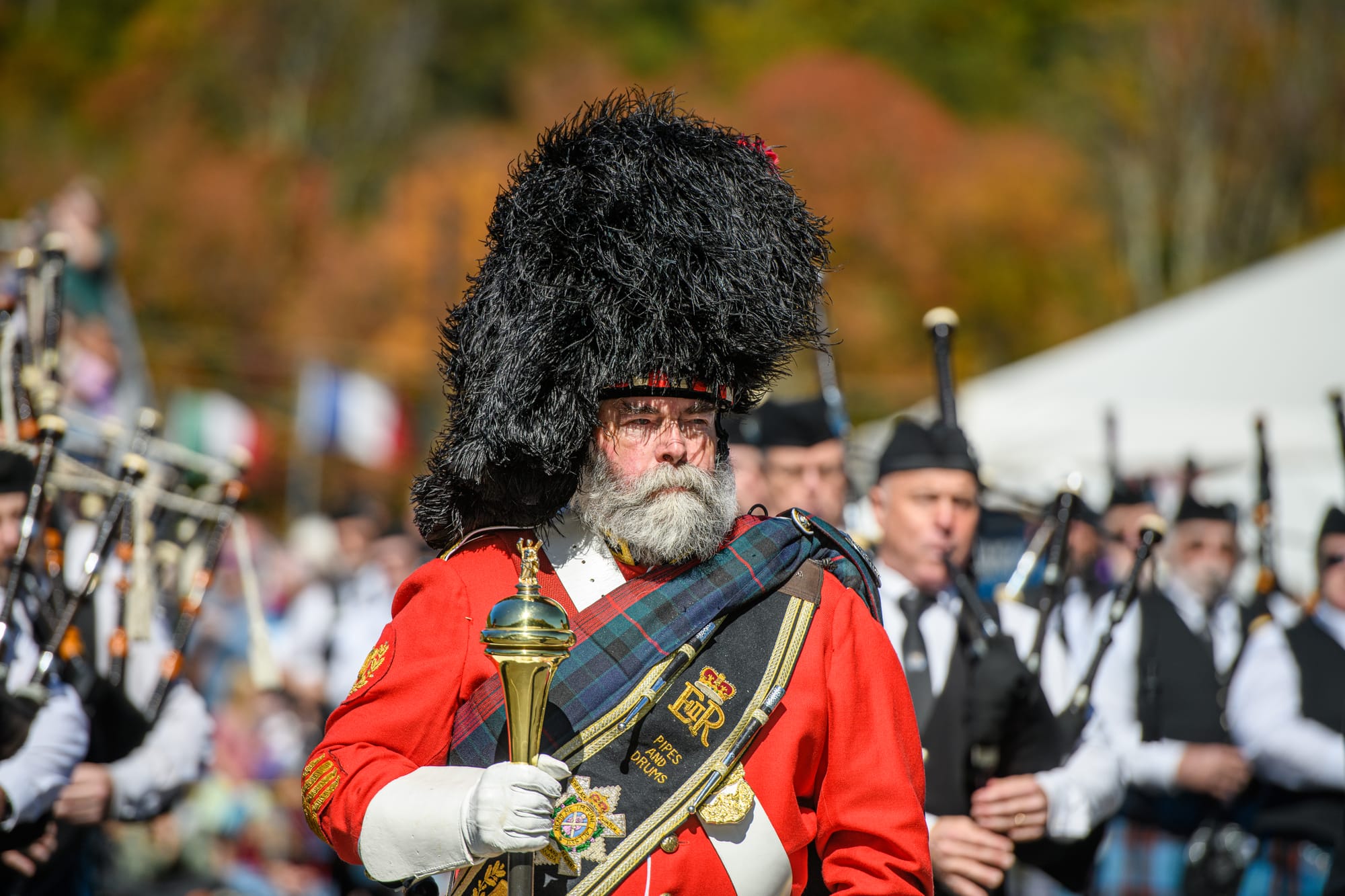
For some, that connection begins with a family name. For others, it starts with the sound of bagpipes drifting across a field or the sight of a caber turning against a mountain backdrop.
And for people like Joshua Mackintosh, it can eventually lead all the way back to Scotland itself – to ancient stones, clan histories and landscapes that somehow feel familiar, even on a first visit.
Rooted in Scotland but shaped by the diaspora, the Highland Games have become something uniquely American. Not simply a copy of tradition, but its continuation.
📸 DC Thomson, No Fame Games, Shutterstock, Tyler Ryan Design, Alamy
Read on:
- A summer of Highland Games: explore Scotland's greatest Gatherings
- From the Vault: the historic controversy about female competitors
Scots Snippet
Word of the Week
"Blether"
(n. or v.) - chat

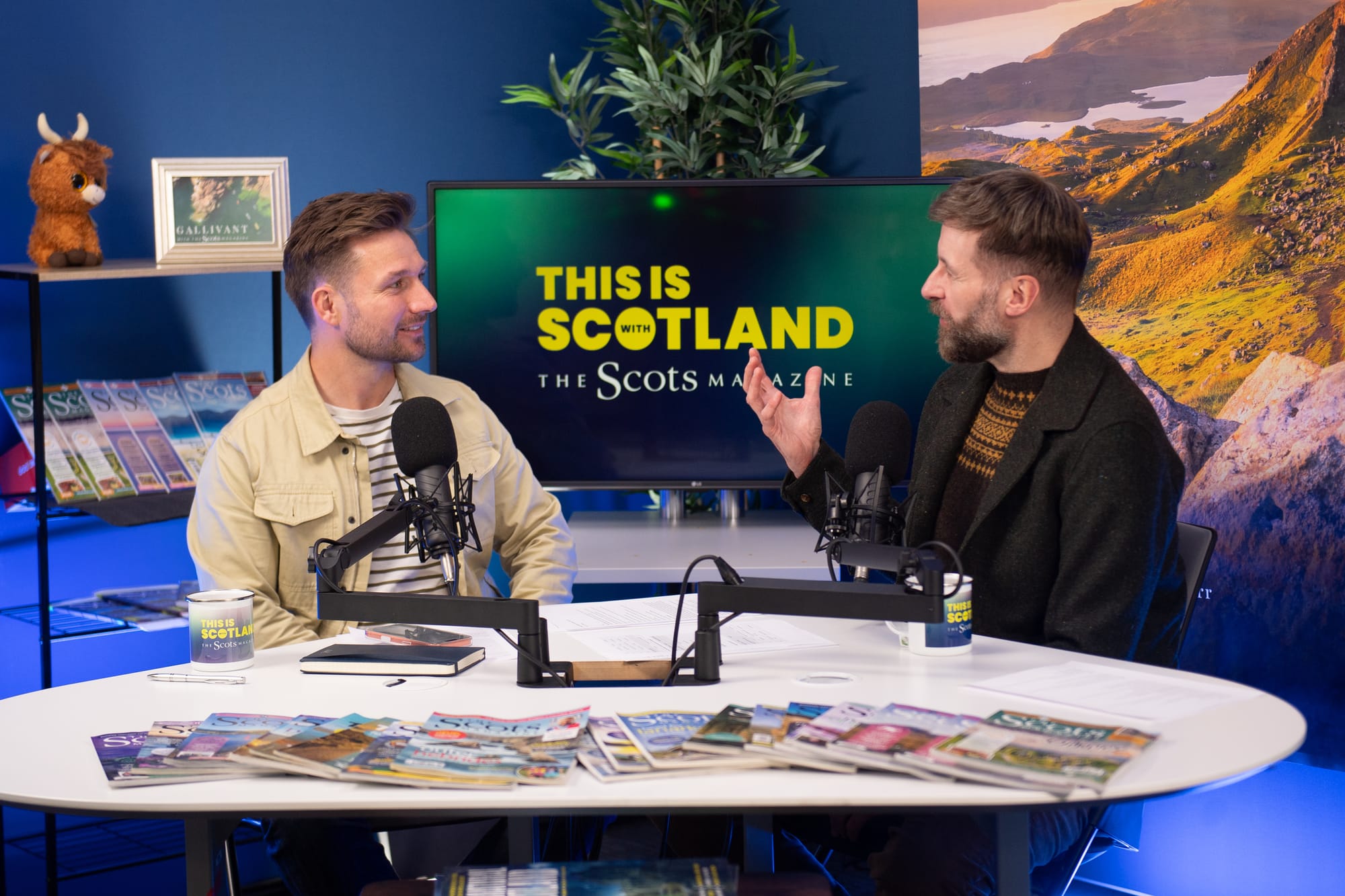
Be among the first to join us for the launch of This Is Scotland, the brand-new weekly podcast with The Scots Magazine! Our hosts Ally Heather and Coinneach MacLeod will be having a great blether about all things Scotland - out Monday June 8th.
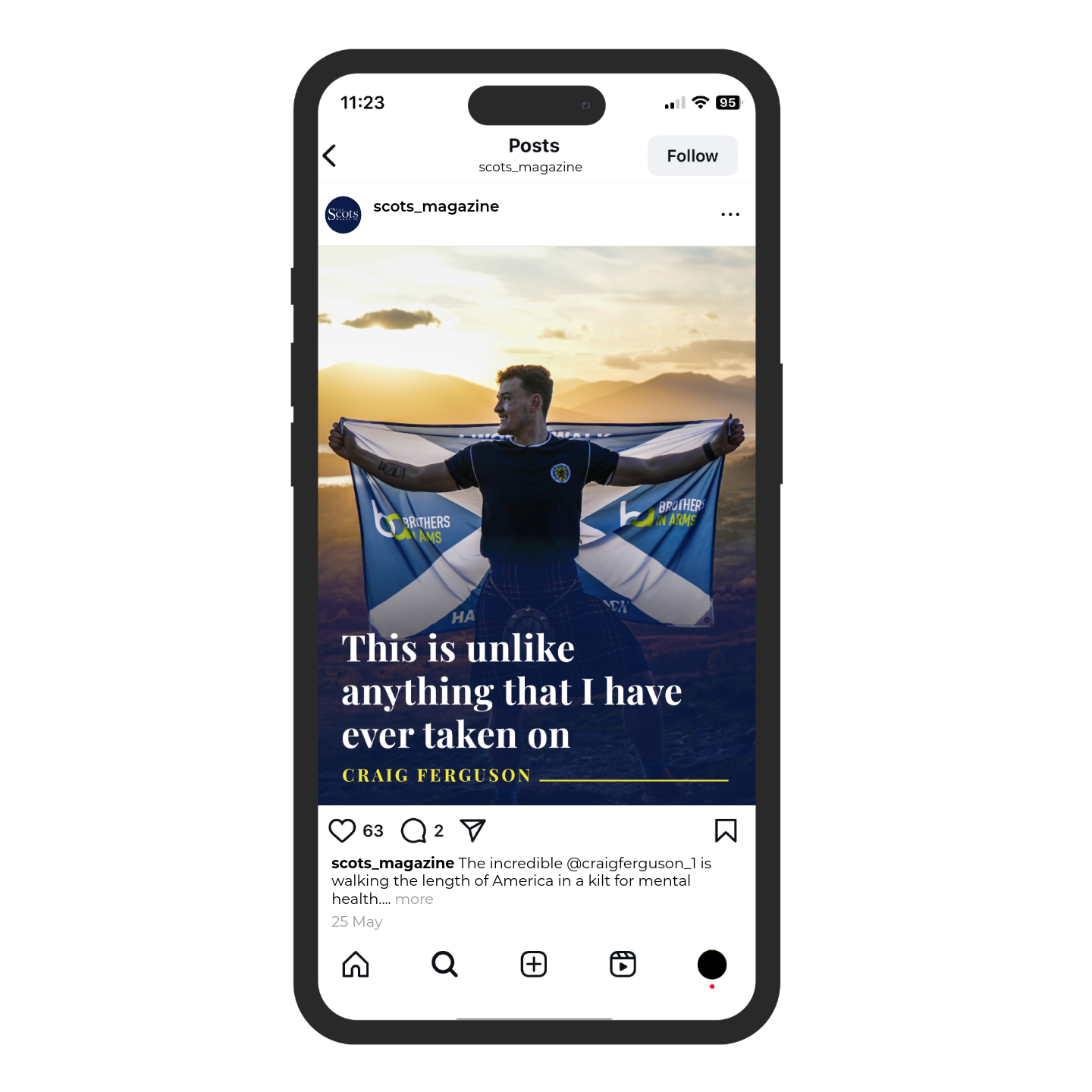
Learn about one Scot's American challenge over on Instagram!
Member discussion