Is the Loch Ness Monster real? Inside a scientist's 50-year search for Nessie
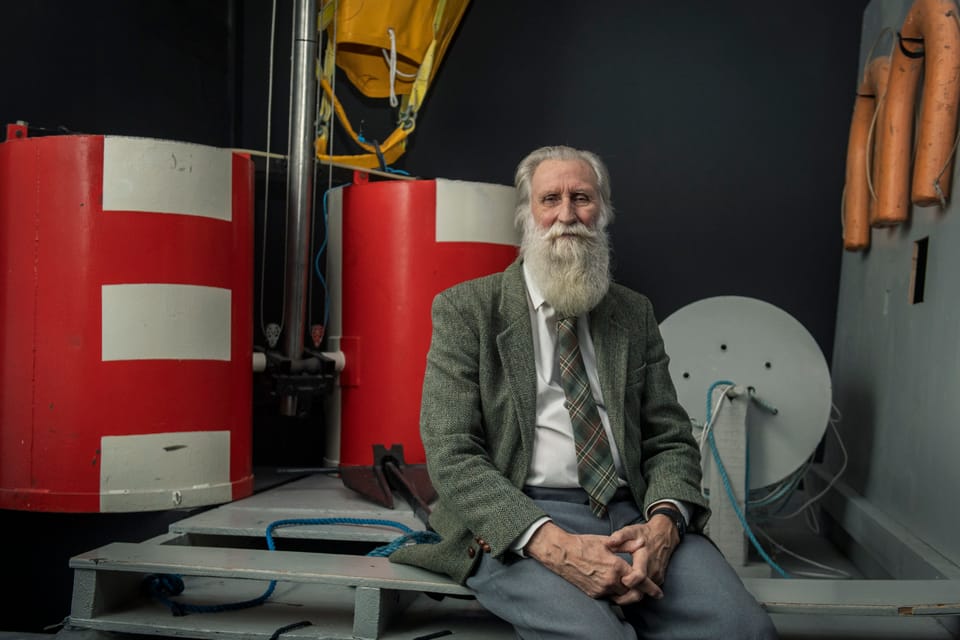
FOR more than 50 years, naturalist Adrian Shine has studied one of the world’s most enduring mysteries: the Loch Ness Monster.
He arrived in the Highlands in 1973 with a tent, a camera and a fascination with sea serpents which began in childhood.
“It was July 1957, and my parents had taken me to Mundesley,” he recalled. “It was there that I saw the classic multi-humped sea serpent moving across the horizon.”
“They were actually water birds, flying in line… This ignited the spark of interest in the sea serpent; I was fascinated by the idea.”
Rather than dismissing the experience, it shaped his approach. He became interested not just in what people see, but in how they interpret it.
What followed was a decades-long scientific effort to understand Loch Ness itself – and the sightings that have kept its legend alive.

A monster mystery that still generates sightings
Reports of unexplained activity on the loch have not disappeared with time. And although Adrian describes sightings as “perceptions” caused by natural phenomena, he is open to new evidence.
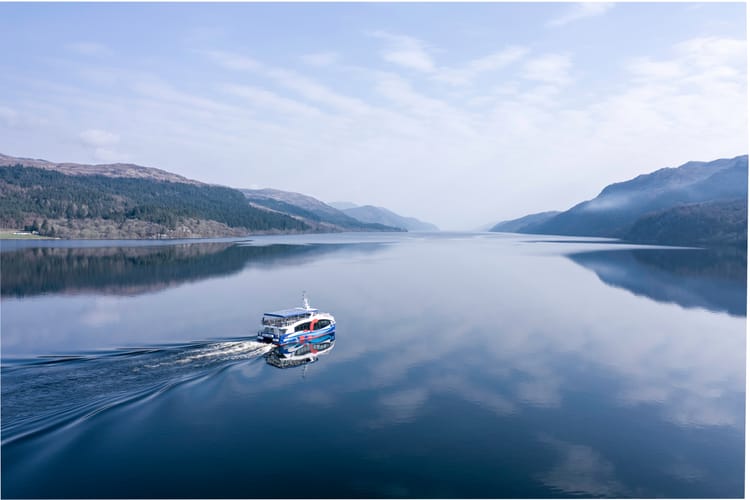
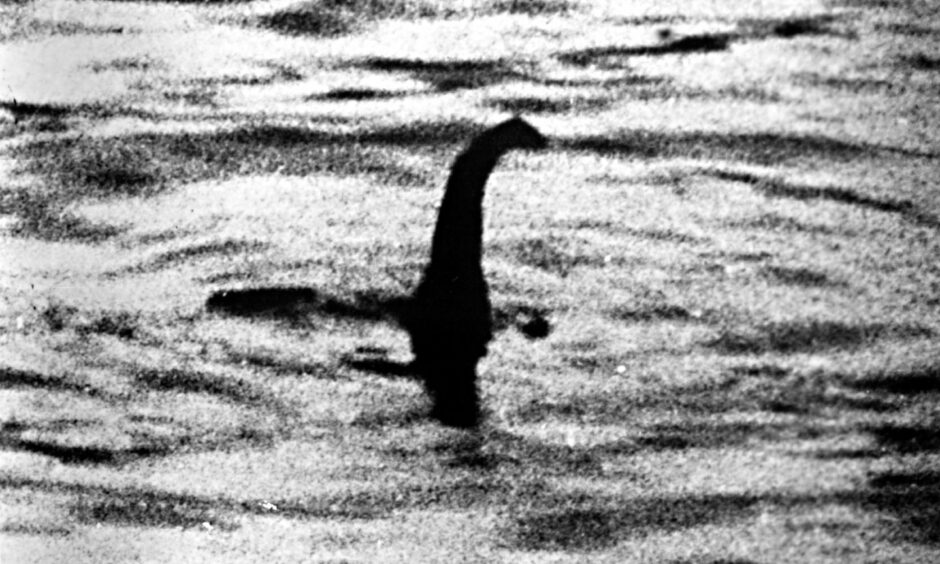
A new sighting last month described a fast-moving object travelling through the water, leaving a clear wake behind it. The footage quickly drew attention because of the speed and scale of the movement, echoing descriptions that have appeared consistently for decades.
While such sightings are often debated, they continue to reinforce one fact: people are still seeing something.
From curiosity to long-term investigation
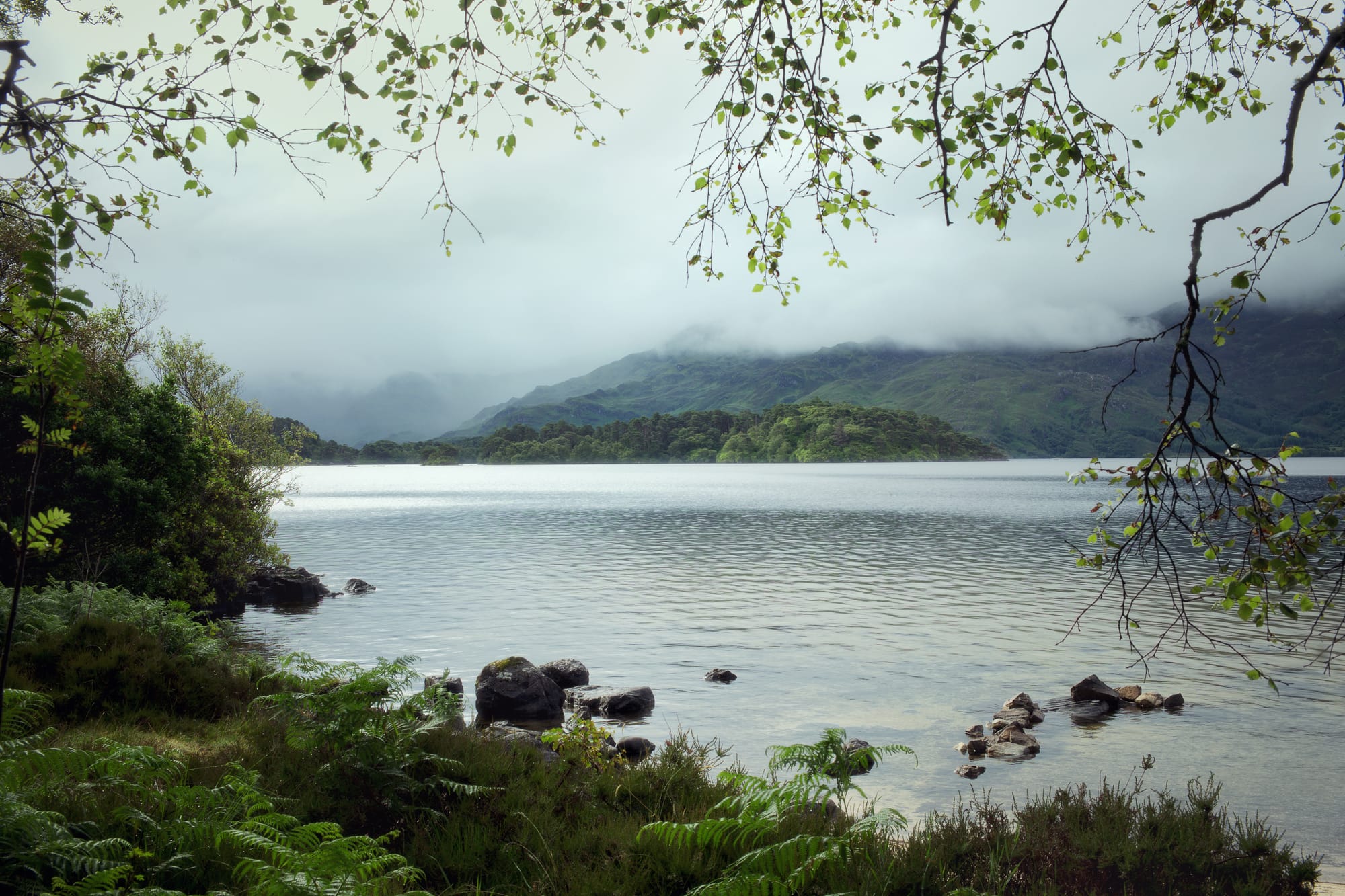
Adrian’s earliest investigations took place at Loch Morar – a quieter, deeper stretch of water.
Armed with little more than a rowing boat, a spotlight and a camera, the young naturalist set out to investigate reports of the loch’s own “water horse”.
“I was a bit of a naturalist at the time… I knew that aquatic creatures, big ones, little ones, tend to come to the surface at night,” he explained.
It was here that he experienced a moment that would shape his entire approach. While out on the water, he believed he had finally come face to face with something extraordinary.
“I was rowing, and when I looked backwards, I saw a hump, very similar to the pictures in the book,” he said.
“It began to look like a great big semi-submerged head and ripples came off it.” But the encounter quickly unravelled. “It was a rock,” he added.
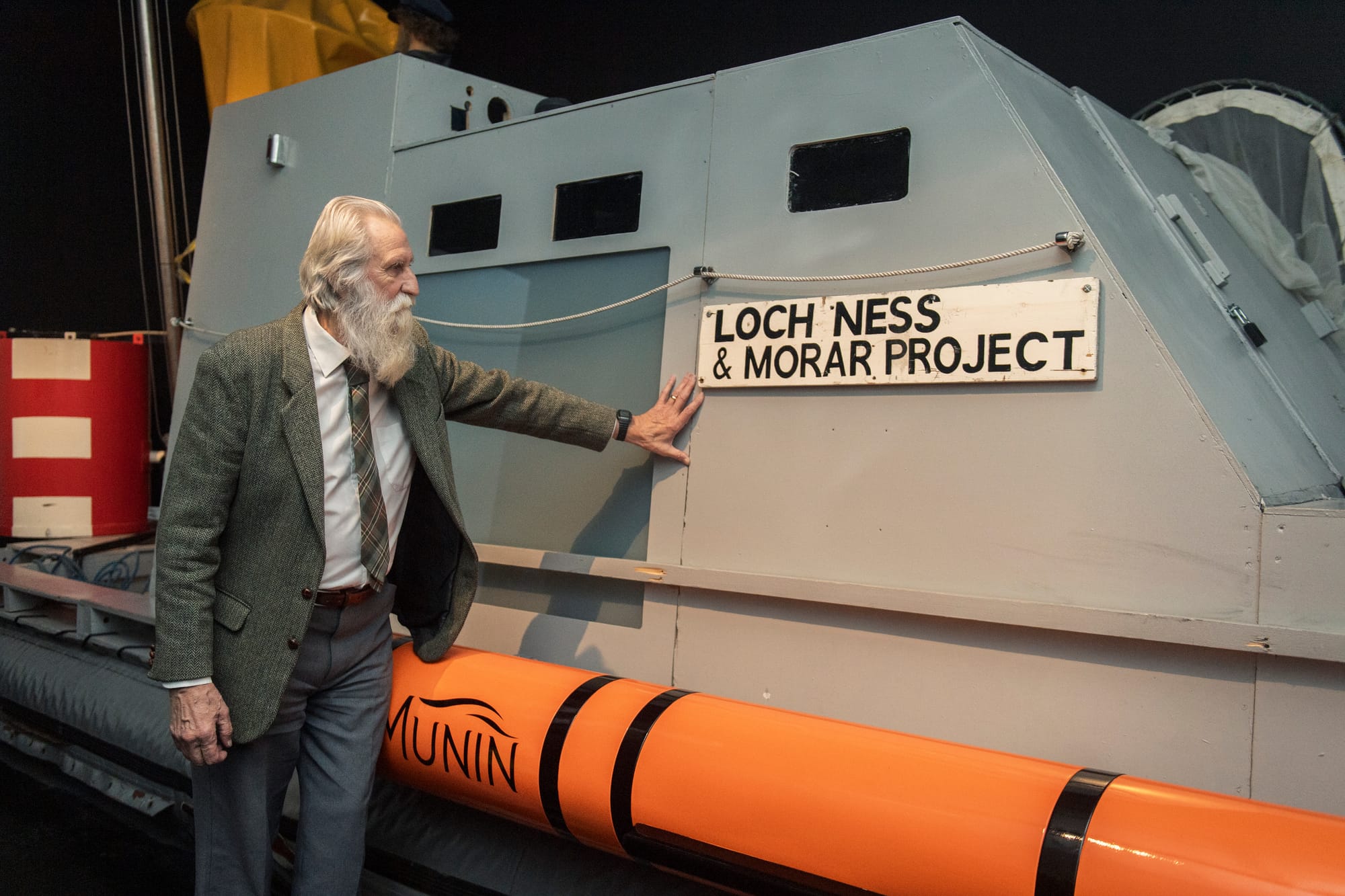
The researcher’s most famous moment at Loch Morar was when he submerged inside Machan, a tiny underwater hide he built between 1974 and 1975.
For two hours, he descended up to 30 feet and looked through the upward-sloping plate-glass windows towards the bright surface in the hope of seeing the silhouette of any large, unusual animal.
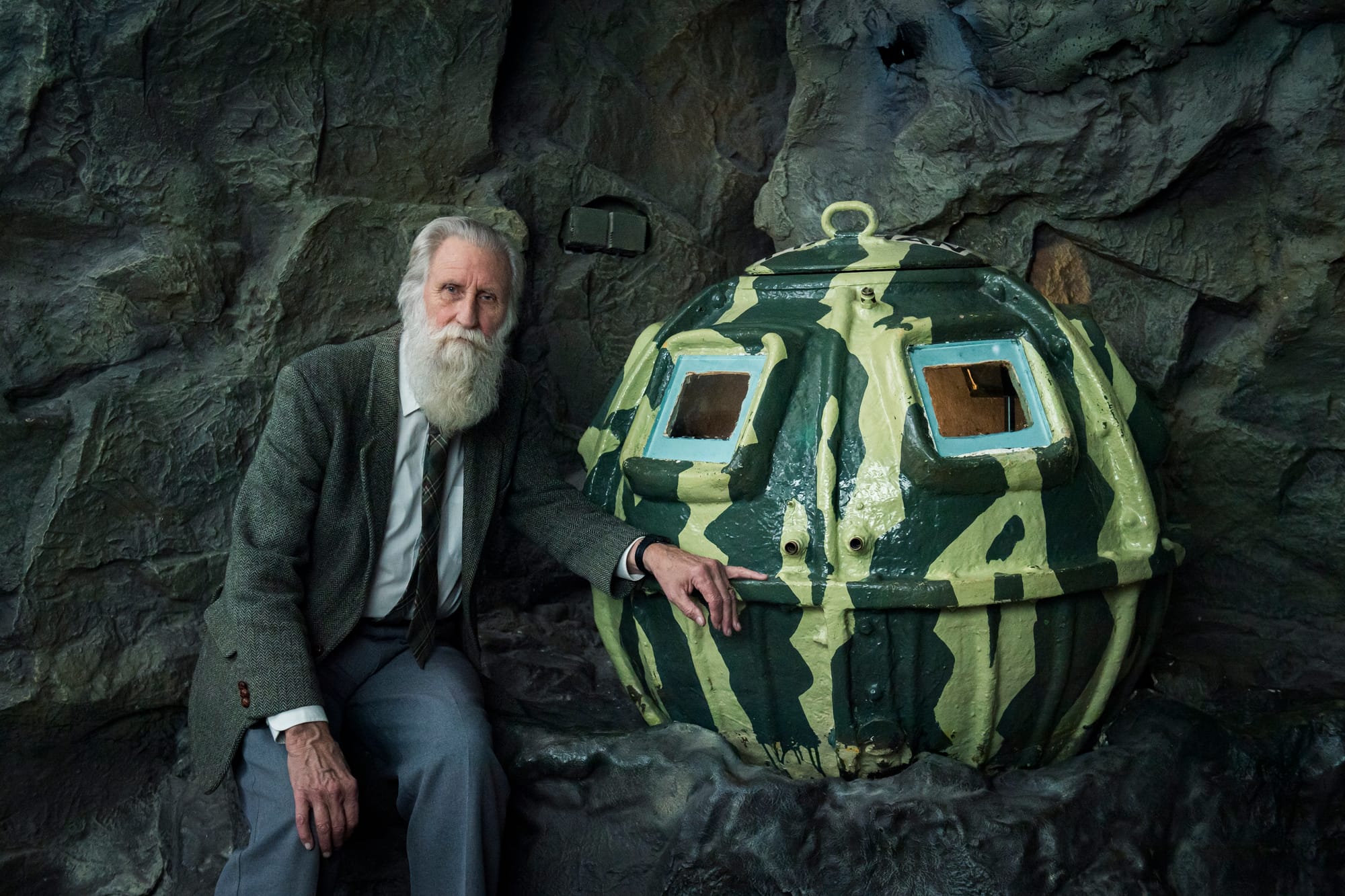
Despite finding no evidence or Morag, Loch Morar's famous monster, the experience became a turning point.
“I learned that if I couldn’t trust my own eyes, I would have to be careful about accepting anybody else’s testimony equally,” he said.
Building a scientific approach to Nessie
In the mid-1970s, Adrian founded the Loch Ness Project, bringing together researchers to study the loch using observation, data collection and emerging technology.
The aim was not simply to prove or disprove the existence of a creature, but to understand the conditions that might explain repeated sightings.
That work led to one of the most ambitious investigations ever carried out on the loch.
Operation Deepscan: the largest search ever conducted
In 1987, Adrian led Operation Deepscan, a large-scale sonar survey involving 24 boats moving in formation across Loch Ness.
Over two days, the team conducted a full-length sweep of the loch, supported by extensive international media coverage.
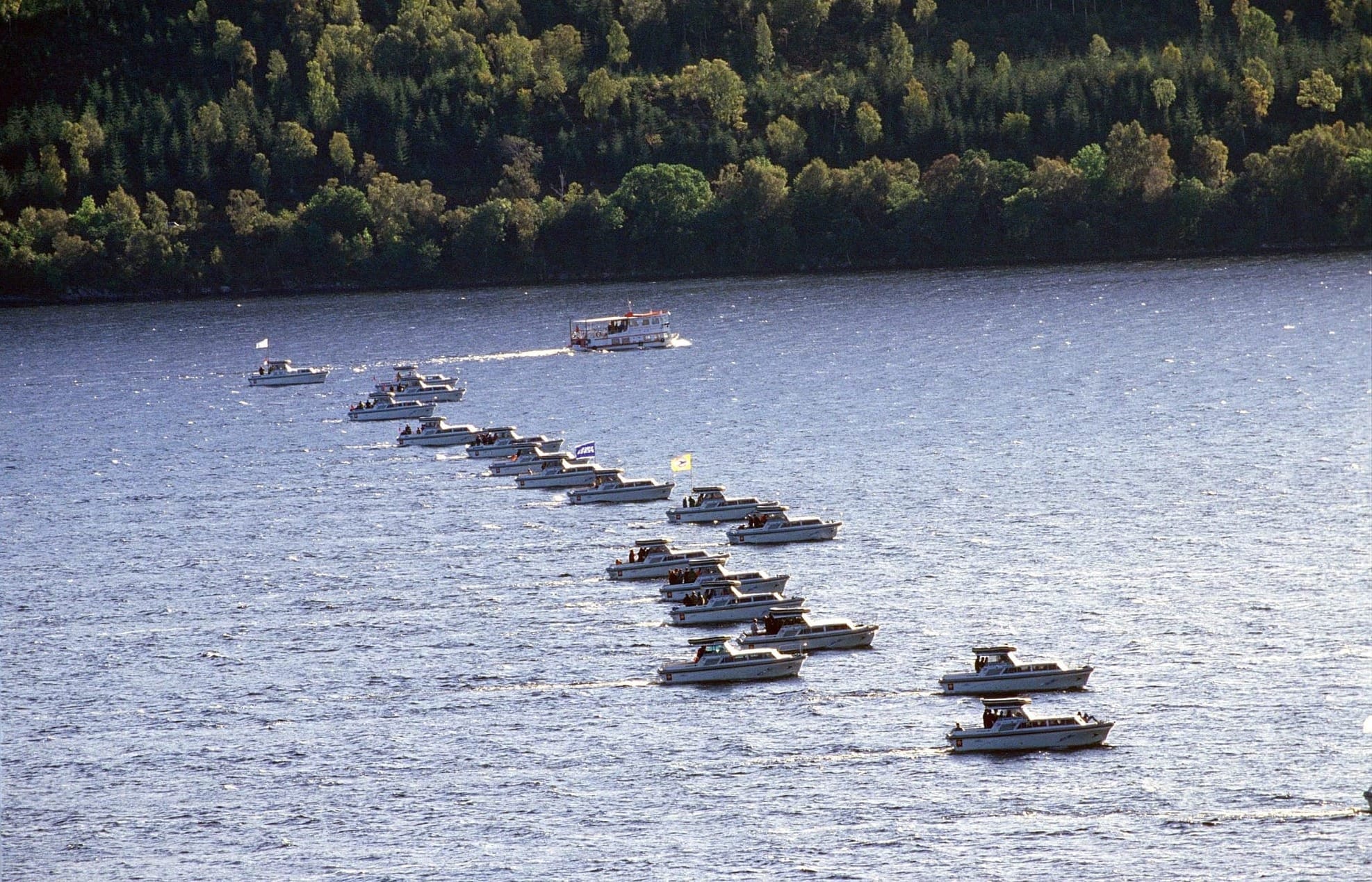
At the time, it was the most comprehensive attempt to detect large underwater objects in the loch.
“It was stressful because the media were all there,” Adrian explained. “It wasn’t just in '87; we had a smaller trial run in 1986, and that was the year that presidents Gorbachev and Reagan met in Iceland to avert the destruction of world civilisation.
“There was a Japanese film crew there who had heard about this sonar dragnet happening at Loch Ness. So, of course, they left Iceland and came to Loch Ness,” he added.
The operation did identify unusual sonar readings – moving targets deep below the surface – but none could be definitively identified.
Learn more with our ultimate guide to the Loch Ness Monster!
- New to the legend? Start with our complete guide to the Loch Ness Monster
- Want to spot Nessie for yourself? Read our monster spotting guide
- Discover how Nessie evolved over time with our full timeline
The results did not confirm the existence of an unknown creature, but they also did not provide a complete explanation for what had been detected.